
The same 300 shots,
so why does
satisfaction vary
from person to person?
When I speak with patients about lifting treatments in the consultation room, many people ask about the number of shots first.
Just a few days ago, one patient unfolded a note she had written and asked, “For 300 Ulthera shots at a Sinnonhyeon dermatology clinic, do I really need at least that many to see results?” Her expression was half anticipation and half anxiety.
Today’s story begins with that very question.
Before placing your full trust in a single number—the number of shots—let’s take a closer look at what that number really means. It may help you avoid unnecessary spending and disappointment.
The concerns of the person
who brought a note
She was an office worker in her early forties.
For several months, she had been concerned that the lines around her mouth and cheeks looked more lax than before.
She said that after hearing a friend talk about looking much more refreshed after a lifting treatment, she spent the whole night searching for information.
Then she came across posts saying that the more shots you receive, the greater the effect, and began seriously wondering whether she should push herself to receive as many as possible.
She was worried about receiving too few and losing out,
and, on the other hand,
about receiving too many and damaging her face.
She told me that she had even lost sleep caught between those two concerns, which saddened me as well.
In fact, this is a concern I encounter very often in the consultation room.
There is no time to take care of yourself amid a busy daily life, but then you happen to see your profile in a photograph and your heart sinks.
Because I understand that feeling well, I listened first to what had been worrying her that day, rather than starting with a discussion of numbers.

Where does Ulthera work within the skin?
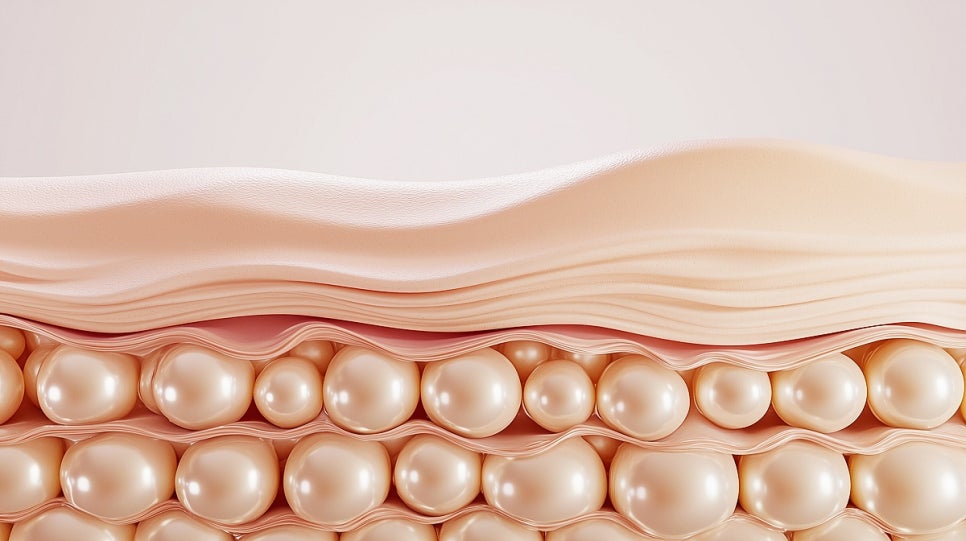
Ulthera is a lifting treatment that concentrates ultrasound energy and delivers it to the deeper layers of the skin.
That may sound a little complicated, but it is easier to understand if you picture sunlight being focused on a single point through a magnifying glass.
The principle is to concentrate dispersed energy at one point and stimulate the fascial layer that supports the skin.
The stimulated tissue is known to produce collagen again over time.
So, in a treatment such as 300 Ulthera shots at a Sinnonhyeon dermatology clinic, the number refers to how many stimulation points are made.
The effects generally appear gradually over the course of several weeks, and individual results may vary.
Rather than looking in the mirror the day after treatment and expecting a major change, it may feel more comfortable to think of the process as a gradual change, like the transition from one season to another.
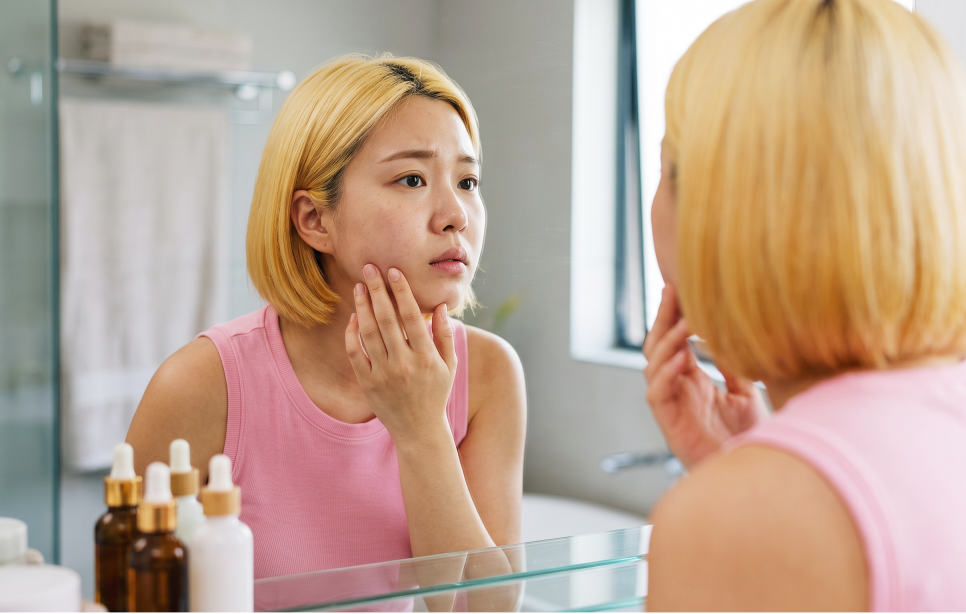
Where the shots are placed matters more than how many are used
This clears up one common misunderstanding.
The number of shots is simply the number of stimulation points; by itself, it does not determine satisfaction.
The thickness of the skin and the degree of laxity vary from one part of the face to another.
It is similar to building roads: rather than paving as many roads as possible without a plan, it is better to build roads where they are truly needed.
If unnecessarily many shots are concentrated on someone with minimal laxity, the person may not notice much difference while experiencing more residual warmth.
That is why the figure of 300 Ulthera shots at a Sinnonhyeon dermatology clinic only truly becomes worthwhile when it suits the individual’s face.
Conversely, if excessively few shots are distributed across someone with pronounced laxity, it may be difficult to experience the change they expected.
Ultimately, the issue is not simply whether the number is high or low. It is whether the treatment matches the map of your face.
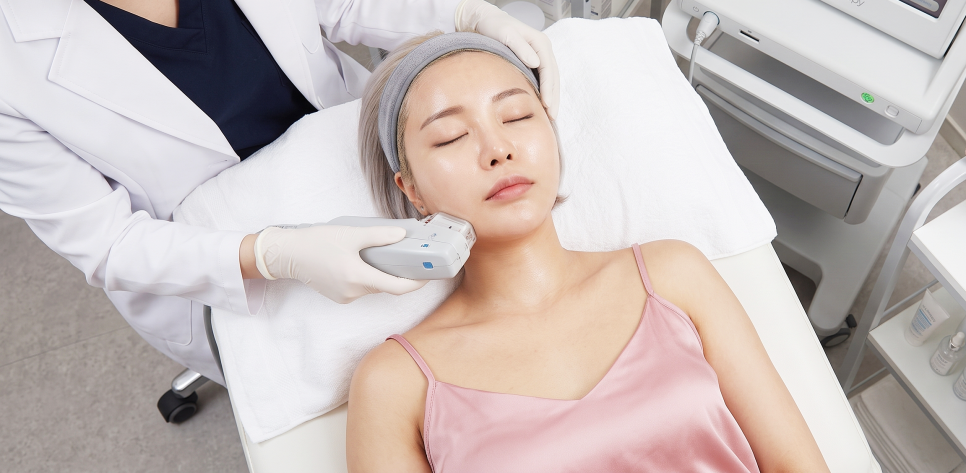
The sensations you may feel during treatment—
let me be honest
During Ulthera treatment, you may feel a tingling sensation around the bones, warmth, or stinging.
I do not think it would be honest to say that there is no pain at all.
However, if it feels too difficult to tolerate, we apply numbing cream beforehand to reduce the discomfort.
After treatment, slight redness or swelling may remain for a day or two, but in most cases it passes without significantly interfering with daily life.
When considering 300 Ulthera shots at a Sinnonhyeon dermatology clinic, it is reassuring to first consider what kind of stimulation your skin can accept and to what extent, rather than focusing on the number.
A comfortable-looking face rather than an excessive change—that is the direction we strive to maintain.
Many people have postponed treatment because they were concerned about warmth, but they say that knowing honestly in advance what sensations to expect actually helps them feel more at ease.
The answer I gave her
I told her that we should not decide on the number first.
Instead, after carefully examining the lax areas and skin thickness of her face, we planned the treatment so that stimulation would be delivered to the points that truly needed it.
Rather than forcing the treatment to reach the maximum number, we decided together on a range suited to her condition.
As she left after the consultation, she said, “I realize that clinging only to the number was actually weighing on my mind.” I still remember her expression.
I feel the meaning of the phrases “honest care” and “proven treatment” most strongly in moments like this.
When I saw her again a few weeks later, her expression looked much lighter, and I felt relieved too.
Rather than pursuing a dramatic change, choosing to preserve the features that make you look like yourself is often more satisfying in the long run.

The real question behind the number
Ultimately, what matters is not how many shots you receive, but what your face needs.
The number 300 Ulthera shots at a Sinnonhyeon dermatology clinic only gains meaning after that question has been answered.
I hope this article helps you set aside some of the impatience you may feel when faced with a number.
Everyone’s skin is different, so the answer naturally differs from person to person as well.
I hope you take your time and find the path that suits you.
Rather than being driven by numbers, I sincerely hope you have a day when you listen to what your skin is telling you.

[FAQ] Director Lee Yudeuk
answers your questions directly
Q1. Why do people receive Ulthera?
A. As we age, the elasticity that supports the skin gradually becomes looser. Ulthera is known to stimulate that supporting layer and help the skin produce collagen again.
People who are concerned about lax facial lines commonly seek this treatment.
Q2. Is receiving more shots necessarily better?
A. Not necessarily.
Shots are simply the number of stimulation points, so distributing them according to the treatment area and skin condition is more important.
Receiving more than necessary does not mean that satisfaction will increase proportionally.
Q3. Is the treatment very painful?
A. You may experience warmth or a stinging sensation, and this varies from person to person.
If it is difficult to tolerate, we can apply numbing cream to reduce the discomfort, so please let us know in advance.

Q4. How can receiving treatment at a dermatology clinic help?
A. Even with the same device, the depth and location of stimulation can be adjusted after assessing the condition of your skin.
I believe it is helpful that a treatment plan can be created based on an evaluation.
Q5. How long do the effects last?
A. Individual results vary, but they are generally known to last for approximately six months to one year.
This may differ depending on lifestyle habits and personal care.
📍 Ijham Dermatology
(Near Sinnonhyeon and Gangnam Station)
429 Gangnam-daero, Seocho-gu, Seoul
Room 502, 5th floor
(Dongil Building, Seocho-dong)
☎ Telephone: 02-567-5900
🕒 Clinic hours
· Monday, Tuesday, Thursday, Friday: 10:00–19:00
· Saturday: 10:00–17:00
· Lunch break: Weekdays, 13:00–14:30
· Closed: Wednesday, Sunday, and public holidays
Please note that the clinic is closed on Wednesdays, Sundays, and public holidays when planning your visit.