They say acne
naturally settles down
after puberty,
You may have heard that at least once.
But when I think of the faces I see in the consultation room, I find that this saying does not always hold true.
Many people continue to struggle with recurring acne around their chins and cheeks even well into their twenties and after turning thirty.
Today, for those of you who came across this post while looking for Bundang acne treatment, I would like to calmly look at whether acne really disappears as we age.
That same spot that keeps coming back
every time you look in the mirror,
it catches your eye, doesn't it?
Even if you cover it with makeup, it
stands out again by evening,
and even after trying various
cosmetics said to be good,
the effect only lasts for a while,
so you may be feeling worn out.
I often hear in the consultation room that
even after visiting a dermatologist
for several years,
the skin only improved temporarily.
If you read this post to the end,
you may gain a clearer understanding of
why acne remains even in adulthood
and what to look at first.
By the way, people who travel
from Bundang toward Gangnam
also visit us from time to time.
I would first like to mention that Easyham Dermatology
is located near Gangnam Station and Sinnonhyeon Station
in Seocho-gu, Seoul.
The story of someone who kept putting it off, thinking it would eventually go away
A 31-year-old patient
came to see me recently.
During school, the only issue
had been a little acne on the forehead,
but after starting work,
red, firm acne began appearing
repeatedly along the jawline.
They were upset and asked,
“People said it would disappear with age,
so why is mine getting worse?”
Late-night work,
irregular meals, and accumulating
stress had come together,
and marks had also started to remain.
They cautiously confided that
they had begun to avoid looking in the mirror.
In fact, most people who come in
with concerns like these
have already tried many methods
on their own.
I first told them that I fully
understood how they felt,
and began the conversation by
carefully looking together at
the condition of their skin at that moment.
There are reasons acne remains even in adulthood
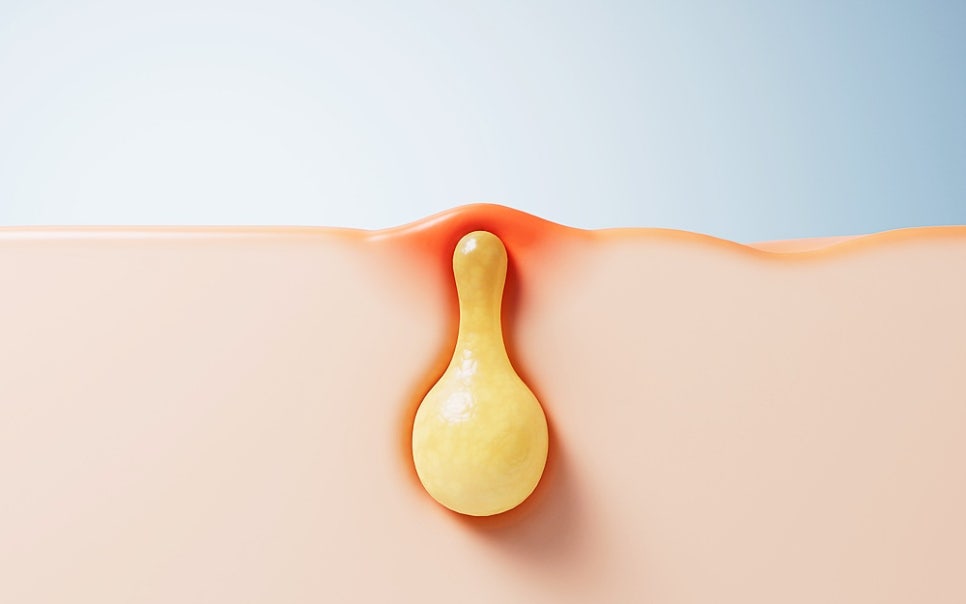
Acne is a skin condition in which
excessive sebum is produced,
the opening of a pore becomes blocked,
and acne-causing bacteria inside
trigger inflammation.
Put simply, it may be easier to understand
if you imagine a drain whose passage
for oil to escape has become narrow.
When oil and dead skin cells
become tangled and block the opening,
it is as if inflammation is
boiling inside.
In adulthood, hormonal changes,
stress, lack of sleep,
and unsuitable cleansing habits
can act as triggers.
Adult acne in particular
often settles in the lower areas,
such as the chin and around the mouth,
and frequently becomes red and swollen
or forms firm lumps,
making marks more likely to remain for a long time.
So when considering Bundang acne treatment,
rather than simply squeezing or covering it,
it is important to first look into
why sebum and inflammation keep recurring.
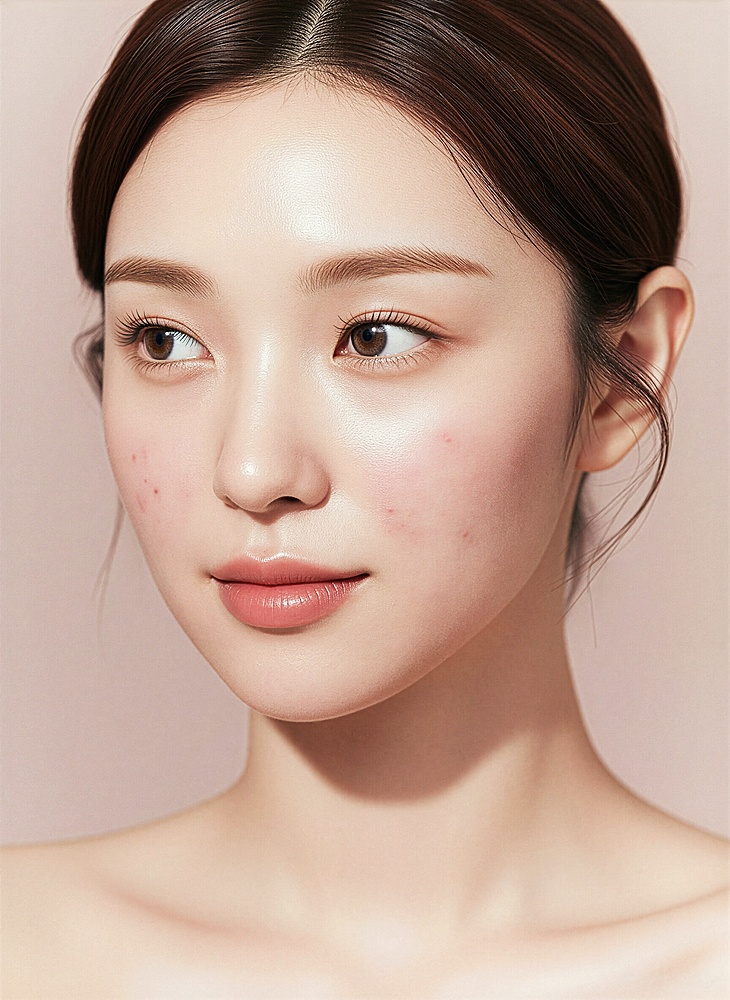
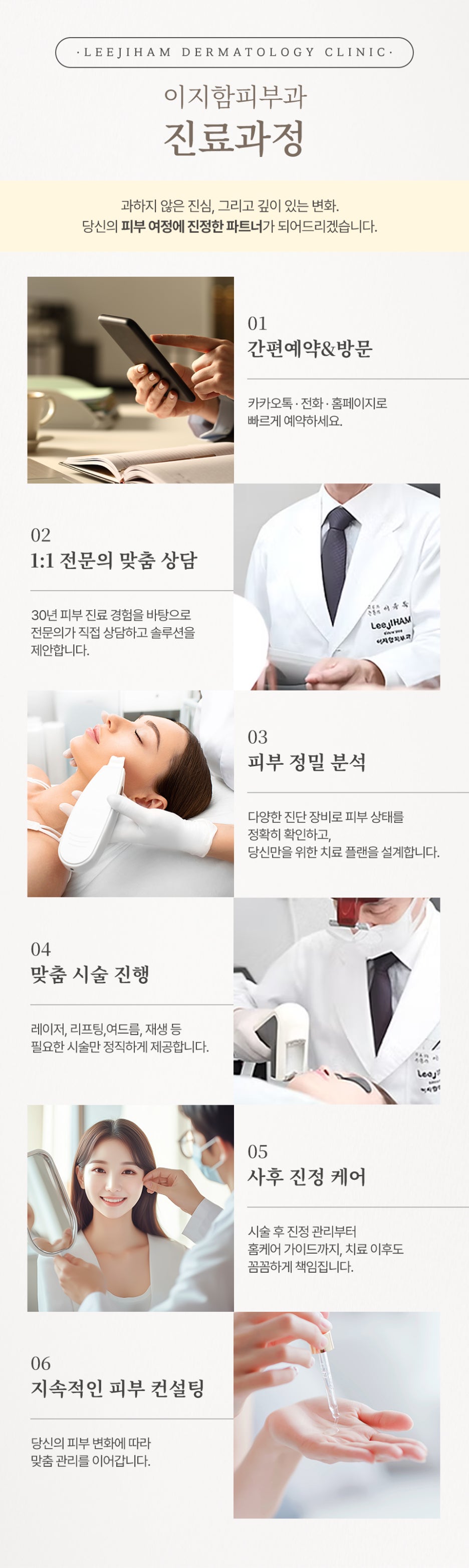
We examine everything from sebum to marks in stages
When we assess Bundang acne treatment,
we broadly divide the process
into three areas.
First, if there is a lot of active acne,
we use AtLaser to gently regulate
the sebaceous glands themselves,
which produce oil, to reduce sebum production
and refine the appearance of the pores.
When skin scaling and PDT scaling
are added to remove blocked dead skin cells
and sebum, the skin feels more refreshed.
If red marks or flushing remain,
we use IPL to even out the skin's texture.
This is usually performed about twice
during the acne treatment process.
AtLaser and IPL may cause
a prickling sensation and warmth,
so we apply numbing cream
when necessary.
However, recovery time and responses
vary from person to person,
so the number of sessions needed
is determined after examining the skin's condition.
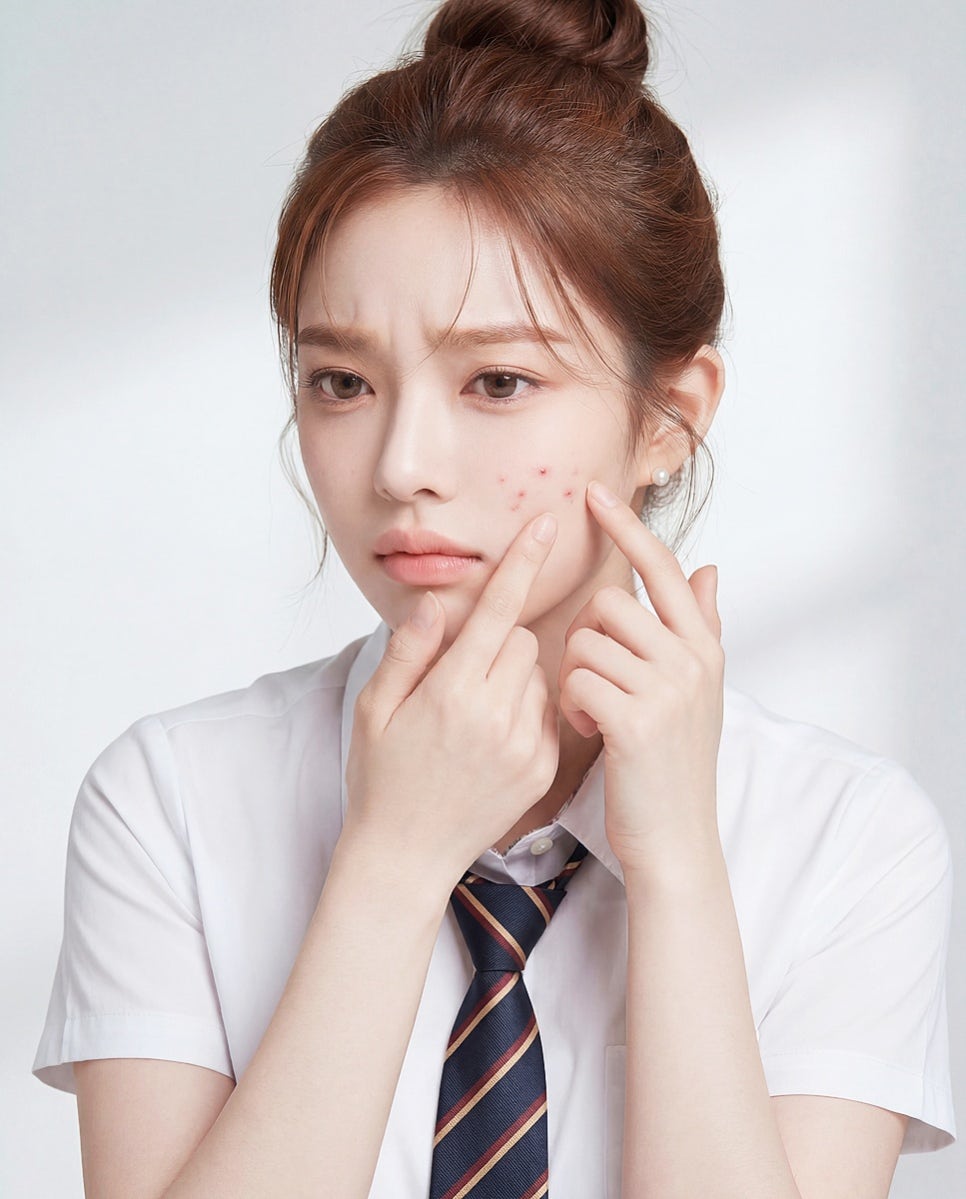
The treatment plan we established together
For the patient I mentioned earlier,
we first focused on calming
the active acne.
After combining sebum control
and scaling and allowing the condition
to stabilize, we planned to treat
the remaining red marks with IPL
and refine the texture of the slightly indented scars
with CLO Scar Restoration, in that order.
When active acne is present,
it is important not to rush into scar treatment
and to follow the proper sequence.
Above all, I advised the patient
to reduce all-nighters,
switch to gentler cleansing,
and take care of these lifestyle habits together.
In this way, Bundang acne treatment
is not something that ends with a single procedure.
It is closer to a process of supporting the skin
as it finds its natural rhythm again.
I hope you will not put it off simply because of your age
When people rely on the belief
that acne will disappear with age
and put off treatment for too long,
I often see the marks and scars
remain longer than the acne itself.
Of course, everyone's skin and causes
are different, so there is no single answer
that applies to everyone.
That is why I always keep
natural results without excess
and honest medical care in mind.
If you have been considering Bundang acne treatment today,
I am leaving this post with the hope
that you will not dismiss the signals
your skin is sending as being caused only by age.
I hope your skin becomes
a little more comfortable.
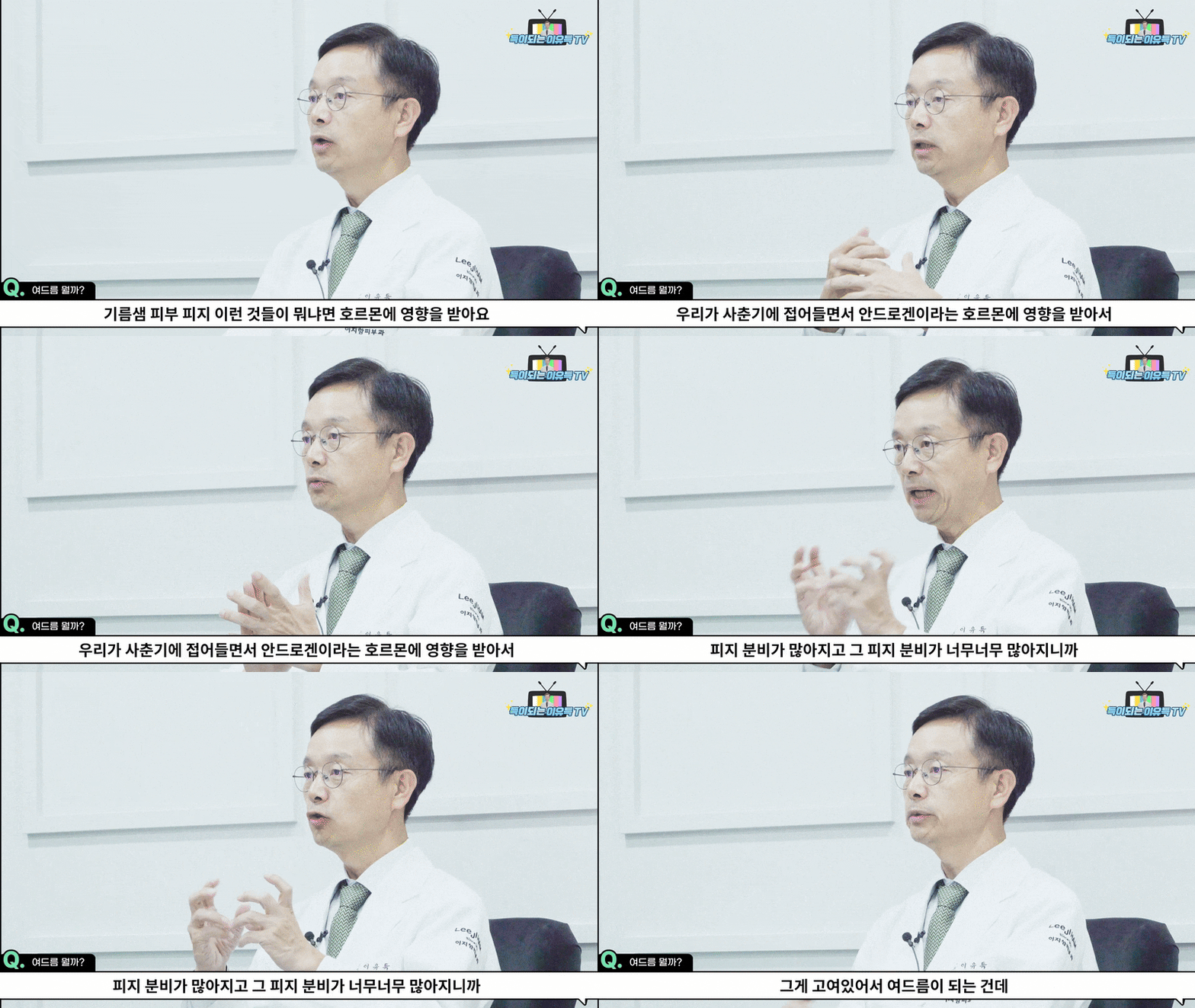
Questions the director often receives in the consultation room
Q1. Why does acne develop
even after we become adults?
Adult acne often develops through
a combination of hormonal changes,
stress, and sleep and eating habits.
While adolescent acne tends to appear
on the forehead and cheeks,
adult acne tends to recur
in lower areas such as the chin and around the mouth,
so it can be helpful to examine the causes first.
Q2. Is it okay to squeeze acne
with my hands to get rid of it?
Squeezing too forcefully can deepen inflammation
and make marks more likely to remain.
The more an acne lesion is festering beneath the skin,
the more we recommend managing sebum
and inflammation according to the skin's condition
rather than touching it yourself.
Q3. What are the benefits
of getting help from a dermatologist?
At-home care naturally has its limits,
but at a dermatology clinic,
sebum control, the management of dead skin cells
and sebum, and care for marks
can be addressed in stages.
The biggest difference is that we identify
which stage your skin is in
and establish the proper sequence.
Q4. Are the procedures very painful?
Scaling causes little irritation,
while AtLaser and IPL may cause
a prickling sensation and warmth.
If necessary, we apply numbing cream
in advance, so you do not need to worry too much.
However, the level of sensation
varies slightly from person to person.
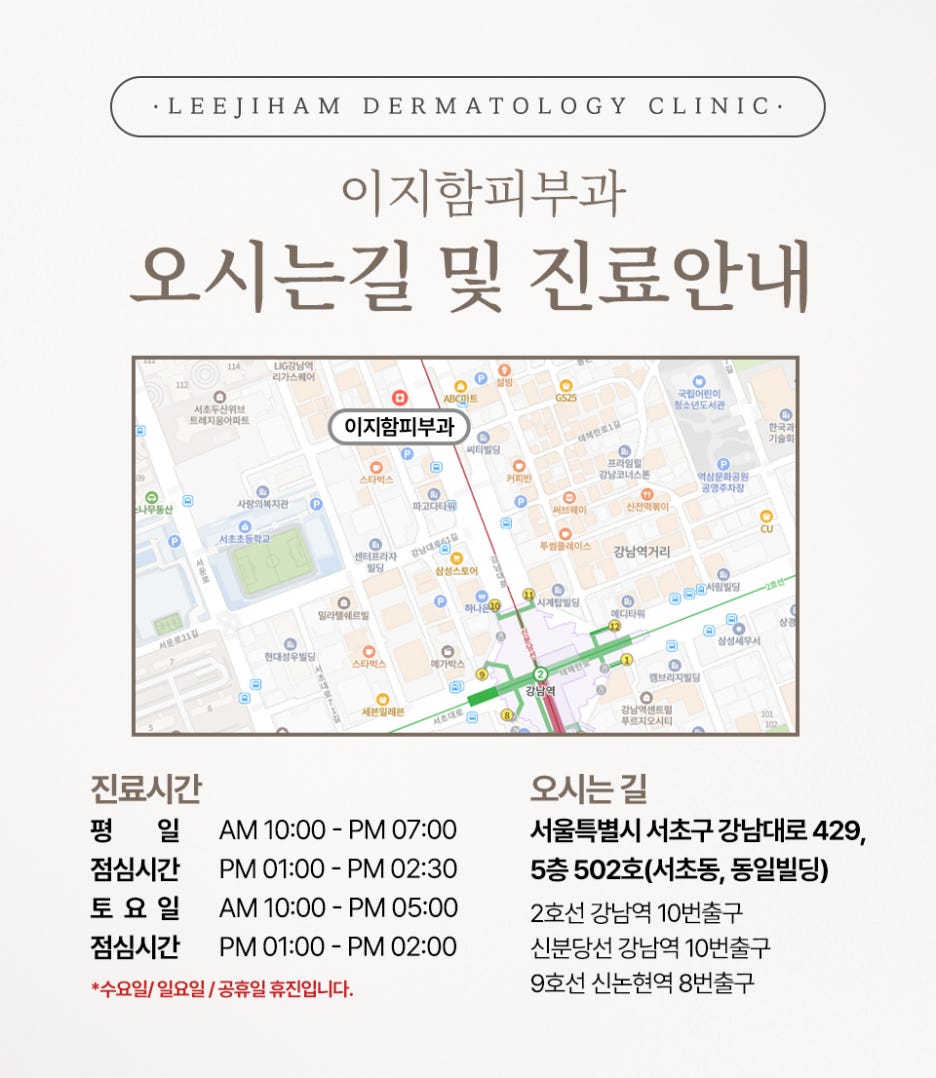
📍 Location
429 Gangnam-daero, Seocho-gu, Seoul,
5th floor, Room 502 (Seocho-dong, Dongil Building)
Near Gangnam Station and Sinnonhyeon Station
☎ Telephone | 02-567-5900
🕒 Consultation hours
· Monday, Tuesday, Thursday, Friday: 10:00–19:00
· Saturday: 10:00–17:00
· Lunch break: Weekdays 13:00–14:30
· Closed: Wednesday, Sunday, and public holidays
Easyham Dermatology
is located at 429 Gangnam-daero,
5th floor, Room 502 (Seocho-dong, Dongil Building),
in Seocho-gu, Seoul,
near Gangnam Station and Sinnonhyeon Station.