With a brief greeting,
Today’s story
Hello. I’m Lee Yu-deuk, and at 이지함피부과 I mainly examine skin tone and pigmentation.
Some of you may have been bothered by the feeling that your complexion looks dull no matter how carefully you apply your makeup, or that your makeup keeps getting thicker as blemishes gradually increase.
If you are worried that strong lasers may be too irritating, yet skincare products alone have not been enough, today’s discussion may be helpful.
In this post, I’ll calmly整理ate when to consider dual toning for hyperpigmentation and what else should be examined alongside it.
After reading to the end, you should be able to take away at least one small standard for judging whether this approach may suit your skin.

A person who had been searching for answers
for a long time
Not long ago, someone quietly shared these feelings with me.
“I’ve been going to dermatology clinics for five years already.
I’ve spent a lot of money,
but my skin only seems brighter for a short while,
and soon becomes dull again.”
They said that as they began staying up late more often,
their facial complexion became noticeably duller,
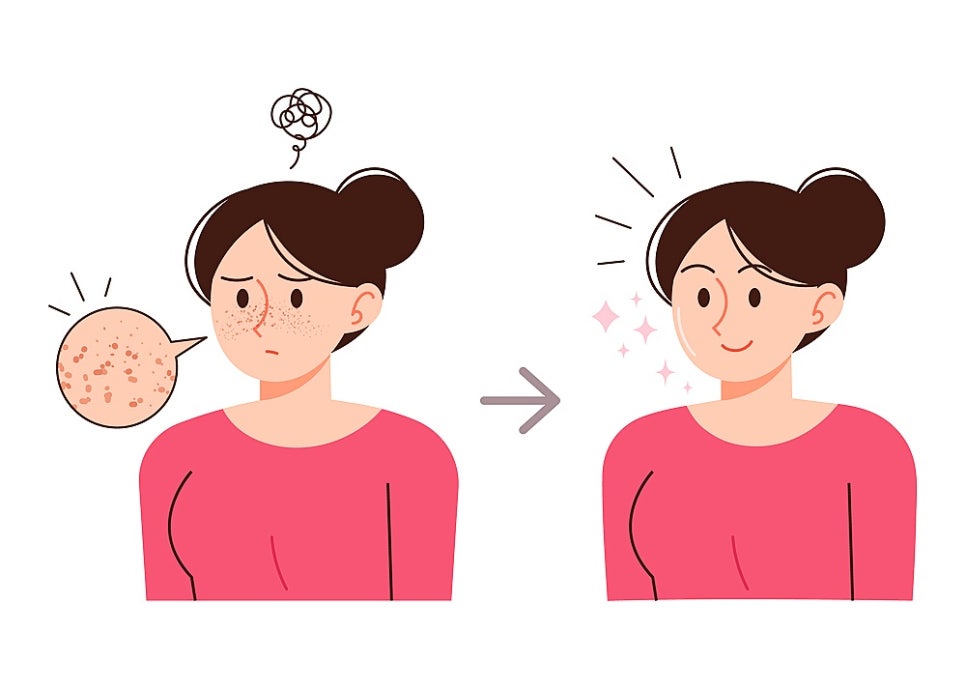
while blemishes gradually spread,
making them difficult to cover with makeup.
At the same time, strong procedures felt frightening because of the irritation, and skincare products alone were disappointing, so they felt lost about where to begin.
What kind of procedure is dual toning for hyperpigmentation?
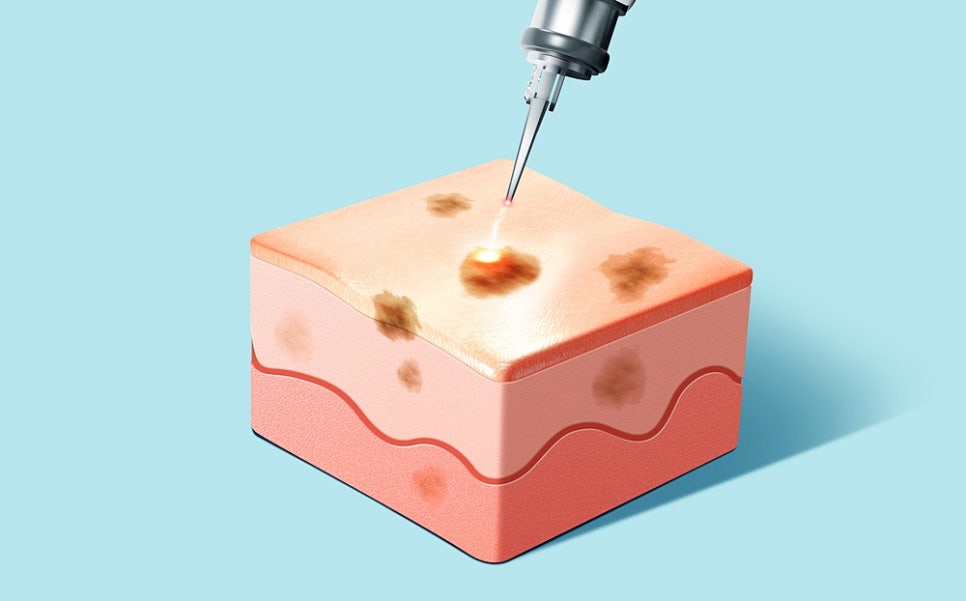
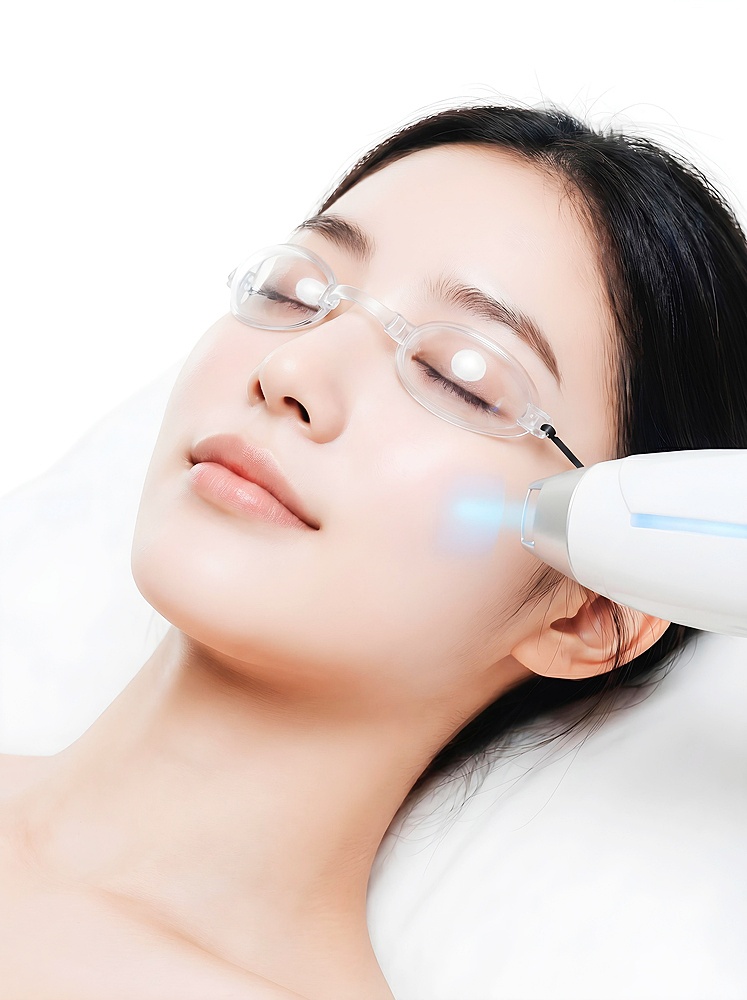
Toning is not a method that uses strong energy to erase pigmentation all at once. It is closer to the concept of using low energy over multiple sessions to gradually disperse the pigmentation.
The term “dual” means that two wavelengths of light are used together to gently address both light blemishes on the epidermis and deeper melasma in the dermis.
Rather than vigorously scrubbing away a dark patch, it may be easier to think of it as gently lightening it little by little with a soft eraser.
The nature of this approach is that it addresses pigmentation across both the epidermis and dermis in stages, rather than applying an intense treatment to everything at once.
When to consider dual toning for hyperpigmentation
So, who might this procedure suit well?
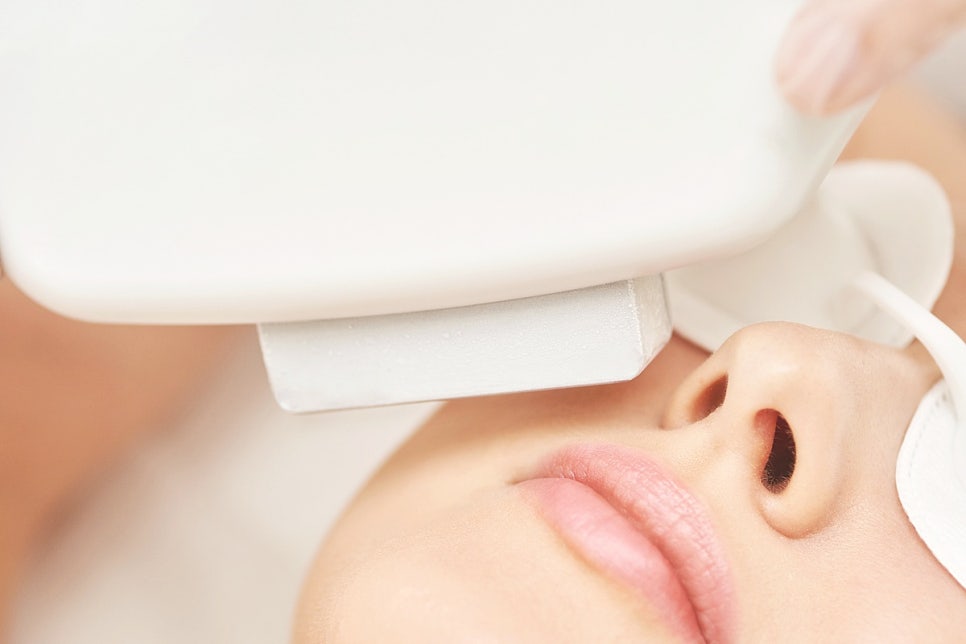
It may be worth considering if your skin is sensitive to irritation and strong laser treatments feel burdensome.
It may also help even out the tone when your entire face has become subtly dull, rather than when you have just one specific blemish.
Because pigmentation located deep in the dermis, such as melasma, is difficult to remove intensely in a single treatment, this type of gradual approach may be suitable.
It can also be discussed when you want to consistently manage longstanding pigmentation or pigmentation that keeps returning despite not fading easily with IPL.
On the other hand, if a single blemish is clearly prominent, another method targeting that specific area may be more suitable.
That is why I believe the first step is to calmly consider what should be examined first.
Is toning alone enough? Other factors to consider
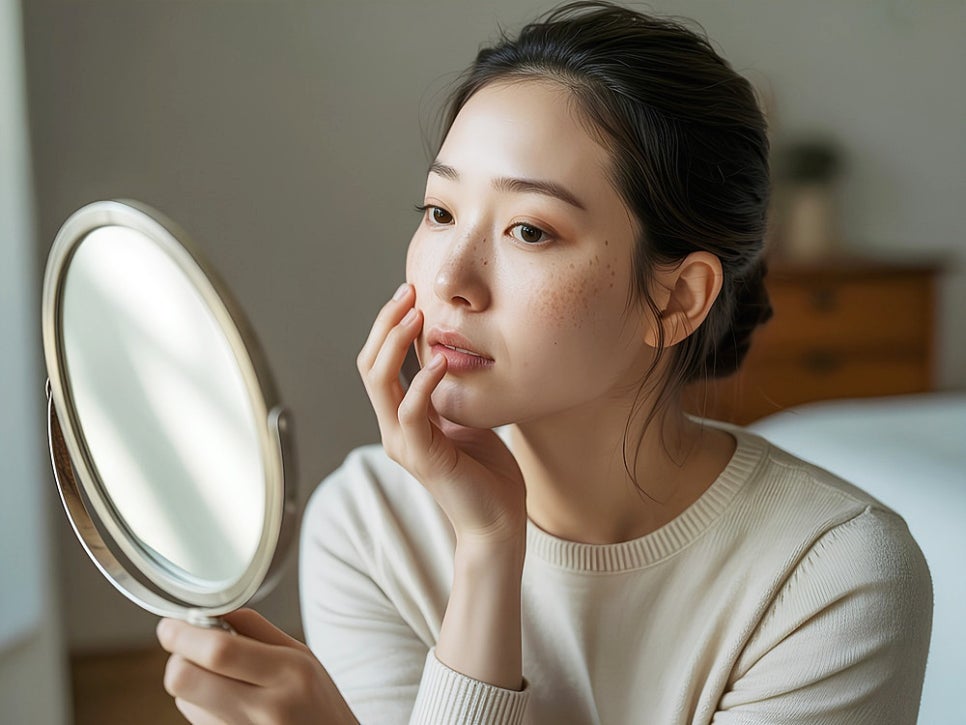
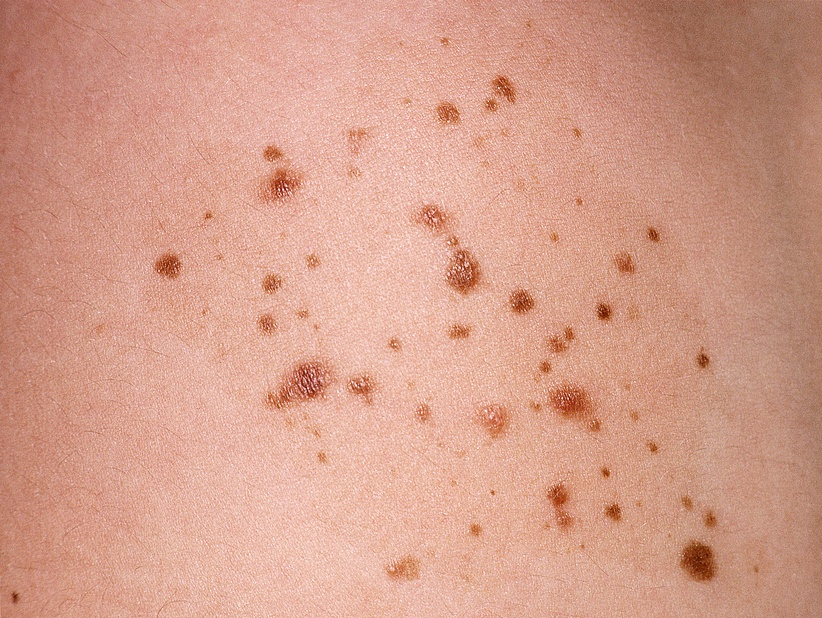
Pigmentation can have slightly different characteristics depending on its type.
Blemishes or freckles that lie shallowly in the epidermis may fade relatively easily with IPL, while deep and persistent melasma is often managed with continued toning alongside brightening care.
For this reason, dual toning for hyperpigmentation is often combined with IPL and brightening care.
The treatment plan can be adjusted so that skin texture is also smoothed together.
During the procedure, you may feel a stinging sensation and warmth, and those who are sensitive may receive help from applying numbing cream beforehand.
Immediately after the procedure, the pigmentation may briefly appear darker, but this is a commonly temporary reaction.
The number of treatments needed and the degree of reaction may differ from person to person, so you do not need to become overly impatient.
Please also keep sun protection close at hand in every season.
What I told that person, and today’s summary
That day, we also considered whether it might be better to gradually even out the skin tone while reducing irritation, rather than trying to erase everything at once.
Pigmentation is often better approached with consistency than impatience, and the skin may feel more comfortable as a result.
What we always keep in mind is helping you maintain a comfortable-looking face for a long time, rather than pursuing excessive change.
I hope you will also take your time to consider whether dual toning for hyperpigmentation is right for your skin.
.
Dr. Lee Yu-deuk answers directly
Q1. Why consider dual toning?
A. It is an approach to consider when strong laser treatments feel burdensome or when you want to gently address deep, subtle pigmentation over time.
It uses low energy over multiple sessions in an effort to reduce irritation.
Q2. How long will the effects last?
A. It varies depending on the type of pigmentation, lifestyle habits, and sun protection.
Pigmentation that tends to return, such as melasma, may benefit from consistent management rather than a single treatment.
Q3. How is it different from skincare product care?
A. Skincare products primarily soothe the skin’s surface, while clinical procedures target the layer where the pigmentation is located.
Using both together can therefore support one another.
Q4. Will it hurt?
Can I apply makeup right away?
A. You may feel a stinging sensation and warmth, so numbing cream can be used if needed.
On the day of the procedure, avoid makeup to reduce irritation. From the following day, it is advisable to use gentle products and sunscreen.
Q5. Can I receive the treatment in summer?
A. You can, but because ultraviolet rays are stronger in summer, pigmentation may be more likely to return.
For this reason, we may adjust the treatment intensity, pay closer attention to sun protection, and comfortably recommend the period from fall through spring.
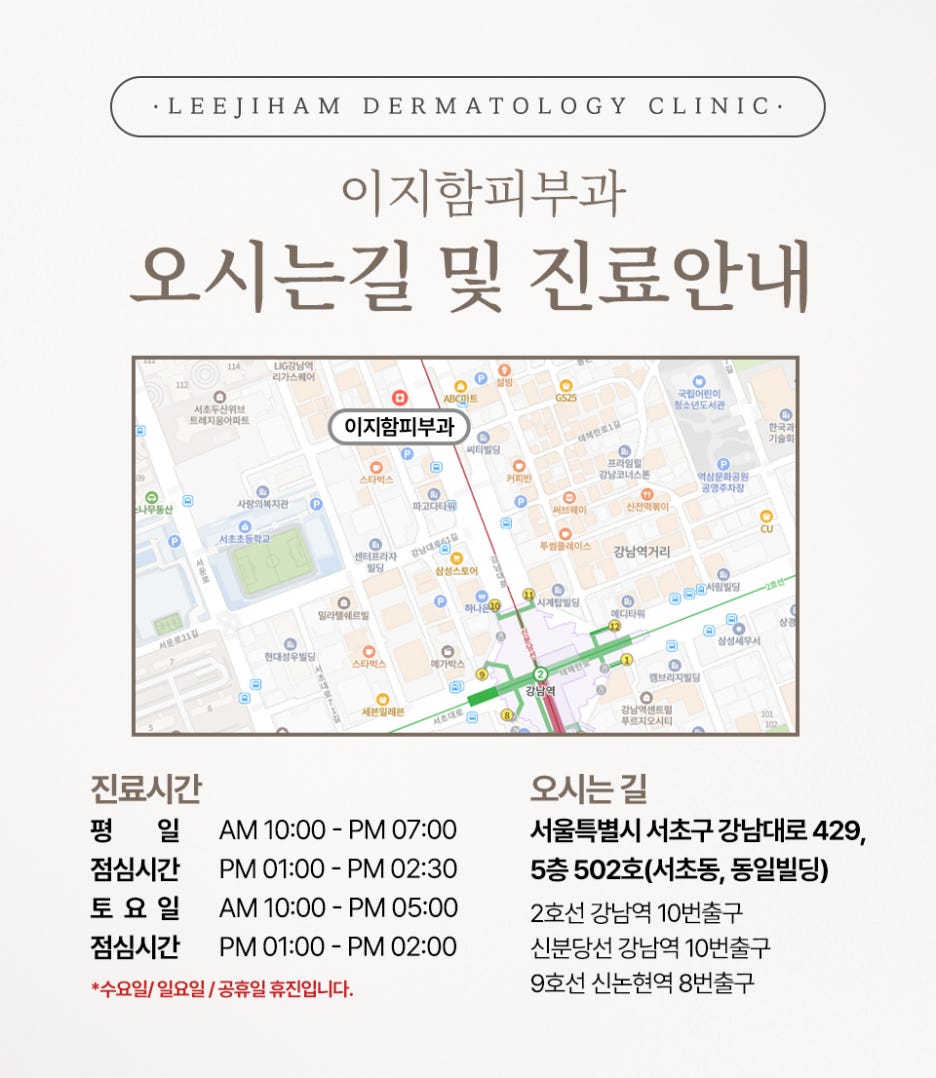
이지함피부과 Information
📍 Location
5th floor, Suite 502, 429 Gangnam-daero, Seocho-gu, Seoul
(Same building)
It is near Gangnam Station and Sinnonhyeon Station.
📞 Phone
02-567-5900
🕙 Clinic hours
Monday, Tuesday, Thursday, Friday 10:00–19:00
Saturday 10:00–17:00
Weekday lunch break 13:00–14:30
Closed Wednesday, Sunday, and public holidays
Please note in advance that appointments may be difficult outside these hours.