With Every Change of Season
A Faint Shadow That Remains in One Place
Have you ever felt that the tone around your cheeks looks slightly different each time a season passes?
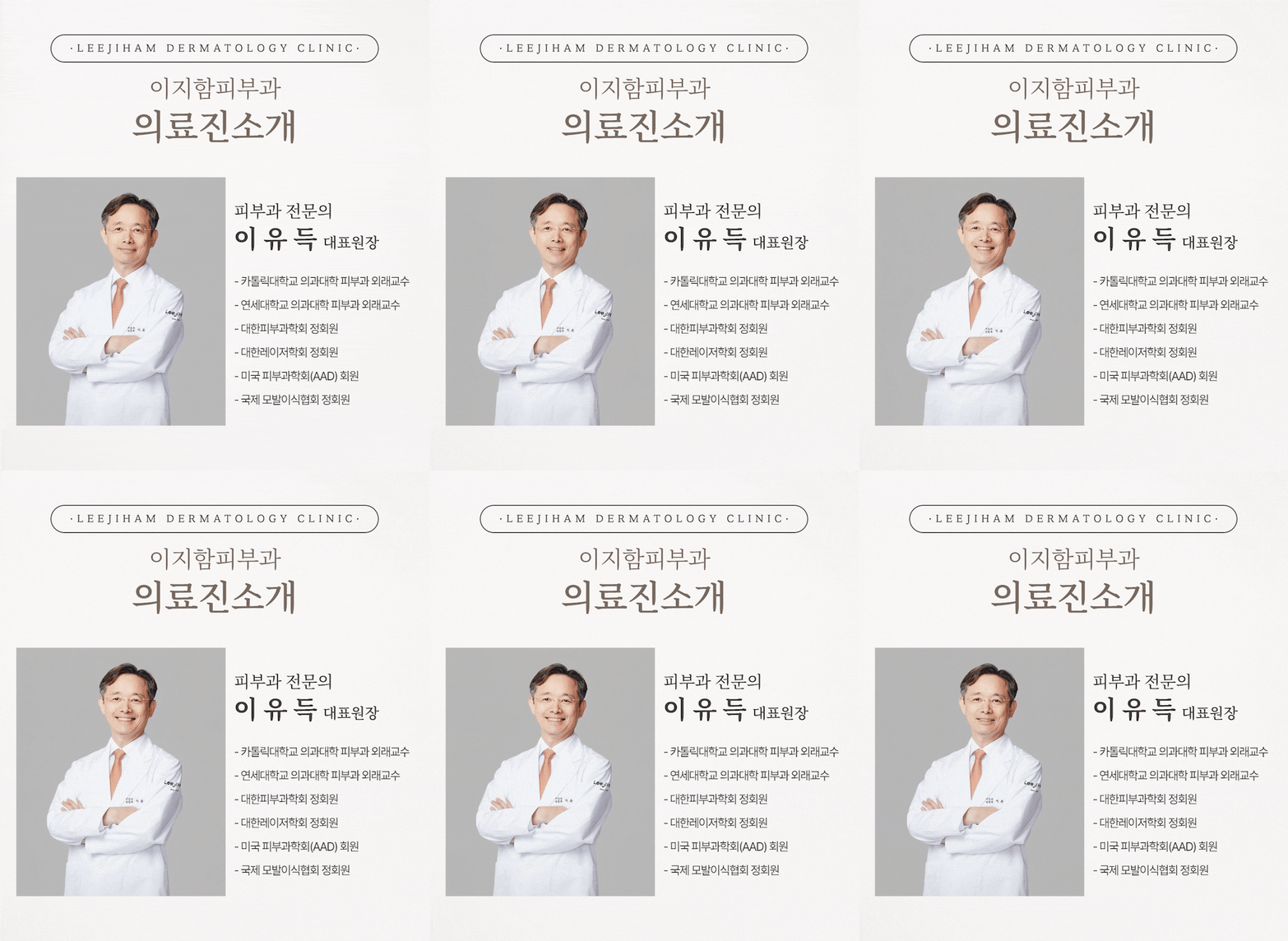
I am Dr. Lee Yoo-deuk, director of Leejiham Dermatology, and the person writing this article.
Today, I would like to talk about the tired feeling most often brought by those looking for a Gangnam melasma dermatology clinic: “No matter how much I apply, it only helps for a while.”
If you have felt discouraged because your skin still looks dull despite trying brightening cosmetics and diligently following a home-care routine, I hope this article will offer a small point of reference for understanding where the pigmentation lies in your skin and how to approach it.
Marks That Had Spread Every Summer for Several Years
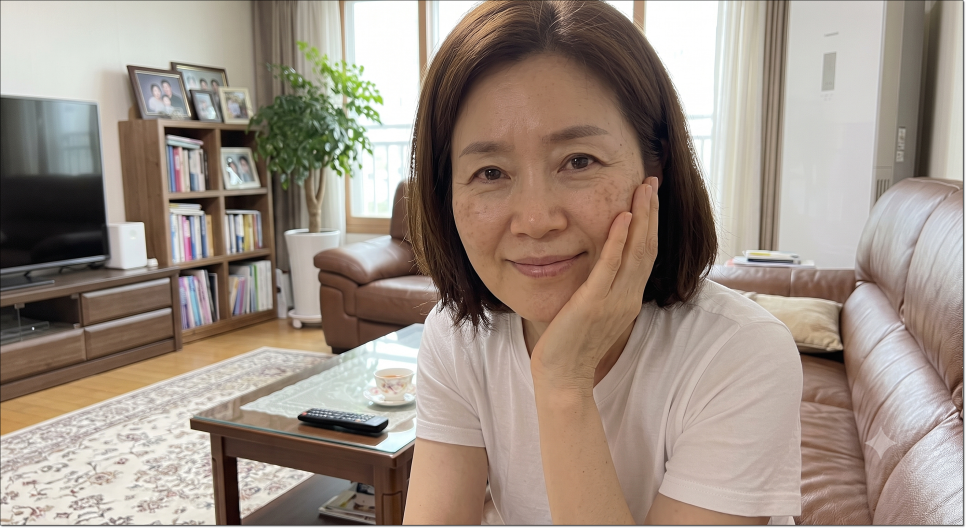
Recently, I met a woman in her late forties in the consultation room.
She told me that while she was busy raising two children, faint brown tones had begun spreading across both cheeks one summer.
At first, she had dismissed it as, “Maybe I’m just tired,” but as the years passed, she felt that the boundaries seemed to be spreading indistinctly, which had weighed heavily on her mind.
She had tried several well-known brightening creams and followed various recommended methods, but said that the feeling of her skin becoming brighter “only lasted briefly.” She quietly confided that she was increasingly worried about whether she would simply have to live this way.
As I listened to her, I was reminded of the faces of many others who had sat before me with similar feelings.
Why Does Melasma Feel Particularly Difficult to Erase?
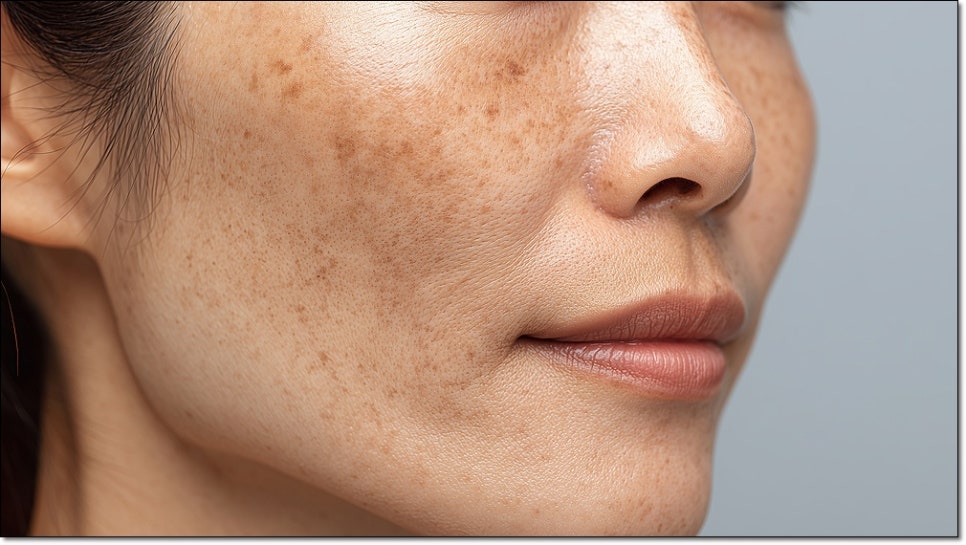
Melasma is a brown or grayish-brown pigmentation change caused by melanin becoming unevenly distributed in various areas of the skin.
It is easy to confuse with freckles or faint blemishes, but the pattern is somewhat different.
Freckles and superficial blemishes often remain in the epidermis, the shallow layer of the skin, whereas melasma can sometimes extend roots into the deeper dermis, making it more demanding to address.
It may help to think of a stain on a window compared with one that has seeped into the inside of the glass.
A surface stain may disappear after one wipe, but a stain that has seeped deep into the glass needs repeated, careful attention before it begins to fade.
In addition, melasma can easily become darker again in response to everyday triggers such as ultraviolet rays, hormonal changes, and stress.
Therefore, when looking for a Gangnam melasma dermatology clinic, it is important to take a “consistent care” approach rather than expect results “all at once.”
Several Ways to Approach Clearer-Looking Skin
So, how can pigmentation be approached?
Common options include IPL, which uses a broad range of light to address faint surface blemishes and redness together, as well as laser toning and dual toning, which use specific wavelengths at low intensity over multiple sessions to carefully reach deeper pigmentation.
I often explain that if IPL is like brushing across a broad area, toning is more like slowly removing one layer at a time.
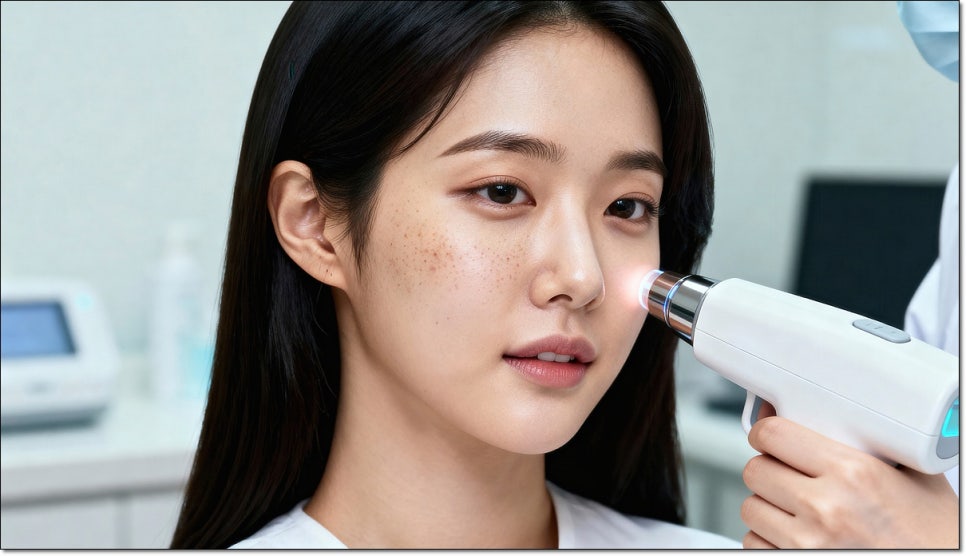
Adding brightening care to even out the overall skin tone may also help create a more refined appearance.
However, the appropriate approach depends on the depth of the pigmentation and the condition of the skin. At a Gangnam melasma dermatology clinic, the first step is to examine not only what is visible but also what lies beneath it, and then determine an appropriate direction.
What I Told Her That Day
I shared similar thoughts with the woman mentioned earlier.
Rather than trying to erase everything at once out of impatience, I suggested that we first identify where the pigmentation is located and then care for it consistently at a pace suited to her.
During the procedure, you may experience warmth or a stinging sensation, so numbing cream can be used if needed.
Immediately after treatment, the pigmentation may temporarily appear darker, or a thin layer of flaking skin may appear. This is generally a natural process that settles over time.
There are individual differences in results and how long they last. I believe it is better to honestly discuss an approach suited to your current skin than to make guarantees like those found in advertisements.
When researching a Gangnam melasma dermatology clinic, I hope you will also consider whether it is a place where you can comfortably have these kinds of conversations.

Toward a Face That Feels Comfortable for Longer, Rather Than Dramatic Change
Melasma is less a concern that disappears overnight than a long-term process of gently caring for the skin in step with the seasons and the body’s rhythms.
That is why, rather than focusing on dramatic changes that stand out, I look more toward a comfortable, natural-looking face that remains so over time.
I hope this article helps those who have been weighing their options for a Gangnam melasma dermatology clinic better understand their skin and find a pace that suits them.
Please do not blame yourself too harshly for your pigmentation. Begin slowly by looking at your skin as it is today.
Frequently Asked Questions · Dr. Lee Yoo-deuk Answers Directly
Q1. Is the treatment approach different for melasma and freckles?
Yes, because the depth at which the pigmentation is located differs.
Freckles and superficial blemishes often remain in the shallow layers and tend to fade relatively easily. Melasma, however, can extend into the dermis, so the approach includes toning and brightening care, along with sun protection to help slow its tendency to become darker again.
Q2. How many pigmentation treatments are usually needed?
It depends on the type and depth of the pigmentation.
Treatments are usually performed over multiple sessions at intervals of two to four weeks. In cases such as melasma, which can easily reappear, consistent care afterward can also be helpful.
The number of sessions is determined together after assessing the condition of the skin.
Q3. The pigmentation looked darker immediately after treatment. Is that okay?
The pigmentation may temporarily appear darker immediately after treatment.
In most cases, it gradually settles along with light flaking over one to two weeks, so there is generally no need for significant concern. During this period, it is especially important to pay attention to sun protection.
Q4. Can I receive pigmentation care during the summer?
It is possible, but because exposure to ultraviolet rays is greater in summer, pigmentation can more easily reappear.
The intensity can be adjusted according to the season, while maintaining sun protection. We may also suggest monitoring the condition between autumn and spring, when ultraviolet exposure is relatively lower.
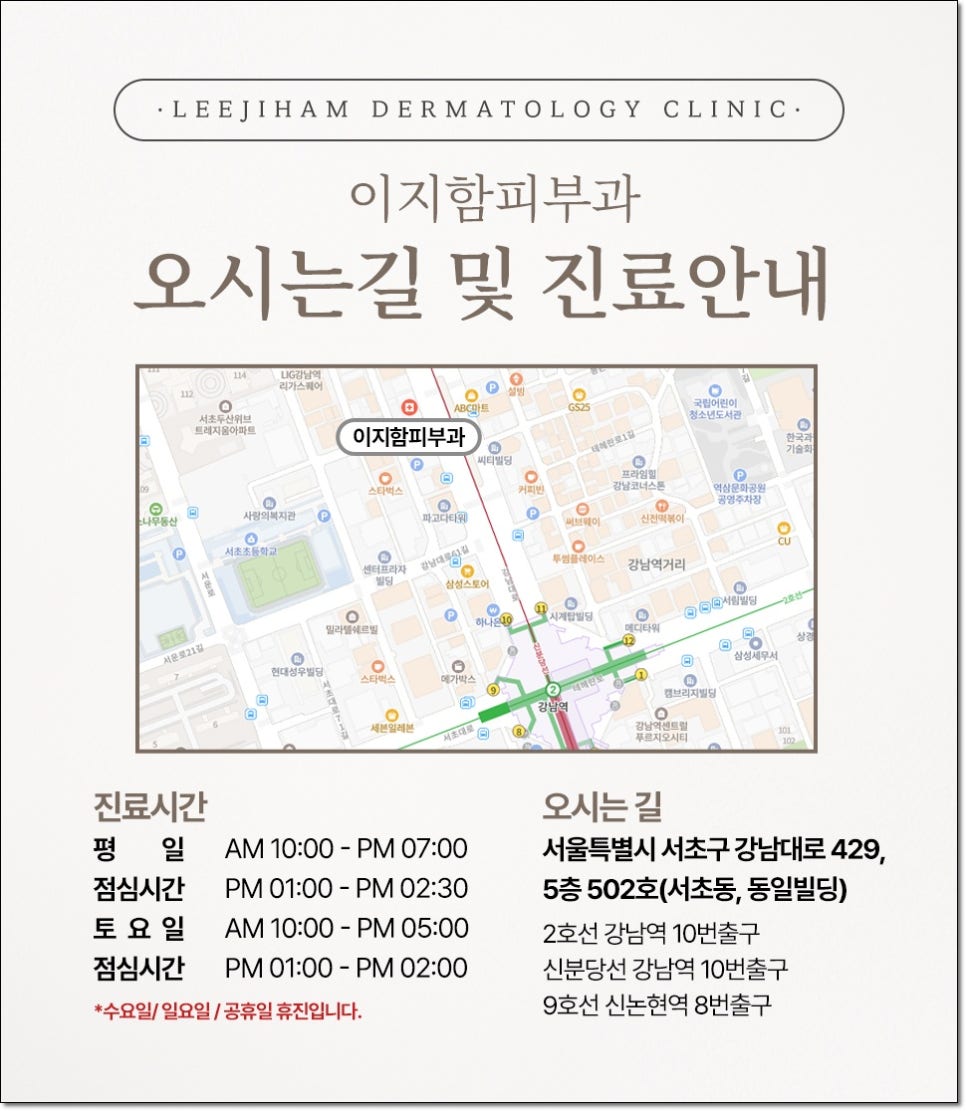
📍 Leejiham Dermatology
Located on Gangnam-daero in Seocho-gu, near Gangnam Station and Sinnonhyeon Station.
502, 5th Floor, 429 Gangnam-daero,
Seocho-gu, Seoul
(Seochodong, Dongil Building)
☎ 02-567-5900
🕒 Clinic Hours
· Monday, Tuesday, Thursday, Friday 10:00–19:00
· Saturday 10:00–17:00
· Lunch Break (Weekdays)
13:00–14:30
· Closed
Wednesday · Sunday · Public Holidays
Located along Gangnam-daero near Gangnam Station and Sinnonhyeon Station, it is conveniently situated for a visit while you are out and about.