Hello.
At Magok Seoul Dia Dental Clinic, we gently explain only what your gums need right now,
so you won’t worry unnecessarily.
February has begun.
It’s time to start taking care of the health topics you put off during winter.^^
So this month,
we’re going to begin with the topic of “gums.”
Something quieter than teeth,
but with a much bigger impact.
That is the gums.
And the first topic is the phrase we hear very often in the consultation room:
“Doctor… my gums bleed when I brush my teeth.”
It can make you worry right away.
“Did I brush too hard?”
“Is there something wrong with my toothbrush?”
But bleeding gums
can be a more important sign than you might think.
Bleeding gums = your gums are in pain
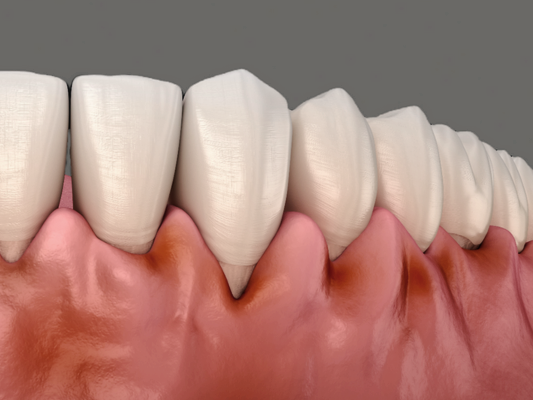
Magok Dental_Gingivitis
If a tooth hurts, you notice it right away.
But gums are different.
They break down quietly, very slowly, without much notice.
At first,
your gums bleed a little when you brush,
they swell slightly,
and your mouth feels oddly sticky.
Then you think:
“Did I brush too hard?”
“Maybe I’m just sensitive today.”
But that may not be the case.
Why does it bleed?
In most cases, the reason is one thing.
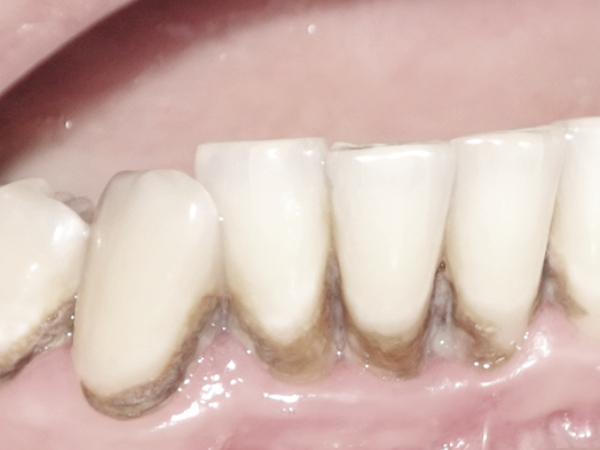
Magok Dental_Plague and tartar formation
It is plaque and tartar.
When residue that was not removed by brushing remains,
bacteria attach to it,
plaque forms,
and over time it turns into tartar.
When this tartar keeps irritating the gums,
bleeding starts even with small stimulation.
So this blood is not a “wound”
it is a sign that inflammation has developed in the gums.
In other words, bleeding when brushing your teeth?
That stage is gingivitis.
Simply put,
it is an early stage of gum inflammation,
it has not yet reached the bone,
and it is still a reversible stage.
“Ah, so it’s not too late yet?”
That’s right.
Now is a time when recovery is still possible.
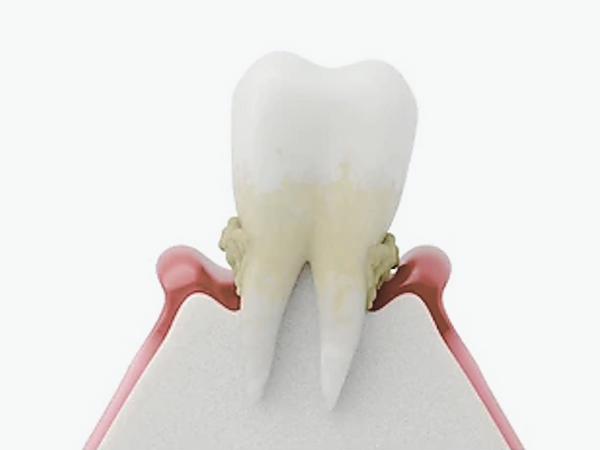
Magok Dental_Shaking caused by severe periodontitis
But if left untreated,
the inflammation spreads down to the jawbone,
and from that point on, it progresses to periodontitis.
The bone supporting the gums decreases,
the strength holding the teeth weakens,
and eventually the teeth begin to loosen.
“But I’m not in pain.”
That is exactly
one of the scariest things about gingivitis.
Even though there is pain,
you feel as if there is no pain.
Because there is almost no discomfort, it is easy to let it pass.
Gums
send signals without a sound.
That signal is bleeding when you brush.
Right now,
your gums are basically saying, “Please take a look at me…”
Do I have gingivitis too?
Self-check list
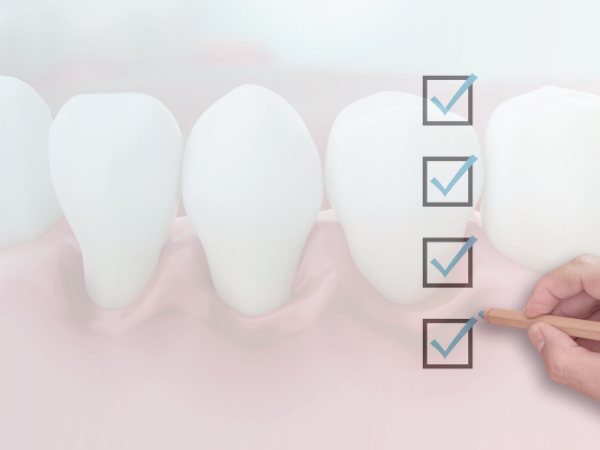
Magok Dental_Gingivitis self-check list
If two or more of the items below apply to you,
there is a high chance that inflammation has started in your gums.
- My gums bleed when I brush my teeth
- My gums are red and swollen
- I often have bad breath
- My mouth feels sticky in the morning
- My gums itch or throb
- Food often gets stuck between my teeth
“Uh… I have quite a few of these.”
Then now is the time to start managing it.
Gingivitis is not too late yet.
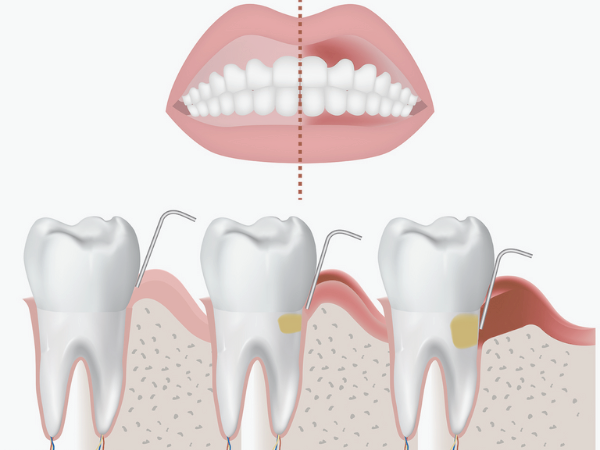
Magok Dental_Stages of periodontal disease progression
Gingivitis is
the last reversible stage.
At this stage,
scaling,
proper brushing,
and basic care alone
can help the gums improve again.
But if you delay,
the situation changes.
Once the inflammation goes deeper
and reaches the jawbone,
from then on,
it cannot be restored to its original state.
That is why now is
the most important timing.
Today’s summary in one line
Blood from the gums
is not a sign that “it’s fine,”
but a sign that says,
“Please check me now.”
Magok Seoul Dia Dental Clinic
At Magok Seoul Dia Dental Clinic,
we consider not only the signals when you are in pain,
but also the signals before pain begins.
Rather than worrying alone by searching online,
feel free to ask about the condition of your gums now.
In the next post, we’ll answer this question:
“If scaling doesn’t work, what is the next treatment?”
It is [root planing and curettage].
The names already sound difficult.^^
So in the next part,
we’ll explain simply how these two treatments are different and when they are needed.
The February gum series
will continue in the next post.
[ This post was written in accordance with the Medical Service Act for the purpose of providing correct information about dental surgeries and procedures. Since infection and side effects may occur after surgery, the surgery (procedure) should be decided after sufficient consultation with a skilled medical team. ]
[ Magok Seoul Dia Dental Clinic Gum Treatment Series]
- Early symptoms of gingivitis and self-check method
- Differences between root planing and curettage
- The stage and process for flap surgery with curettage
- What is guided tissue regeneration (GTR)?
- Pain management and meal guide after gum treatment
- Maintenance care after treatment and regular gum checkup intervals