Hello.
We approach oral care with genuine care,
and help you comfortably understand the current condition of your mouth.
This is Seoul Dia Dental Clinic in Magok-dong.
There was some good news.
It was the news that Kim Sang-gyeom won a silver medal in the 2026 Winter Olympics snowboarding event.
It’s nice to watch the Olympics on a variety of channels...
But the fact that it couldn’t be seen on terrestrial TV.
So this time, it’s a bit disappointing.
Still, the support of the entire nation continues!
(Go Korea!! clap-clap-clap clap! clap!)
That’s enough about the Olympics,
and now let’s get into the dental topic.
In Part 2,
we organized the direction, position, and force 기준 for brushing
more important than brushing three times a day.
If you haven’t seen it yet,
you can briefly review it first.
Today’s content will flow much more naturally.^^
And today’s topic.
It’s a question we hear very often in the consultation room.
“Do I really need to use dental floss...?”
“Isn’t brushing thoroughly enough?”
So today, we’ll explain why flossing matters,
and how to use it properly,
in the style of Seoul Dia Dental Clinic in Magok-dong.
Why is flossing important?
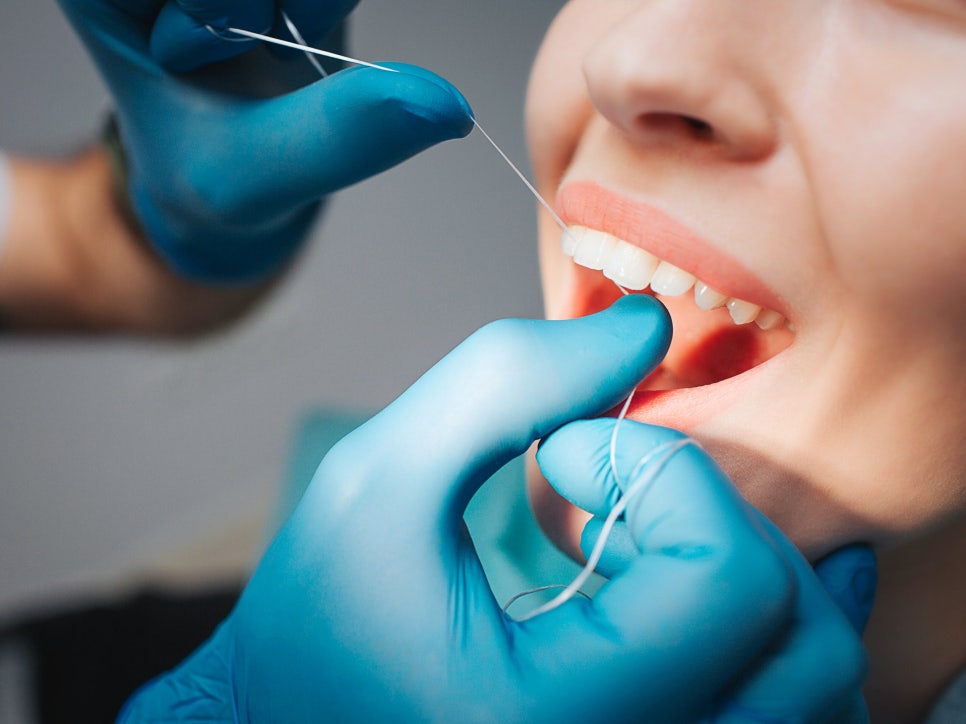
Magok-dong dental clinic_ Cleaning between teeth
To put it simply,
a toothbrush is structurally
not able to fully reach deep between the teeth.
To make it easy to picture the mouth:
Brushing = cleaning the floor
Flossing = cleaning the corners where the walls meet
Even if the floor is clean, dust remains in the corners.
Teeth are the same.
Between the teeth,
bacterial film and food debris
remain more easily than you might think.
That’s why
even if you brush thoroughly,
you can still develop cavities
or have swollen gums.
This is often not a matter of poor care,
but of the limits of where care can reach.
What can happen if you don’t floss
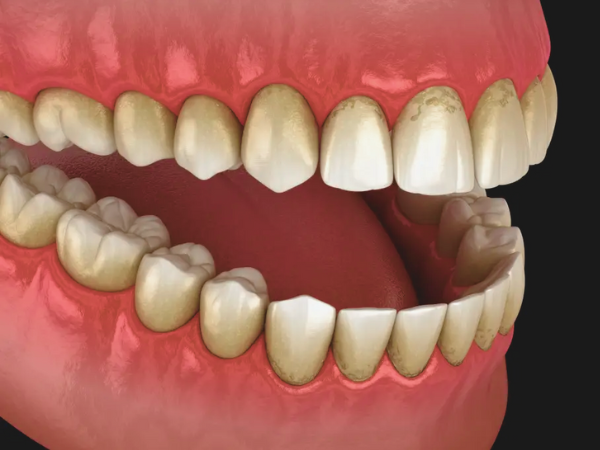
Magok-dong dental clinic_ Gum inflammation
Realistically,
if the spaces between teeth are not managed,
cavities develop more easily,
gums swell more often,
bad breath keeps bothering you,
and tartar builds up faster than expected.
In the end, the goal is one.
Reduce treatment if possible, and use your natural teeth for a long time.
(After all, it’s nice if your teeth can stay with you for a long time too.^^)
How should you use floss properly?
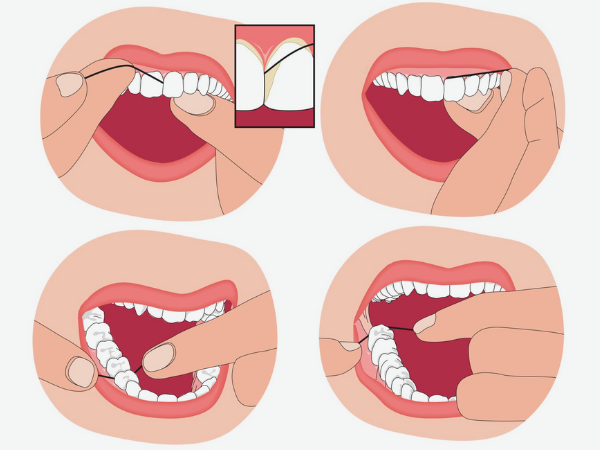
It’s best to floss after brushing.
But that’s not easy...
Then,
once before bed is still enough and very good.
The most important thing is consistency.
Using floss is not as difficult as you might think.
If you know just the method below,
you can use it properly.
- How to use dental floss correctly
① Floss length
Use about 30–40 cm.
Wrap it around both index fingers
and leave about 2–3 cm in the middle,
which makes it much easier to handle.
At first you may think, “Why is it so long?”
but once you try it, this length is actually the most comfortable.^^
② Choosing floss thickness (size)
This is more important than you might think.
If the spaces between your teeth are narrow → thin floss
If there is a little space → regular floss
If the spaces are wide → thick floss or interdental brushes
If floss is too tight, it can hurt the gums,
and if it’s too loose, it won’t remove the bacterial film well.
Simply put,
the best fit is one that goes in gently between the teeth
and still gives you contact.
③ How to insert it between the teeth
Do not force it in.
It’s better to move it gently side to side
and insert it slowly.
④ Wrap it in a C shape
This is the most important part.
Place the floss against the side of the tooth and wrap it in a C shape.
Then move it gently up and down 3–5 times.
Do this on one side of the tooth and the other side as well.
And the section you’ve already used
has bacteria and debris on it.
If you use that same part on the next tooth,
it can actually spread bacteria.
So when flossing,
it’s best to move to a clean section little by little
each time you clean one tooth.
⑤ How to remove it
You can remove it slowly the same way you inserted it.
If you suddenly pull it upward,
it may irritate the gums.
To review today’s content:
Flossing is not special care,
but basic care for the spaces between teeth.
If brushing is for the surface,
flossing is for managing blind spots.
It’s best to do it after brushing at night.
But consistency is important.
Magok-dong dental clinic_ Seoul Dia Dental Clinic
At Seoul Dia Dental Clinic,
we don’t just say,
“Please brush thoroughly.”
We also explain where, why, and how
based on clear criteria.
Because when the method changes,
we have seen the results change as well.
In Part 4,
when do interdental brushes become necessary?
How are they different from dental floss?
Who needs them more?
We’ll explain these criteria
in a practical and easy way.
[ This post was written in accordance with the Medical Service Act for the purpose of providing correct information about dental surgeries and procedures. Treatment methods may vary depending on the individual’s condition, so please be sure to decide after consulting with medical staff. ]
[ Magok-dong Seoul Dia Dental Clinic Oral Care Products Series ]
-
Why does oral care feel thorough but not work?
-
What is the correct way to brush your teeth?
-
Do you really need to use dental floss?
-
When do interdental brushes become necessary?
-
Do you really need to use an oral irrigator?
-
Should you use antiseptic mouthwash every day?
-
Do you really need to use a tongue cleaner?