Hello.
Less unnecessary worry,
and only the dental information you really need
for a lifetime of oral health,
we are Seoul Dia Dental Clinic,
3 minutes on foot from Exit 3 of Magaok Station.
In the previous post, we organized oral care for infants and toddlers (ages 0–3)
based on practical standards.
If you have not read it yet, you may want to start there.
Now, shall we begin Part 2?
As children grow a little older, this moment comes.
Teeth gradually increase,
snacks become more varied, and the moment you even bring up the word “brushing,”
the child’s expression stiffens. haha
And there is a question parents always ask.
“When should proper brushing start?”
“Since baby teeth will fall out anyway, is care really that important?”
“Can’t we just treat cavities when they appear?”
So today, we will explain [oral care for the primary dentition stage]
in a way that is easy for parents to understand.^^
Why are baby teeth important even though they will fall out anyway?
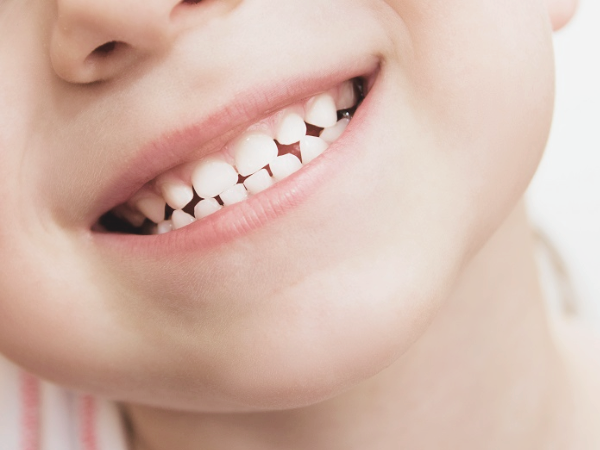
마곡역치과_유치
Usually, around 6 months after birth,
the first baby tooth begins to erupt,
and by around ages 2–3,
all 20 baby teeth are in place.
Then comes the transition period.
Starting around age 6,
teeth begin to fall out one by one,
gradually being replaced by permanent teeth throughout the elementary school years.
But baby teeth...
“Aren’t they just teeth that will fall out anyway?”
That is true.
They are temporary teeth.
But their role is not temporary.
Baby teeth guide where the permanent teeth will erupt
and help direct their path.
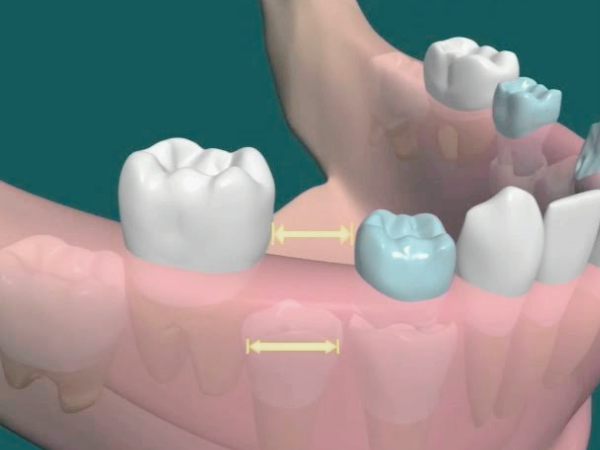
Magaok Station Dental Clinic_When there is not enough space for the permanent tooth to erupt
Imagine children standing in a line,
and the friend standing in front suddenly disappears?
People behind move forward, others squeeze in from the side...
the line quickly becomes disorganized. haha
Teeth are the same.
If a baby tooth falls out too early,
the space for the permanent tooth may become disrupted.
And there is another point.
If cavities make chewing uncomfortable,
children instinctively look for only “easy-to-chew foods.”
Hard vegetables? They will avoid them.
Meat? They will steer clear.
Chewy foods? They will stay away from them.
In the end, the amount they eat may decrease,
or picky eating may increase.
Parents may think,
“He’s just a picky eater...,”
but in fact, it may be because chewing is uncomfortable.
To summarize,
-
Baby teeth begin erupting around 6 months after birth
-
All 20 teeth are complete by ages 2–3
-
They start falling out around age 6 and the replacement begins
-
They guide the space and direction for permanent teeth
-
They play an important role in chewing and nutrition
So baby teeth are not
“teeth used only for a short time,”
but rather the first foundation work of a child’s growth.
That is the easiest way to think about them.
Why do cavities develop so easily during this stage?
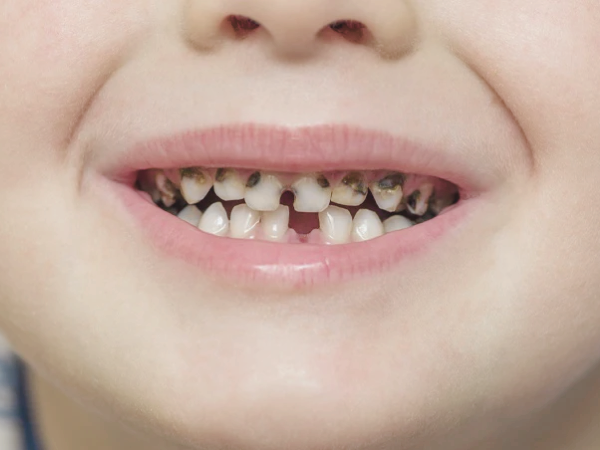
마곡역 치과_유치 충치
Children’s teeth are a little different from adult teeth.
The surface is thinner and weaker.
Simply put,
if adult teeth are like a thick winter jacket,
children’s teeth are more like a thin windbreaker.
So when cavities develop,
they tend to progress quickly.
So far, that has been a story about “tooth structure.”
But there are also practical reasons.
This is the real big one.
Snack intake increases
Brushing cooperation is difficult
The habit of milk or juice before bed remains
Self-brushing is still immature
What happens when these four overlap?
Sugar stays in the mouth longer,
more tooth surfaces remain uncleaned,
and cavity-causing bacteria have more time to act.
In other words, it creates an environment where cavities are more likely to develop.
How to care for oral health during the primary dentition stage
Do you need special skills to care for a child’s teeth?
No.
The key is daily habits.
- Build proper brushing habits
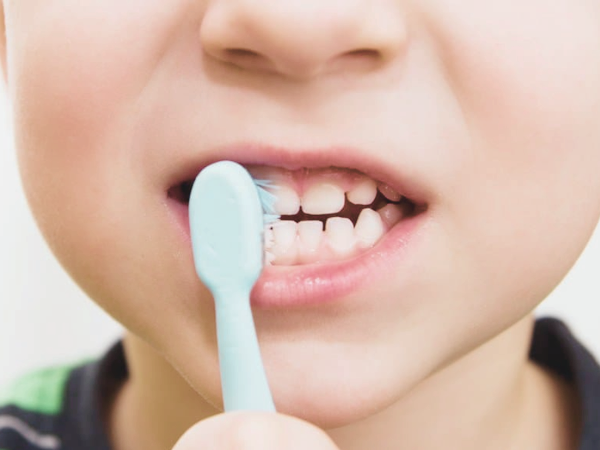
마곡역 치과_양치질
When you let a child brush on their own,
they really do try hard.
They are serious.
There is plenty of foam.
They clearly show, “I brushed my teeth!” haha
First, praise them for doing a good job.
But...
was it actually cleaned properly?
Hmm... that is a separate issue.
For children’s brushing, think of it this way.
Self-practice + parent finishing touch
That combination is the key.
Until the lower elementary school grades,
parents should check the brushing.
Be gentle, as if drawing with a brush,
and pay special attention to the chewing surfaces of the molars.
- Use low-fluoride toothpaste twice a day
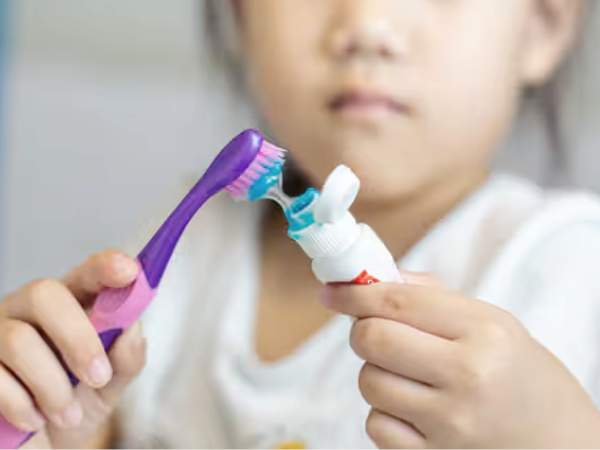
Magaok Station Dental Clinic_Using low-fluoride toothpaste
Because children may swallow toothpaste,
it is better to use low-fluoride toothpaste made for infants and young children.
An amount about the size of a pea is enough.
It is okay if it does not foam much.
It is okay if they cannot rinse well.
The important thing is not squeezing out a lot,
but rather thinking of it as applying a thin protective layer to the teeth.
- Use dental floss between the teeth
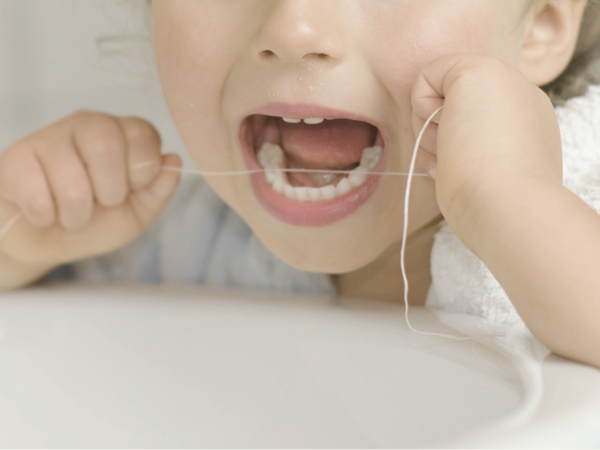
Magaok Station Dental Clinic_Using dental floss for children
There are places where a toothbrush is not enough.
That is between the teeth.
Cavities between the teeth are difficult to prevent with brushing alone.
When the molars begin to touch each other,
parents should clean between them carefully with floss.
- Apply fluoride at the dental clinic
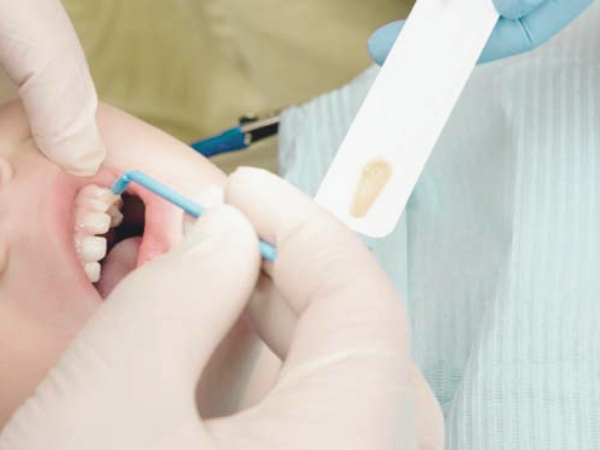
Magaok Station Dental Clinic_Fluoride application
Fluoride helps strengthen teeth
and improves resistance to cavities.
Although it varies by child,
usually 2–4 times a year can be helpful.
Think of it as adding another layer of protection,
like applying a smartphone screen protector.
- Be careful about habits that spread cavity-causing bacteria

Magaok Station Dental Clinic_No kissing around the mouth
Cavities are caused by bacteria.
So,
these behaviors can increase the possibility of spreading cavity-causing bacteria.
There is no need to become overly sensitive,
but it is better to avoid them if possible.
- Reduce sweet, sticky snacks

Magaok Station Dental Clinic_Restrict sweet, sticky snacks
We can’t leave out the snack topic.
Candy, jelly, and caramel,
sweet and sticky snacks
stay on the teeth for a long time and increase cavity risk.
Rather than banning them completely,
reducing the time and frequency of eating them
is the more realistic approach.
- Get regular checkups
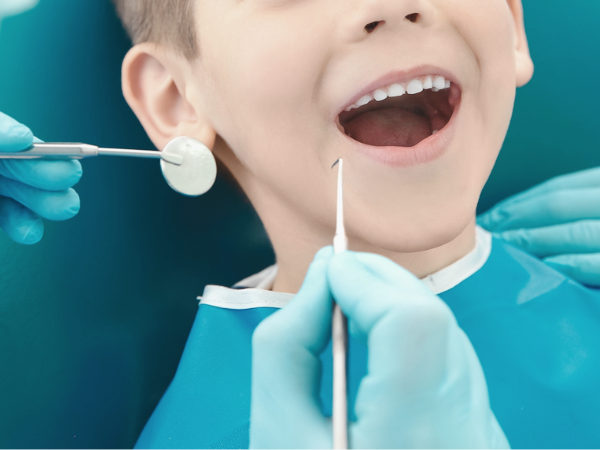
Magaok Station Dental Clinic_Children’s oral checkup
Children’s cavities?
In the early stages, they do not hurt.
So the child does not know.
And parents may also have trouble noticing them.
On the surface everything may look fine,
but inside, they may be progressing quickly.
The conclusion is simple.
That is the key to regular checkups.^^
Key summary (If you remember only this, that is enough)
-
Self-brushing + parent finishing touch
-
Low-fluoride toothpaste, pea-sized amount
-
Use floss to care for the spaces between teeth
-
Fluoride application 2–4 times a year
-
Be careful with sharing spoons, blowing with the mouth, and kissing around the mouth
-
Control the frequency of sweet, sticky snacks
-
Early detection through regular checkups
Seoul Dia Dental Clinic, Magok-dong
Brushing can feel like a battle,
cutting back on snacks is difficult,
and when you say it is time to go to the dentist, they cry...
Many parents have the same concerns.
But there is no need to feel burdened.
If the direction is right, you are already doing well enough.
In the next post,
we will look at oral care for school-age children and teenagers (ages 8–18).
Wishing your daily life to be more comfortable and enjoyable,
free from dental worries,
we will end today’s Seoul Dia Dental Clinic story here on a pleasant note.
Next time as well,
we will come back with content that makes you think,
“Oh, it would be good to know this in advance,”
keeping it light,
but filled only with the information you truly need.
[ This post was written in accordance with the Medical Service Act for the purpose of providing accurate information about dental surgeries and procedures. Infection and side effects may occur after surgery, so the procedure should be decided only after sufficient consultation with a skilled medical professional. ]
[ Seoul Dia Dental Clinic Life-Stage Oral Care Series ]
-
Infants and toddlers (ages 0–3)
-
Children in the primary dentition stage (ages 4–7)
-
School-age children & teenagers (ages 8–18)
-
Early adulthood (20s–30s)
-
Early middle age (40s)
-
Middle and older adulthood (50s–60s)
-
Senior years (70s and older)