Hello.
A 3-minute walk from Exit 3 of Magok Station,
we are Seoul Dia Dental Clinic, a place you can visit without 부담.
In the previous post,
we organized oral care methods for the primary tooth stage (ages 4–7)
from a parent’s perspective.
If you haven’t seen it yet,
you may want to read that first.
If you do,
you’ll be able to understand much more easily,
“Ah, so that’s why care is important right now.”
As children enter elementary school
and move into adolescence,
parents’ role decreases, but
new concerns begin.
Can I trust it when they say they brush on their own?
Is care even more important once orthodontic treatment starts?
Why do cavities suddenly increase?
Children’s oral care
can feel like one hurdle after another.
So today,
we’ve prepared this with parents in mind.
From [school age to adolescence (ages 8–18)],
we’ll easily organize the key points of oral care you absolutely need to know,
in the style of Seoul Dia Dental Clinic near Magok Station.
Why do cavities increase during this period?
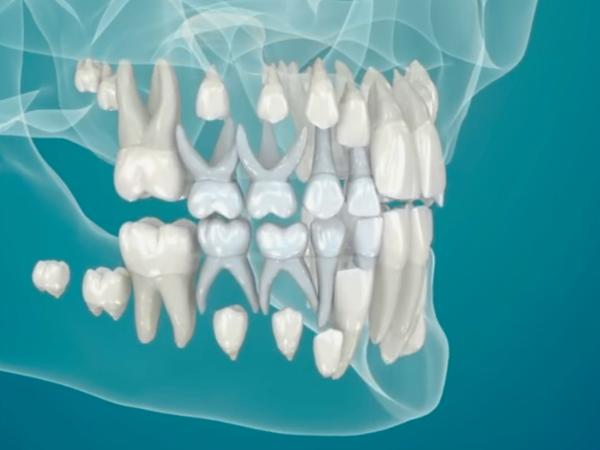
Magok Station Dental Clinic_Mixed dentition period
Just like infancy and the primary tooth stage,
this is also a period when the environment becomes higher risk.
After entering elementary school,
daily routines change.
-
More freedom in snack choices
-
Increased consumption of carbonated drinks and sugary beverages
-
Irregular brushing times
-
Less parental supervision
-
Late bedtimes and late-night snacking habits
And one more thing.
This is the period when the permanent molars
that will be used for life are just erupting.
This period is called the mixed dentition stage.
There are teeth that are falling out,
new teeth that are coming in,
and differences in height,
so there are many areas a toothbrush has a hard time reaching.
Also, newly erupted permanent molars
have deep grooves and are still weak,
so food tends to get trapped easily.
That is why cavities often
suddenly increase during this stage.
It’s not because parents are not doing enough;
it’s a period when conditions that make cavities easy to develop are created.
Understanding it this way can make you feel much more at ease.
Permanent molars can be protected with sealants
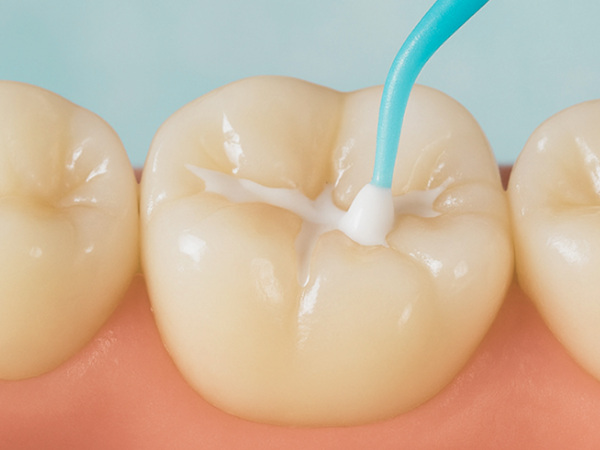
Newly erupted permanent molars
have deep grooves and are vulnerable to cavities.
At this time, a helpful preventive treatment is
sealants (filling tooth grooves).
They cover the grooves with a thin protective layer,
reducing food trapping.
Time: right after the molars erupt
Target: permanent molars around ages 6 and 12
Insurance: covered by national health insurance for those under 18
Think of it as a way to protect teeth in advance
before cavities form.
For more details, please check the link below.
Are school-age children really brushing well?
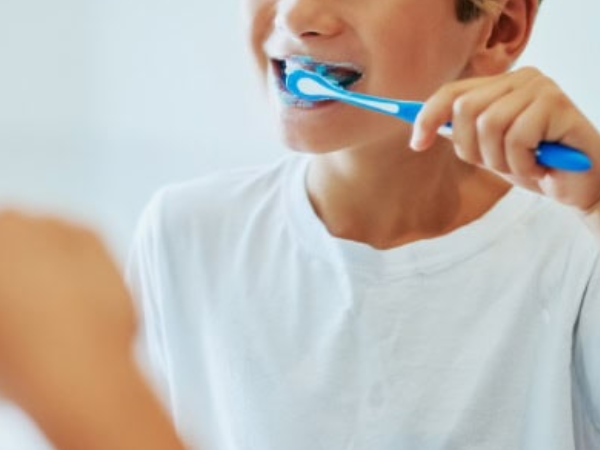
Magok Station Dental Clinic_Brushing for school-age children
When you let children brush on their own,
they do it very diligently.
They look in the mirror,
they watch the hourglass,
and they’re focused in their own way.
That’s a good thing.
Please praise them first.
But...
was it actually cleaned thoroughly?
Well, that’s another matter.
At this stage, brushing is about
self-care + occasional checking.
This combination is important.
Especially after nighttime brushing,
if parents check once,
the preventive effect against cavities is much higher.
Until the lower elementary grades, checking is important,
and as children move into adolescence,
the habit of self-management determines oral health.
Flossing becomes essential from this stage
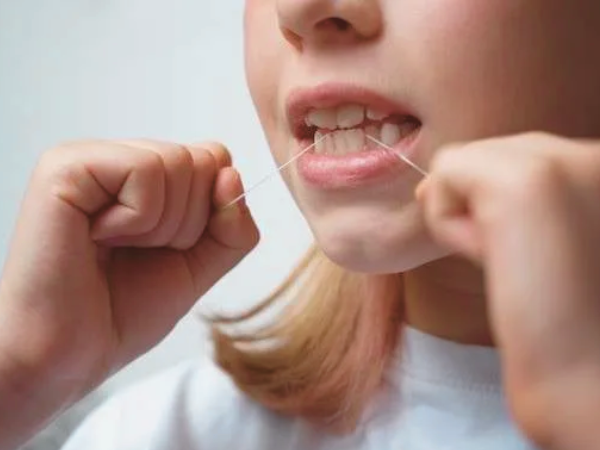
Magok Station Dental Clinic_Using floss
Once permanent teeth begin to settle in,
the spaces between teeth become tighter.
A toothbrush alone
has difficulty cleaning between teeth.
That is why flossing is
not optional, but essential care.
It may feel awkward at first,
but after a few days, it becomes familiar.
It becomes as natural as putting on socks
If orthodontic treatment is underway, care becomes even more important
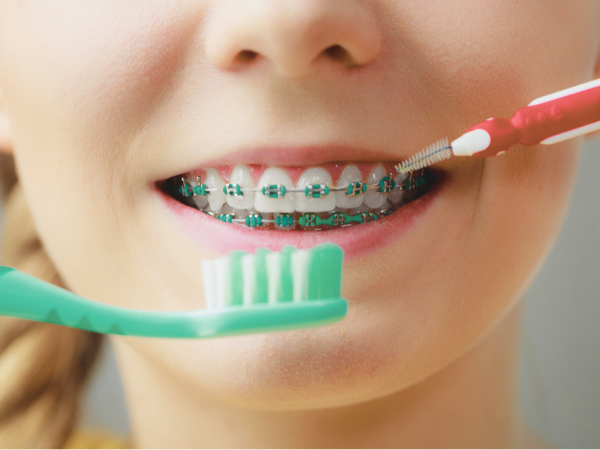
Magok Station Dental Clinic_Oral care during orthodontic treatment
This is because school age and adolescence are periods when the jaw is still growing,
and tooth movement is relatively smooth,
making it a good time to benefit from orthodontic treatment.
Also, since this is when the permanent teeth lineup is completed,
crooked teeth, protruding teeth, and malocclusion
are often corrected during this period.
But if you are wearing orthodontic appliances,
food gets trapped more easily.
In simple terms,
it feels less like a flat road
and more like a narrow alley with many curves.
That is why care becomes even more important.
It can be a little inconvenient, but if you keep these habits,
they can greatly help prevent cavities and gum inflammation.
Regular checkups are not days you go in for treatment
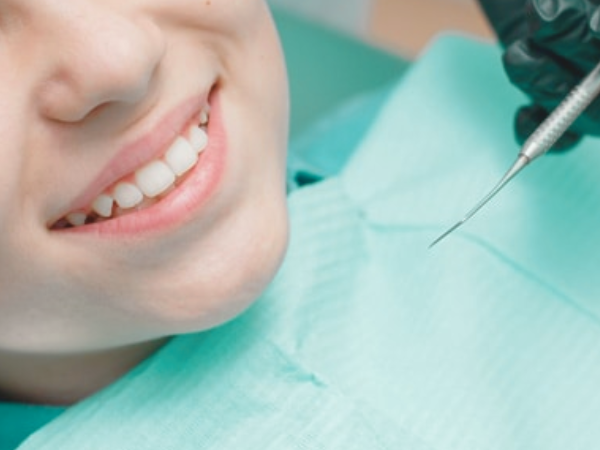
Magok Station Dental Clinic_Adolescent oral checkup
Children’s cavities
are hardly painful at the early stage.
That is why they are often discovered late.
Think of regular checkups
not as the day you go in for treatment after a problem has occurred,
but as the day you discover a problem before it gets worse,
a visit to avoid treatment.
Key summary
(Just remembering this part is enough)
-
Caring for the grooves of molars is the key to cavity prevention
-
Flossing is an essential care step
-
Care is even more important during orthodontic treatment
-
Early detection through regular checkups

Seoul Dia Dental Clinic, Magok Station
Many parents say this:
“Now that they brush on their own, that’s the end of it, right?”
“They’ve entered elementary school, so we can worry less, right?”
Well... this is not the time when care ends,
but the time when children complete their own care habits.
To compare it to a bicycle,
this is the stage when the training wheels come off.
For now, you still need to lightly hold them from the side so they don’t fall.
If you help them set the right direction now,
you’ll be building the foundation for their lifelong oral health.
A parent’s role is not ending;
it is now the beginning of the coaching role.^^
In the next post,
we’ll continue with [oral care for adults in their 20s and 30s]
based on realistic standards.
I hope children’s tooth care
becomes a little less worrying
and a little more comfortable.
Today as well, I hope both children and parents
have a bright, smiling day.^^
This has been Seoul Dia Dental Clinic.
[ This post was written in accordance with the Medical Service Act for the purpose of providing accurate information about dental surgeries and procedures. Because infections and side effects may occur after surgery, the procedure should be decided only after sufficient consultation with a skilled medical professional. ]
[ Seoul Dia Dental Clinic Life-Stage Oral Care Series ]
-
Infants and toddlers (ages 0–3)
-
Children with primary teeth (ages 4–7)
-
School-age children & adolescents (ages 8–18)
-
Early adulthood (20s–30s)
-
Early middle age (30s–40s)
-
Middle age (50s–60s)
-
Old age (70s and older)