Hello.
We are Seoul Dia Dental Clinic, helping you turn dental concerns into comfort near Magok Station.
This is Part 2 of our temporomandibular joint (TMJ) series.
In Part 1, we covered the basics of what TMJ disorders are and why they occur.
Just a moment~
If you don’t remember!
We recommend taking a look back at it when you have a chance. Haha.
Today, we’ll talk about symptoms that many people have overlooked, wondering,
“Could this really be a TMJ problem?”
Headaches that do not improve even after taking headache medicine,
a persistent feeling of tightness in the neck and shoulders,
a feeling of fullness or pain deep inside the ear...
These symptoms may be closely related to the TMJ.
Today, we’ll explain one by one why a problem that starts in the jaw can appear in seemingly unrelated areas.
How Are the TMJ and Surrounding Structures Connected?
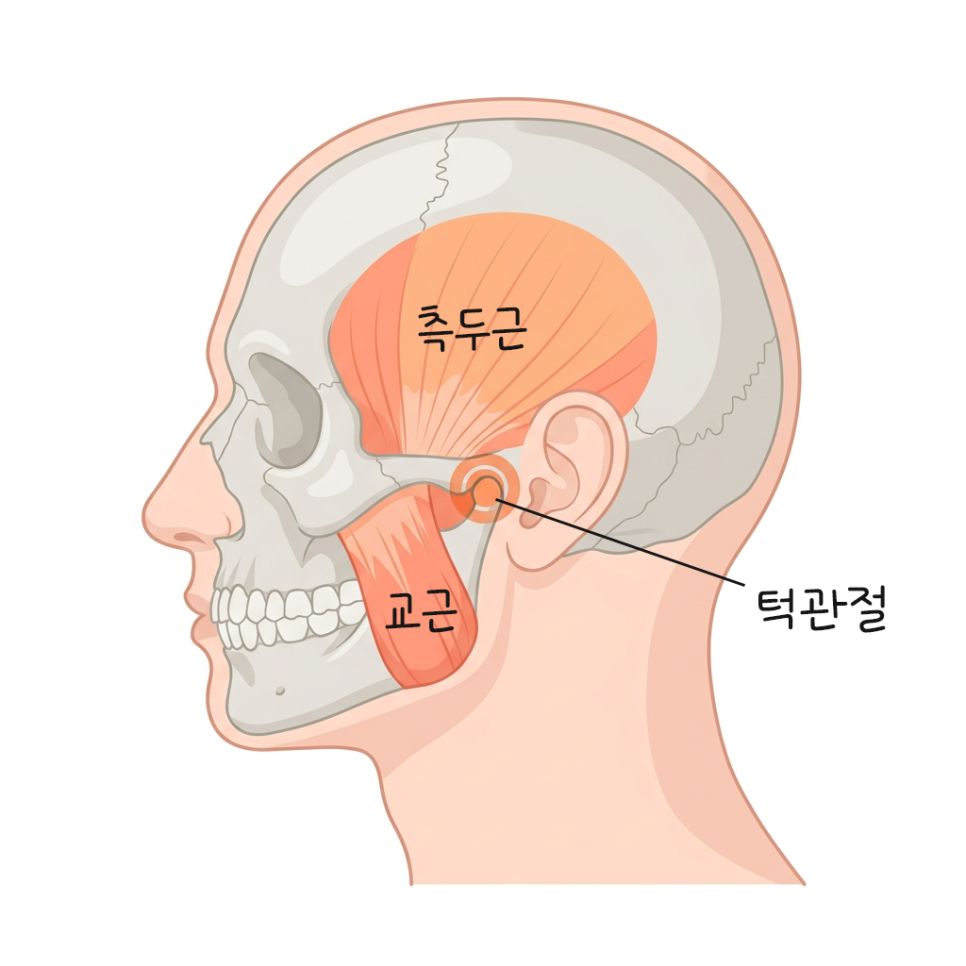
Magok Station Dental Clinic_The Locations of the Temporalis and Masseter Muscles
The muscles that move the TMJ extend across a wider area than you might expect.
The masseter muscle, attached to the cheek,
and the temporalis muscle, located around the temples—
these two muscles are responsible for most of the force used to close the jaw and chew.
However, these muscles are connected to the muscles of the neck and shoulders.
That is why a TMJ problem can affect the neck, shoulders, and even the head.
It is similar to how discomfort in one leg can place extra strain on the other leg and the lower back.
1. Headaches
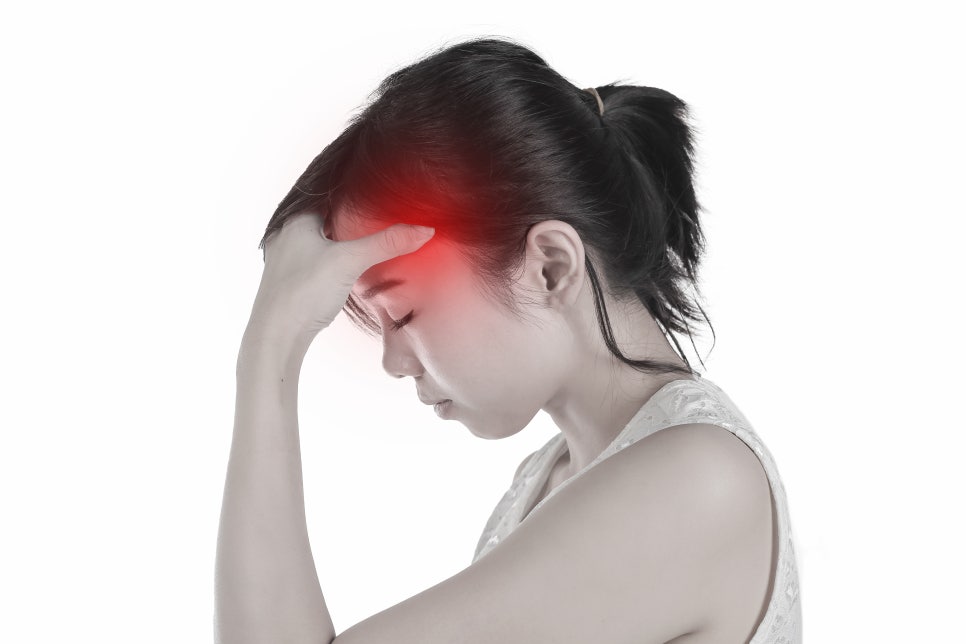
Magok Station Dental Clinic_Headaches
Have you ever experienced headaches that do not lastingly improve even after taking headache medicine?
If the headache feels especially tight around the temples, tension in the temporalis muscle may be the cause.
The temporalis is a broad muscle spread around the temples. If it becomes excessively tense due to teeth grinding or clenching, it can press on the temples and cause headaches.
Even if the headache seems to improve temporarily with medication, it may continue to recur unless the underlying muscle tension is relieved.
If your headaches keep coming back and a neurologist or internist has told you that there is no particular abnormality, it may be a good idea to have your TMJ checked as well.
2. Neck and Shoulder Pain

Magok Station Dental Clinic_Neck and Shoulder Pain
Does your neck often feel tight and your shoulders feel chronically stiff?
If you feel better for a short time after a massage but quickly become tight again, repeating the same pattern,
a TMJ imbalance may be affecting the muscles of your neck and shoulders.
When a problem develops in the TMJ, the body unconsciously tries to compensate for the imbalance.
The neck and shoulder muscles tense up instead and help support the body.
When that tension builds up over time, it can lead to chronic neck and shoulder stiffness.
That is why the problem may continue to recur no matter how many massages you receive unless the underlying TMJ issue is addressed.
3. Ear Pain and Tinnitus
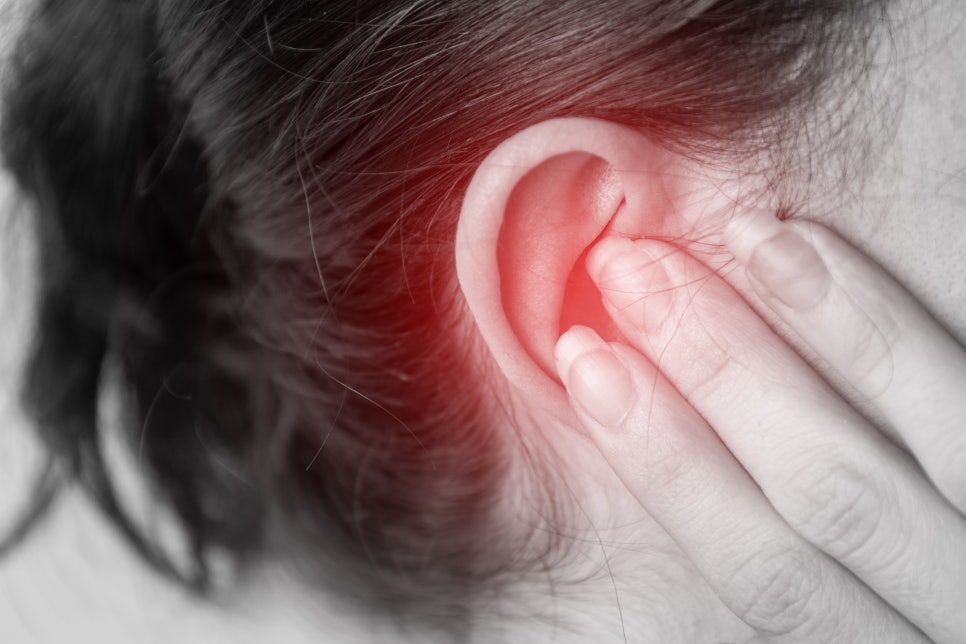
Magok Station Dental Clinic_Tinnitus
The TMJ is located directly in front of the ear.
Therefore, if the TMJ becomes inflamed or the disc shifts out of position, you may experience pain inside the ear, a feeling of fullness, or tinnitus.
Quite a few people who wonder, “My ear is fine, so why does it feel this way?” turn out to have a TMJ problem.
4. Facial Asymmetry

Magok Station Dental Clinic_Facial Asymmetry
Do you have a habit of chewing food only on the right or left side?
When the TMJ feels uncomfortable, many people naturally chew only on the less painful side.
If that habit continues for a long time, only one masseter muscle may become more developed, which can lead to facial asymmetry.
That is why it is important to address the TMJ problem before the asymmetry becomes more pronounced.
5. Sleep Disturbances

Magok Station Dental Clinic_Teeth Grinding
Does your jaw feel stiff or your head feel heavy when you wake up in the morning?
You may be grinding your teeth while asleep.
Because teeth grinding occurs during sleep, many people are unaware that they do it.
However, if it continues, excessive force is placed on the TMJ and surrounding muscles throughout the night, leading to jaw pain, headaches, and accumulating fatigue each morning.
If you repeatedly feel that “sleep doesn’t make me feel rested,” teeth grinding may be something to consider.
If You Cannot Find the Cause in the Jaw, You May Keep Going in Circles
You may visit several hospitals without finding the cause of your headaches,
feel your neck and shoulders tighten again soon after receiving a massage,
and be told by an ear, nose, and throat specialist that there is nothing wrong with your ears. 😥
If this pattern keeps repeating, consider having your TMJ checked.
The TMJ can sometimes be the starting point for more symptoms than you might expect.
At Seoul Dia Dental Clinic, we carefully examine the condition of your TMJ and look together for causes connected to your symptoms.
We offer convenient consultations through Naver TalkTalk and appointments.
Feel free to have it checked without feeling pressured.
Magok Station Dental Clinic_Seoul Dia Dental Clinic
Now, shall we briefly summarize today’s discussion?
-
The masseter and temporalis muscles are connected to the neck and shoulder muscles, so jaw problems can affect the whole body
-
Headaches that do not improve with headache medicine may be caused by tension in the temporalis muscle
-
Chronic neck and shoulder stiffness can sometimes occur as the body compensates for a TMJ imbalance
-
Ear pain or tinnitus can sometimes originate from a TMJ problem
-
If your jaw feels stiff every morning, you may want to consider teeth grinding during sleep
Headaches, neck and shoulder stiffness, ear pain....
The cause of symptoms appearing in seemingly unrelated areas may be the TMJ.
If you have looked for the cause in various places without finding it, consider having your TMJ checked. 😊
In the next installment, we’ll talk about [teeth grinding and clenching].
If you habitually clench your teeth or grind them while sleeping, be sure to check it out!
[ This post was written in accordance with the Medical Service Act for the purpose of providing accurate information about dental surgeries and procedures. Since infections and side effects may occur after surgery, you should decide whether to undergo surgery or a procedure after consulting sufficiently with a qualified medical professional. ]
[ Magok Station Dental Clinic_TMJ Disorder Series ]
“Why Is My Jaw Like This? From Causes to Treatment”
-
“My jaw makes a clicking sound.” What is a TMJ disorder?
-
These Symptoms Can Also Be Signs of a TMJ Problem - The Connection to Headaches and Shoulder Pain
-
Why Do TMJ Disorders Occur? The “Main Culprits” Are Teeth Grinding and Clenching
-
What Happens If a TMJ Disorder Is Left Untreated?
-
What Is the Masseter Muscle? How the Chewing Muscle Affects the Jaw
-
What Is the Temporalis Muscle? The Hidden Connection Between Headaches and Jaw Pain
-
Masseter + Temporalis Botox: Who May Benefit from It