Hello. I am Dr. Jo Hyun-woo of 입체성형외과.
Today, I’d like to talk about the osteotomy methods used in cheekbone surgery.
�
These days, patients are exposed to a lot of information directly, so they ask me so many questions that even I’m surprised.
One of the most common questions about cheekbone surgery is about osteotomy methods.
When performing 3D cheekbone surgery, people ask whether an L-shaped osteotomy is used, a trapezoidal osteotomy, an I-shaped osteotomy, or an inverted L-shaped osteotomy.
Personally, I think all of these osteotomy methods are just different terms, and if a hospital is performing surgery according to recent trends, then
it is almost 99% the same surgery.
If we look at the history of how cheekbone surgery has developed,
- Shaving or burring
Onizuka et al, 1983 : intraoral
Whitaker, 1991 : coronal
In the literal early days, the cheekbone was simply shaved down.
These early doctors, starting in 1983 and 1991, shaved the exposed part of the cheekbone through dissection.
However, this type of surgery naturally had limits in how much could be reduced, and when the arch portion of the cheekbone was shaved, the bone became thinner, often leading to poor outcomes.
- Arch Infracture + Incomplete Body Osteotomy
Hwang et al, 1997
This surgical method was introduced to compensate for the shortcomings of the early approach.
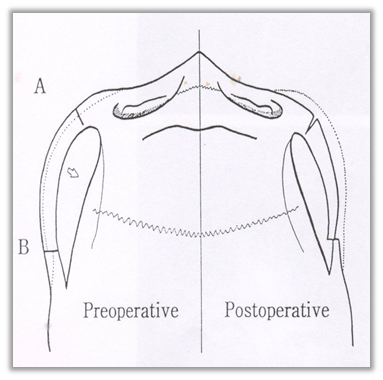
This was a paper published in 1997.
You can think of this as the beginning of the quick cheekbone surgery method, which pushes in the arch portion of the cheekbone without fixation based on this technique.
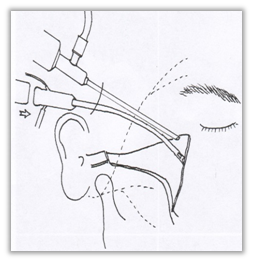
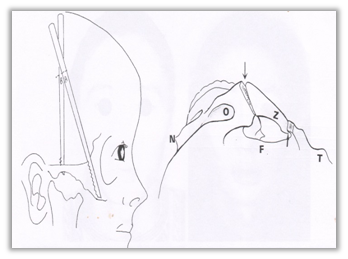
Many doctors have devised and developed various surgical methods, but the drawback of this surgery is that the 45-degree cheekbone area does not decrease at all. To address this, methods such as cutting out bone from the body of the cheekbone or shaving it were introduced.
- Body Ostectomy + Arch Greenstick Fracture
In the 2000s, the foundational 3D cheekbone surgery method that is still used today was born.
It involved partially removing bone from the 45-degree cheekbone area and performing a partial osteotomy on the arch portion of the cheekbone to push it inward.
From this point on, various osteotomy methods for the 45-degree cheekbone area emerged, such as L-shaped, I-shaped, and inverted L-shaped methods.
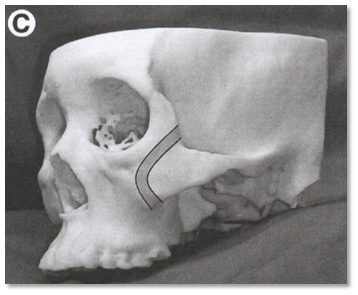
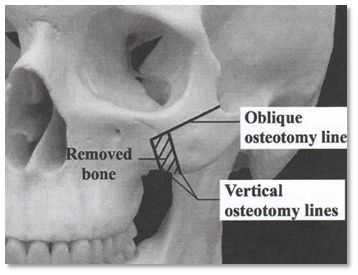
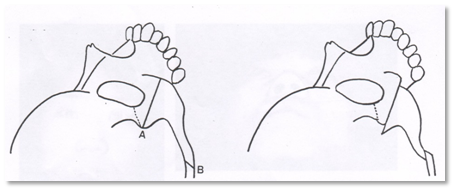
As you can see from the illustrations, there are many different methods, right?
Each surgical method definitely has its own pros and cons.
But explaining all of them would really require writing a paper, so it may be enough just to know that there are pros and cons.
Then let’s move on to the recent trend.
- Malar repositioning with bone Z-plasty
The recent 3D cheekbone surgery method involves repositioning the cheekbone and fixing the arch portion of the cheekbone after performing a Z-shaped osteotomy.
When cutting the 45-degree cheekbone area, the osteotomy is performed in a trapezoidal shape that becomes narrower toward the top so that there is no gap between the bones, and the deeper side is cut more broadly.
Of course, an L-shaped cut is widely used as well to prevent the bone from separating.
If the bone is precisely cut and pushed inward by about 2 to 4 mm, and the arch portion is osteotomized and fixed in a Z-shape, then you can achieve the maximum effect.
If you look at the CT scans of an actual patient who underwent surgery,
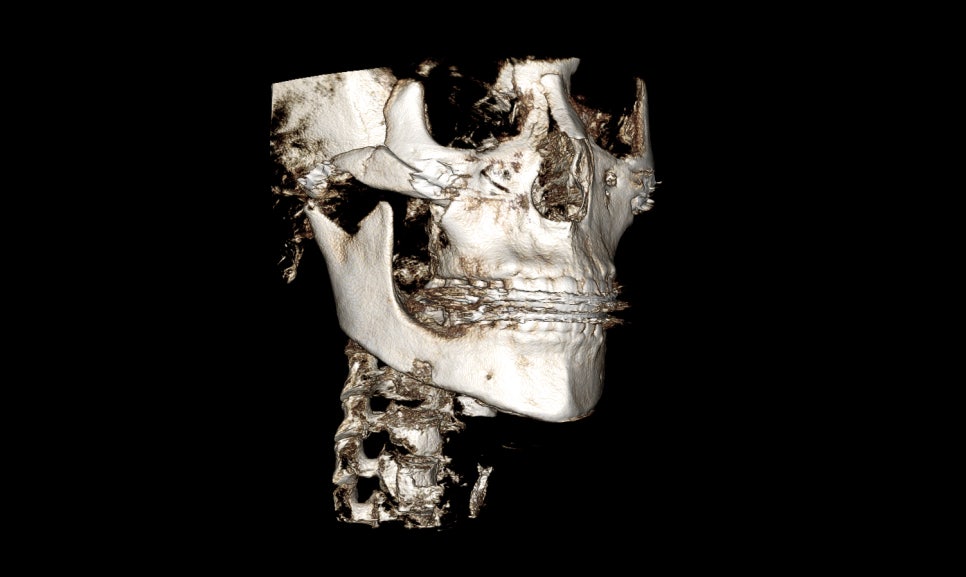
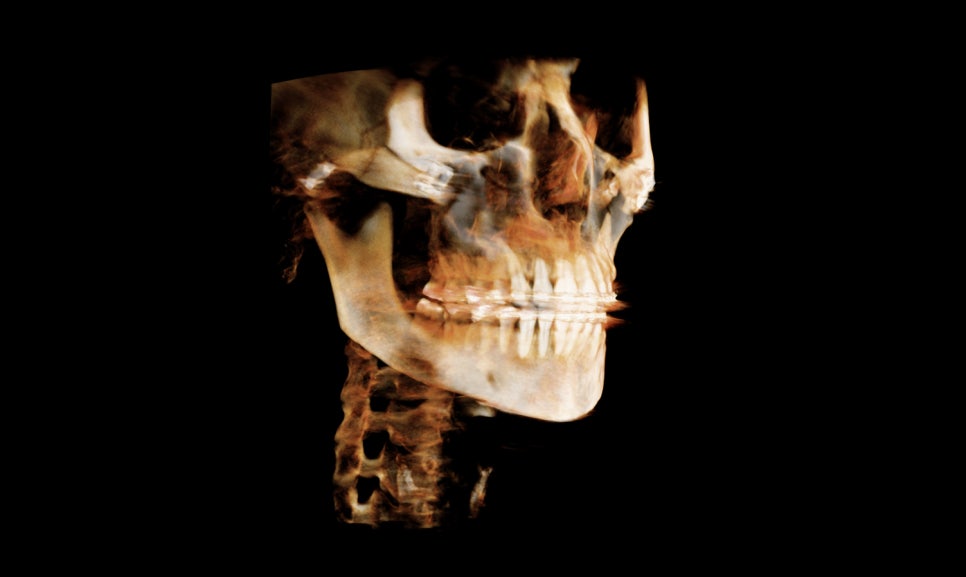
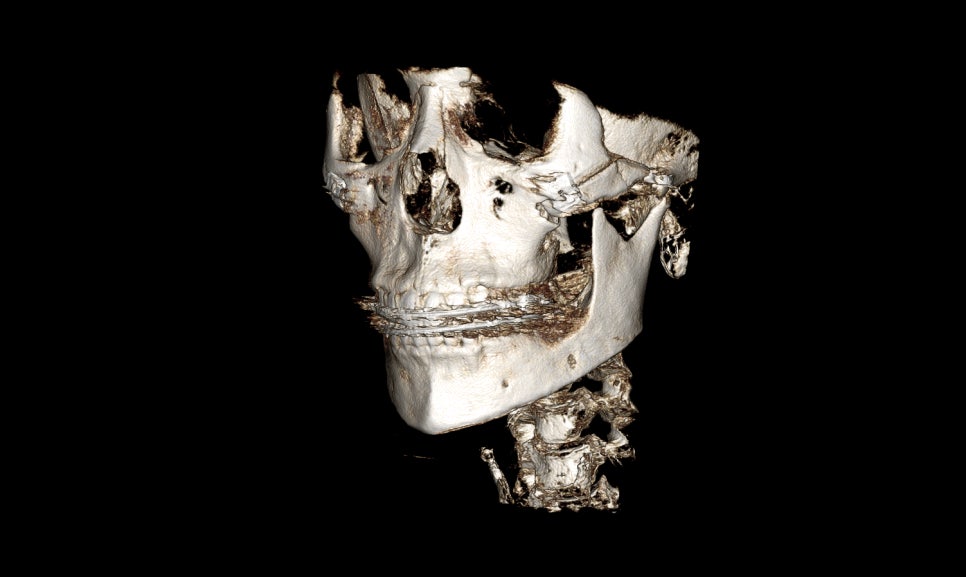
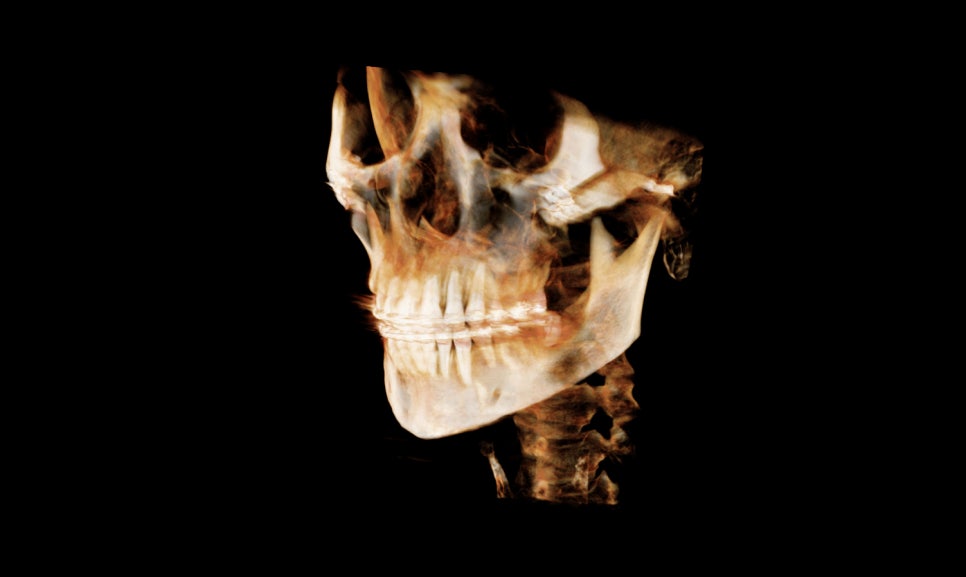
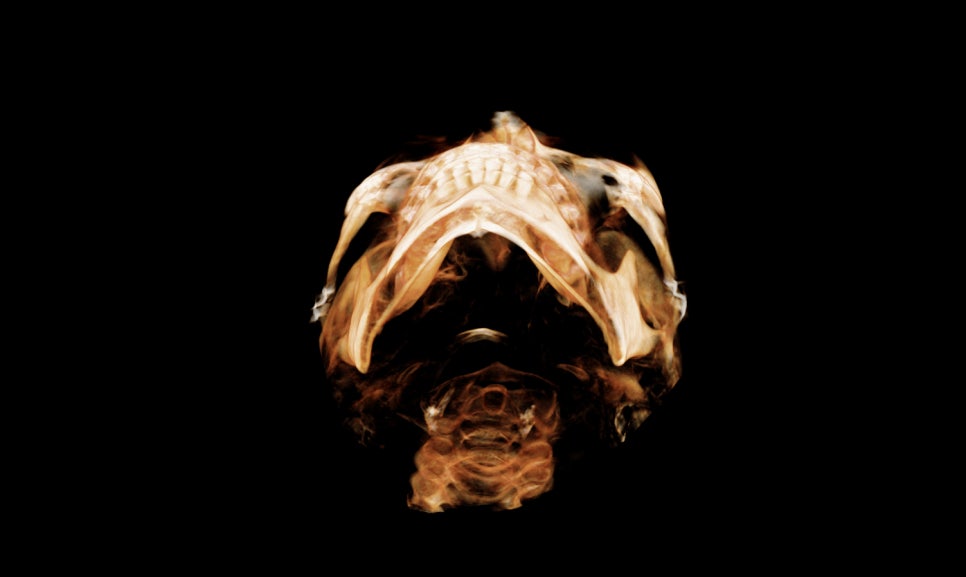
It has been firmly osteotomized in an L-shape and fixed securely without any gaps.
When viewed from below, you can also see that the width of the cheekbone has been reduced exactly.
When surgery is performed this way, you can expect to see the maximum effect of 3D cheekbone surgery.
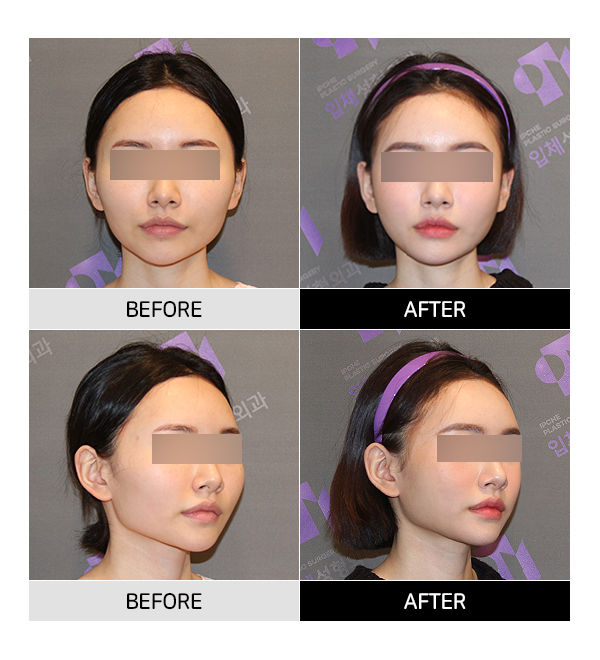
So far, I have explained the history of the various surgical methods in detail.
Rather than thinking too complicatedly about the many surgical methods, it may be easier to simply trust that if a hospital performs cheekbone surgery according to recent trends, it is using a surgical method that aims for the maximum effect after surgery.
There are some small tips within this surgical method as well, but I will leave those out because the explanation would become too detailed.
Thank you.