Hello. I am Director Jo Hyun-woo of Ipche Plastic Surgery.
Many people find that the biggest concern after facial contouring surgery is swelling.
Today, I will explain in detail the proper methods for managing swelling after facial contouring surgery.
Swelling is something that is bound to occur after plastic surgery.
However, compared with other surgical areas, facial contouring swelling covers a wider area, and because postoperative care can affect the recovery period and the difference in pre- and post-surgery results just as much as the surgical method itself, it is important to manage it properly after surgery for both good results and a faster recovery.
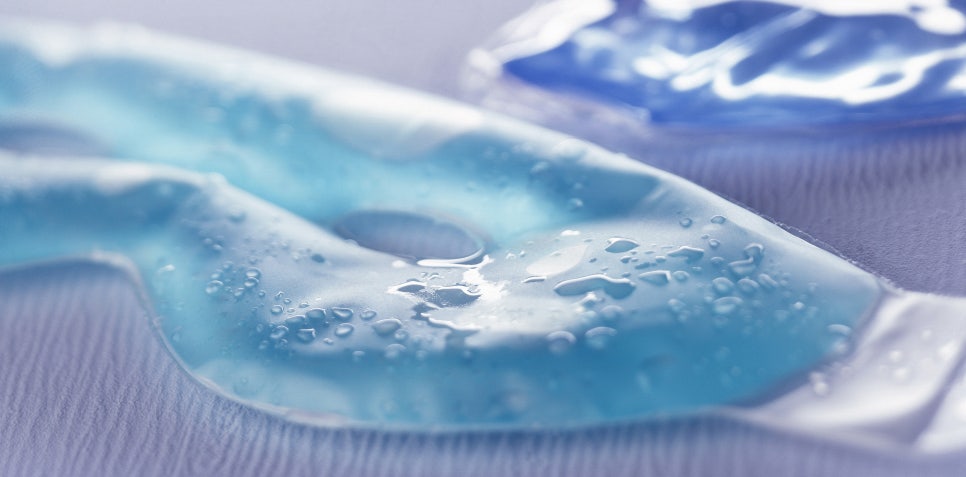
The easiest and simplest method is compresses.
Compresses are one of the most basic care methods for all plastic surgeries.
Starting right after surgery, use cold compresses for 2 to 3 days, and then switch to warm compresses. This can help reduce swelling and bruising after facial contouring surgery.
Also, you should sleep with your upper body raised higher than your heart and maintain proper posture, and it is best to avoid touching the surgical area.
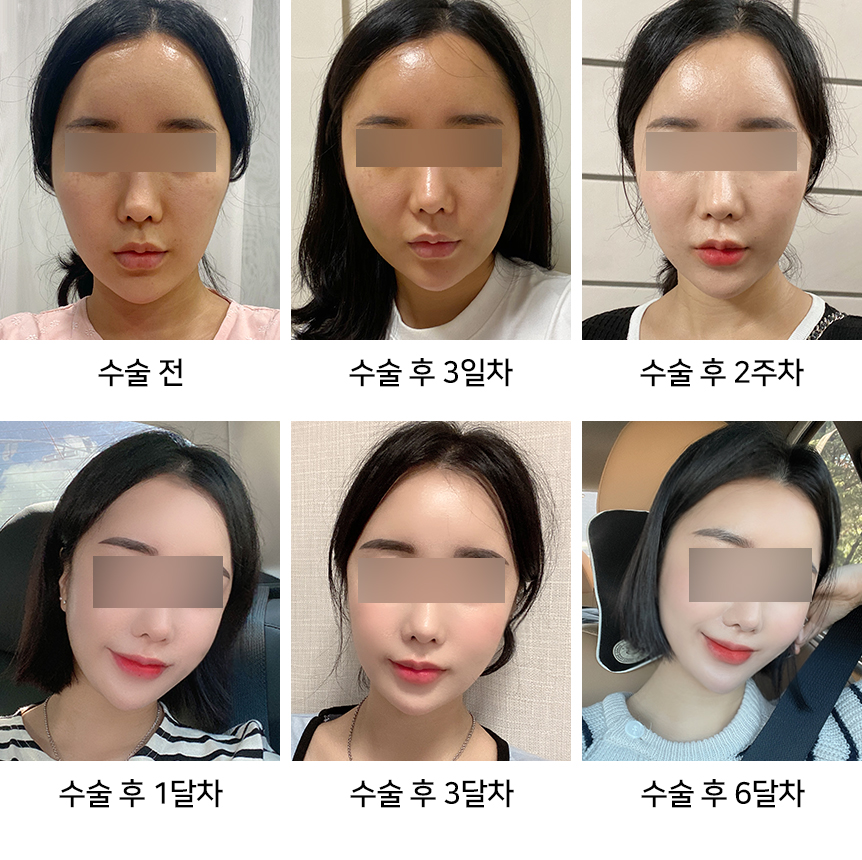
230-degree three-dimensional cheekbone reduction
The second is diet.
Pumpkin is known as a representative food that helps minimize swelling.
Pumpkin helps with diuretic effects, shortens the recovery period, and is effective in removing impurities from the body.
When consulting on contouring surgery, there are surprisingly many people who do not drink water properly.
Water helps blood circulation in the body and allows you to sleep well, which aids recovery.
In addition, you should drink water frequently to detox after general anesthesia, and because this is surgery involving the inside of the mouth, you need to increase moisture in the mouth to help prevent infection.
For meals, it is best to keep sodium intake low.
If excessive, it can increase blood volume, constrict blood vessels, raise blood pressure, and cause swelling.
For about 1 to 2 weeks after surgery, since you will not be able to open your mouth properly, you should eat small foods, and because chewing is limited, it is best to consume soft liquid foods. Whenever possible, it is best to avoid hard and chewy foods for one month after surgery.
At this time, after each meal, you must take the prescribed medication and gargle, as this helps prevent inflammation.
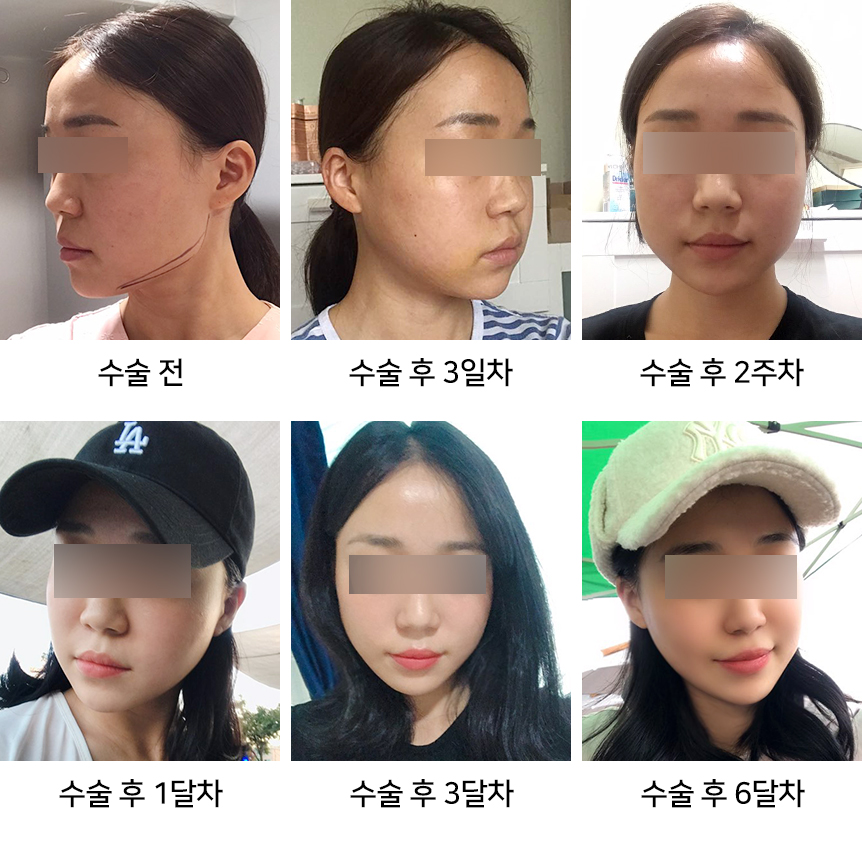
Square jaw surgery, corticotomy
The third way to manage facial contouring swelling is to avoid alcohol and smoking.
For one month after surgery, you must absolutely avoid alcohol and smoking.
Cigarettes and alcohol constrict blood vessels, slowing recovery, and can also cause side effects such as inflammation, so it is best to avoid both for one month after surgery.
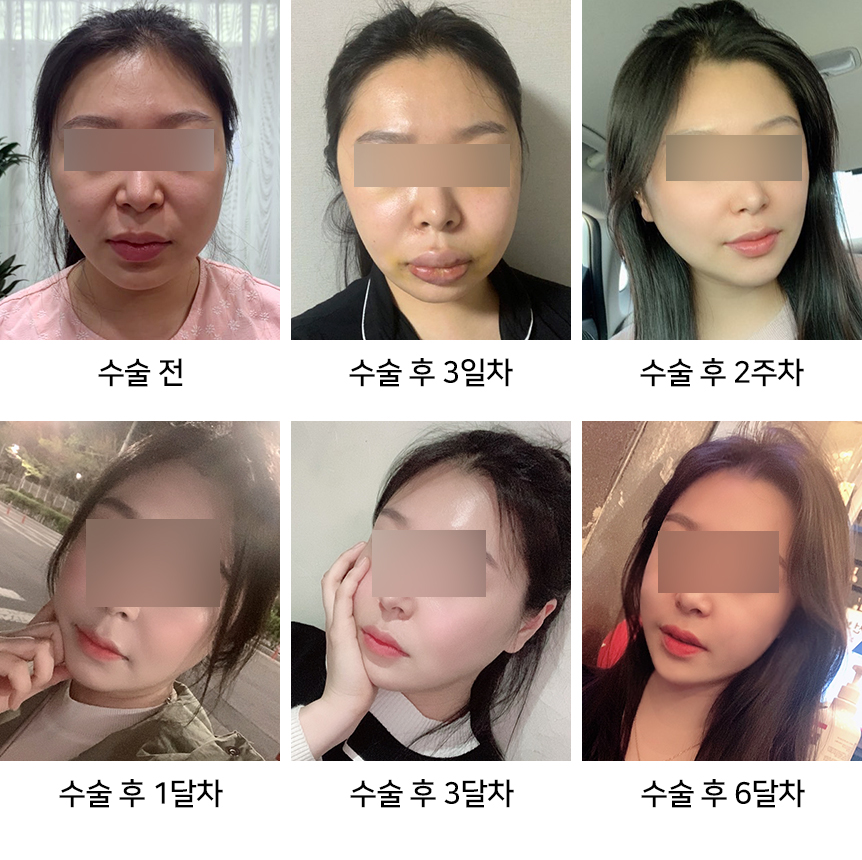
3D cheekbone reduction, square jaw surgery, corticotomy, chin surgery, masseter muscle reduction
The fourth is light exercise (walking).
After facial contouring surgery, exercise that does not overstrain the body can be helpful for swelling.
If you walk for about one hour a day or do light exercise at the pace of a stroll, it can help blood circulation and reduce swelling.
However, strenuous exercise may irritate the surgical area, so it is best to avoid it.
Because each patient has different constitution and recovery speed, the symptoms that occur after surgery will naturally differ.
Why does swelling not go down as quickly as it does for other people?
If you are someone who naturally swells easily, have poor recovery after surgery, or consume too much salt, or have reduced blood circulation, swelling may subside more slowly than in other people.
At our Ipche Plastic Surgery, you can receive Smart Looks management to help increase skin regeneration speed and relieve swelling and pain.
Is there a separate way to reduce swelling after surgery?
The most important thing in surgery is to reduce the operation time with a clean, efficient procedure without delay.
During facial contouring surgery, bone cutting, skin incision, and dissection are performed, so the amount of bleeding that occurs during surgery is proportional to the operation time.
Facial contouring surgery is performed in the confined space inside the mouth, so if the surgeon lacks experience, damage to surrounding tissues is inevitable, and if unnecessary dissection increases, bleeding increases and the surgery time also becomes longer.
Therefore, if you do not want to suffer from swelling that lasts longer than average, the best approach is to finish the surgery cleanly and without delay.
So far, we have looked at methods for managing swelling after facial contouring surgery.
In addition to choosing a medical institution that applies safety-conscious methods through an accurate diagnosis by a specialist with extensive experience, I hope you will also keep in mind the swelling-reduction methods we covered today and expect highly satisfying surgical results through proper care during the recovery period.
Thank you.