
Hello. I am Jo Hyun-woo, the chief director of Apgujeong Sibicheong Plastic Surgery Clinic.
If you are reading this article, I think you are probably looking into various pieces of information such as the hospital, cost, and side effects while considering facial contouring surgery.
There are many misunderstandings about facial contouring surgery, and there are also things you must understand before surgery, so I decided to write this post.
If you take just 5 minutes before surgery to read this article to the end, I think you will have one more requirement to ask for during your consultation, and you will be able to achieve a satisfying surgical result.
I graduated from the plastic surgery specialty program at Severance Hospital, and as the chief director in the facial contouring department at a large hospital in Apgujeong for many years, I have performed more than 10,000 facial contouring surgeries to date. Based on my 16 years of experience, I am currently handling facial contouring as the sole director of Apgujeong Sibicheong Plastic Surgery Clinic.
Today, based on my experience so far, I will talk about proper and successful facial contouring surgery.
Why does the face look artificial after facial contouring surgery?
Facial contouring surgery refers to cheekbone reduction surgery, square jaw reduction surgery, and chin surgery.
When you think of facial contouring surgery, you may use the term "bone shaving" and think of it as a surgery that makes the face smaller.
However, all plastic surgery ultimately aims to create a "beautiful face." At this time, contouring surgery should be approached with the purpose of "balancing the face" rather than simply making the face smaller.
If the surgery is performed with the goal of making the face as small as possible, it is easy to end up making a mistake.
This is related not only to the aesthetic aspect but also to postoperative side effects, and I will explain.
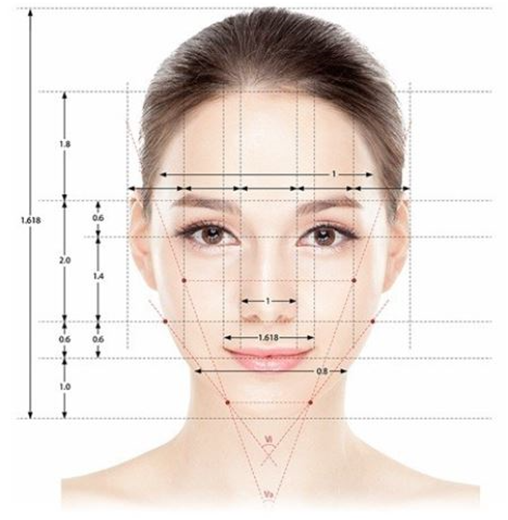
Even with cheekbone reduction surgery alone, the ultimate goal of facial contouring surgery is to balance an unstable face shape by considering the ratio between the width of the forehead and the width of the lower jaw. I refer to the sense of balance created on the front view of the face through contouring surgery as the "frontal effect of contouring plastic surgery."
When a person's face is viewed from the front, if the line from the cheekbones to the lower jaw falls almost in a straight line rather than diagonally, the length of the midface area (from the eyebrows to the tip of the nose) appears relatively longer. In human faces, the longer the midface, the older the face appears; the shorter the midface, the closer it is to the standard of a youthful appearance.
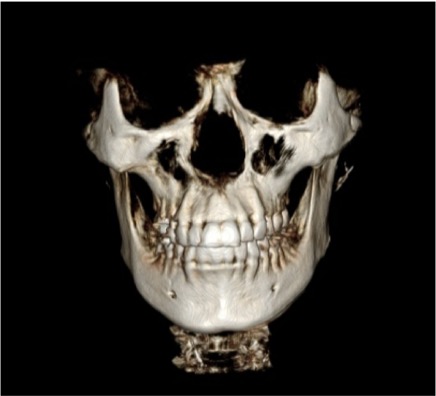
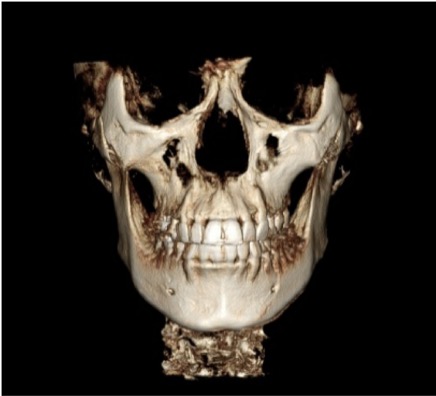
Sibicheong Plastic Surgery Clinic, frontal effect of contouring plastic surgery, before/after 230-degree three-dimensional cheekbone reduction surgery
This is a CT image. Looking at the preoperative condition on the left, the cheekbones protrude in an unstable way, but in the image on the right, you can see that the overall balance of the facial bones has been improved. It is also confirmed on the CT that the supporting cheekbone has been preserved rather than creating a straight line.
Sagging cheeks caused by imbalance
In facial contouring surgery, balance and proportion are closely related not only to aesthetics but also to postoperative side effects.
When people think of side effects from facial contouring surgery, the first thing that probably comes to mind is "sagging cheeks."
Sagging cheeks caused by facial contouring surgery refer to the phenomenon in which, after bone removal, the remaining soft tissue in the empty space left behind by the bone descends due to gravity.
However, under the condition that the surgery is properly performed, such sagging is almost impossible to confirm with the naked eye.
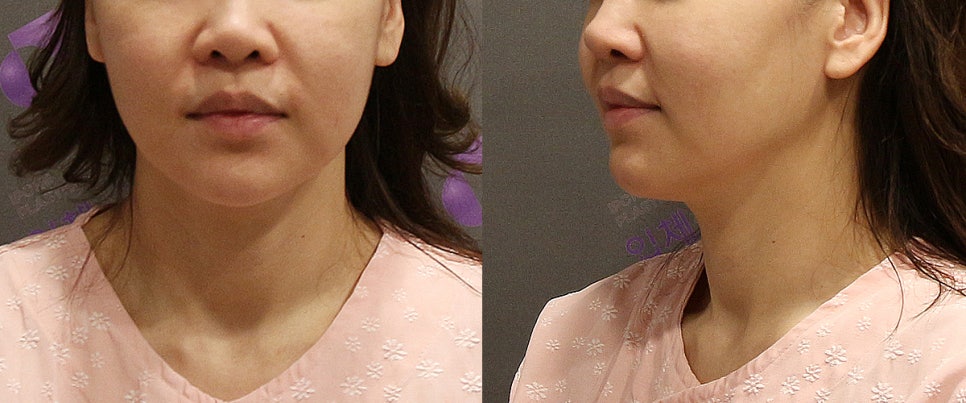
If the bone is excessively dissected beyond what is necessary, the retaining ligaments that support the skin of our face may be severed or the periosteum may be torn, causing the skin to gradually sag and leading to sagging cheeks. If the supporting cheekbone is not preserved and the bone is removed as much as possible, over time the soft tissue will sag downward due to gravity, and eventually the face may become one that flows downward, as in the photo above.
Therefore, surgery that takes proportion into account is related not only to the frontal effect of contouring surgery but also to postoperative side effects, so special care must be taken during surgery to achieve the best results. I have a separate column summarizing side effects, so if needed, I recommend reading the column below.
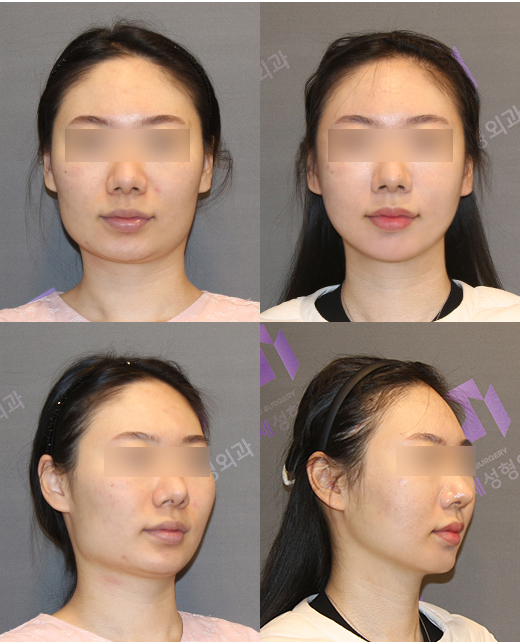
230-degree three-dimensional cheekbone reduction surgery, square jaw reduction surgery, masseter reduction surgery, double chin liposuction
Facial contouring surgery is more appropriately described as refining the face rather than reducing it, and before surgery, an accurate diagnosis that considers the width of the forehead, the width of the cheekbones, the width of the lower jaw, and the shape of both fat and muscle is absolutely necessary.
Therefore, osteotomy methods such as OO osteotomy and XX osteotomy are, in fact, not that meaningful. What is most important is an accurate diagnosis that identifies the patient's overall contours and soft tissue condition, and that also predicts the postoperative state.
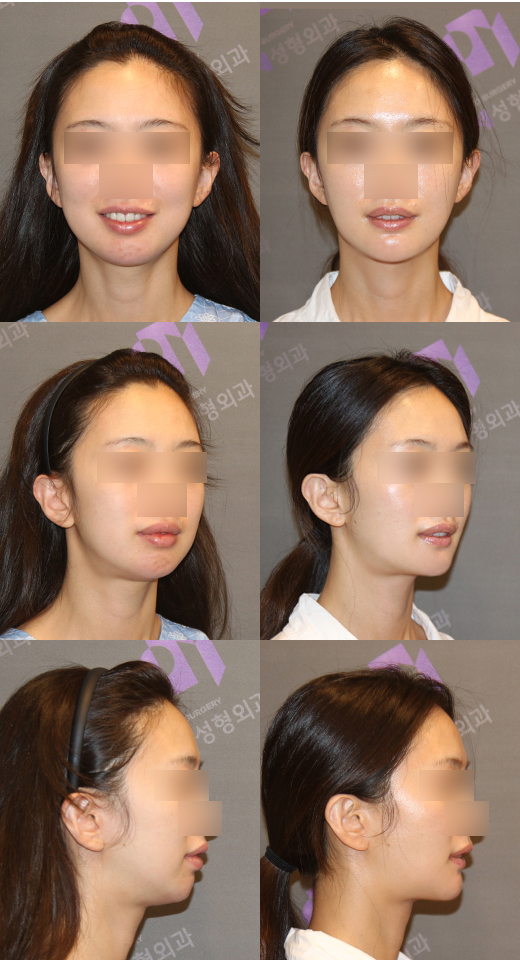
Chin advancement surgery, buccal fat removal, front chin Botox
If you are currently considering facial contouring surgery, when consulting with a specialist, rather than unconditionally saying, "I’m concerned about my cheekbones," "Please shave my square jaw," or "Please make my face smaller," first ask for a surgical direction that can make your face harmonious.
Otherwise, many hospitals are likely to recommend unnecessary three-in-one contouring surgery or proceed with surgery focused only on reducing face size, which can lead to a mass-produced facial result. I recommend consulting at least 2 to 3 hospitals before surgery.
Thank you for reading this long article.