Hello. I’m Dr. Jo Hyun-woo of IPtut Plastic Surgery.
The long monsoon season has ended, and the intense heat has begun. It seems like a time when we need to pay especially close attention to our health.^^
Today, I’d like to talk about whether a short, severe recessed chin can be improved with sliding genioplasty.
I’ve discussed chin surgery in several columns.
In general, the sliding genioplasty that is commonly performed has limitations when it comes to advancing the chin.
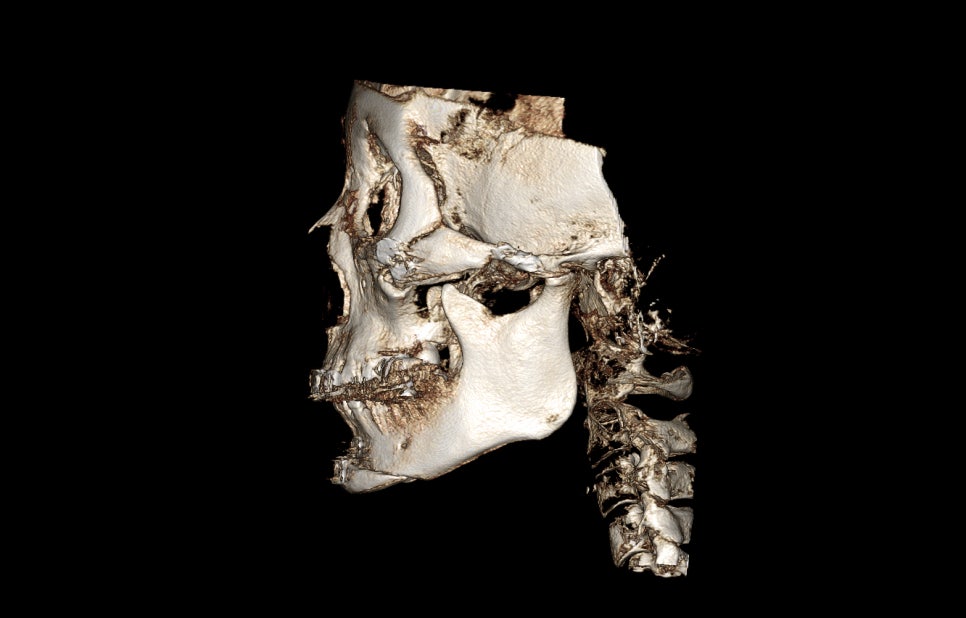
This is a postoperative 3D CT image of a patient who underwent a standard sliding genioplasty.
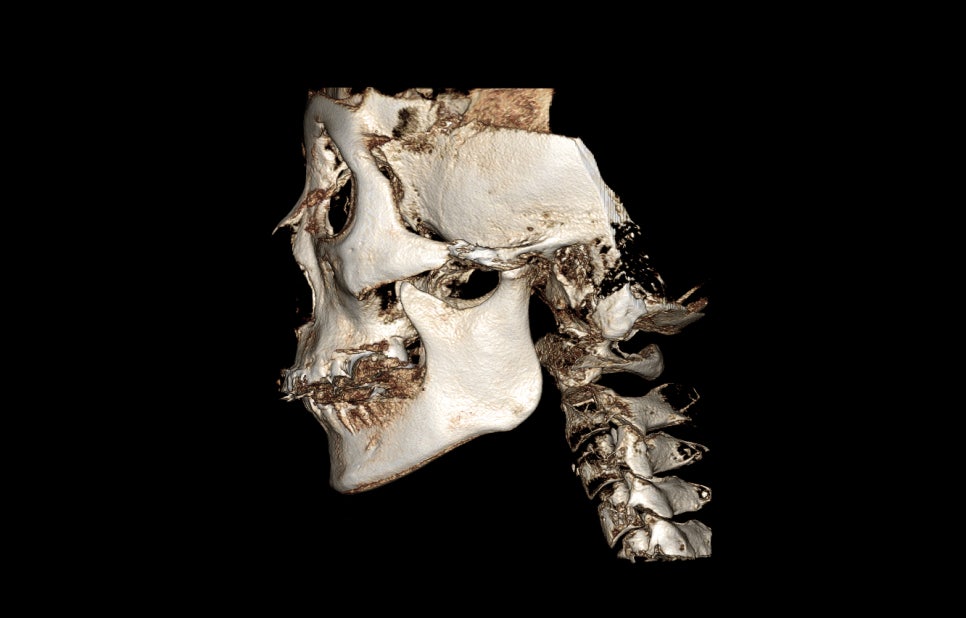
If you look at the preoperative CT, you can see that the chin bone that was set back has been advanced forward nicely.
Let’s take a closer look in the sagittal view.
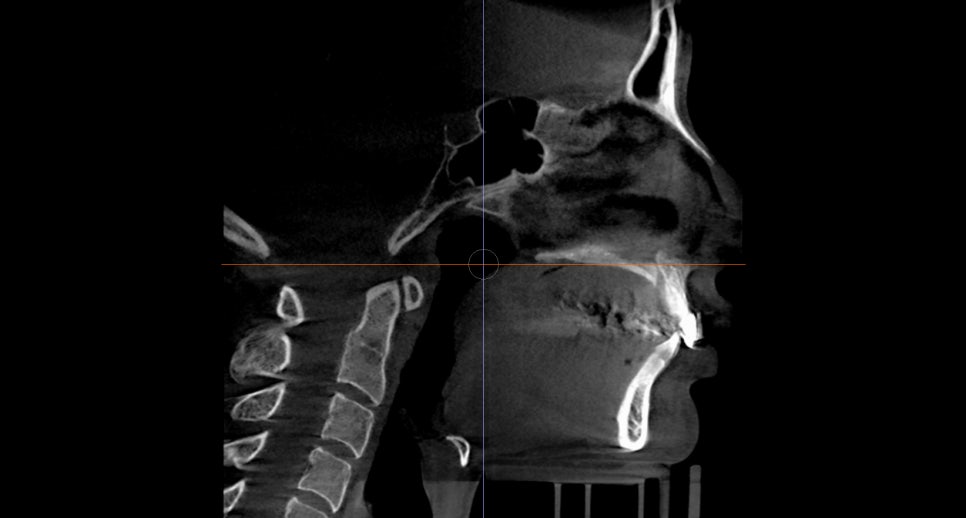
From the side, the lower jaw bone is about 12 mm thick. Sliding genioplasty is a surgery in which the front chin bone is cut, advanced, and then fixed with fixation pins.
In my case, I perform the surgery with about half overlap to ensure the bone fuses firmly and well.
Sometimes I see cases where the chin is advanced by about 10 mm, but for bone stability, I believe that about half of the bone should remain overlapped.
If you look at the result,
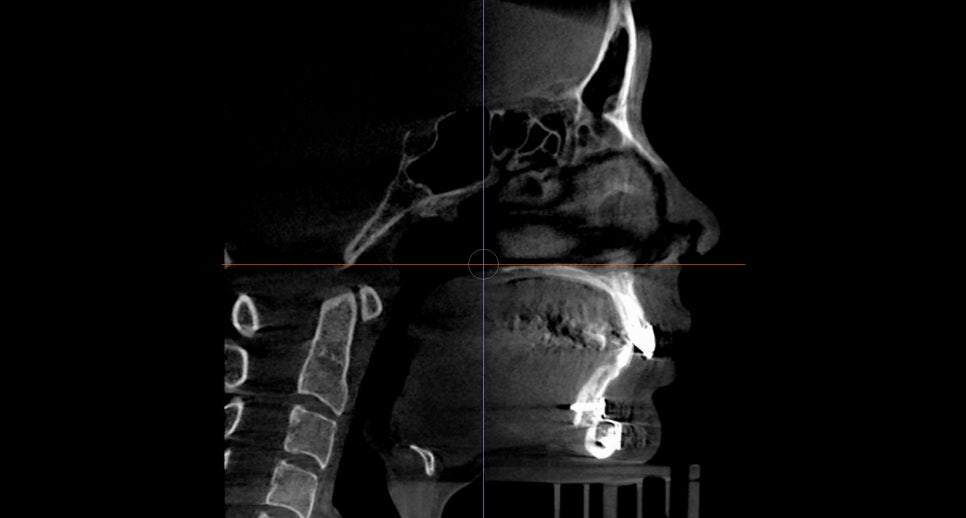
I believe a stable surgery is one in which about half of the bone overlaps and then hardens in that position.
When we usually measure the thickness of the front chin bone, many people have bones that are about 10 to 14 mm thick.
Then does that mean patients who need about 10 mm of advancement cannot undergo sliding genioplasty?
In my case, for patients with severe recessed chins, I often recommend chin surgery using silicone.
That is because the chin can be advanced a bit more easily.
However, depending on the patient, there is an option if they do not want an implant or only want bone surgery.
That is a surgery using a method called double step osteotomy.
However, this surgery is not suitable for every patient with a recessed chin.
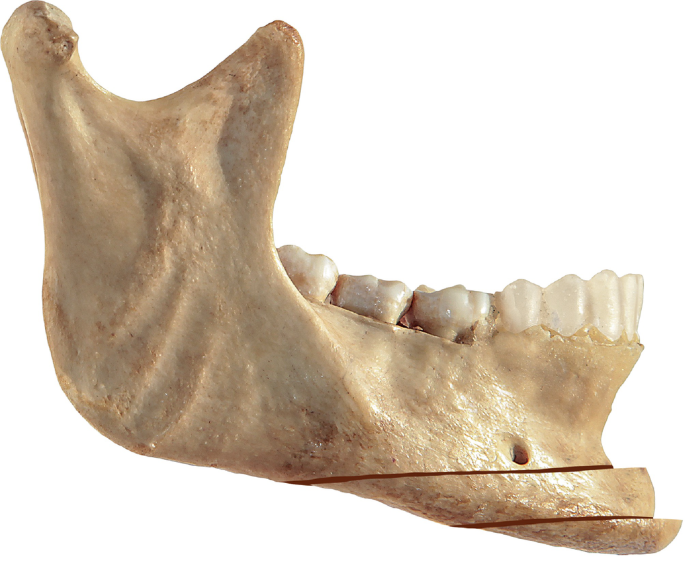
In general, people with a recessed chin have a small bone structure, so the bone cannot be cut into two layers. That is because the overall volume is small.
It is a good method that can be applied to people whose chin is set back but whose chin itself is not small.
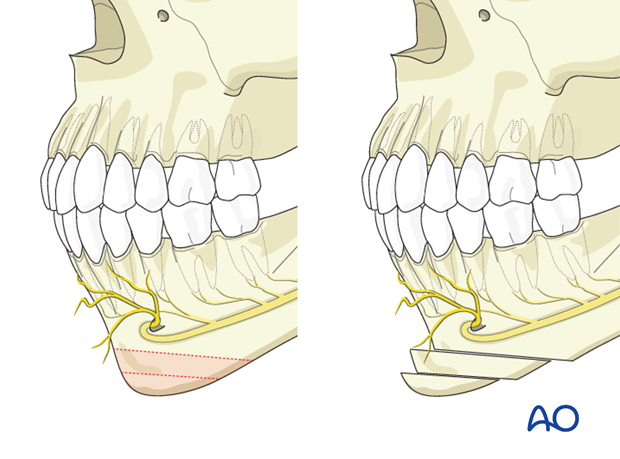
As shown in the diagram, it is a method of cutting the bone in a stepped fashion, advancing it, and fixing it in place.
In theory, it is a good method that allows advancement by about the thickness of the bone.
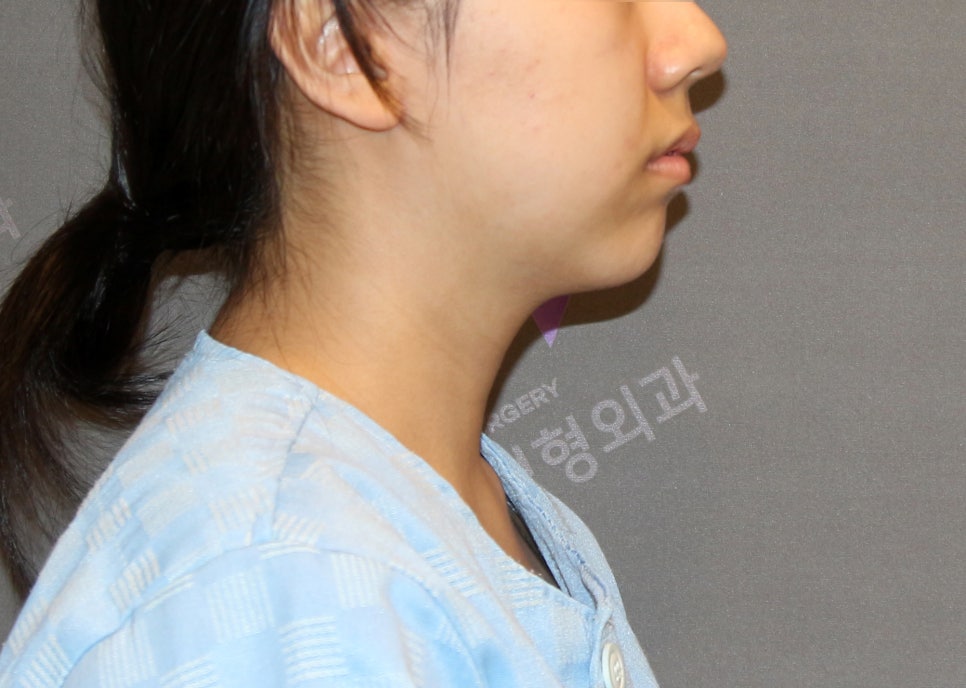
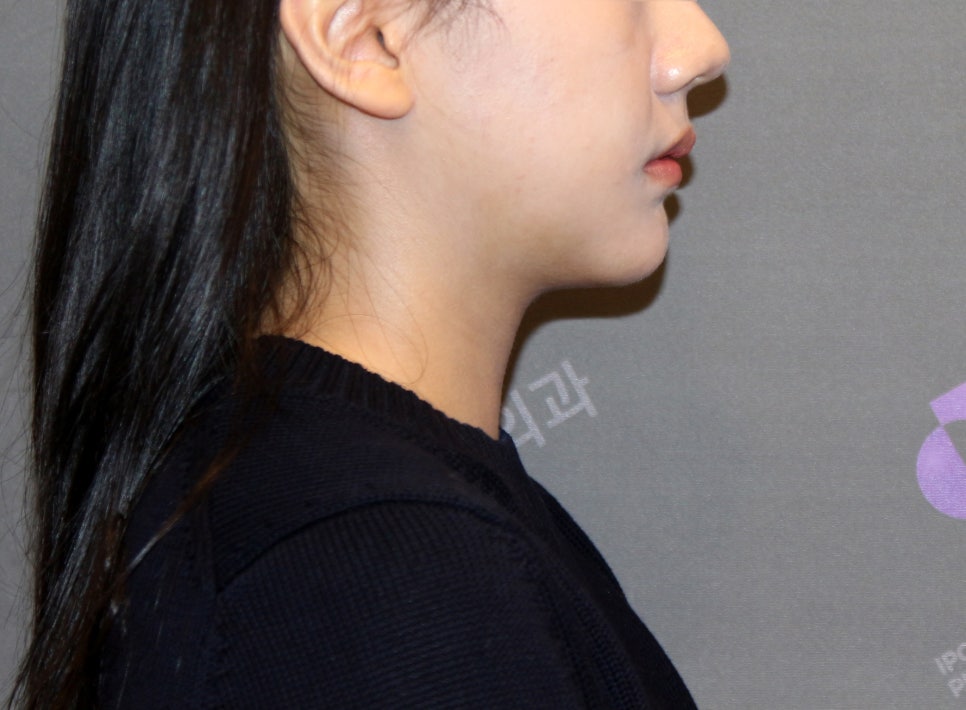
If you compare the patient photos before and after surgery, you can see that the chin bone that was set back has been advanced a significant amount forward.
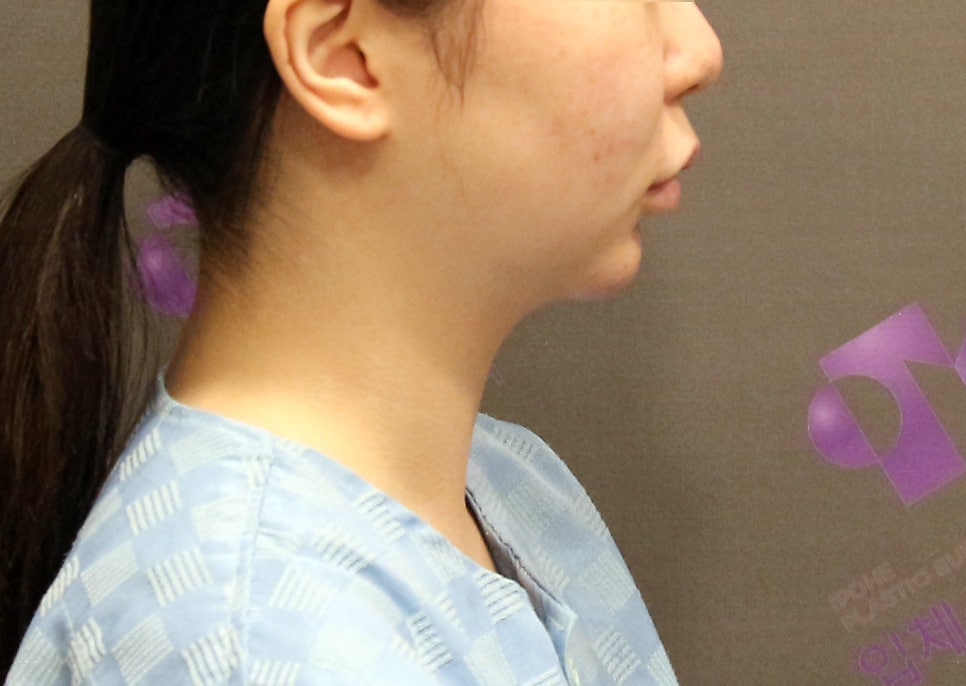
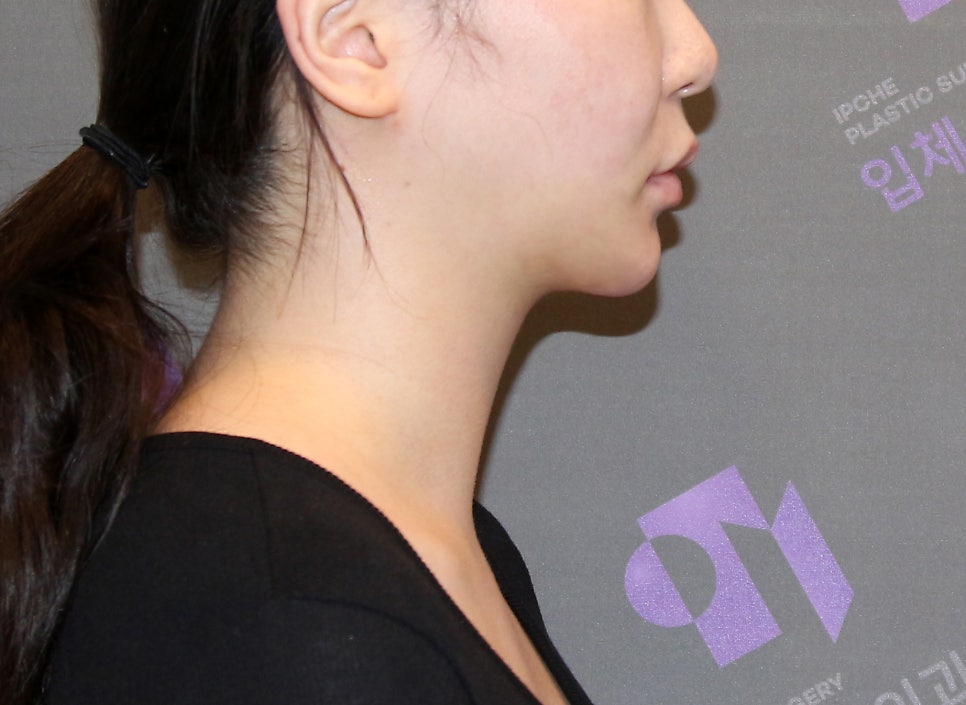
Even if the chin bone is small, you can still create a beautiful side profile 충분ly using an implant rather than bone.
Today’s surgical methods show that if you do not insist on bone-only surgery, there are various ways to create a beautiful jawline.
If you choose the surgical method that best fits your own case, you will be able to achieve a good result.
Thank you.