Hello, I’m Director Jo Hyun-woo of 3D Plastic Surgery.
Today, I’ll talk about whether a 'fixation pin' is absolutely necessary during cheekbone surgery.
Patients who undergo cheekbone surgery, including facial contouring surgery, rarely look as though they had surgery from the outside, but
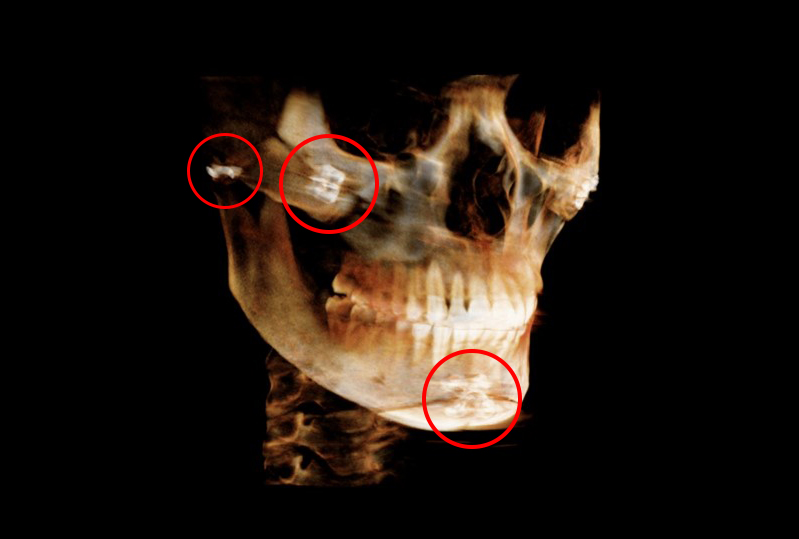
as you can see when a CT scan is taken like this, the fixation pin is clearly visible, so it is hard to hide the fact that surgery was performed.
There are people who do not want their parents or acquaintances to know they had surgery at all and want it to be unnoticeable even on X-rays.
One advantage of the 230-degree 3D cheekbone surgery we perform at our clinic is that it does not require a fixation pin.
We can provide fixation for those who want it, but it is not a problem even if you do not use a fixation pin.
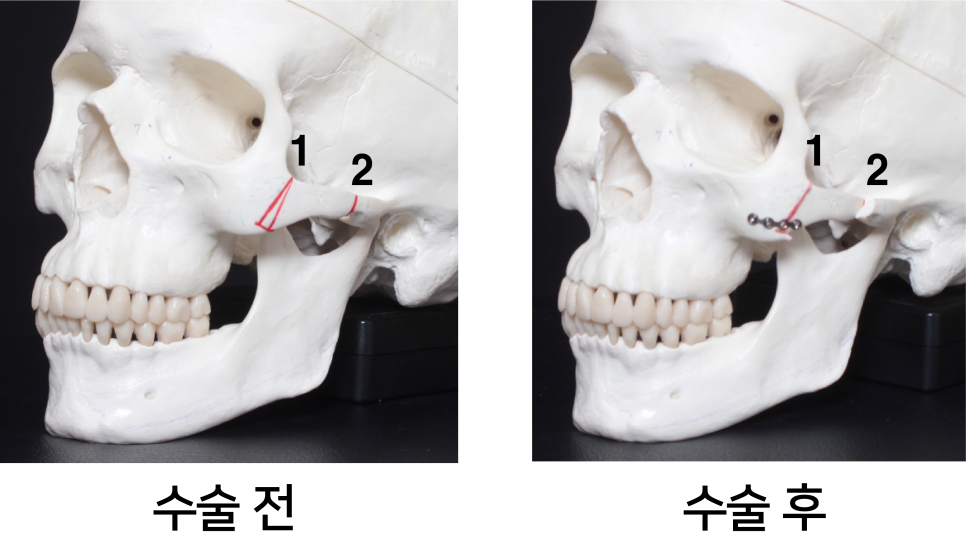
If you look at the general 3D cheekbone surgery method, the 45-degree cheekbone and the lateral cheekbone are completely cut and then repositioned.
Because the bone is completely separated, using a fixation pin at the osteotomy site is absolutely necessary.
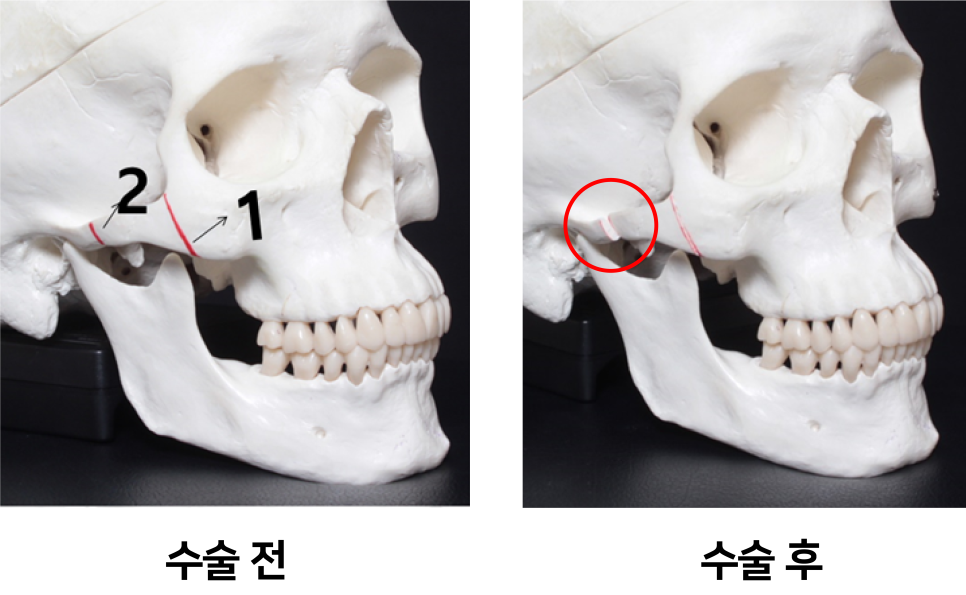
The 230-degree 3D cheekbone surgery uses the elasticity of the cheekbone itself, performing a partial osteotomy on the 45-degree cheekbone and a complete osteotomy on the lateral cheekbone, then pushing it inward.
Over time, the bones naturally fuse together and become firmly set.
So, is fixation really unnecessary?
Because the bone is not completely cut through and is only pushed inward, no separate fixation is needed, and the bones naturally fuse to each other.
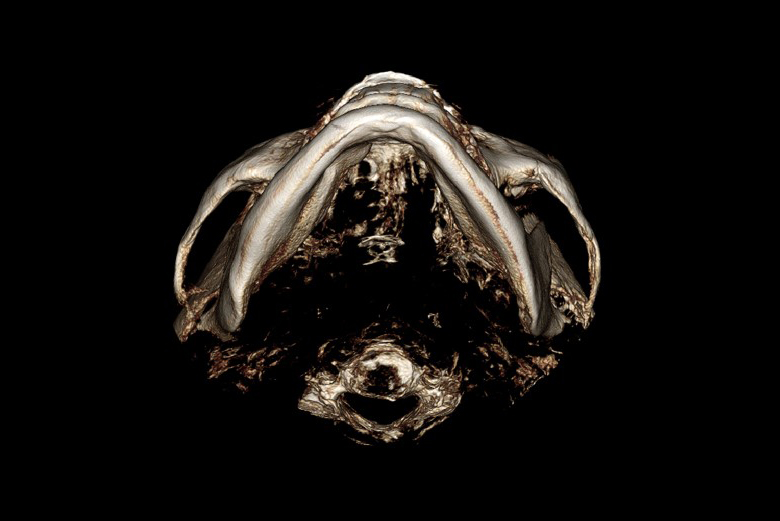
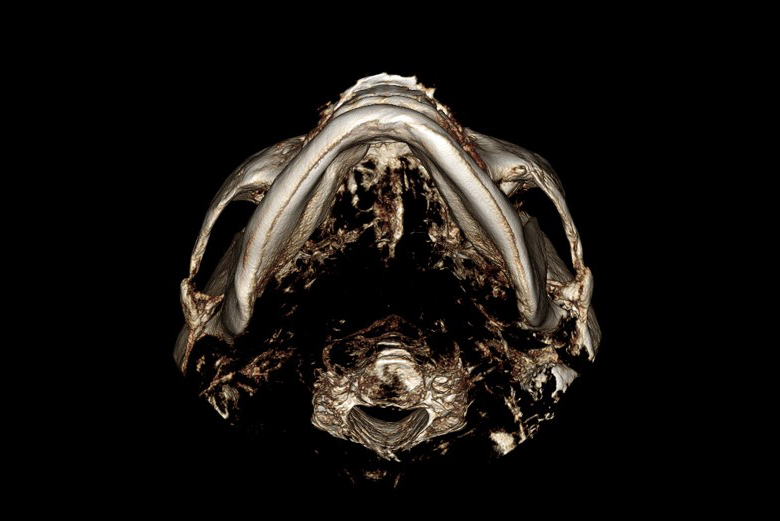
These are CT images from before surgery and at 6 months after surgery for a patient who underwent 230-degree 3D cheekbone surgery.
If you look at both lateral cheekbones, you can see that the osteotomy sites have naturally fused and are well attached.
At this point, some time is needed for the osteotomized bone to harden through natural fusion. The reason is the movement of the masseter muscle.
The masseter muscle is a chewing muscle attached to the body of the cheekbone, and because it is used when chewing food or speaking, it is constantly moving.
When a bone is fractured, a cast is used to minimize movement so the broken bone can heal faster.
By the same principle, if the osteotomized lateral cheekbone area is fixed from behind with a fixation pin, the bone can harden faster than without it.
If you want a more quickly stabilized result, I would recommend using a fixation pin for posterior fixation.
However, whether fixation is done or not does not change the surgical result at all, so it is something you can consider and decide on as a patient.
In conclusion, posterior fixation does help the bone harden and stabilize more quickly than not fixing it, but even without a fixation pin, the bone naturally fuses and hardens well, so not using one is not a problem.
We will also show you before-and-after photos of an actual patient.
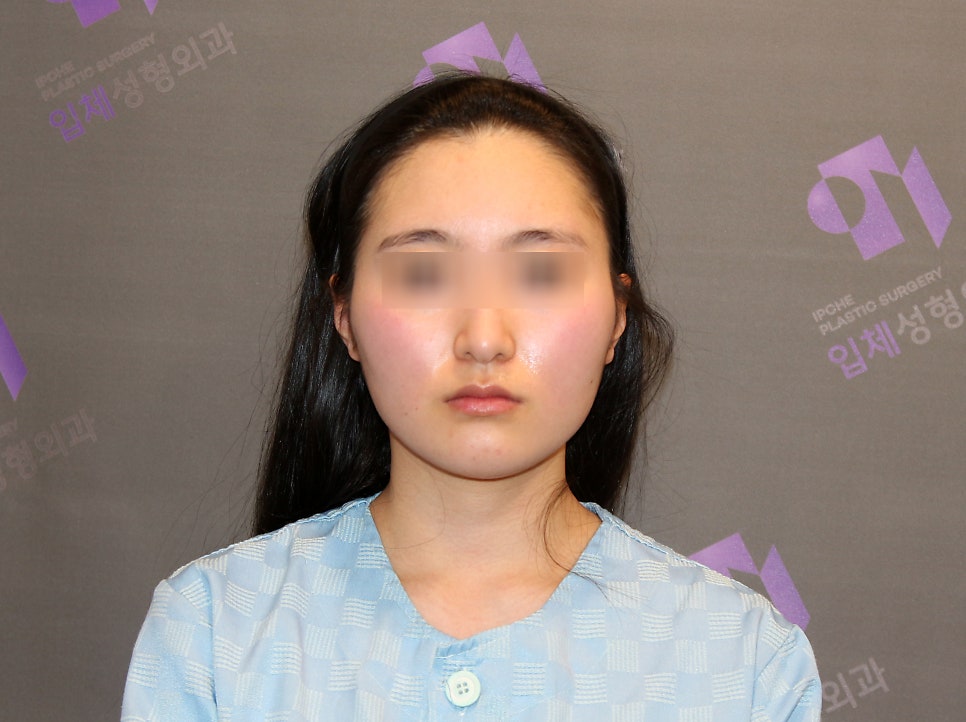
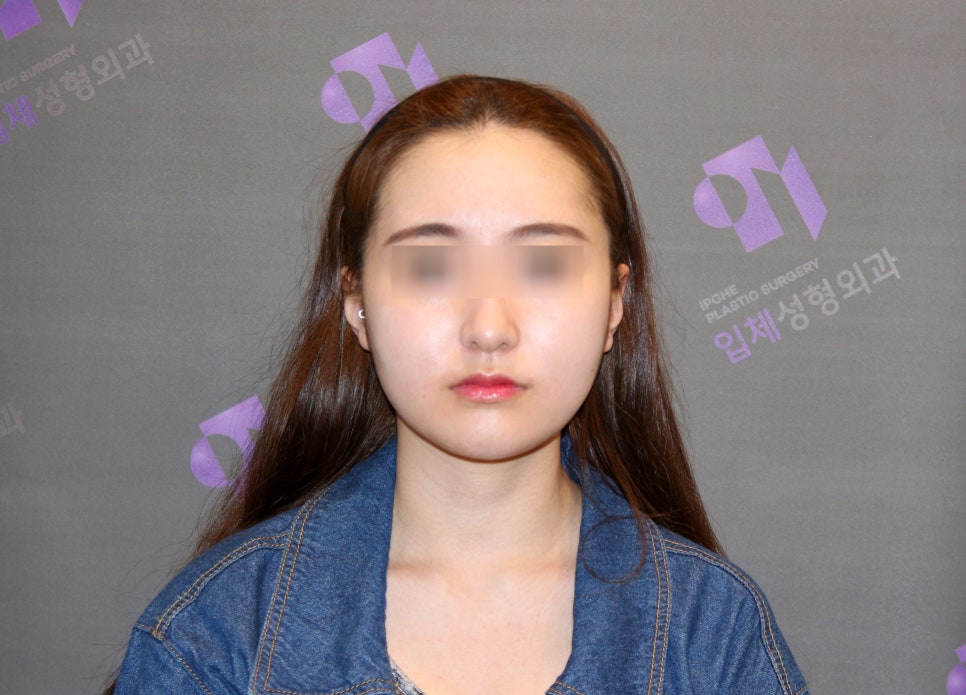
From the front, you can see that after surgery the width of the face has decreased and the face has become much more slender than before.
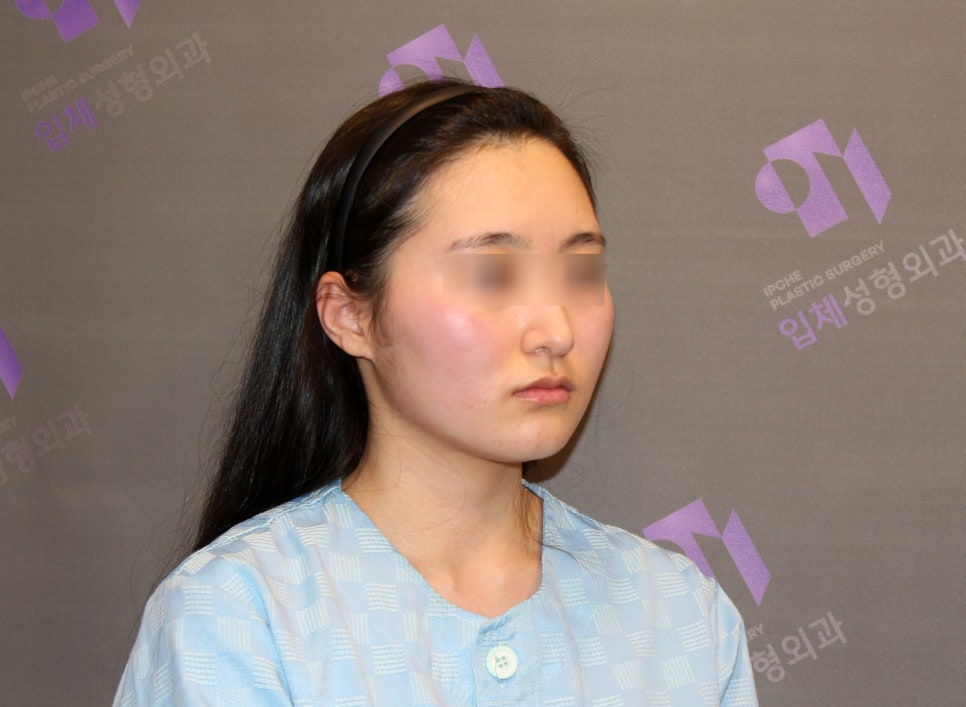
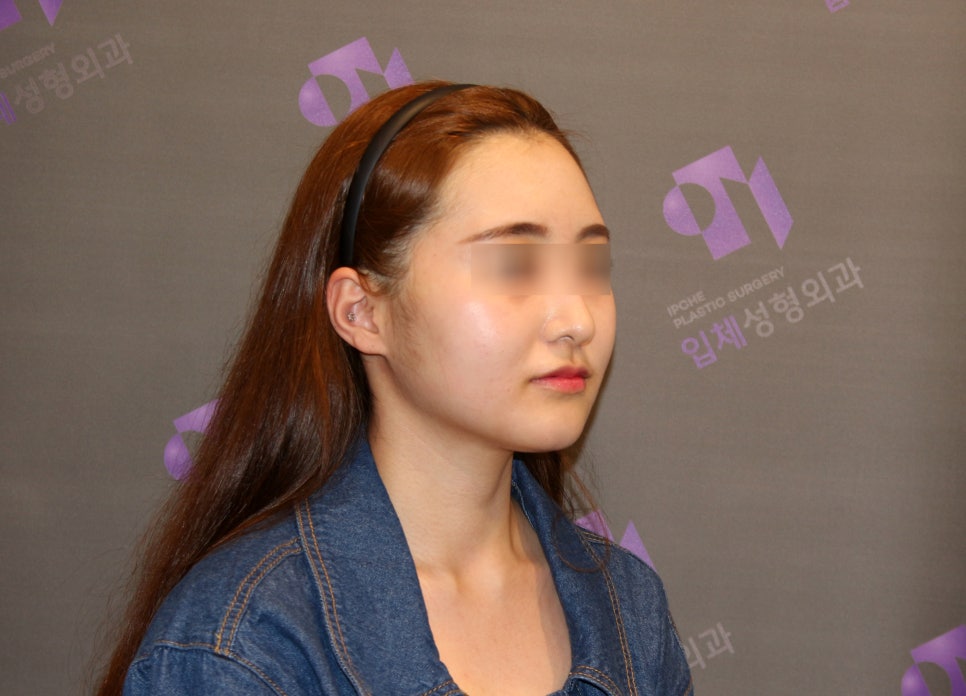
Because of the developed 45-degree cheekbone, the area below the outer corner of the eye appears prominent from the side before surgery.
The 45-degree cheekbone was smoothly reduced through a shaving process without osteotomy, resulting in a natural reduction.
Finally, whether or not fixation is used during cheekbone surgery is not the issue.
However, in the case of a 'mistaken surgery,' cheekbone nonunion can occur regardless of whether fixation is used, so caution is needed.
Thank you.