Hello. I’m Dr. Jo Hyun-woo of 입체성형외과.
Today, instead of discussing contour surgery, I’d like to talk about the “sedatives” used during surgery.
Sedation is widely used in plastic surgery procedures such as eye surgery, nose surgery, and thread lifting.
It seems that the widespread use of sedation began in the late 2000s.
Before that, eye and nose surgeries were performed under local anesthesia, and slightly larger procedures were done under general anesthesia.
However, as every field advances, anesthesiology has also developed, and anesthesia based on the concept of MAC (Monitored Anesthetic Care) was introduced in the early 2000s. This is not anesthesia using an anesthesia machine, but rather a method in which drugs that induce sleep and sedation are administered through intravenous injection while monitoring oxygen saturation, blood pressure, and pulse.
As these anesthesia methods evolved, the current form of sedation came into use.
So let’s take a look at which drugs are used for sedation in plastic surgery.
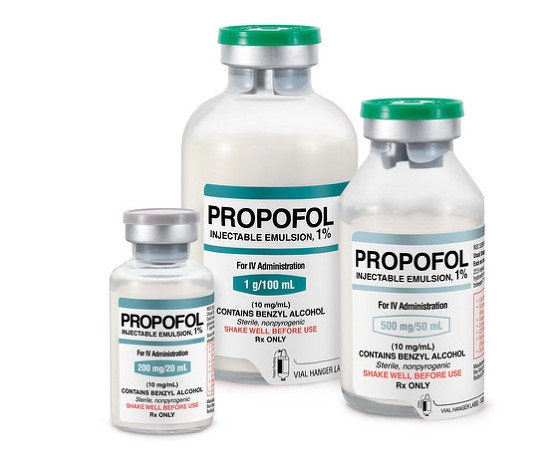
- Propofol
This is probably the drug you have heard of the most. If we look at the definition of propofol:
Propofol is a rapidly acting, short-acting intravenous general anesthetic.
It is used for anesthesia during surgery or procedures, or to sedate patients who are on a ventilator.
Propofol is a white liquid, so it is often called the “milk injection.” Unlike other anesthetics, it allows quick recovery and has relatively few side effects.
It must be used under the guidance of a trained medical professional because misuse or overuse can lead to dependence.
Therefore, propofol is widely used because it has the advantage of allowing quick recovery and causing relatively few side effects.
However, propofol also has drawbacks. Compared with other anesthetic drugs, it has less pain-relieving effect.
Because of its pharmacologic mechanism, it lasts only about 3 to 10 minutes, so pain may be felt unless it is maintained at a high concentration.
So you can think of it as first administering a high dose of propofol, then performing local anesthesia on the necessary area before proceeding with the surgery.
Another drawback is the addictive potential of propofol, which many of you are already familiar with.
Since the first report of propofol addiction in 1992, evidence for its potential for dependence has continued to be presented.
The reason propofol can be addictive is dopamine.
Dopamine is one of the neurotransmitters in the central nervous system and affects behavior, motivation, sleep, mood, perception, learning, and attention.
Propofol increases dopamine concentration in the nucleus accumbens of the brain. This area plays a key role in the reward system, and as a result, tolerance develops to the amount of substance consumed. This reaction is also commonly observed in alcohol or other drug addictions.
In procedures with less pain, when a patient wakes up after receiving propofol, they feel as if they slept well and feel refreshed without experiencing pain. With that kind of feeling, most people are unlikely to become interested in or drawn to the drug.
However, in people who are prone to substance dependence, repeated use of propofol can lead to addiction.
Therefore, propofol must be used with great caution.
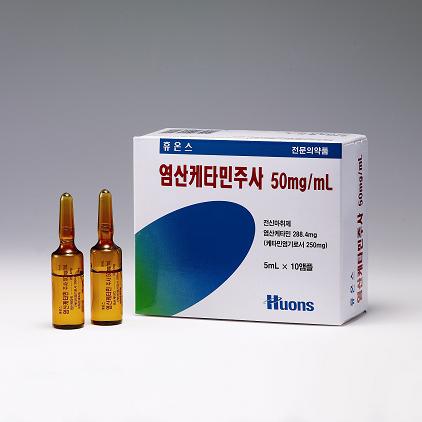
- Ketamine
Ketamine is a dissociative anesthetic that causes hallucinations, and it acts as a general anesthetic by rapidly inhibiting N-methyl-D-aspartate (NMDA) receptors and glutamate receptors. It also acts on opioid mu receptors to produce analgesic effects, so it is useful in medical procedures accompanied by pain.
As mentioned earlier, propofol has no analgesic effect, so many plastic surgery clinics often mix ketamine with propofol.
They use ketamine’s pain-relieving effect at the beginning to perform local anesthetic injections.
Therefore, ketamine is often not used for long and is mainly used only at the start of surgery.
Side effects of ketamine may include mild headache, dizziness, drowsiness, increased salivary secretion, and nausea after use. If these side effects occur frequently, the use of the drug should probably be approached with caution.
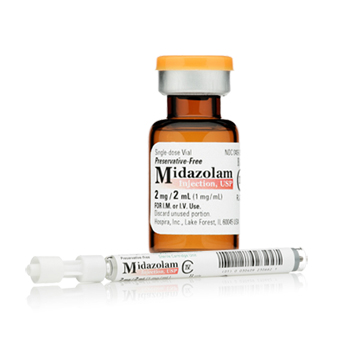
- Midazolam
Midazolam is a drug in the benzodiazepine class that produces sedation by enhancing the action of inhibitory neurotransmitters in the brain.
Because its effects appear quickly and last for a short time, it is used for sedation before endoscopy or surgery.
It is not commonly used in plastic surgery. Since a common side effect is slowed breathing and reduced breathing volume, it seems that propofol is used more often than midazolam these days.
In the case of propofol, people with a high alcohol tolerance often do not get adequately anesthetized, so it is sometimes used in combination with midazolam.
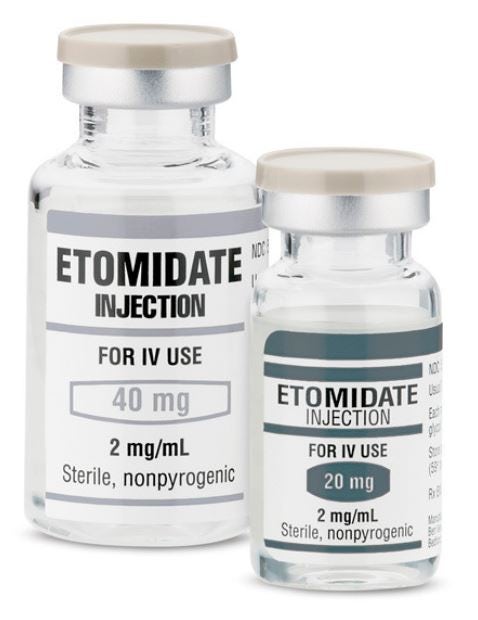
- Etomidate
Etomidate is a non-barbiturate general anesthetic used to induce general anesthesia, and it increases central nervous system suppression by acting on GABA receptors, which transmit inhibitory signals in the brain.
Its anesthetic effect lasts for an extremely short time, has little effect on the cardiovascular system, and because its mechanism of action is similar to propofol, it is sometimes classified as a propofol-like agent.
However, etomidate is not classified as a psychotropic drug.
Compared with propofol, it more often causes respiratory depression and a drop in blood pressure, so it is considered a medication that requires great caution.
It is also a drug that suppresses central nervous system function and causes loss of consciousness and sensation. When administered, patients cannot feel pain, and compared with propofol, there are very few cases in which patients feel pain and move.
Lastly, we have looked at the sedatives commonly used in plastic surgery so far.
All drugs are safe, but side effects can occur, so careful observation is always necessary during surgery.
You do not need to know and memorize every drug, but if you read through this once, it may help you understand which medications are used during sedation and prepare for surgery. Thank you.