Hello, this is Director Cho Hyun-woo of 입체성형외과.
When performing contouring surgery, unlike eye or nose surgery, the operation is done under general anesthesia.
Because an incision is made inside the mouth and the area must be rinsed, securing the airway is important, so the surgery is performed under general anesthesia rather than sedation.
Some patients wonder whether general anesthesia is dangerous and what kind of aftereffects can occur afterward, so let’s take a look.
What is general anesthesia?
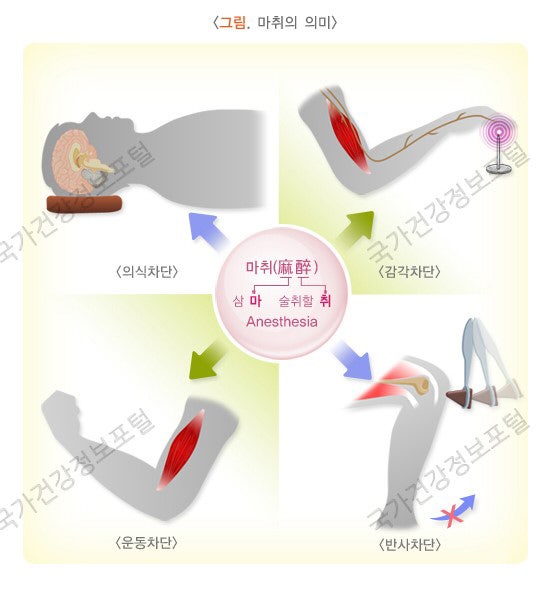
General anesthesia is a method of administering anesthetic agents to suppress central nervous system function, thereby eliminating consciousness, overall sensation, movement, and reflexes.
It is a series of medical procedures in which a specialist in anesthesiology and pain medicine maintains the patient in a state free of pain, consciousness, and movement while also properly maintaining breathing, blood pressure, and overall condition during surgery.
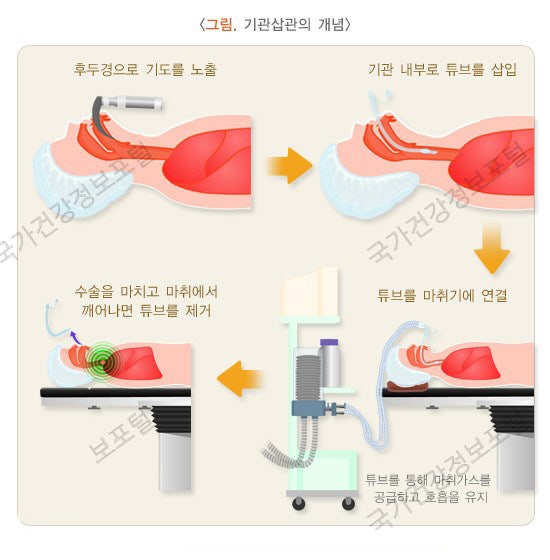
To perform general anesthesia, an endotracheal intubation procedure is done.
Because this is performed while the patient is asleep, the patient does not know it is happening.
Through this intubated tube, the airway is managed and artificial ventilation is performed.
Then, let’s look at the aftereffects that can occur with general anesthesia.
They can be broadly divided into two categories: side effects that may occur during general anesthesia and side effects that may occur after general anesthesia.
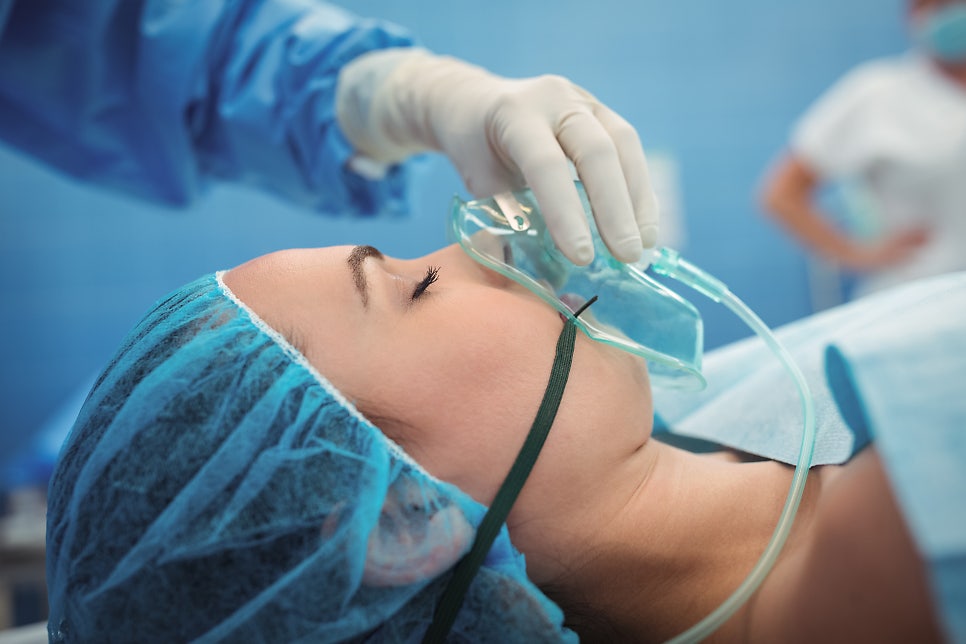
- Complications that can occur during general anesthesia
During general anesthesia, there may be damage to the teeth or airway, and hypoxia can occur if intubation within the airway is difficult.
However, since an experienced specialist in anesthesiology and pain medicine performs the intubation in most cases, you can think of these problems as being very rare.
Before general anesthesia, an 8-hour fast is required.
If this is not followed, food remaining in the stomach may reflux and enter the airway, which can lead to aspiration pneumonia.
If there is a problem with the heart, arrhythmia or myocardial infarction may also occur.
In addition, malignant hyperthermia, in which body temperature rises due to anesthetic agents, may occur, but this can be treated with a drug called dantrolene.
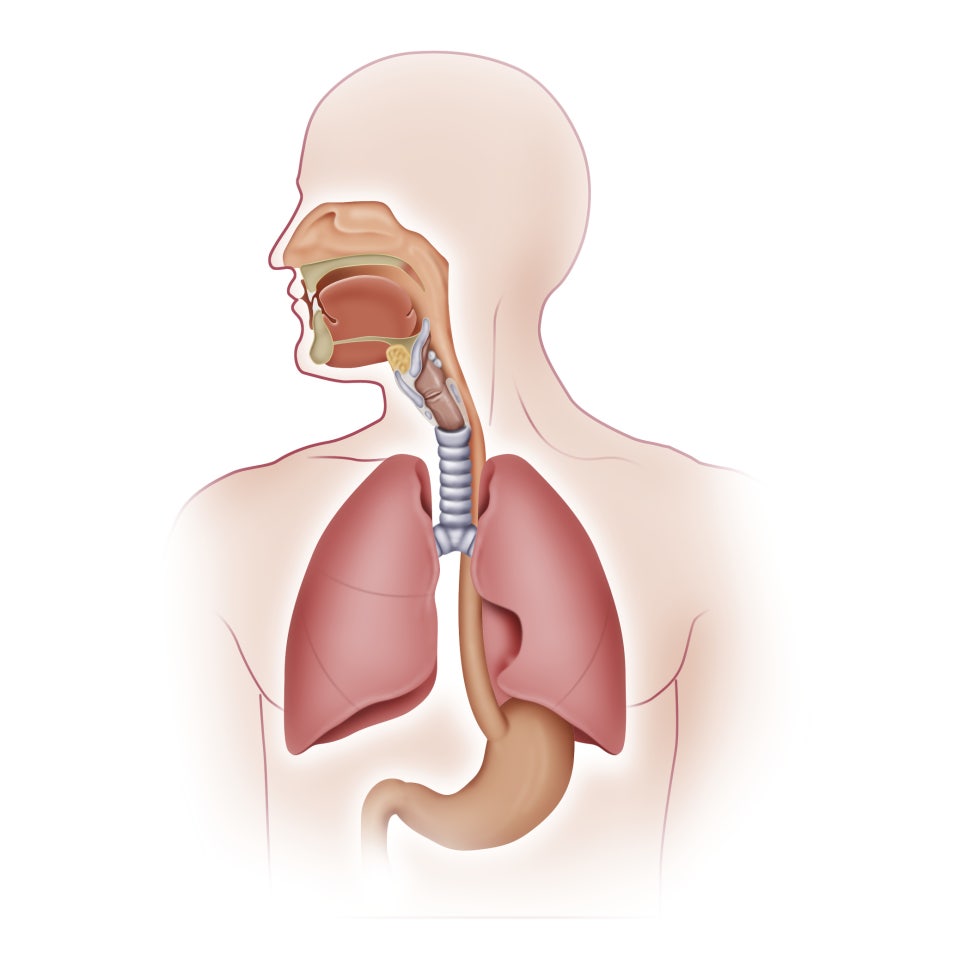
- Complications that can occur after general anesthesia
After general anesthesia, pneumonia, atelectasis, or pulmonary edema may occur.
To help prevent lung-related complications after anesthesia, it is important to cough strongly, take deep breaths frequently, and clear phlegm well after surgery.
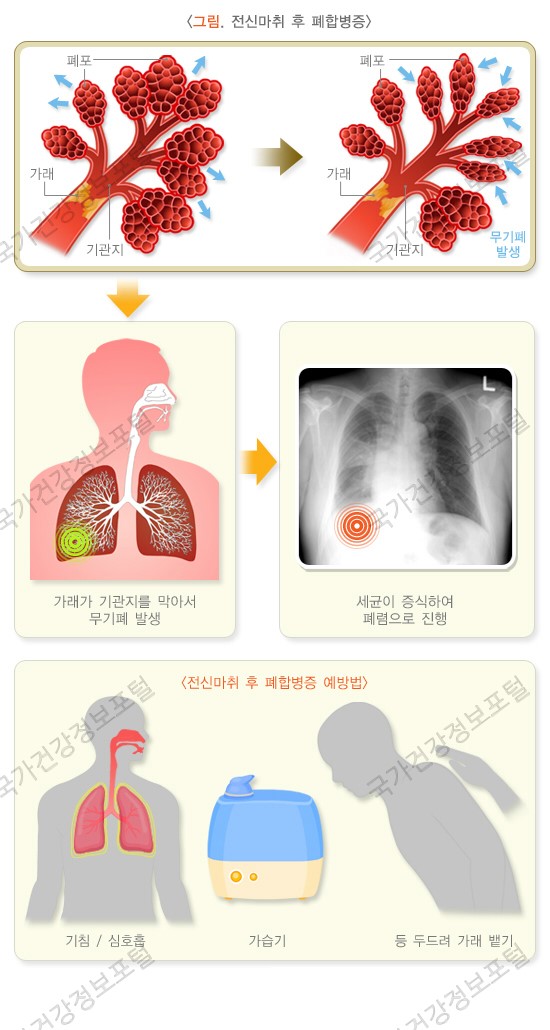
Liver function may weaken, kidney function abnormalities may also occur in some cases, and nerve damage due to the surgical position has also occasionally been reported.
The aftereffects of general anesthesia differ from person to person, but this is simply a list of complications that can truly occur.
Another question people often ask about anesthesia is, “Does general anesthesia make you less intelligent?”
When I look through the literature, anesthetic agents are drugs that act on the brain to eliminate consciousness and dull sensation.
Because anesthetic agents suppress brain function, people worry that general anesthesia will make them less intelligent, but there is usually no evidence that it makes you less intelligent.
However, some have raised the view that toxic effects may appear in brains that are vulnerable to damage, such as those of very young newborns or older adults, especially brains affected by dementia.

Lastly, one topic worth mentioning is intraoperative awareness.
Even in movies, there are scenes where someone wakes up during general anesthesia and feels everything.
It is generally said to occur in about 0.2% of cases. However, it is more likely to occur during major trauma surgery or heart surgery, and you can think of it as being almost nonexistent during ordinary general anesthesia.
So far, we have looked at the aftereffects that can occur due to general anesthesia.
As with all surgeries, there is always a possibility of side effects.
However, if the surgery is performed safely and well, it will remain only a possibility. Also, being aware of these possibilities in advance may help you prepare for surgery.
Thank you.