Hello, I’m Dr. Jo Hyun-woo of 입체성형외과.
Today, I’d like to talk about a somewhat special surgery: correction of protruding eyes and sunken eyes.
Protruding eyes refer to a condition in which one eye or both eyes protrude or stick out more than normal. This is called exophthalmos.
It is also sometimes called frog eyes or goldfish eyes.
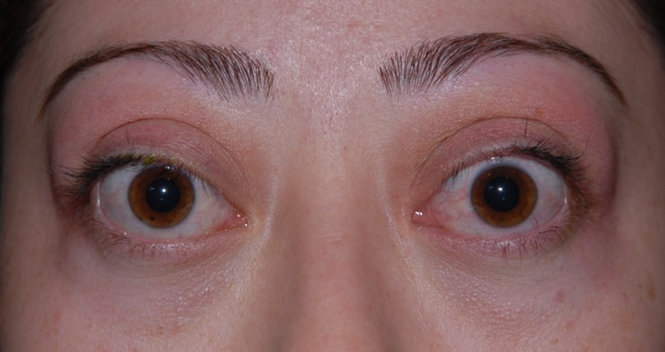
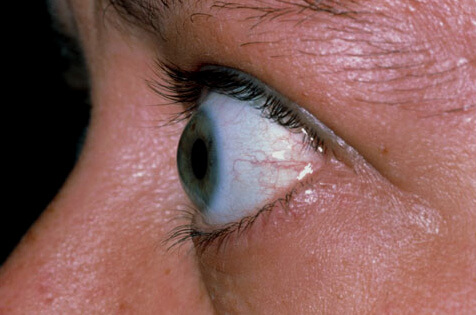
Protruding eyes can occur congenitally when the orbital space is narrow, or later in life due to hyperthyroidism (the main cause is an autoimmune disease called Graves’ disease), trauma, and other causes.
If the protruding eyes are caused by hyperthyroidism, eye problems can occur beyond cosmetic concerns.
Because the eyelids may not close properly, dry eye can develop, and double vision can also appear.
In severe cases, vision loss can occur, so careful observation is necessary.
Even when there are no eye problems, many people want to address protruding eyes for cosmetic reasons.
In such cases, the surgery that can be performed is orbital expansion surgery (orbital decompression surgery).
Also, sunken eyes refer to a condition in which an injured eye appears to be set back due to trauma.
This often occurs in what is commonly called an orbital fracture (blowout fracture).
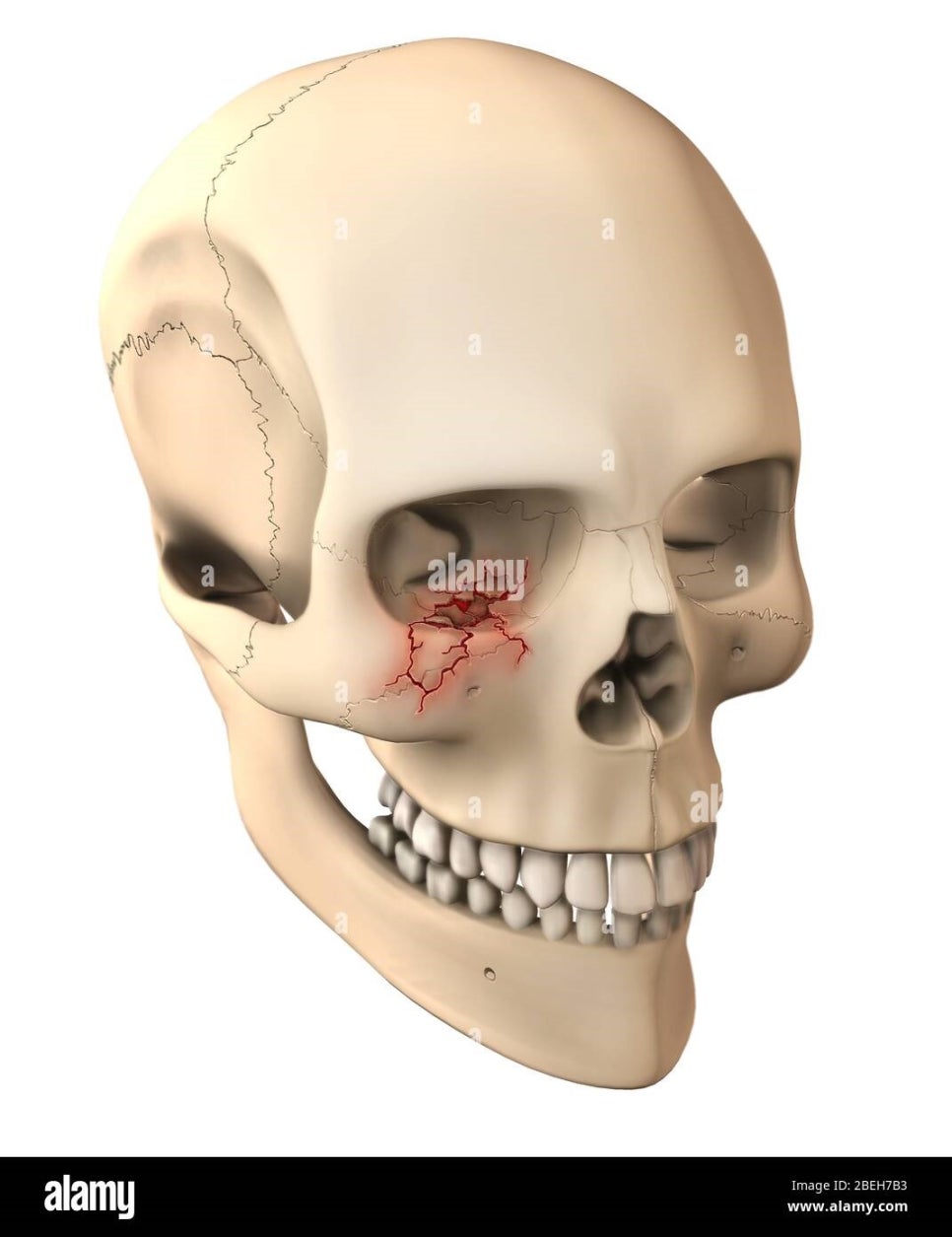
When the thin bone surrounding the eyeball breaks due to external pressure,
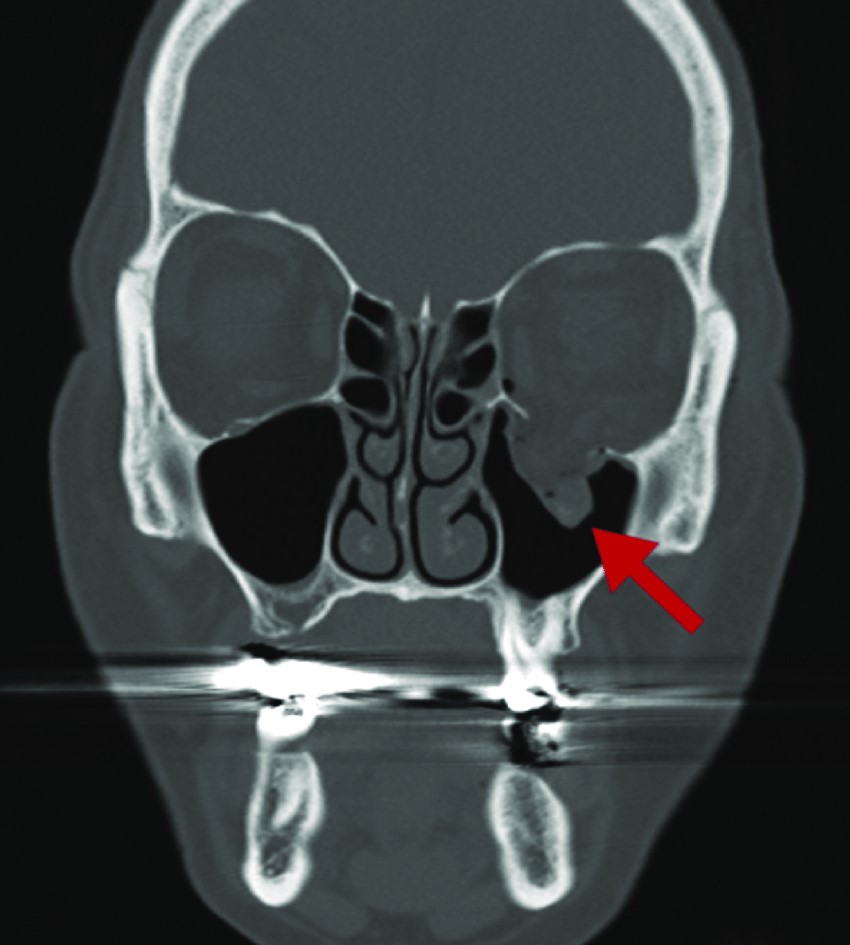
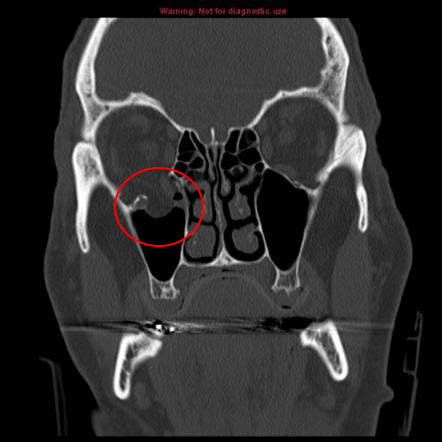
the tissues surrounding the eyeball can shift outward, and in severe cases, the muscles can also be displaced, causing restricted eye movement.
When I was at a university hospital, many injured patients came in, so I think I saw many cases like these fractures.
In such cases, as the tissue of the broken eye decreases, the eye appears to be sunken backward.
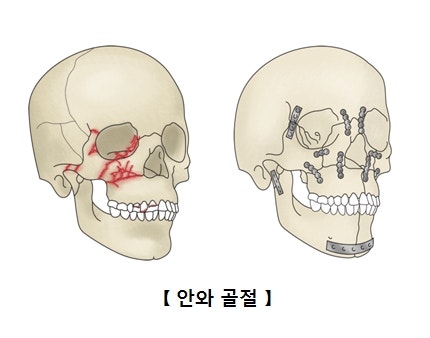
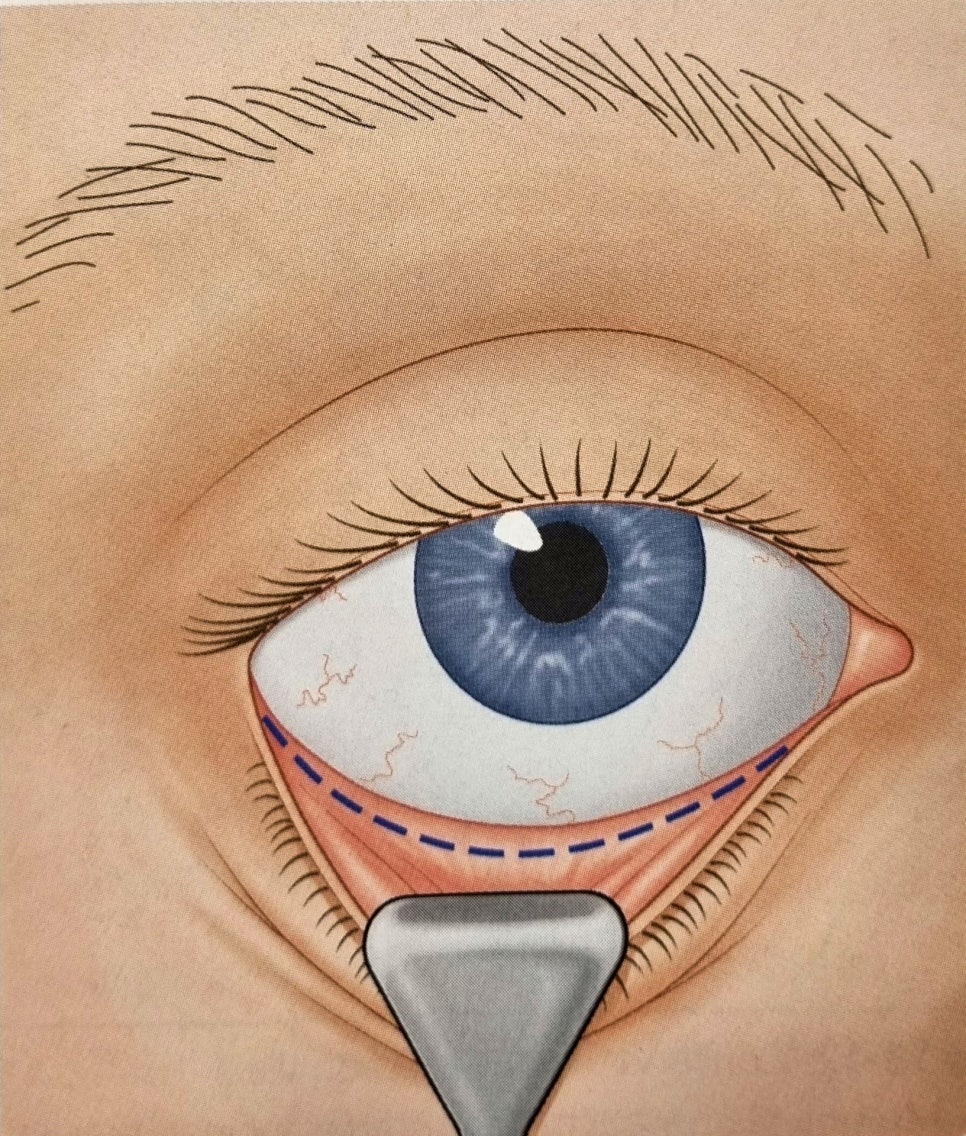
For this kind of sunken eye, an incision is made inside the eye to fully expose the broken parts of the orbital floor and lateral wall, then the tissues are brought back toward the eye and the orbital floor is reconstructed. The surgery inspired by this is orbital expansion surgery (orbital decompression surgery).
It is a surgical method that intentionally pushes out part of the orbital bone and removes fat or moves tissue downward.
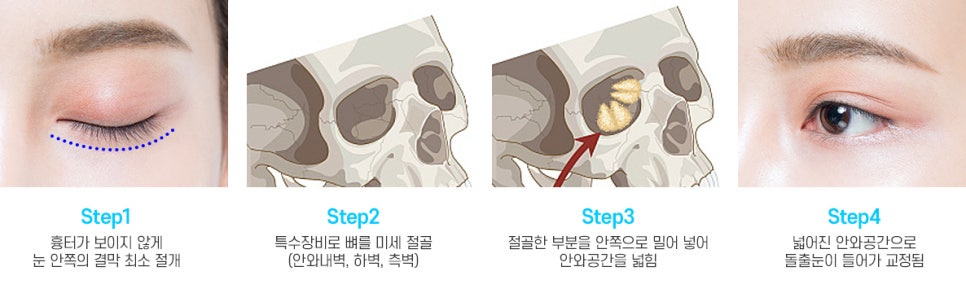
Honestly, when I first saw a presentation about this surgery about 15 years ago, I was shocked.
Would intentionally breaking healthy bone to correct it really have that many advantages? Wouldn’t problems arise later? Those were my thoughts.
But now that I see it being performed at many hospitals, it seems to have become a well-validated surgery.
Of course, I still do not perform this surgery on ordinary cosmetic patients, but if the opportunity arises, it seems like a method worth trying to apply even to cosmetic surgery.
The opposite condition, enophthalmos, is addressed through reconstruction in traumatic cases, as mentioned earlier.
If it is congenital and mild, I recommend fat grafting into the eye area.

If fat grafting is performed on the fat layer surrounding the eye within the limited space of the eyeball, sufficiently good results can be achieved.
However, more severe enophthalmos can be addressed by filling the area around the bone with methods such as artificial bone insertion or cartilage grafting.
The surgeries for protruding eyes and sunken eyes that I have described so far are neither especially time-consuming nor complex.
They usually take about 30 minutes per eye, and doctors who have performed many surgeries on trauma patients are likely to find them relatively easy.
Today, I talked about correction of protruding eyes and sunken eyes, which can be considered somewhat unfamiliar surgeries.
Please do not think of them as too difficult. If you are worried about this issue, it may be worth considering, since these are surgeries that can produce good results.
Thank you.