Hello, this is Dr. Jo Hyun-woo of Instyle Plastic Surgery.
This summer was especially hot and rainy.
Today, the weather outside has finally become cool enough to make it feel like summer is ending.^^
Today, I’d like to talk about how to reduce bleeding during facial contouring surgery.
In fact, bleeding occurs in other plastic surgeries as well, not just contouring surgery.
It is not the case that contouring surgery in particular causes more bleeding.
When surgery is performed through precise dissection, there is no significant risk of damaging large blood vessels except in special cases.
Small blood vessels are cauterized using surgical instruments, so there are not many cases of significant bleeding.
However, even with the same surgery, depending on the patient’s characteristics, there are cases where oozing occurs, meaning blood continues to seep out.
Some people have a slower blood-clotting time, and to distinguish these cases, blood tests are done in advance before surgery.
Even if blood test values are normal, people who bruise easily in everyday life may still have a tendency to bleed.
Also, in my experience, people who take many dietary supplements often seem to bleed more and have difficulty with hemostasis.
It would be better to reduce these dietary supplements before surgery.
Going back to the surgery itself,
The most troublesome part of contouring surgery is the bleeding from the cut surface of the bone after the bone has been cut.
Because it comes from the bone surface, electrocautery cannot be used, and it is also not visible.
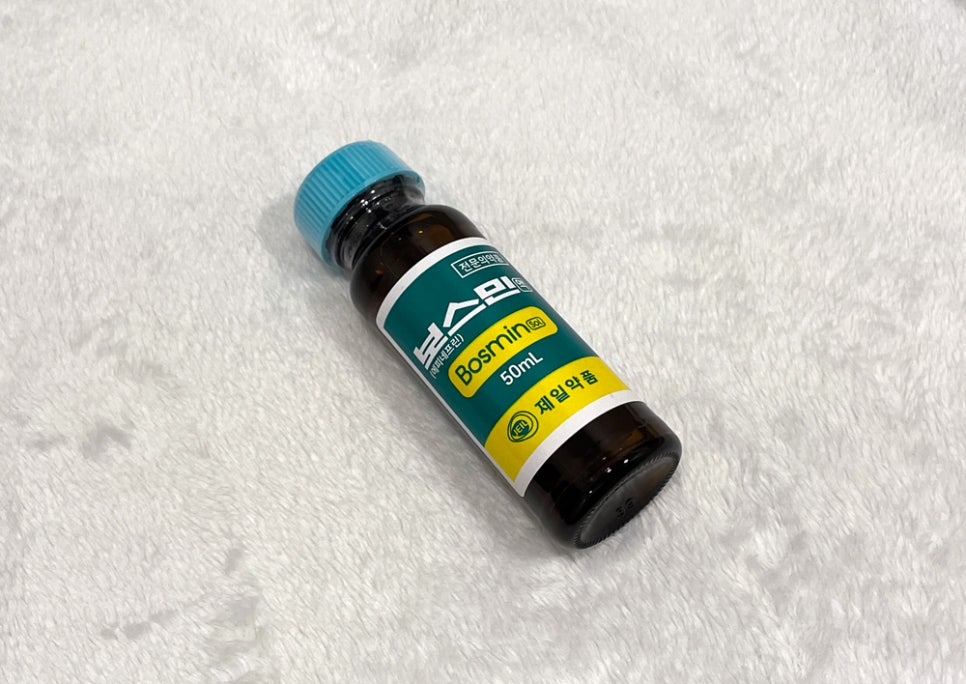
In such cases, gauze soaked in a liquid called Bosmin is used to apply pressure and wait for the bleeding to stop.
If a large amount of blood comes from the bone, we may also cover it with a paraffin-like material called bone wax.
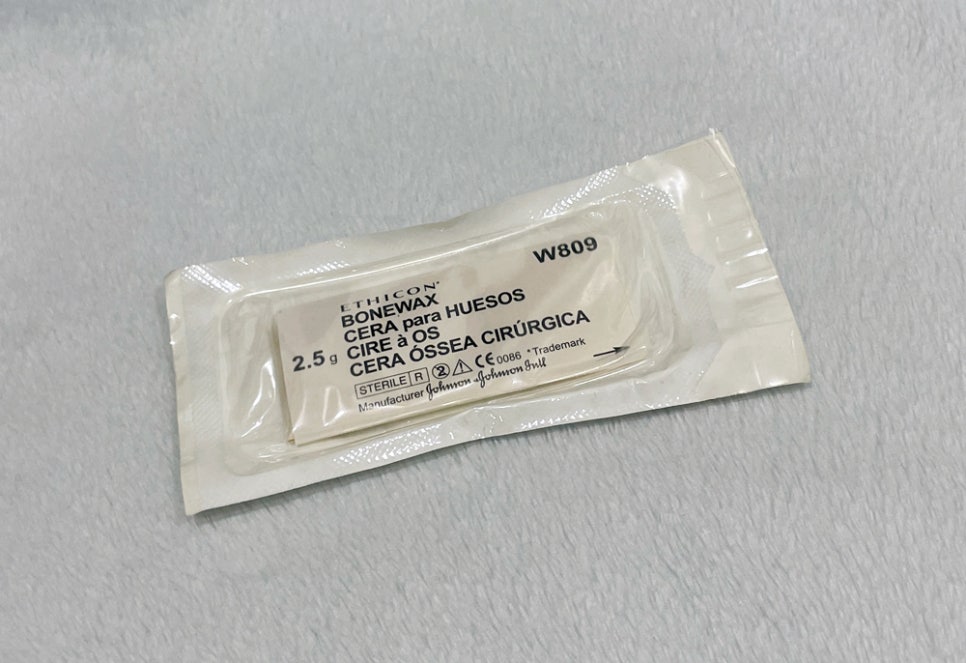
Bone Wax has been widely used for a long time.
Sometimes the bone wax itself clumps together and forms a lump, so it is rarely used these days and is only used when there is too much bleeding.

In addition, when there is a lot of bleeding from tissue rather than bone, and hemostasis is difficult, a product called Surgicel may be used.
Surgicel is a medication that helps stop bleeding by releasing an auxiliary substance that helps blood clotting.
Besides these direct hemostatic agents, another medication I often use during surgery is Doranzamin.

This is the brand name of a drug called Tranexamic Acid.
You can think of it as helping blood clot by supporting the process that converts plasminogen into plasmin.
It is widely used not only in contouring surgery but also in patients with a strong tendency to bleed, and its effectiveness has been well verified in many studies.
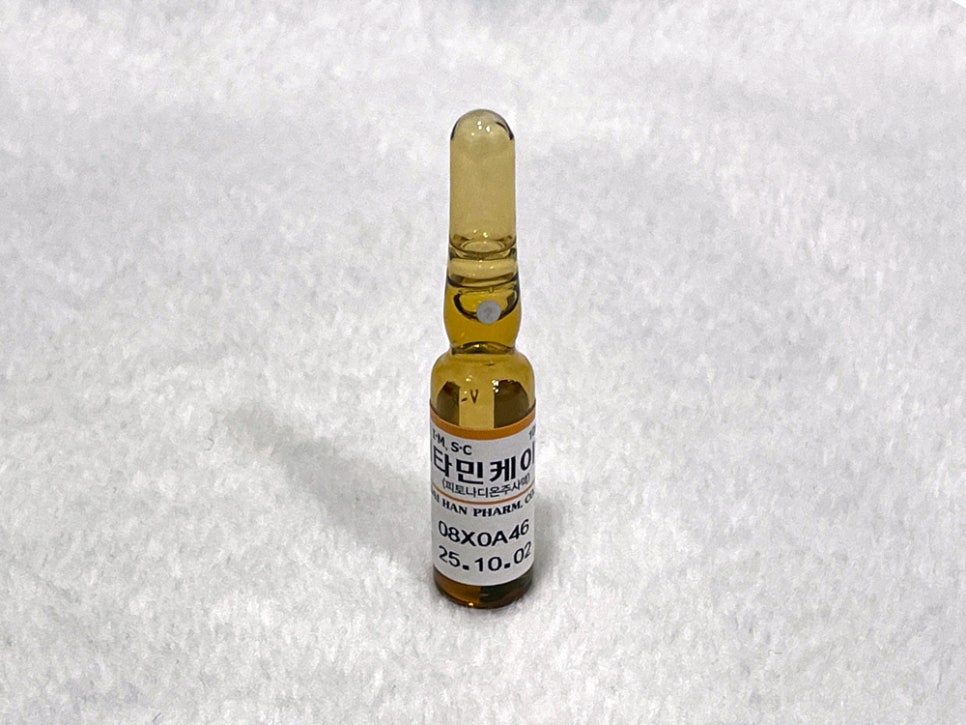
Another medication used is vitamin K.
Vitamin K is also said to play a role in helping blood clotting within the blood coagulation mechanism.
I usually use these two hemostatic agents for patients who bleed a lot.
Using these medications does not mean the bleeding will stop immediately and unconditionally, but they can help to some extent and prevent blood from pooling or large bruises from forming.
Today, we looked into bleeding during contouring surgery.
When surgery goes smoothly without any problems, contouring surgery usually involves very little bleeding.
However, if the surgery itself goes cleanly but there is bleeding from the bone, or if there is a strong tendency to bleed and blood pools, I think that using the hemostatic agents described above appropriately can sufficiently help prevent major bleeding.
All preparations are in place for emergencies during contouring surgery, so there is no need to worry too much about bleeding.
Thank you.