Hello, this is Dr. Jo Hyun-woo of 3D Plastic Surgery.
Today, I’d like to talk about the osteotomy methods used in zygoma reduction surgery.
These days, patients are exposed to a lot of information directly and ask many questions.
One of the most common questions about zygoma surgery is about the osteotomy method.
When undergoing 3D zygoma surgery, people ask whether an L-shaped osteotomy, trapezoid osteotomy, I-shaped osteotomy, or inverted L-shaped osteotomy is used, and so on.
Personally, I think all of these osteotomy methods are just different names, and that clinics following the latest trends in zygoma surgery will perform almost the same operation 99% of the time.
First, looking at the development history of zygoma surgery:
Shaving or burring
Onizuka et al, 1983: intraoral
Whitaker, 1991: coronal
In the literal sense, in the early days, the cheekbone was simply shaved down.
Surgeons in those early days shaved the visible portion of the cheekbone through dissection from 1983 and 1991 onward.
However, this type of surgery naturally had limits in how much reduction could be achieved, and when the arch portion of the cheekbone was shaved, the bone often became thinner, which frequently led to poor outcomes.
Arch Infracture + Incomplete Body Osteotomy
Hwang et al, 1997
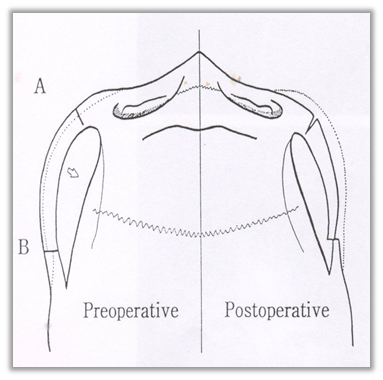
This surgical method was introduced to compensate for the shortcomings of the early techniques.
It was presented in a paper published in 1997, and based on this method, the quick zygoma surgery, which pushes in the arch portion of the cheekbone without fixation, began.
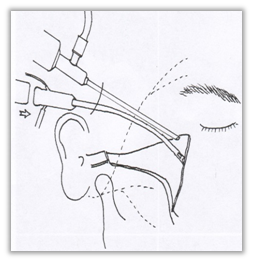
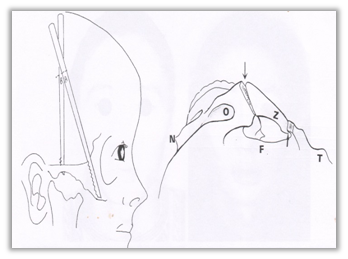
The drawback of this surgery was that the 45-degree cheekbone area was not reduced at all, so to address this, methods such as cutting out part of the cheekbone body or performing shaving were introduced.
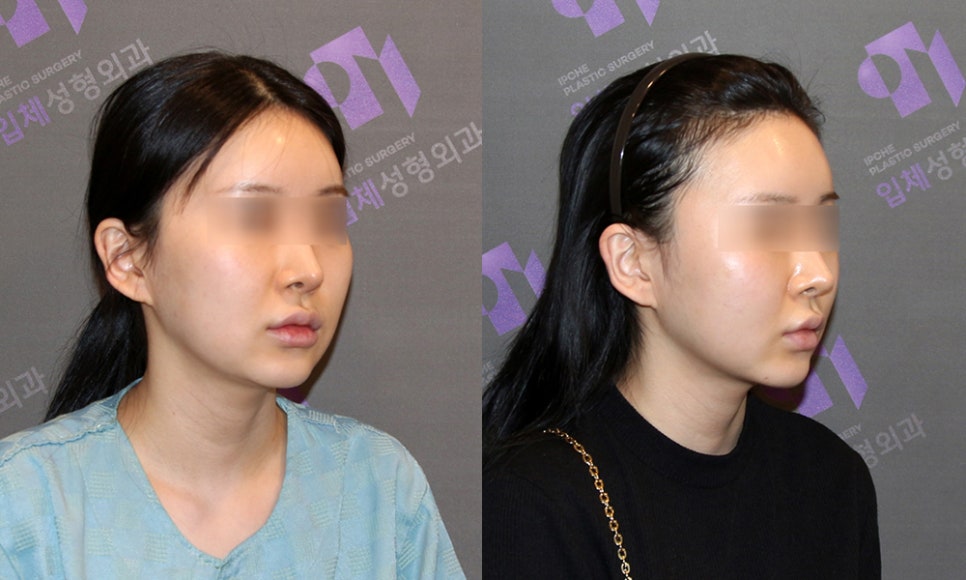
This patient came to the clinic because, two years ago, they had undergone quick zygoma surgery at another hospital and felt that the 45-degree cheekbone area looked prominent.
At our clinic, shaving was performed on the 45-degree cheekbone area, and if you look at the before-and-after photos, you can see that the volume of the 45-degree cheekbone has been significantly reduced.
Body Ostectomy + Arch Greenstick Fracture
In 2000, the 3D zygoma surgery method that serves as the basis for what is commonly performed today was introduced.
This method involves removing part of the bone in the 45-degree cheekbone area and cutting the bone in the cheekbone arch area so it can be pushed inward.
From this point on, various osteotomy methods for the 45-degree cheekbone area were developed.
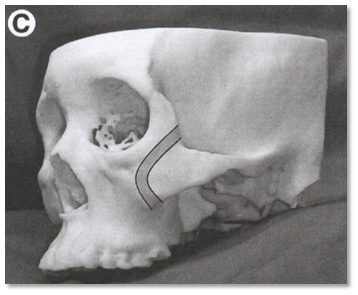
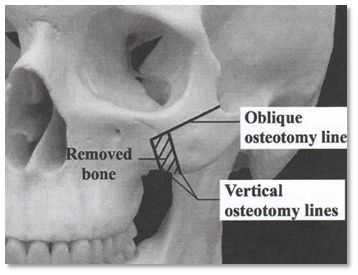
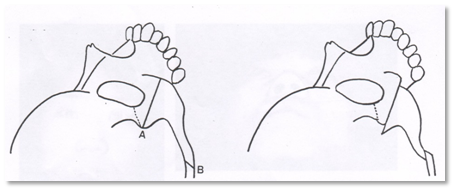
As you can see from the diagram, there are various methods such as L-shaped, I-shaped, and inverted L-shaped osteotomies.
Looking at the latest trend these days:
Malar repositioning with bone Z-plasty
The latest 3D zygoma surgery method involves repositioning the cheekbone and cutting the bone in the cheekbone arch area into a Z shape before fixing it.
When cutting the 45-degree cheekbone area, the cut is made in a trapezoid shape that becomes narrower toward the top to avoid creating a gap between the bones, and the deeper portion is cut more widely.
Of course, the L-shaped cutting method is widely used to prevent the bone from separating.
If the bone is cut precisely, pushed inward by about 2 to 4 mm, and the cheekbone arch is osteotomized and fixed in a Z shape, the maximum effect can be achieved.
If you look at the actual patient’s postoperative CT images:
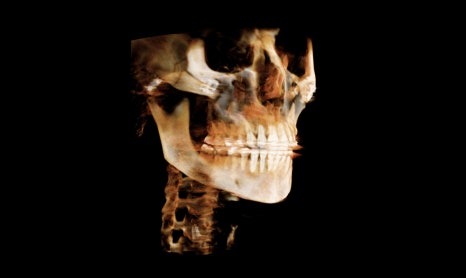
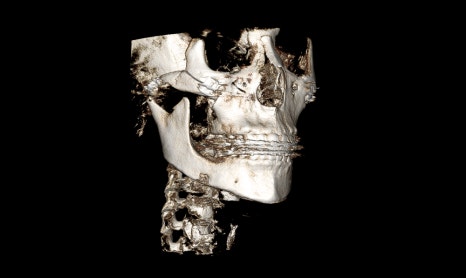
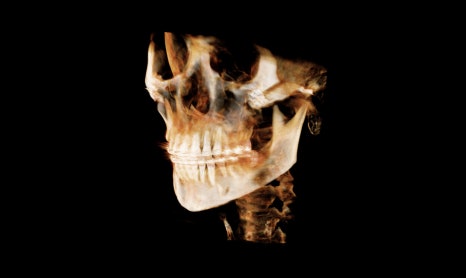
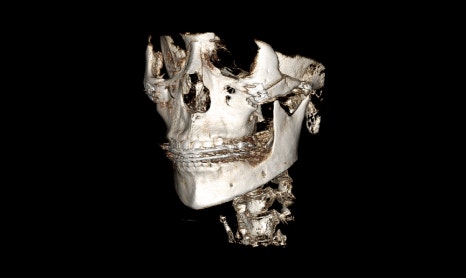
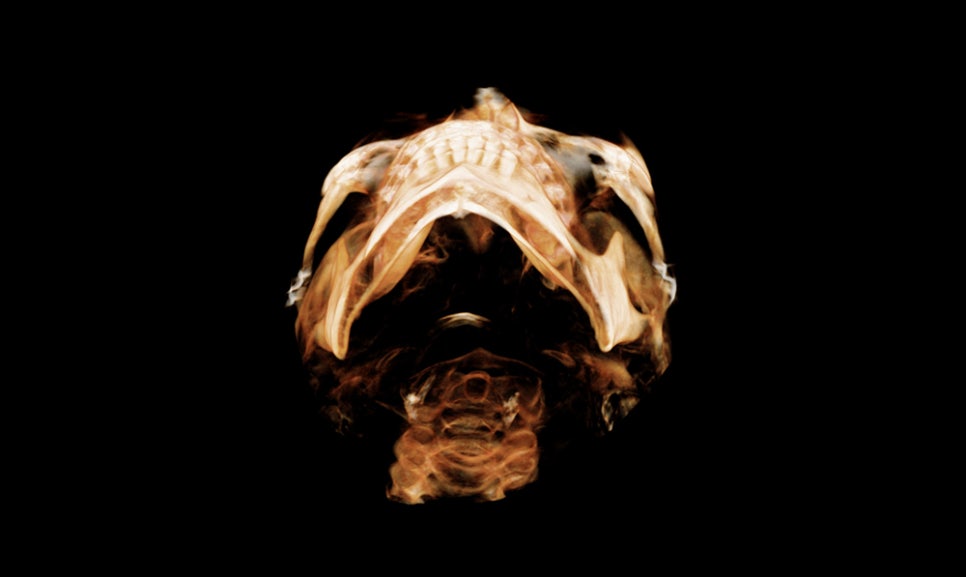
The osteotomy was performed in an L shape, and it is firmly fixed without any gaps.
From the bottom view as well, you can see that the width of the cheekbone has been reduced exactly.
When surgery is performed this way, you can achieve the maximum effect of 3D zygoma surgery.
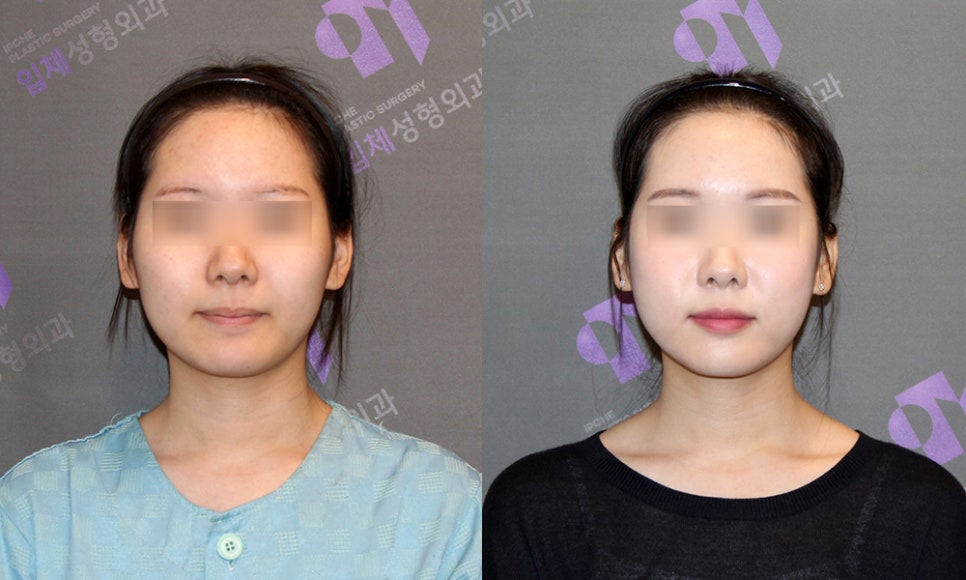
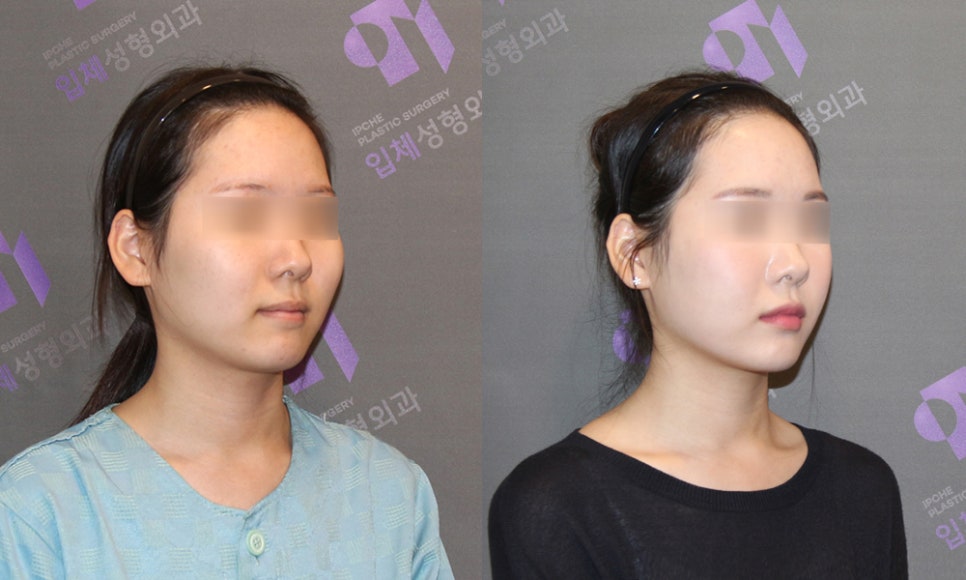
This patient had especially developed cheekbones in both the 45-degree area and the side cheekbone area, so 3D zygoma surgery was performed to achieve the maximum reduction effect.
If you look at the before-and-after photos, you can see that the overall width of the face and its broad appearance have been greatly reduced.
Up to now, I have explained the history and surgical methods of zygoma reduction surgery.
Rather than thinking too deeply about the many surgical methods, it may be easier to simply trust that a clinic performing surgery according to the latest trends is using the method that can deliver the greatest effect.
There are also a few tips within this surgical method, but I will omit them because the explanation would be too detailed.
Thank you.