Hello, this is Jo Hyun-woo from Injeop Plastic Surgery.
It seems that the rainy season is almost over now, and the season of scorching midsummer is approaching.
It also seems like many people are getting ready to go on vacation these days.^^
Today, what I’d like to talk about is that when people hear “contour surgery,” they often think it is a major operation that always requires general anesthesia.
In fact, there are contour surgeries that can be performed under sedation anesthesia.
So let’s take a look at which procedures can be done under sedation anesthesia.
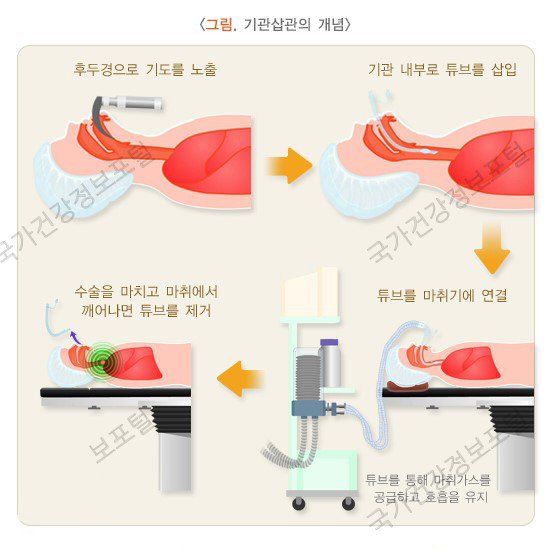
Actually, contour surgery does not require general anesthesia simply because it is a major operation.
With general anesthesia, the patient does not wake up no matter how much stimulation is given, and the surgery is performed while breathing depends on the anesthesia machine.
It is applied to highly complex procedures rather than simple ones.
Also, general anesthesia is not used just because bone is being removed.
In general, contour surgery is performed through incisions inside the mouth.
During surgery, bleeding can occur, and after cutting the bone, the inside of the mouth is thoroughly washed to prevent inflammation.
With sedation anesthesia, the patient’s airway is not secured, so if blood or water enters the airway, it can cause serious problems.
Therefore, when performing standard contour surgery, it is better to think of general anesthesia as being used to secure the airway.
In addition, general anesthesia makes surgery easier because there is no movement.
So, what kinds of contour surgery do not require general anesthesia?
Simply put, if there is no incision inside the mouth, you can think of it as being possible under sedation anesthesia as well.
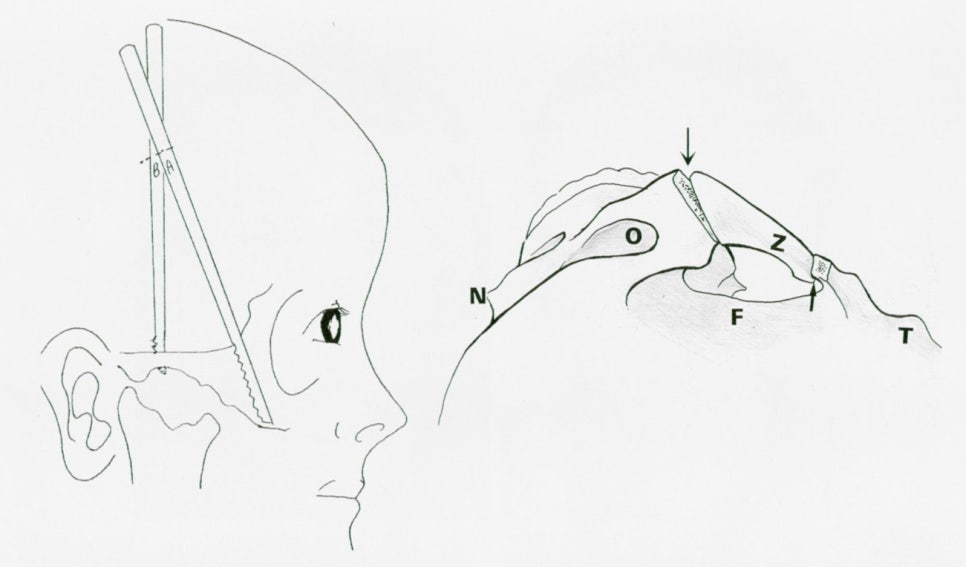
The 230-degree 3D zygoma reduction surgery performed at our clinic is different from standard zygoma reduction surgery in that it is carried out through a scalp incision, so the patient’s breathing can be sufficiently monitored while performing the operation under sedation anesthesia.
In particular, because the surgery time is shorter than other facial contour procedures, if you want to reduce the cheekbone area but feel burdened by general anesthesia, it is possible to proceed with surgery through 230-degree 3D zygoma reduction surgery.
Next, there is a procedure called posterior-approach square jaw surgery.
I personally do not prefer posterior-approach square jaw surgery, so I do not perform it, but looking at CT results of posterior-approach square jaw surgery these days, there seem to be some surgeons who do it very precisely.
Square jaw surgery requires careful observation because blood vessels are distributed near the bone and nerves are also present.
For that reason, I prefer an intraoral incision that allows a direct surgical view.
In addition, cortical osteotomy and masseter muscle resection can also be performed safely and accurately through the mouth.
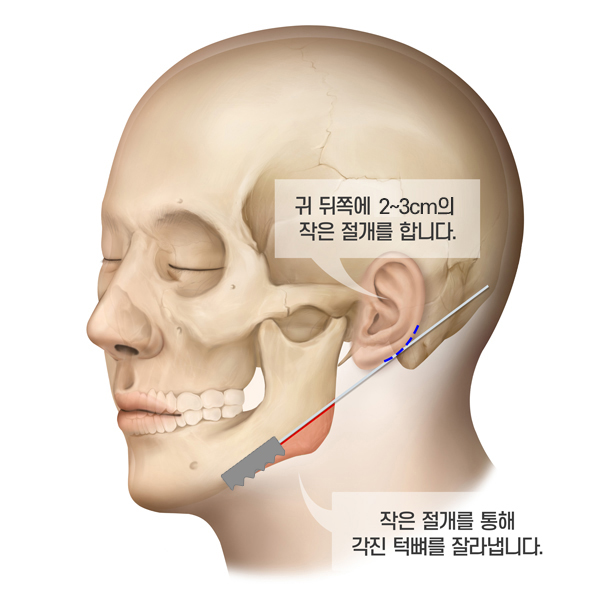
Posterior-approach square jaw surgery involves cutting the square jaw bone through an incision behind the ear.
Of course, since it is not an intraoral incision, the surgery can also be performed under sedation anesthesia.
However, because the area behind the ear has a narrow field of view and it is difficult to clearly see up to the area where nerves emerge, cutting the bone in a long curved line seems to be a procedure that requires a great deal of experience.
Next, the surgery that can be done under sedation anesthesia is a simple chin surgery.
Recently, when performed as a stand-alone chin surgery, it is also being done under sedation anesthesia.
Compared with other cheekbone or square jaw surgeries, chin surgery involves less bleeding and the operation time is shorter, so it can be performed under sedation anesthesia.
However, this also requires irrigation, so care must be taken to prevent water from entering the mouth in order to perform the surgery without problems.
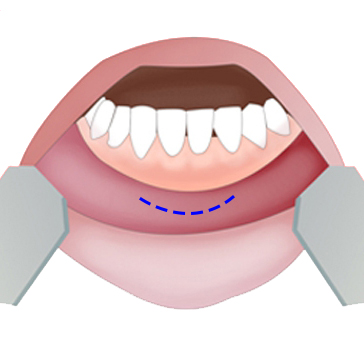
Because chin surgery is performed by making an incision of about 3 cm at the front of the mouth, if bleeding or water overflowing occurs, you can see it directly with your eyes and prevent it, so it is reasonable to think that it can also be performed under sedation anesthesia.
In fact, the most important thing in performing surgery is the patient’s safety.
Sometimes some hospitals say that contour surgery done through the mouth is also performed under sedation anesthesia. Of course, procedures such as pin removal surgery or shaving, where there is not much bleeding, can be done.
However, it is important to secure the airway properly.
Thinking that general anesthesia is dangerous and difficult is, in my view, a wrong prejudice.
With general anesthesia, an anesthesiologist monitors the patient from start to finish, so the surgery can be performed safely.
General anesthesia has the disadvantage that your throat may be slightly sore after surgery, but the recovery speed from anesthesia is not much different from sedation anesthesia.
If you are considering facial contour surgery, do not be afraid simply because it involves general anesthesia. Through sufficient consultation, choose the surgery that is right for you and receive it safely, and you should be able to achieve good results.
I hope this was helpful. Thank you.