Hello, this is Director Jo Hyun-woo of Ipcheok Plastic Surgery.
Today, I would like to look into the side effects of double jaw surgery, which many people are curious about.
At present, I am not performing double jaw surgery myself, so I will be sharing this based on various papers.
Double jaw surgery is widely performed not only for aesthetic effects but also to improve function,
but because it is a highly demanding procedure, there is a high possibility of various side effects and complications.
I will explain in detail the things patients must know and prepare for before surgery.
Nerve damage: Possible numbness and permanent paralysis
One of the most common side effects after double jaw surgery is nerve damage.
During double jaw surgery, the upper and lower jaws are moved, and at this time the inferior alveolar nerve, the hypoglossal nerve, and the dental nerves may be damaged.
According to studies, about 10% to 85% of patients experience reduced sensation at the surgical site after double jaw surgery, and in particular, sensory abnormalities occur in the lower lip and chin area.
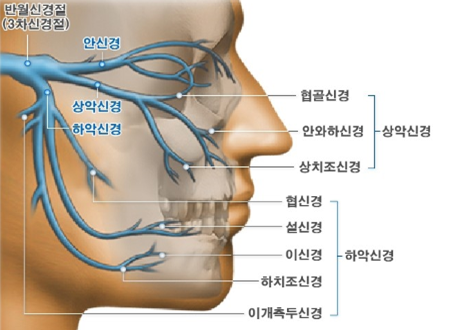
The main causes of nerve damage are incisions and movement performed near nerves during surgery.
Even when the surgery is successful, the nerve may be compressed or excessively stimulated, causing dulled sensation, and this may recover within a few months.
However, in some patients, nerve damage may be permanent and recovery may not be possible.
To reduce the risk of nerve damage, it seems important for experienced medical staff to perform the surgery carefully based on accurate anatomical knowledge.
Temporomandibular joint problems: limited mouth opening and TMD
Temporomandibular joint problems can also occur frequently due to double jaw surgery.
If the temporomandibular joint cannot adapt to the new position as the upper and lower jaws are moved, temporomandibular joint disorders may be caused.
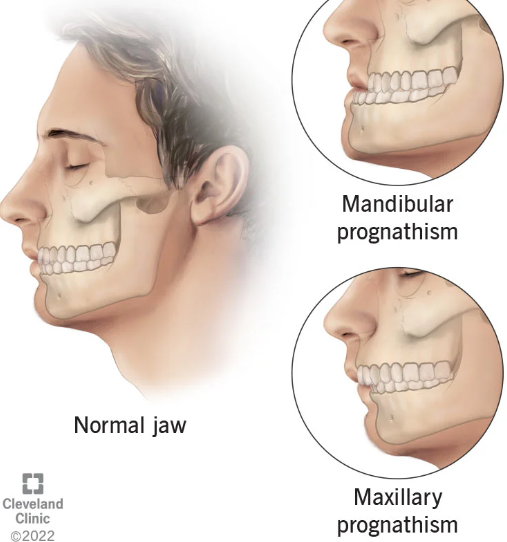
Temporomandibular joint disorders mainly cause clicking sounds in the jaw or pain.
In severe cases, it may become difficult to eat.
If the bite does not stabilize after double jaw surgery, the upper and lower jaws may not fit together properly, placing excessive stress on the temporomandibular joint.
This can trigger TMD, and if bite problems continue for a long time, limited mouth opening may also occur.
According to studies, the incidence of temporomandibular joint problems is highly related to the preoperative bite condition, and the worse the preoperative bite condition is, the higher the probability of TMD occurring after surgery.
Dissatisfaction: Appearance changes different from expectations
Many patients who undergo double jaw surgery expect changes in appearance, but the results after surgery may differ from what they expected.
In particular, changes in facial proportions due to movement of the upper and lower jaws can lead to an unnatural appearance.
Some patients may find that their nose looks wider after double jaw surgery, their face looks excessively narrow, or conversely, wider, which can lower satisfaction with their appearance.
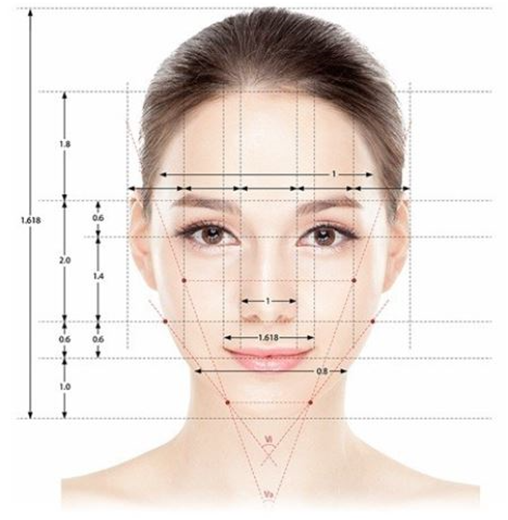
To prevent such aesthetic dissatisfaction, it is effective to have sufficient consultation before surgery and to use simulation technology that can predict facial changes.
Because small differences can lead to differences in outcomes, it is important to receive accurate information about predictable changes through thorough consultation, and it also seems necessary to preview how one’s face will change through digital 3D images.
Infection and inflammation: The importance of wound care
Double jaw surgery is a highly demanding procedure that involves making incisions in the gums, cutting the bone, and moving it.
After surgery, symptoms such as inflammation, bleeding, and swelling may appear, and if an infection occurs, the wound-healing process becomes longer and may lead to complications.
The infection rate highlights the importance of postoperative care, and thorough oral hygiene management and wound disinfection after surgery are necessary.
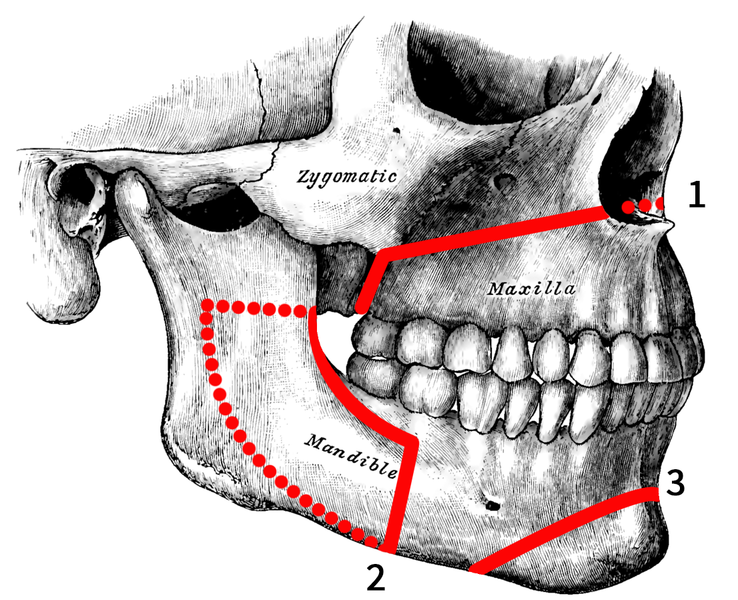
To prevent infection, it is necessary to check the wound condition through regular follow-up examinations after surgery and take antibiotics if needed.
In addition, it is important to keep the wound clean and maintain a clean indoor environment to prevent external bacteria from entering.
If postoperative care is not properly performed, not only will the wound recover more slowly, but additional infection may require reoperation.
Skin sagging
After double jaw surgery, some patients may experience skin sagging.
If the soft tissue and skin cannot adapt to the new facial structure, sagging may occur.
Problems such as cheek sagging, a double chin, and reduced skin elasticity may arise, leading to aesthetic dissatisfaction.
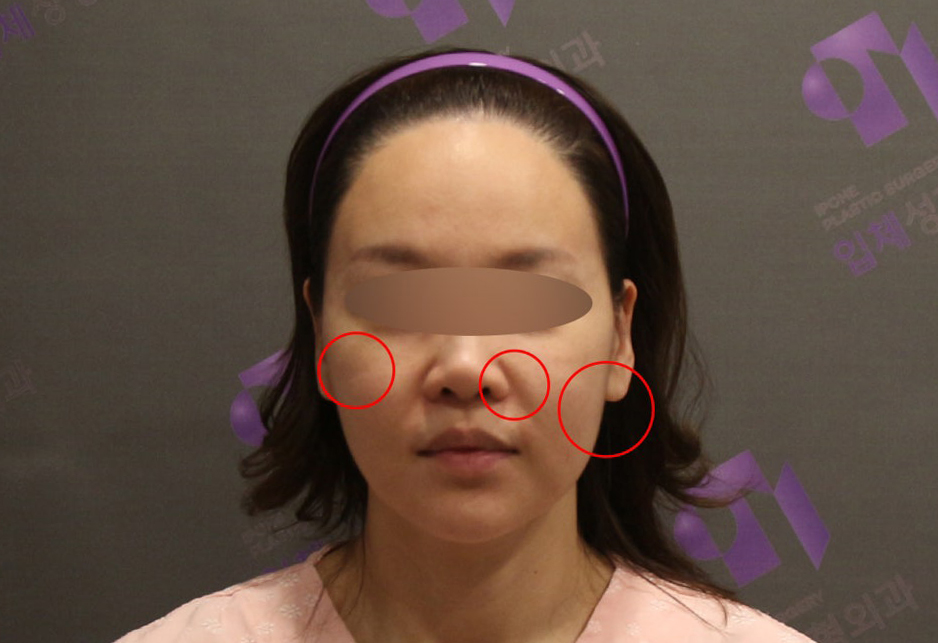
Skin sagging appears differently depending on the patient’s age and skin elasticity.
In middle-aged and older adults, skin elasticity is weaker, so there is a higher chance that facial skin will loosen or sag after surgery.
These changes can be improved through facelift surgery or thread lifting, and it would be good to fully consider the possibility of skin sagging before surgery and prepare measures accordingly.
Risk of bleeding: The importance of preparing for emergencies
Double jaw surgery carries a very high risk of bleeding.
Bleeding during surgery can lead to serious situations, and blood transfusions may be needed.
If excessive bleeding occurs, emergency intervention during surgery is required, and if the bleeding lasts too long, recovery after surgery may be delayed.
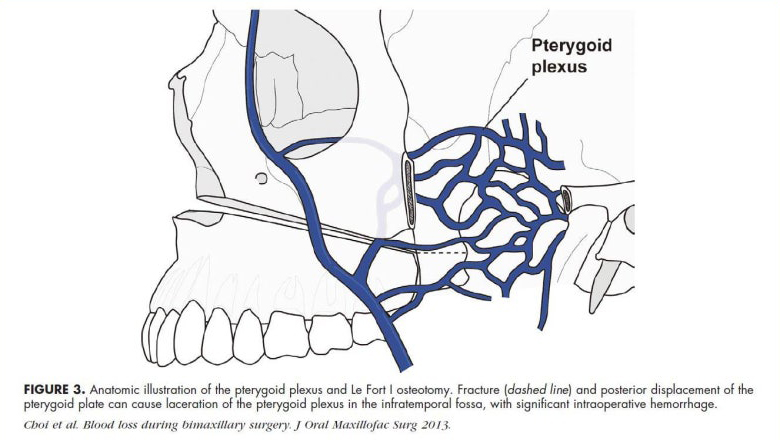
To reduce the risk of bleeding, thorough surgical planning and preparation of safety equipment are necessary.
In addition, there must be a system in place to closely monitor the patient’s blood pressure, pulse, and blood oxygen level during surgery so that any emergency can be handled quickly.
If bleeding continues after surgery, additional treatment may be needed, and a management system should be established in preparation for this.
Reoperation: Unstable bite alignment
Even after double jaw surgery, the bite may not align perfectly, and in such cases reoperation may be necessary.
Bite problems can affect eating and speaking and may cause inconvenience in the patient’s daily life.
In particular, when the initial bite is poor, the bite may remain unstable after surgery, leading to cases where a bite appliance must be worn or additional surgery is required.
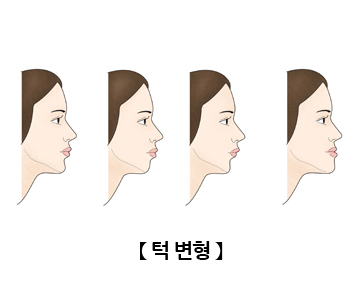
Reoperation can be prevented as much as possible through accurate diagnosis and planning before surgery, and thorough evaluation and monitoring of the bite condition are important.
If reoperation is unavoidable, thorough advance preparation and planning are required to improve the problems that occurred in the initial surgery.
Double jaw surgery is a highly demanding procedure that can improve both appearance and function, so various side effects may occur and careful consideration is necessary.
Before deciding on surgery, it is good to fully understand and prepare for nerve damage, temporomandibular joint problems, dissatisfaction, infection, skin sagging, bleeding risk, and the possibility of reoperation.
Also, if you manage the recovery process thoroughly after surgery and receive regular follow-up examinations, I believe you can achieve sufficiently good results.
Thank you.