Hello, I’m Director Jo Hyun-woo of 입체성형외과.
Today, I’d like to talk about correcting facial asymmetry.
Typically, the main concerns about facial shape are facial asymmetry and jaw asymmetry, which have strong asymmetrical elements.
Facial asymmetry refers to a condition in which the left and right sides of the face are not balanced. It occurs when the bones or muscles of the face grow out of balance due to various causes such as daily habits or genetics.
However, everyone’s face has some degree of asymmetry.
When the difference is significant, it can lead not only to cosmetic concerns and stress, but also to pain.
Generally, the first method people think of for improving facial asymmetry is orthognathic surgery.
If the facial axis is significantly tilted or the jawbone is noticeably misaligned, facial asymmetry can be improved through orthognathic surgery.
However, many patients do not want such a major operation.
In that case, an alternative option for improving facial asymmetry is facial contouring surgery.
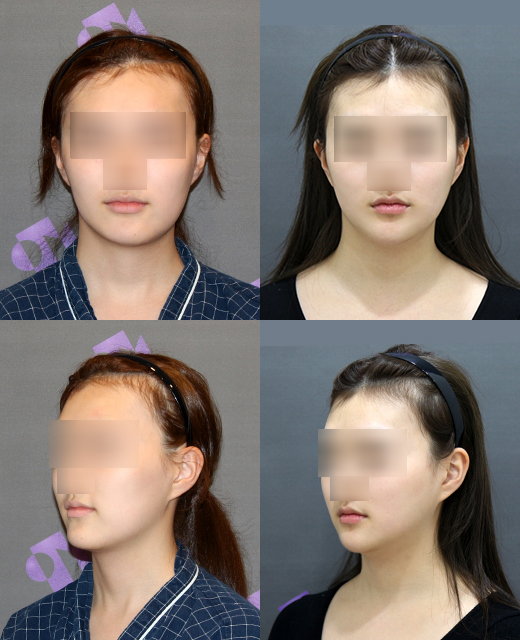
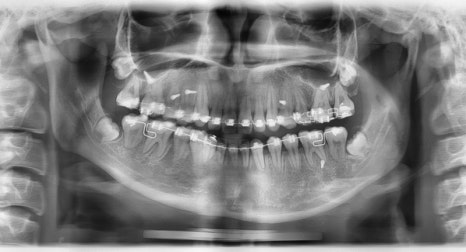
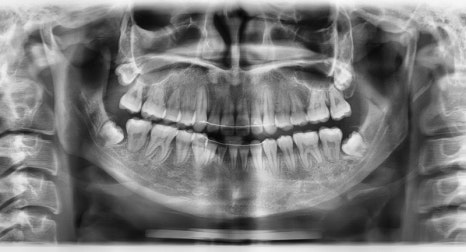
If only one side is more developed: (left side only) square jaw surgery, chin surgery
First, it is important to identify the cause of the asymmetry.
If only one side is more developed, facial asymmetry can be corrected with facial contouring surgery when shaving one side of the bone alone can have a corrective effect.
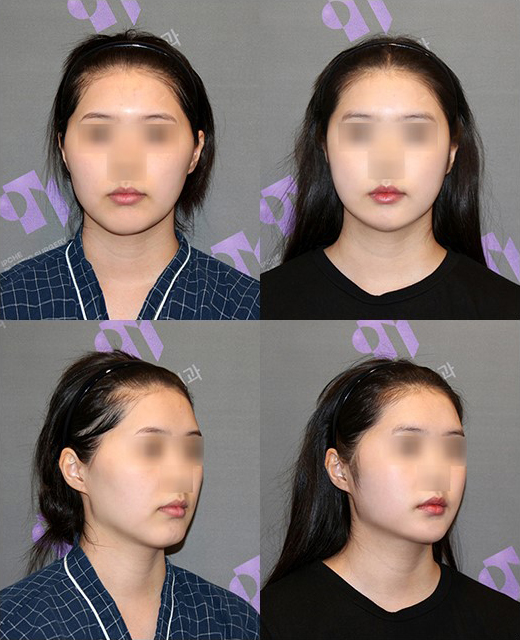
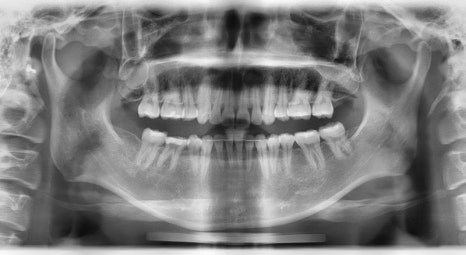
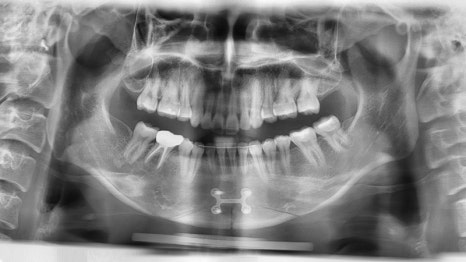
If there is asymmetry in the chin: chin surgery
When there is asymmetry in the position of the chin, chin surgery can help improve facial symmetry.
In addition to improving asymmetry, chin surgery can also be performed to match various chin shapes such as a long chin, protruding chin, receding chin, short chin, and wide chin.
Let me show you actual CT images.
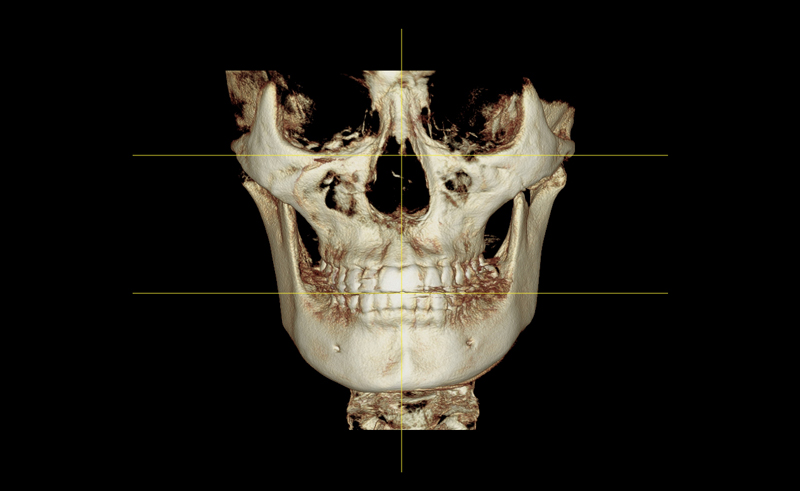
If you look at the CT image, the center axis of the upper and lower front teeth is aligned.
The facial axis is not twisted, and only the height of the chin tip and the jawline height are somewhat different.
In such cases, if jaw surgery is performed with a difference between the left and right sides, the asymmetry can be reduced to some extent.
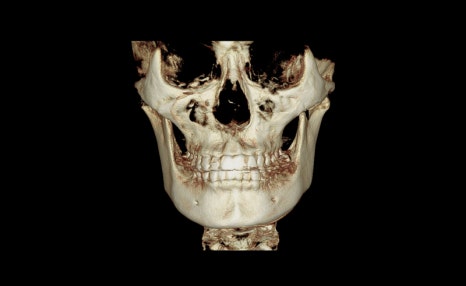
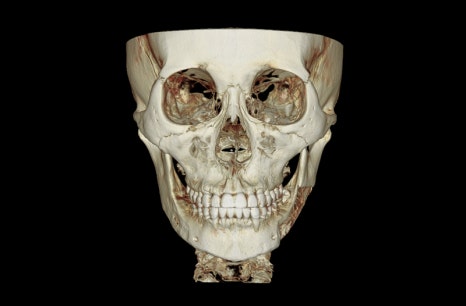
If you look at the CT scans before and after surgery, you can see that the asymmetry has been reduced.
The left mandible shows substantial cortical bone reduction.
Cortical bone contouring was performed without affecting the inferior alveolar nerve.
Let me show you actual follow-up photos.
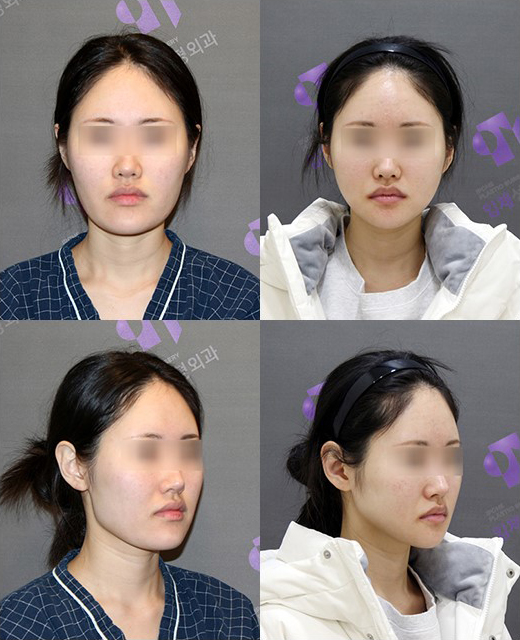
No matter which surgical method is used, asymmetry cannot be completely eliminated.
However, when the axis is tilted or rotated, orthognathic surgery can significantly reduce asymmetry.
If the difference is simply in height or width, facial contouring surgery can appropriately reduce the asymmetry.
After identifying the position of the nerve canal, the osteotomy should be performed while avoiding its course, and the surgical plan should be aimed at correcting asymmetry so that the left-right symmetry, length, and shape of the chin are adjusted together. This can minimize secondary angles and help correct jaw asymmetry and improve facial asymmetry.
It is important to have an accurate understanding of your own bone condition, and first of all, to choose a surgical plan accordingly and understand the pros and cons of each surgical method.
I hope this has been helpful for those who are concerned about facial asymmetry.
Thank you.