Hello.
I am Director Heo Jae-won, a board-certified plastic surgeon at Latic Plastic Surgery, where I perform rejuvenation surgery.
Recently, there has been something I hear often during consultations.
“I've been getting thread lifts once every 1–2 years, but now it feels like there is almost no effect. I want to do surgery and be done with it.”
“I’ve had thread lifts several times. Is facelift surgery still possible?”
These are the kinds of questions people often ask.
Today, based on Dr. Yordan P. Yordanov’s study published in the international journal Aesthetic Plastic Surgery (2025),
<The Facelift After Thread Lifting: Surgical and Aesthetic Complications>
let’s scientifically examine why a facelift becomes more difficult after thread lifting.
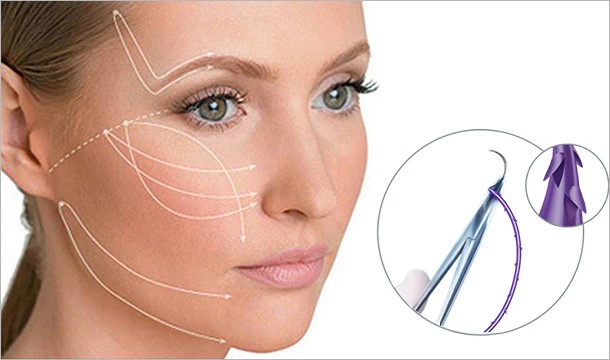
A “Thread Lift” is a non-surgical lifting procedure that physically pulls the face by inserting absorbable threads under the skin.
Right after the procedure, the jawline or nasolabial area may look lifted, but in most cases the effect decreases within 6 months to 1 year.
That is why repeat treatments often continue with the idea of, “Let’s do it again when it starts to sag a little.”
However, as these repetitions accumulate, the tissue structure under the skin gradually changes.
Tissue changes observed after thread lifting in the study
Dr. Yordanov observed the internal tissues while performing facelift surgery on 10 patients (average age 59) who had undergone thread lifting between 2021 and 2023. As a result, the following common changes were identified in all patients:
-
Fibrosis: The area where the threads were inserted changed into firm scar tissue
-
Symphysis of layers: The skin, subcutaneous fat, and SMAS layer adhered to one another
-
Reduced SMAS mobility: The anatomically important layer did not move well
-
Increased surgical time: Dissection was difficult and bleeding increased
These changes continued for years even after the threads had dissolved.
In other words, “Even if the thread dissolves, the trace remains.”
According to the study, in 7 out of 10 patients, the skin did not smooth out neatly after surgery, and dimpling remained.
When the tissue becomes stiff and the layers are adhered, it is difficult to naturally redrape the skin.
As a result, the lifting line may appear uneven, or the post-surgical surface may not look smooth.
When thread lifting has been performed multiple times, both the difficulty of surgery and the risk of complications increase.
Why do these changes happen?
Absorbable threads used in thread lifting, such as polydioxanone (PDO), PLLA, and PCL, gradually dissolve in the body, but during that process they stimulate collagen production.
Eventually, scar tissue replaces the area, and over time this tissue reduces flexibility between the skin and the SMAS.
As a result, dissection during surgery becomes difficult, and it may be harder to distinguish blood vessels or nerves.
Conclusion of the paper
The main point of the study was clear.
“Thread lifting leaves tissue changes that last longer than the temporary effect.”
“A facelift after thread lifting becomes anatomically much more complex.”
In other words, repeated thread lifting leaves invisible traces that make “future surgery” more difficult.
I also frequently meet patients undergoing surgery after thread lifting while mainly performing facelift surgery myself.
It is actually very rare for someone to choose a facelift from the beginning without ever having tried thread lifting.
In real surgical cases, about 1 out of 3 procedures shows traces of previously inserted lifting threads.
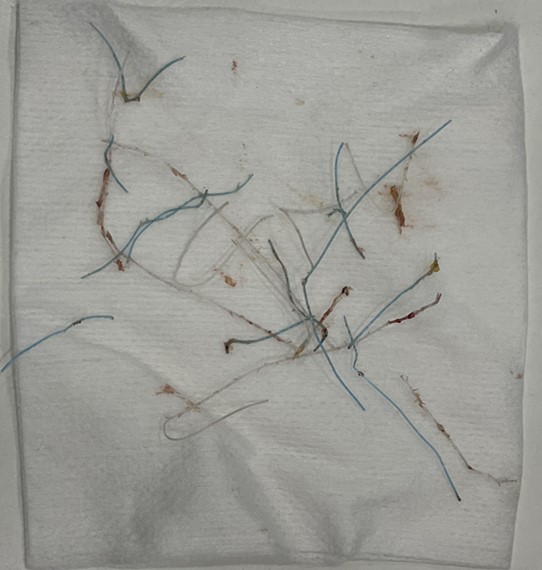
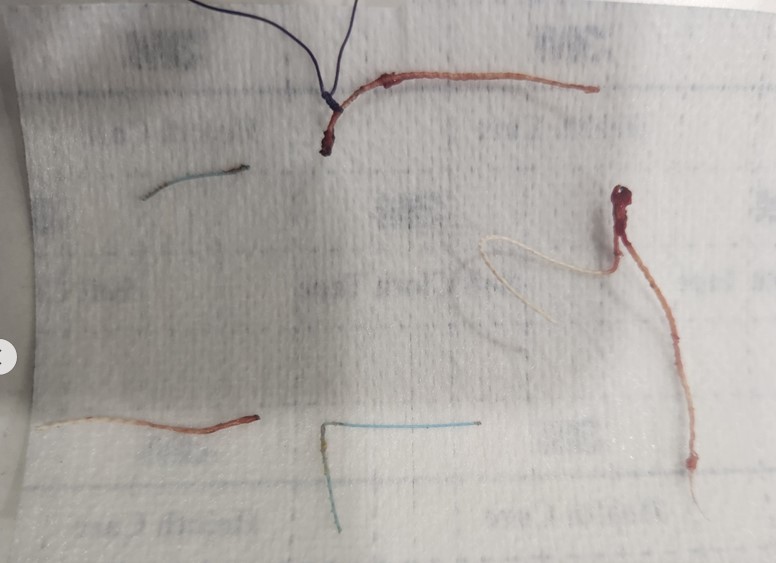
Because I encounter them so often, I’ve become used to it, and removing the threads during surgery does not feel especially difficult.
You could say that is a characteristic of Korean plastic surgery, where access to procedures is relatively easy (haha).
In fact, more recently, collagen stimulators such as JuveLook, fat grafting, AccuSculpt, and volume suction procedures make surgery much more complicated.
Compared with those, lifting threads are quite manageable, and we can perform the surgery cleanly.
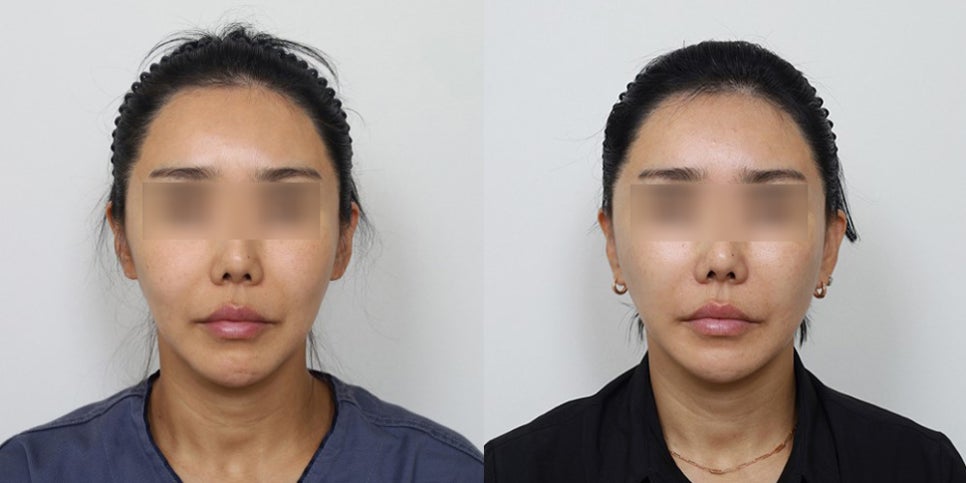
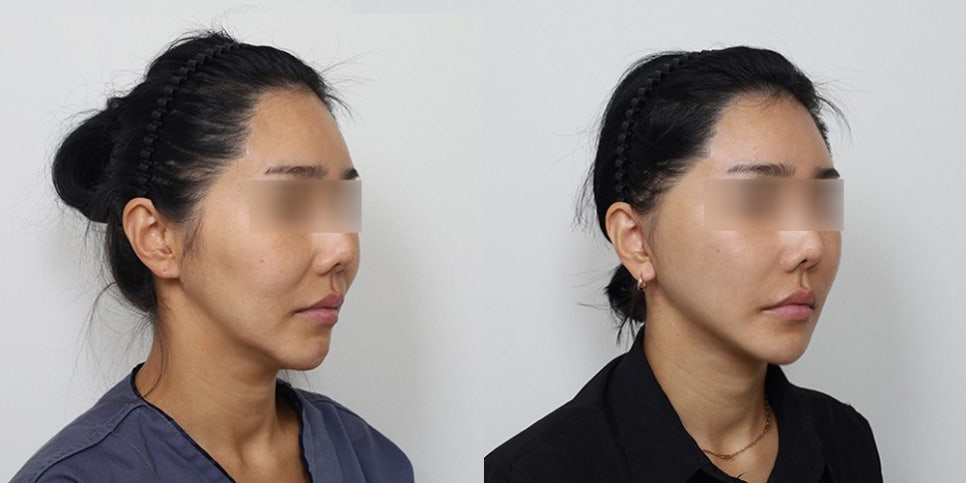
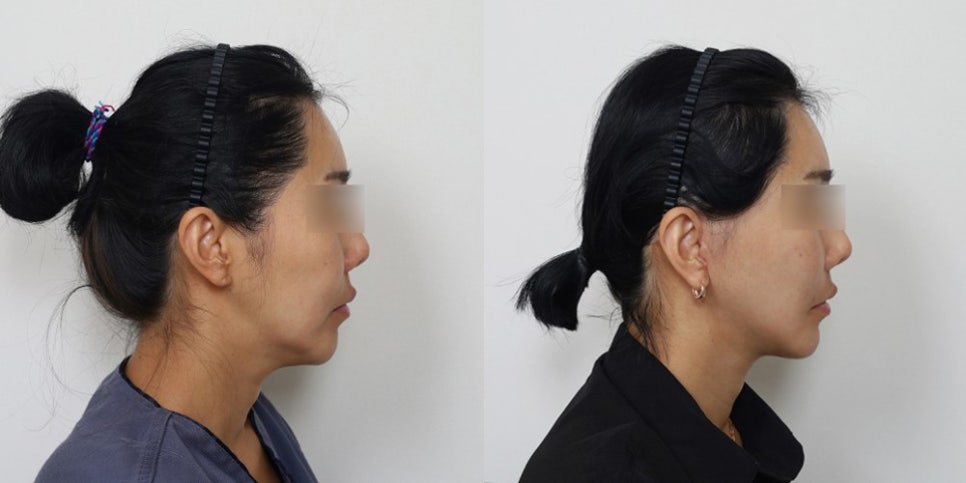
Having had thread lifting several times does not mean facelift surgery is impossible.
However, there is information you must tell your doctor before surgery.
If you share this information in advance, unexpected adhesions or fibrosis during surgery can be safely avoided.
Today, I talked in a little more depth about facelift surgery after thread lifting.
If you have any related questions, feel free to leave a comment.
Even if it takes time, I will answer sincerely.
Thank you.