Hello, this is Director Jo Hyun-woo of 3D Plastic Surgery.
Today, I’ll talk about when revision surgery is possible after facial contouring surgery.
Facial contouring surgery does not tend to have a high revision rate compared to eye or nose surgery.
It is not a procedure where a difference of 1–2 mm, like in double eyelid line surgery, is likely to appear, and if there are no special problems, revision surgery is rarely needed.
However, because facial contouring surgery involves cutting bone, the result of the first surgery is especially important.
Of course, there are revision surgeries to rebuild an overly reduced mandibular angle or restore the cheekbones, but above all, the most important thing is to perform the first surgery accurately.
To do this, it is necessary to have 충분한 consultation before surgery and carefully decide how much bone to remove and how much to reduce the width of the cheekbones.
So, let’s now look at when revision surgery is possible by area.
First, let’s look at cheekbone reduction surgery.
Cheekbone Revision Surgery
One of the biggest reasons revision surgery is needed after cheekbone reduction surgery is nonunion of the cheekbone.
Nonunion can occur for various reasons, and a representative example is when the fixation pin used during surgery breaks.
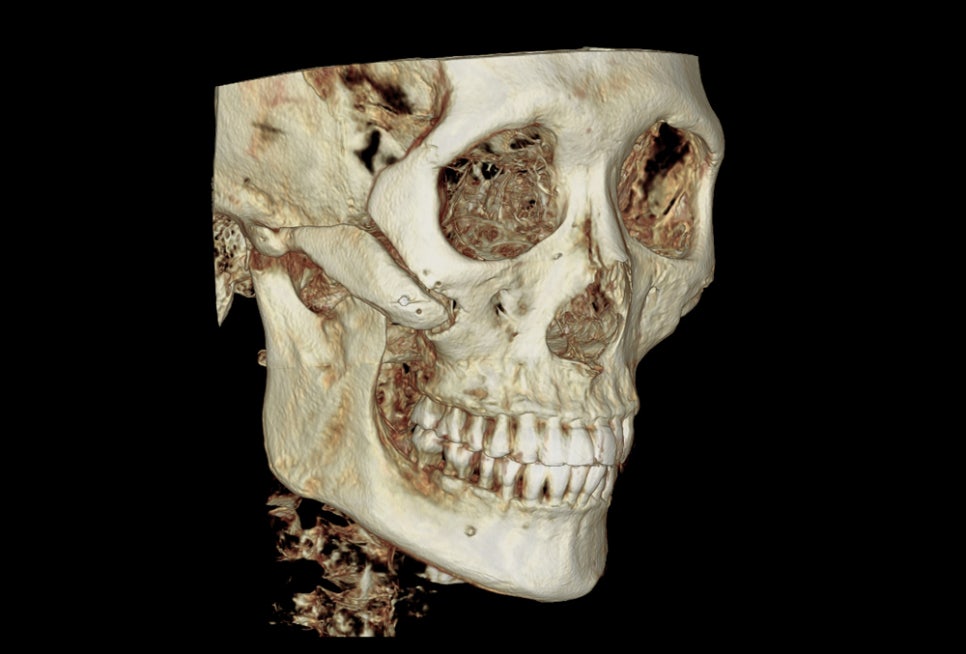
As you can see on the CT scan, this is a case where the fixed pin has broken. When a fixation pin breaks like this, it needs to be refixed as quickly as possible.
Of course, if the pin breaks after the bone has already fused to some extent, the bone will not move, so it is not always necessary to replace the pin.
However, in most cases, this problem occurs before the bone has fully hardened.
The cause may be various factors, such as strong muscle force. In such cases, it is important to firmly fix both the front and back so that the force on the pin is distributed.
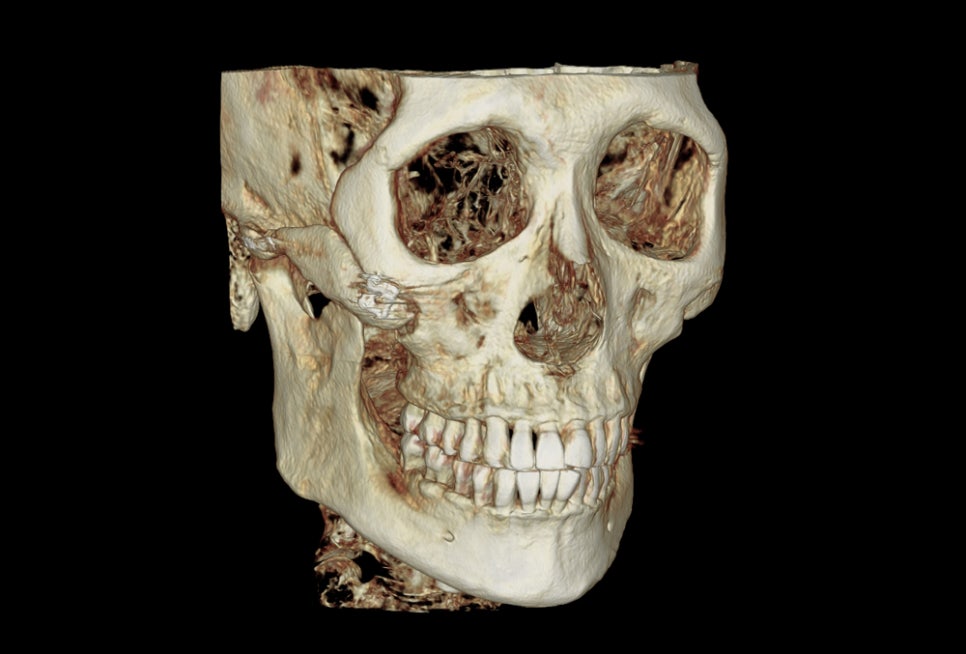
If the fixation is redone through revision surgery like this, the bone can then fuse stably and well.
Another cause is when the fixation pin comes out of the bone.
In particular, when there is inflammation such as sinusitis, the bone may weaken or partially dissolve.
In such cases, the difficulty of revision surgery becomes very high.
This is because even if surgery is performed to refix the bone, the tissues around the bone have weakened and may break easily.
Therefore, in these situations, it is important to carefully secure the bone while preserving the existing bone as much as possible.
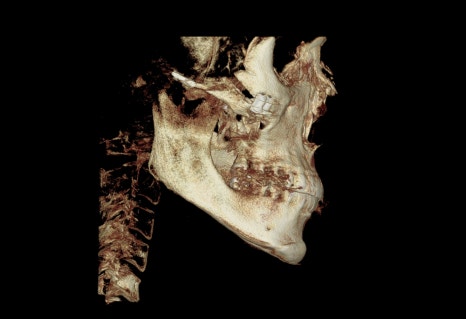
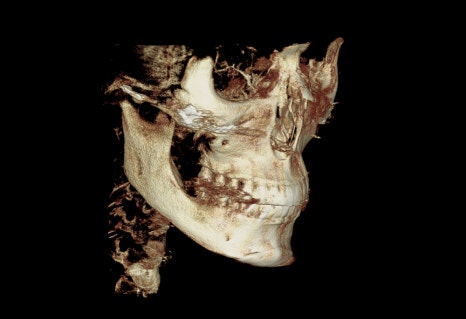
In this patient’s case, they visited the clinic with chronic sinusitis, and on CT imaging, the bone was separated and the fixation pin was seen floating without being in close contact with the bone.
In such cases, revision surgery is performed to thoroughly wash out the sinus, remove the dissolved bone, and then refix it with a new pin.
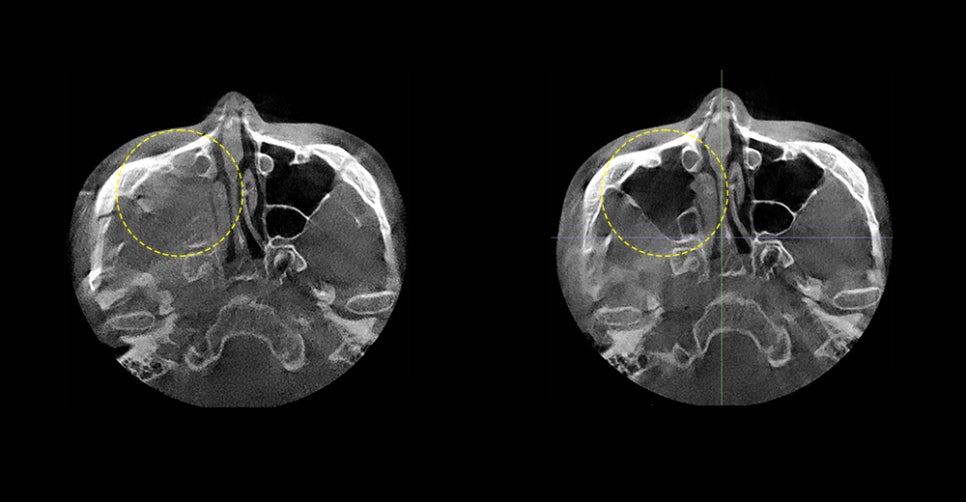
In some cases, stable refixation can be achieved, but if the bone damage is severe, it can lead to a situation where cheekbone reconstruction is needed in a secondary surgery.
Therefore, when inflammation such as sinusitis occurs, it is important to receive treatment and surgery as quickly as possible.
Next, another reason for revision surgery is recurrence, when the cheekbones protrude again.
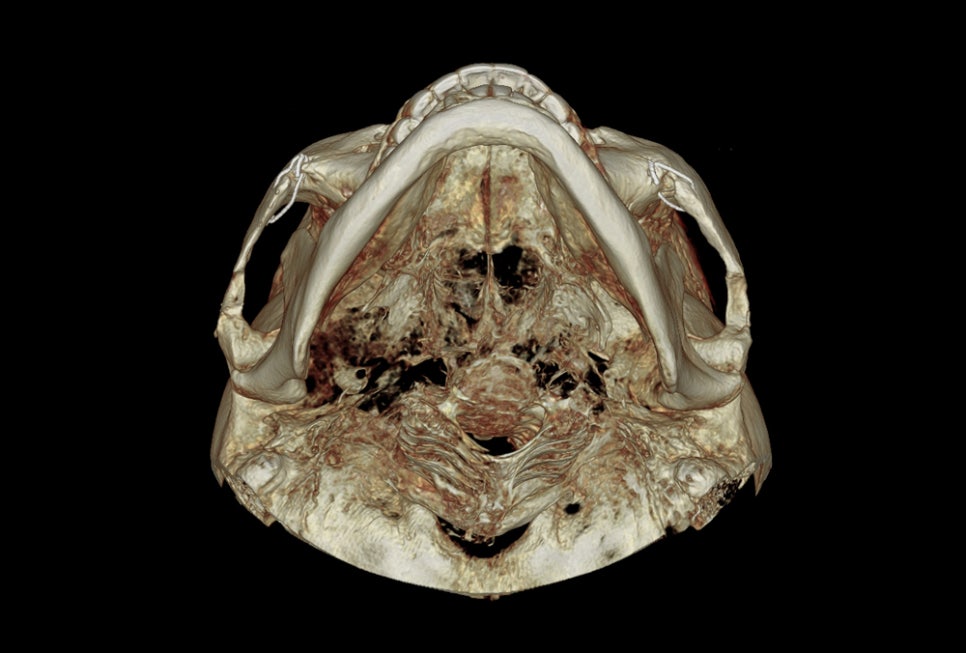
This patient had undergone cheekbone surgery 7 years earlier, and the side cheekbone had not been reduced at all and remained in its original position.
In such cases, the timing of revision surgery is not very important.
This is because revision surgery must be performed after the bone has fused, by cutting the bone again to reduce it.
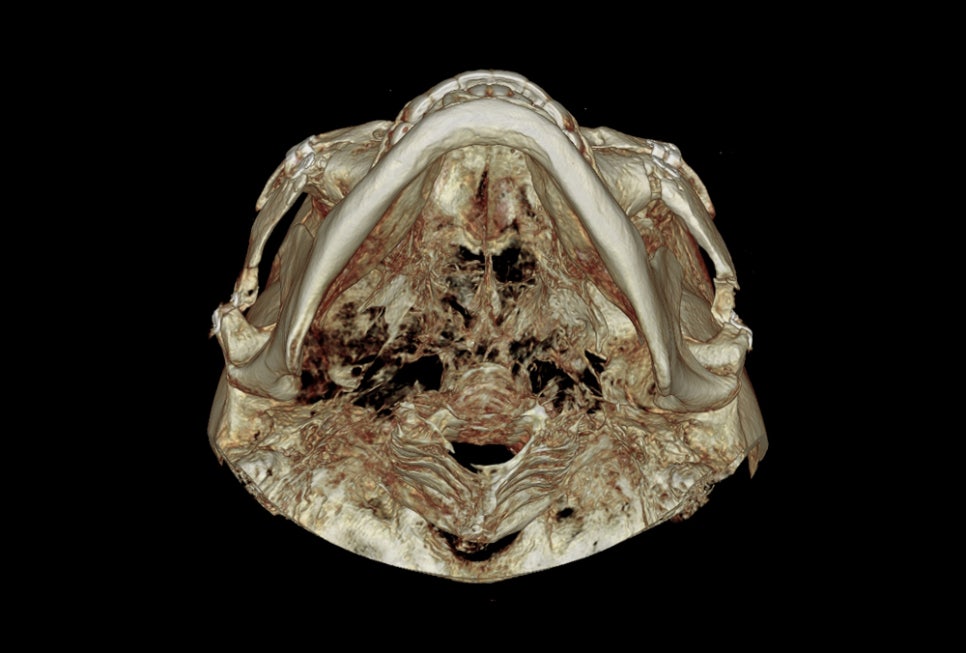
If revision surgery is performed to recut the bone and fix it precisely with fixation pins, you can see that the side cheekbone is reduced better than in the first surgery.
Other cheekbone revision surgeries are not particularly urgent, and in most cases, if the revision is due to dissatisfaction that the cheekbones were reduced too little, the surgery can be done whenever you want.
Square Jaw Revision Surgery
Next, I’ll talk about square jaw surgery.
There are not many cases where square jaw surgery needs immediate revision.
If you accurately understand the amount of bone you can remove during the first consultation, most revision surgeries can be prevented.
In particular, when one side of the square jaw is removed asymmetrically and one side looks larger, this often leads to revision surgery.
In such cases, the larger side can be reduced further to correct the asymmetry.
However, because the location of the nerve line differs on the left and right, this cannot be attempted in all cases, but careful CT analysis can lead to good results.
Another cause of revision surgery is when a secondary angle develops.
If only the area where the secondary angle has occurred is additionally removed, it is a relatively simple surgery and can be performed whenever desired, regardless of timing.
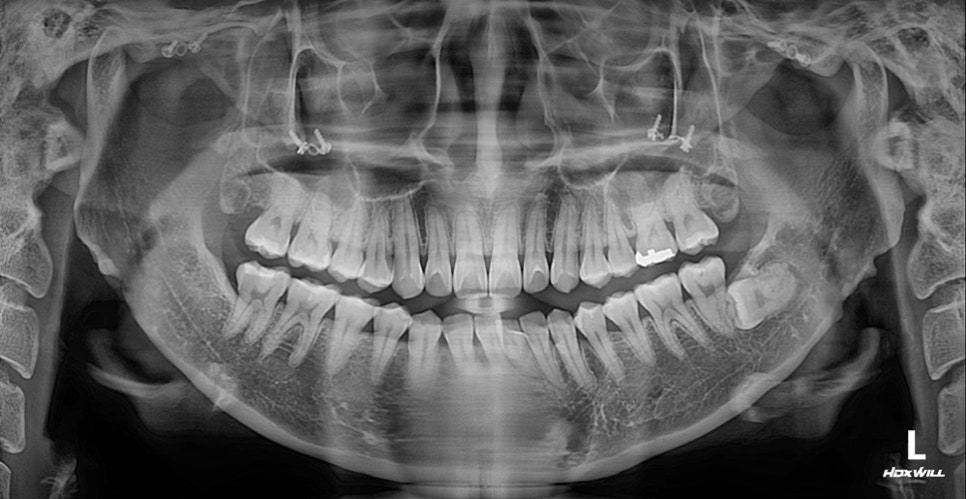
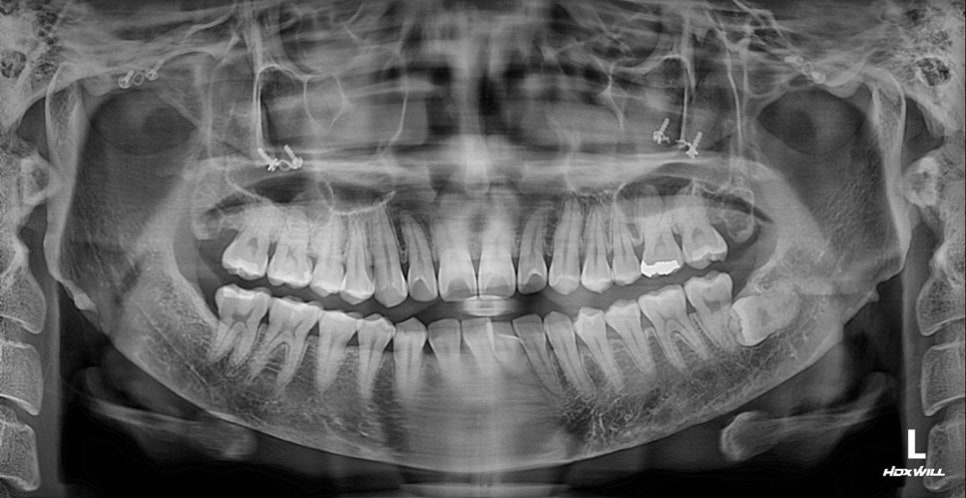
This is a patient in whom a secondary angle was confirmed on a panoramic X-ray. Compared with the square jaw, the chin appeared wider, and they wanted a slimmer jawline.
This is the post-operative photo. As you can see, the secondary angle seen before surgery has been corrected, and the chin tip looks slimmer.
Another reason for square jaw revision surgery is when people feel that the face did not become slimmer from the front.
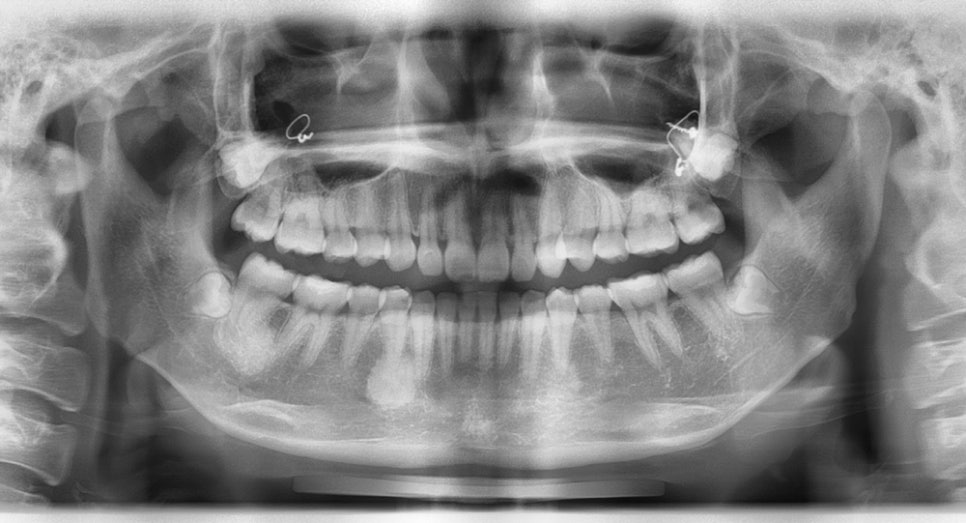
This patient underwent a behind-the-ear square jaw surgery, and the angle below the ear was removed, but the front side did not become slimmer at all, so they came in for a consultation.
This surgery can be dramatically improved by combining long-curve square jaw surgery with cortical bone shaving to reduce the frontal width.
If you look at the post-operative photo, you can see a slimmer appearance.
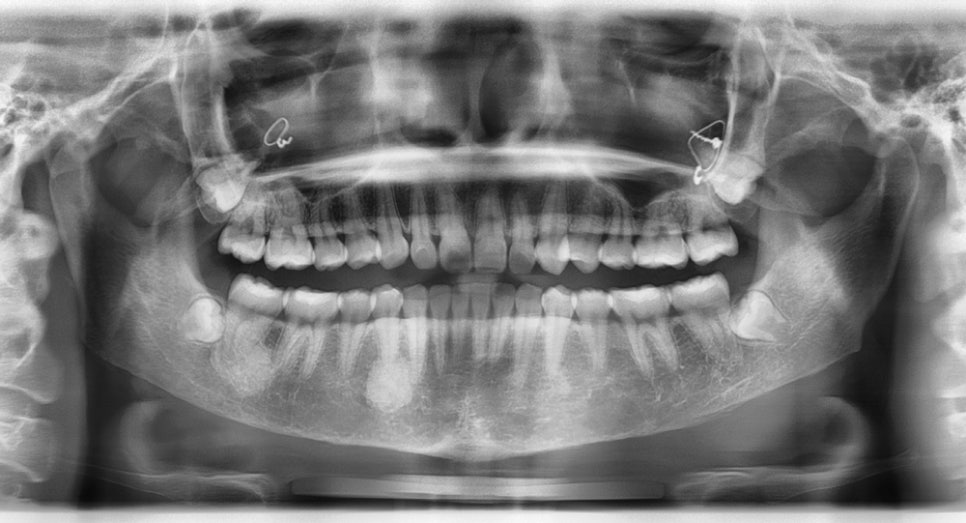
In addition, some people feel that the jawline is still lacking because cortical bone shaving or masseter muscle reduction was not performed during square jaw surgery.
Therefore, it is always important to have 충분한 consultation before surgery and to proceed only after making a detailed plan.
Chin Revision Surgery
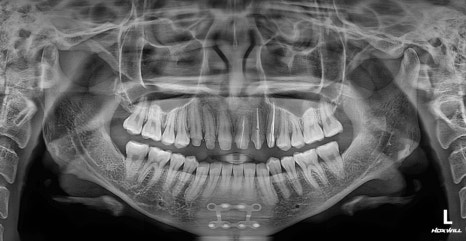
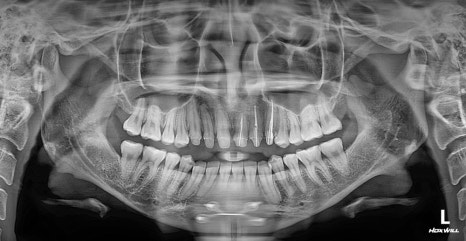
Lastly, I’ll talk about revision surgery for chin surgery.
Since surgeries such as T osteotomy involve cutting the bone and fixing it with pins, complications related to fixation pins can occur, just like in cheekbone surgery.
In particular, if inflammation develops in the chin, the fixation pin may come out or the bone may dissolve, so if these symptoms appear, it is necessary to perform revision surgery promptly.
On the other hand, if the issue is simply that the chin did not come forward enough or came forward too much, revision surgery should generally be performed after the bone has fully fused, usually after 6–12 months, to achieve accurate surgical results without bone loss.
So far, we have looked at the timing of revision surgery after facial contouring surgery.
As mentioned earlier, contouring surgery is not a procedure that usually requires a lot of revision surgery if you receive 충분한 consultation before surgery and are operated on by an experienced specialist.
Except for some urgent cases, the timing of revision surgery can be planned with enough flexibility, so there is no need to be too rushed; you can make a careful decision through consultation.
Thank you.