Hello, this is Dr. Jo Hyun-woo from 입체성형외과.
One of the questions people often ask when inquiring about the 230-degree 3D cheekbone reduction surgery is this:
“If you shave the cheekbone (a surgery that grinds down the bone), doesn’t the dissection area become wider and cause muscle damage, making the face sag more?”
Today, I will explain this in detail.
At 입체성형외과, we perform both 3D cheekbone reduction surgery through an intraoral incision and 230-degree 3D cheekbone reduction surgery through a scalp incision, and the two surgeries are performed at roughly similar rates.
I believe it is important for a doctor to build sufficient experience through a wide range of surgical cases.
Then, if facial sagging really occurred after shaving the 45-degree cheekbone, would it still be possible to keep performing this type of surgery?
Is 45-degree cheekbone shaving + non-fixation surgery an easy procedure?
Like many plastic surgeons, contouring surgery is usually first encountered through 3D cheekbone reduction surgery.
Because 3D cheekbone reduction surgery is performed by directly viewing the bone while making the osteotomy, once a certain level of experience is accumulated, more precise dissection becomes possible, and depending on how the amount of bone removed and the fixation angle are set, it is a procedure that can produce very good results.
230-degree 3D cheekbone reduction surgery is a procedure that requires extensive experience.
Especially in the early stages, it takes numerous cases and a wide range of surgical experience to gradually develop know-how about how far the dissection should be extended through an endoscope to minimize muscle damage, which areas should be osteotomized, and how much force is needed to perform partial osteotomy.
That is why I explain to patients that 3D cheekbone reduction surgery is relatively easier.
Because this conclusion was reached through continuously studying and improving the shortcomings of contouring surgery, I believe you can trust it and choose accordingly.
230-degree 3D cheekbone reduction surgery is more suitable for people whose 45-degree cheekbone is not very prominent but whose lateral cheekbones stand out, or for those who feel burdened by an intraoral incision or general anesthesia, or for those who want a quick recovery. In such cases, good results can be expected.
Of course, for people who approach this type of surgery from the beginning, errors can naturally occur, but I think this is a matter of experience.
If you shave the 45-degree cheekbone, does the dissection area become wider and muscle damage occur?
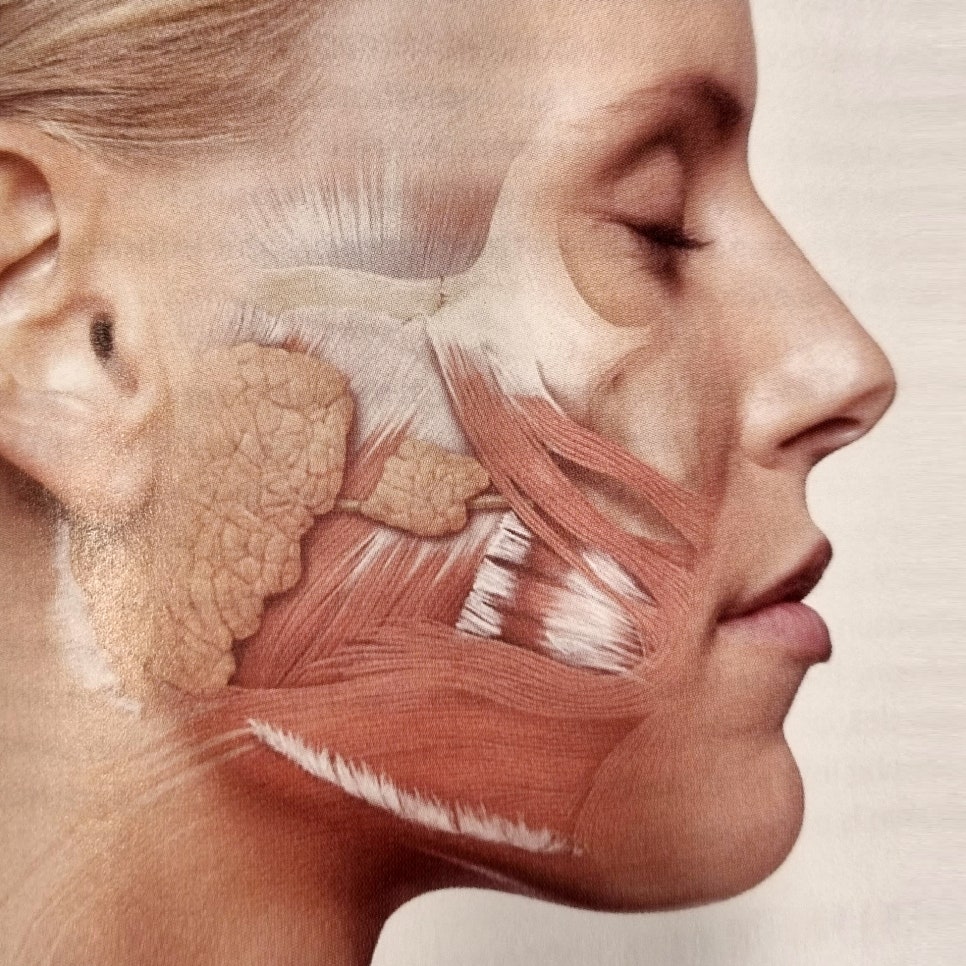
Cheekbone reduction surgery basically involves a dissection process.
Although there may be anatomical variations from person to person, in most cases the muscles are located behind the cheekbone.
Therefore, even when performing 3D cheekbone reduction surgery, if the dissection is not extended excessively posteriorly, muscle damage can be minimized, which in turn helps reduce cheek sagging. Then what about shaving?
If the specialist has enough experience, the shaving will be performed within a range that minimizes muscle damage by considering the direction where the muscles are not located.
This is clearly an area where the outcome can differ depending on experience. On the other hand, if experience is lacking, there is also a possibility that the dissection area becomes wider than necessary or that muscle damage occurs.
Then, is all cheekbone surgery that involves shaving okay?
I think this should be approached carefully.
As shown in the illustration explained earlier, there is an area where muscles are attached, but some clinics shave not only the 45-degree cheekbone but the entire cheekbone.
In particular, the lateral cheekbone area is relatively thin, with bone thickness of about 5 mm, so if that area is shaved excessively, the strength of the bone may become weaker.
If the muscles are extensively dissected in this process, the likelihood of sagging may also increase as a result.
I will now show you cases in which 230-degree 3D cheekbone reduction surgery was performed at 입체성형외과.
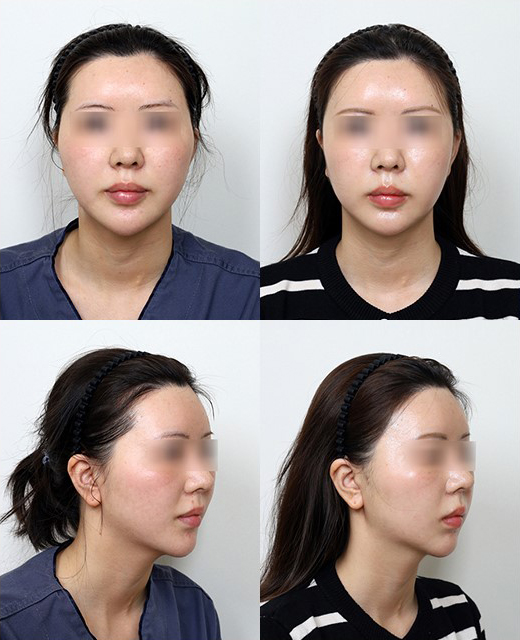
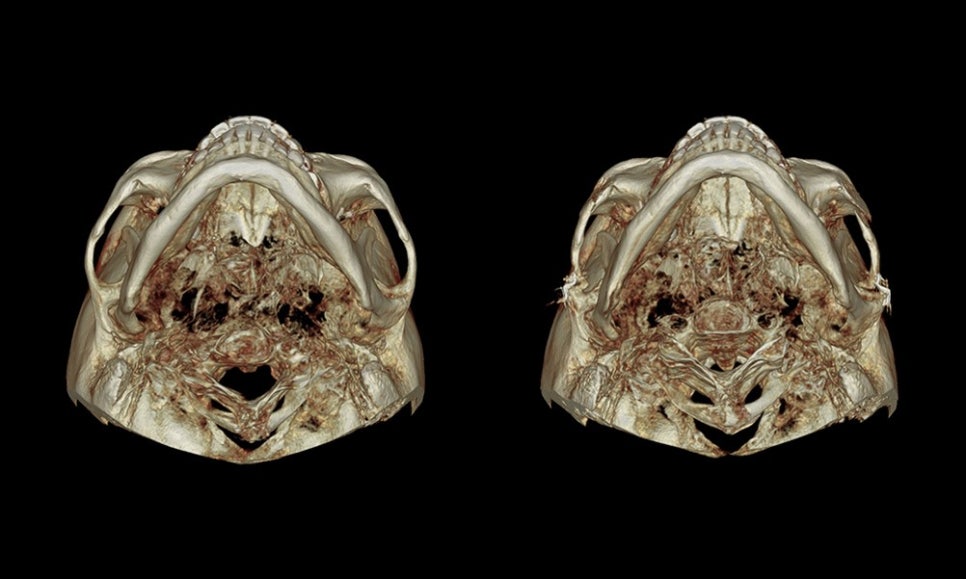
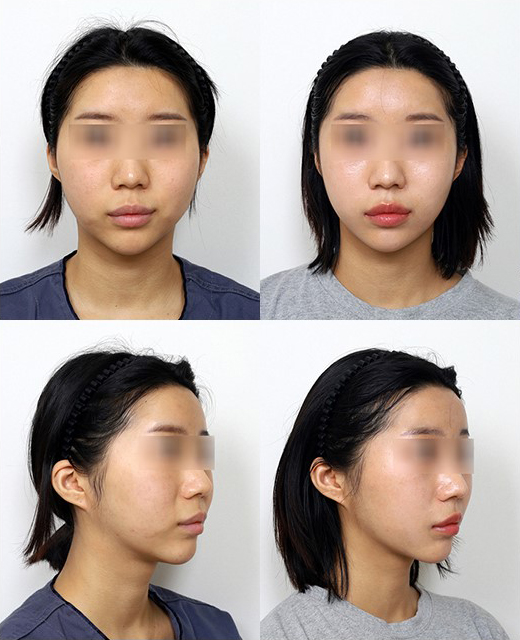
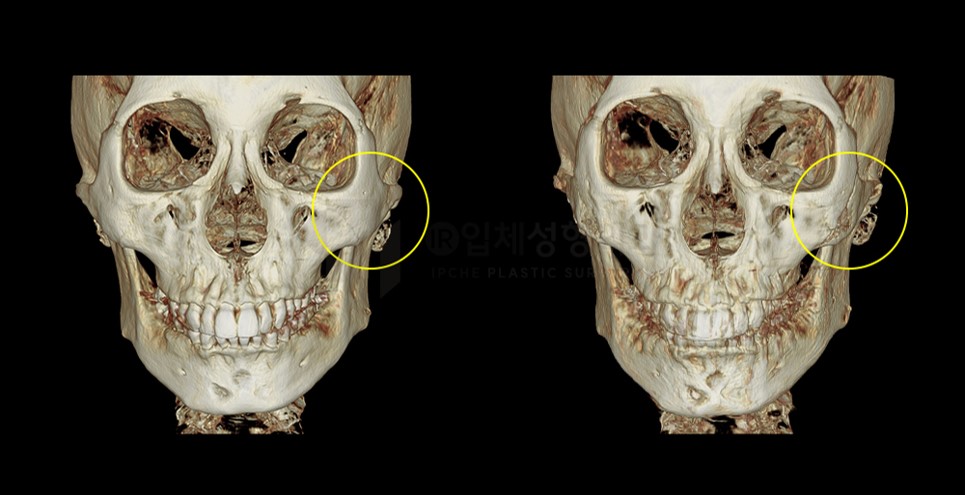
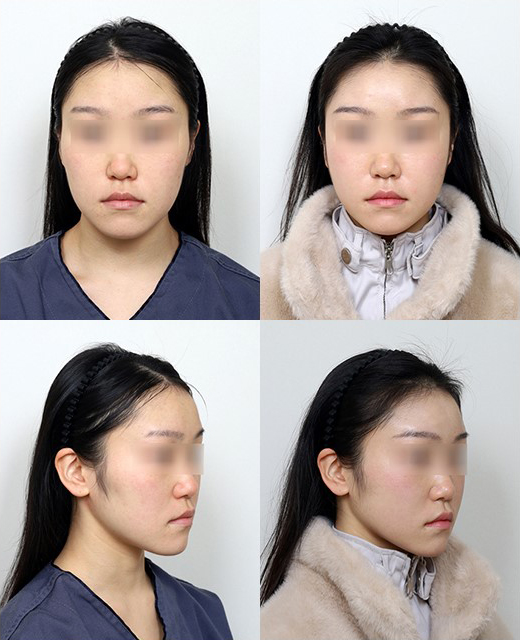
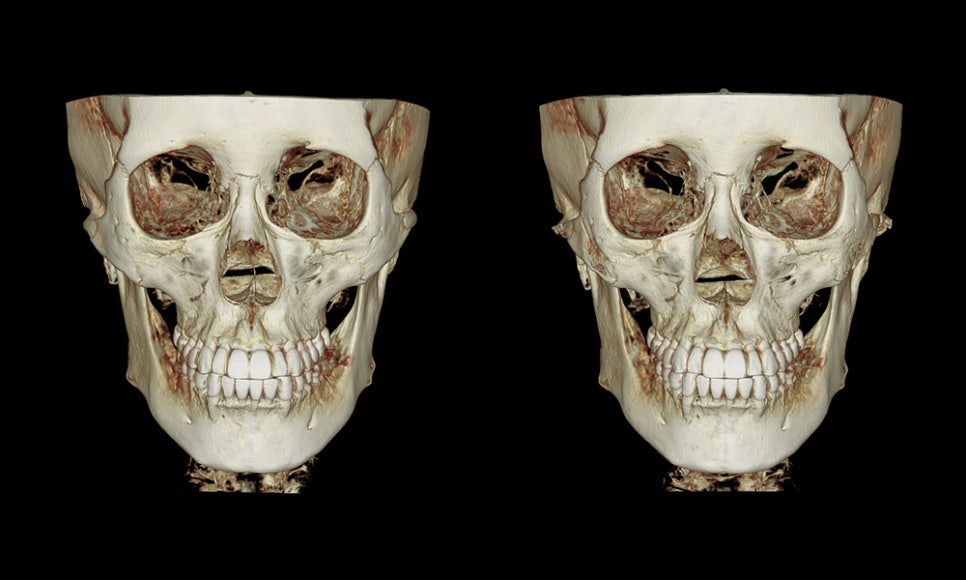
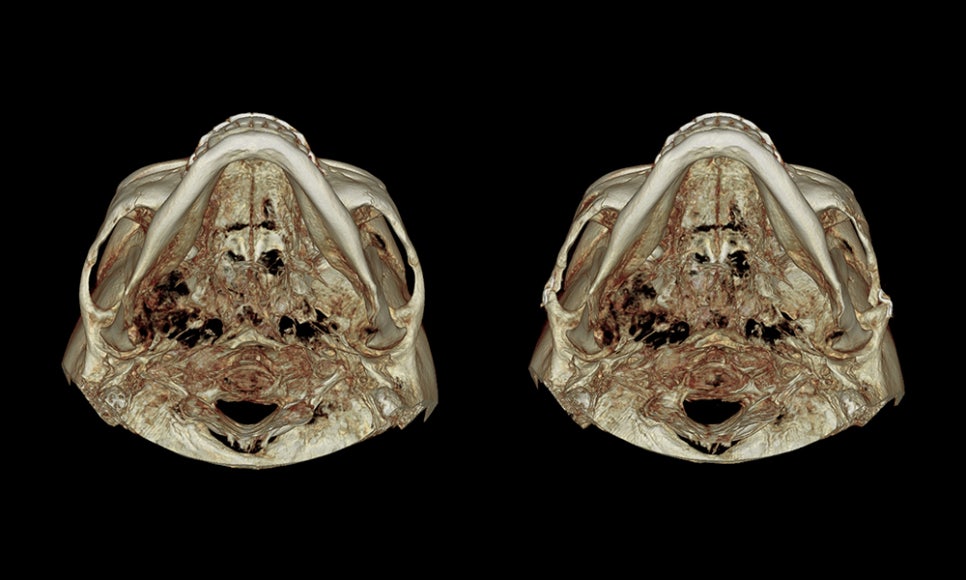
Do you feel cheek sagging?
I can say with confidence that, compared with 3D cheekbone reduction surgery, sagging after 230-degree 3D cheekbone reduction surgery is relatively much less.
Rather than saying that the surgical method I use is necessarily the best method, I believe that when the most suitable surgical method is chosen for each individual patient, more satisfying results can be achieved.
In an era like today, where there is an abundance of information, it is not easy to distinguish accurate information, but if you think about it a little more carefully, I believe you will definitely be able to make the right choice for yourself.
If you are currently considering cheekbone reduction surgery, it is important to first accurately understand your own cheekbone type in order to avoid unnecessary surgery.
Because each person has a different pattern of cheekbone development and structure, the effects that can be expected after surgery and the suitable surgical method can also differ.
Therefore, it is most important to choose the surgical method that suits you and proceed safely, and for more satisfactory results, a precise diagnosis and sufficient consultation are absolutely necessary.
I believe it is important for doctors to continuously study surgery and keep improving for better results.
Good results ultimately come from the right method, and it is difficult to expect good results from the wrong method.
Today, I explained cheekbone shaving and sagging.
I will come back next time with another useful topic. Thank you.