Hello, I’m Dr. Jo Hyun-woo, director of Ipj eon Plastic Surgery.
Today, I would like to discuss how bleeding that may occur during facial contouring surgery can be reduced.
In fact, some degree of bleeding may occur during most plastic surgery procedures, not only facial contouring surgery. However, this does not mean that contouring surgery is particularly prone to heavy bleeding.
During surgery, the anatomical structures are carefully identified and dissection is performed delicately. Therefore, unless there are unusual circumstances, significant damage to major blood vessels is unlikely. Bleeding from small blood vessels can be controlled with electrocautery using surgical instruments, so cases of excessive bleeding do not occur frequently in practice.
However, differences can occur even with the same surgery depending on the patient’s individual constitution or condition.
In some cases, bleeding may continue as though blood is slowly seeping out, a phenomenon medically described as “oozing.” This pattern may occur in people whose blood takes relatively longer to clot. To assess this, basic blood tests are performed before surgery.
Even when test results are within the normal range, some people may bruise easily or have a tendency for bleeding to continue for a long time.
In my experience, among people who take several types of health supplements over a long period, there are occasional cases of increased bleeding during surgery or delayed hemostasis.
Therefore, if you are preparing for surgery, be sure to inform your surgeon about any health supplements or medications you are taking. If necessary, adjusting their use for a certain period may be helpful.
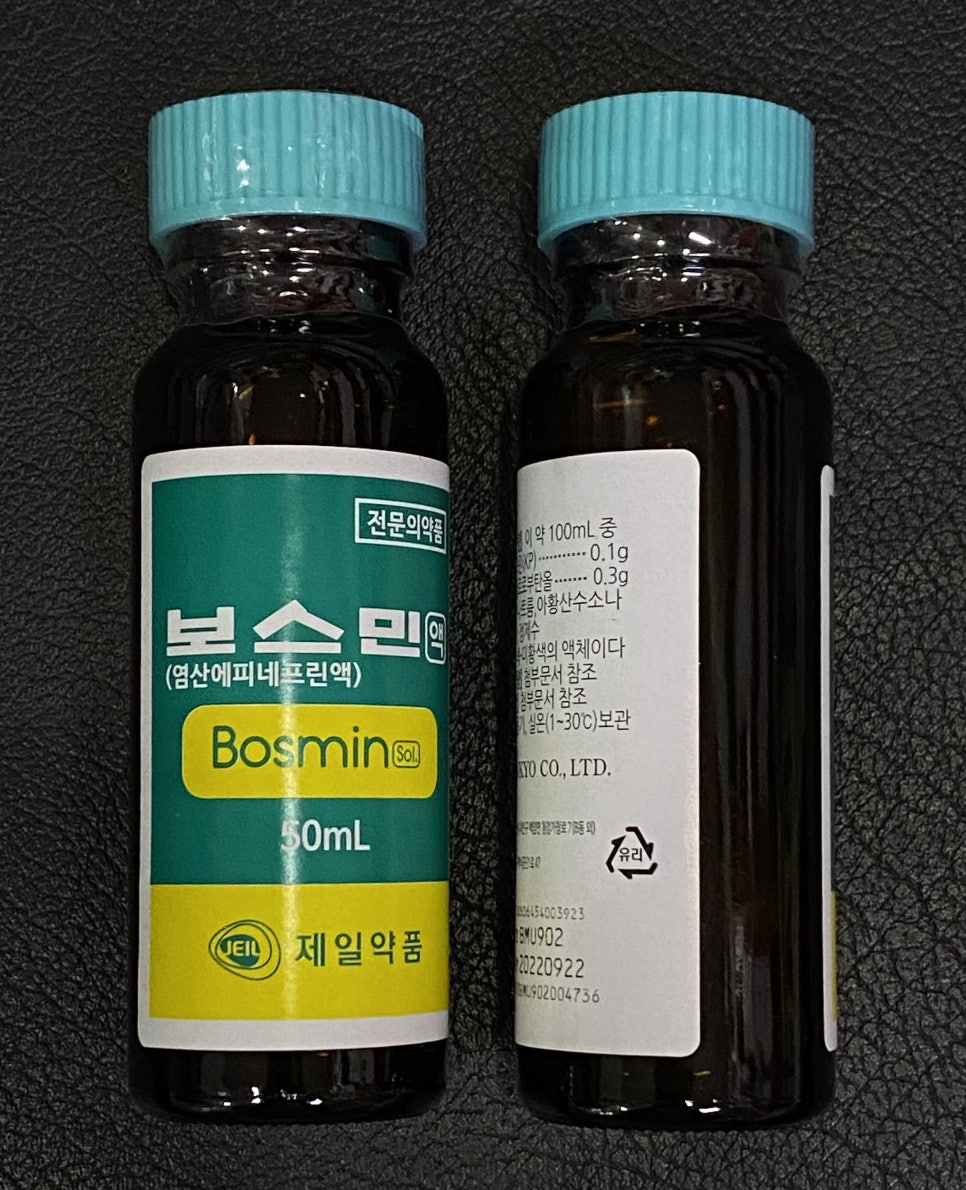
Bosmin solution
The most challenging type of bleeding in facial contouring surgery is bleeding from the cut surface after the bone has been cut.
Because the bleeding occurs on the inner surface of the bone, it is difficult to control with ordinary electrocautery, and visibility is limited.
In such cases, gauze soaked in Bosmin solution may be used to apply pressure to the area for a certain period, encouraging natural hemostasis.
If the amount of bleeding from the cut surface of the bone is relatively large, a material called “Bone Wax” may also be used.
Bone Wax is a substance with properties similar to paraffin. By covering the surface of the bone, it may help reduce bleeding.
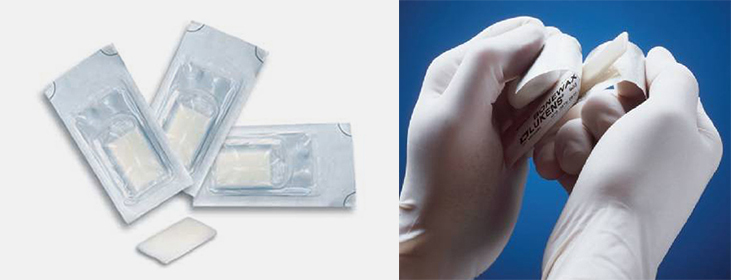
Bone Wax
Bone Wax is a material that has been used for a long time to reduce bleeding during surgery.
However, rare cases have been reported in which Bone Wax remains in the body as a palpable mass or appears similar to a foreign-body reaction. For this reason, its use has recently been declining compared with the past.
I also do not use Bone Wax routinely at present. Instead, I use it selectively only when necessary, such as when there is substantial bleeding from the cut surface of the bone.
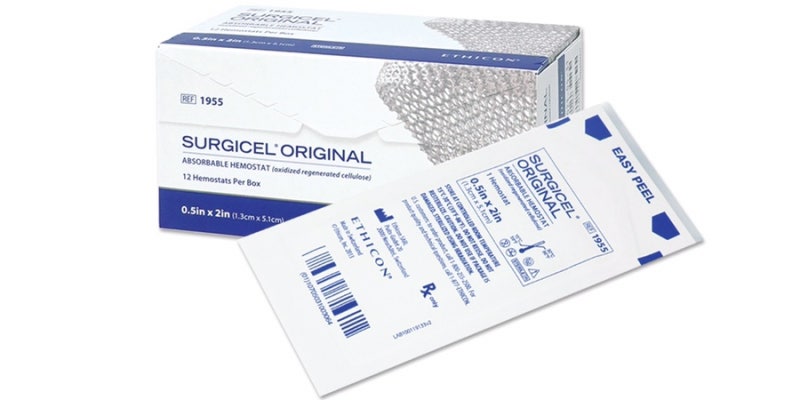
Surgicel
In some cases, if bleeding continues in soft tissue rather than in the bone, an auxiliary hemostatic agent such as “Surgicel” may also be used.
Surgicel is a product used as an adjunct during surgery to promote hemostasis by helping blood coagulate.
In addition to these hemostatic materials, which directly cover the bleeding site, one of the medications I frequently use during surgery is “Doranxamin.”
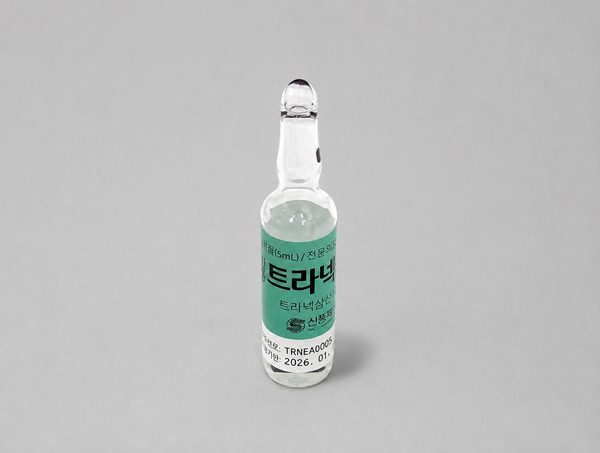
Tranexamic acid
Doranxamin is the brand name of a medication containing tranexamic acid.
To explain it simply, after blood clots in the body, a process that breaks down the clot also takes place.
Tranexamic acid inhibits this clot-dissolving process, helping blood clots remain stable.
As a result, it helps reduce bleeding during and after surgery.
This medication is widely used not only in facial contouring surgery but also in patients with a tendency toward heavy bleeding.
Several studies and papers have also consistently reported its effects in reducing bleeding during surgery and assisting with hemostasis.
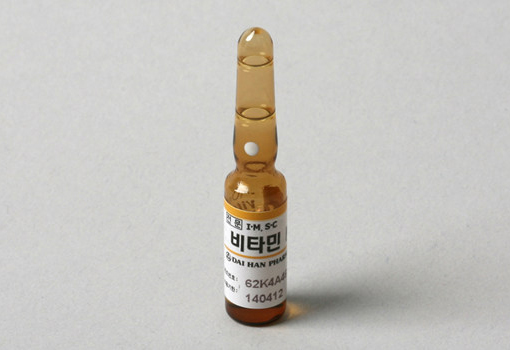
Vitamin K
Another medication used as an adjunct during surgery is vitamin K.
Vitamin K is involved in the body’s blood-clotting process and plays an important role in maintaining normal hemostatic function.
Therefore, it may be used as an adjunct when there is a tendency toward bleeding or when hemostatic management is needed.
In actual surgical practice, I sometimes use tranexamic acid (Doranxamin) together with vitamin K for patients who experience substantial bleeding.
Of course, using these medications does not immediately stop bleeding completely. However, they may reduce the amount of bleeding and lower the likelihood of blood collecting or large bruises forming after surgery.
Today, I discussed bleeding that may occur during facial contouring surgery and methods of achieving hemostasis.
In practice, most facial contouring surgeries proceed without major problems, and bleeding is often controlled effectively.
However, even when the surgery itself has proceeded well, blood may collect due to an individual tendency to bleed or bleeding from the cut surface of the bone. In such cases, using the hemostatic agents described above appropriately can sufficiently control the bleeding.
Facial contouring surgery requires not only careful surgical technique but also thorough preparation and a management system for emergencies. Therefore, there is probably no need to become excessively anxious about bleeding.
Thank you.