Hello, I am Director Jo Hyun-woo of Iteul Plastic Surgery.
When discussing facial contouring surgery, there is one question I hear frequently.
> “Doctor, it seems that only my left cheekbone sticks out. Can I have surgery on just the left side?”
> “My right square jaw looks larger. Can’t I just have the right side shaved down?”
In my practice treating patients with facial asymmetry, I regularly perform surgery to reduce the cheekbone on only one side or remove part of the square jaw on only one side.
Today, I would like to discuss when facial contouring surgery can be performed on only one side in patients with facial asymmetry, and when it cannot.
A person’s face is rarely perfectly symmetrical from left to right.
Due to various factors—including habits related to jaw use during growth, chewing direction, muscle development, tooth alignment, and sleeping posture—most people have some degree of left-right asymmetry.
In fact, there are quite a few cases in which the asymmetry patients perceive when looking in the mirror is completely different from the asymmetry identified on a CT scan.
Not everyone with facial asymmetry needs surgery on both sides. If the asymmetry occurs only on one side, there is no reason to operate on the normal opposite side. In fact, altering the normal side may make the result look less natural.
When planning surgery, I always follow the principle of correcting only what is necessary, and only in the areas where correction is needed.
So, in what cases can surgery be performed on only one side?
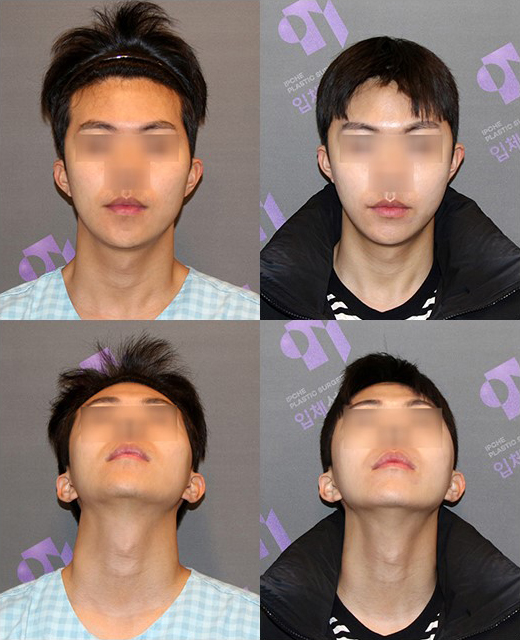
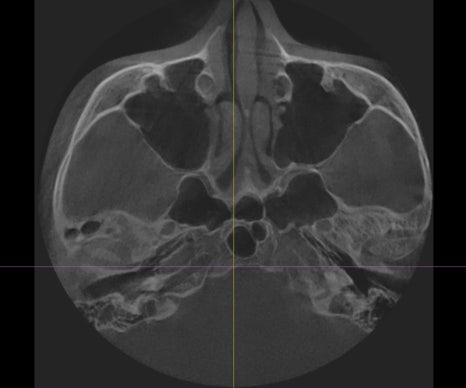
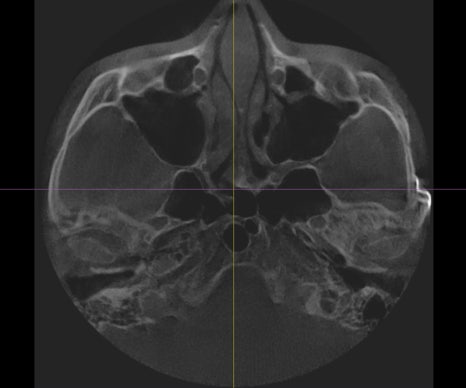
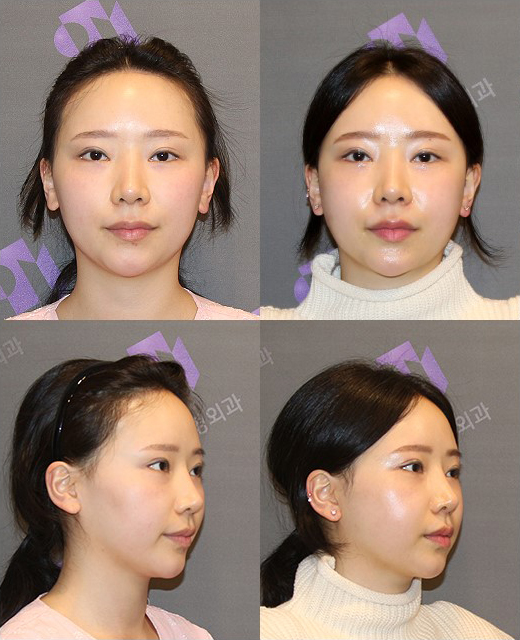
Patient who underwent cheekbone reduction surgery on the left side only
The first case is when one cheekbone is congenitally more developed than the other.
In such cases, correcting only the protruding side may actually help balance the face as a whole.
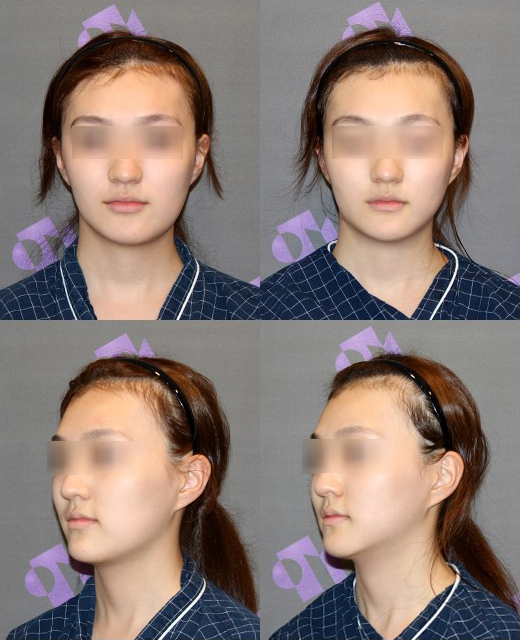
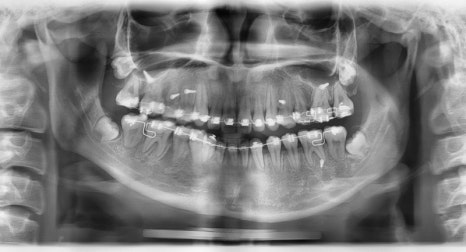
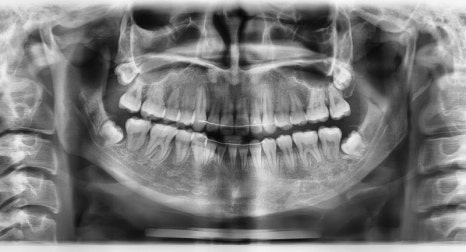
Patient who underwent square jaw surgery on the left side only
The second case is when only one square jaw is more developed.
Due to the habit of using one side of the jaw for a long time or differences during growth, the angle of the mandible may become more developed on only one side.
In this case as well, focusing the correction on the more developed side can produce a good result.
The third case is asymmetry that develops after trauma or a fracture.
If one cheekbone or jawbone protrudes because a fracture healed improperly, correcting only the deformed area is the most reasonable approach.
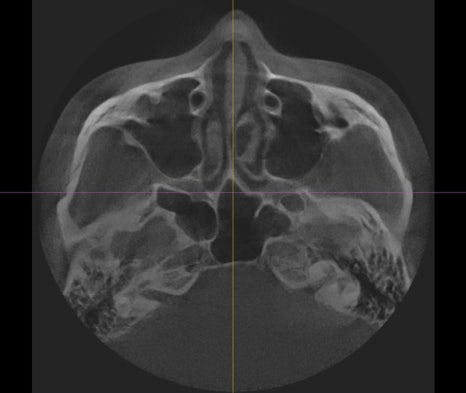
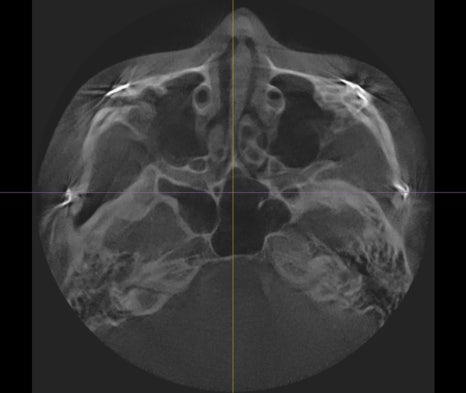
Patient who underwent revision surgery because one side remained insufficiently corrected after cheekbone surgery
The fourth case is revision surgery.
When one side was insufficiently corrected after previous facial contouring surgery, or asymmetry remained, it is not uncommon to supplement only the areas that need correction.
However, there are also cases in which surgery should not be performed on only one side.
A patient may think that one cheekbone is the problem, but in reality, the chin may be rotated, the lengths of the lower jaw may differ, and there may also be a difference in the size of the masseter muscles. In such cases, correcting only one side will not resolve the asymmetry. Instead, it may make the balance of the face as a whole look even more awkward.
That is why I plan surgery only after examining not just the CT scan, but also the frontal and side views, the face while smiling, the facial midline, and the bite.
There is something I often tell my patients.
The goal of surgery is not to create perfect symmetry when measured with a ruler, but to create a natural and balanced face that looks harmonious to everyone who sees it.
I have often found that accurately correcting only the side that needs it produces a better result than removing the same amount from both sides.
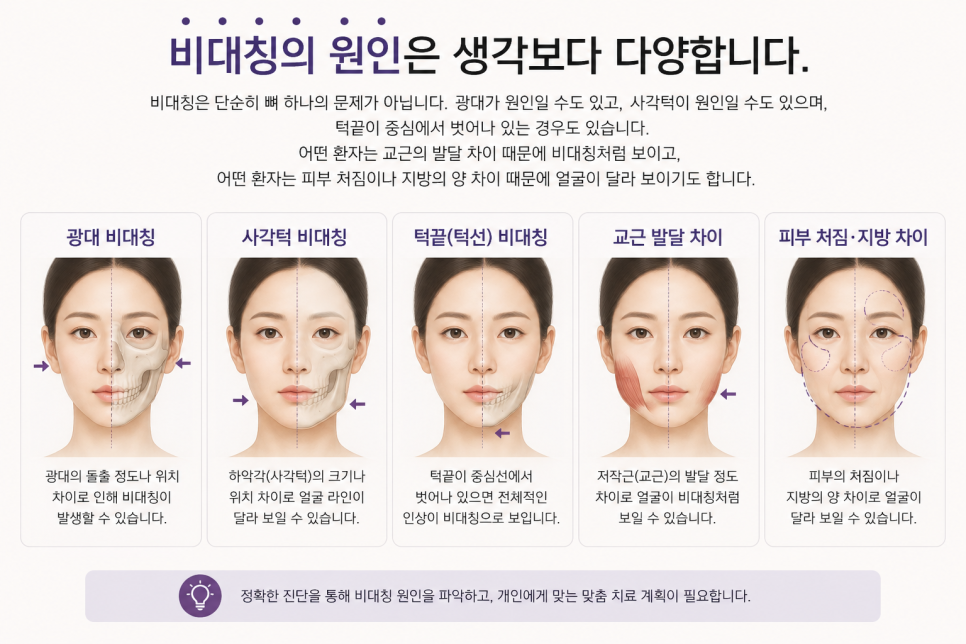
The causes of asymmetry are more varied than many people realize. Asymmetry is not simply a problem with one bone.
The cheekbone may be the cause, the square jaw may be the cause, or the chin may be off-center.
Some patients appear asymmetrical because of differences in masseter muscle development, while others may look different because of sagging skin or differences in the amount of facial fat.
Having facial asymmetry does not necessarily mean that both sides must be operated on. Conversely, not every type of asymmetry can be resolved with surgery on only one side.
Depending on the case, correcting only one side may be the best approach. In other cases, correcting both sides together may produce a more natural and stable result. The important thing is to accurately identify the cause of the asymmetry and choose the surgical method most appropriate for the patient.
I hope this has been at least somewhat helpful to those considering surgery.
Thank you.