The value beyond skin | Human Dermatology Clinic Seoul National University Branch

In the consultation room,
when I talk with patients,
there are many people who
look in the mirror
and let out a sigh first.
Have I really
aged this much?
At the end of that question,
there is usually a nasolabial fold.
In the past, it was just a line
that folded slightly
when you smiled,
but now it remains
regardless of facial expression.
Because of that, your face can look tired,
and you may even hear people say
that you somehow look angry.

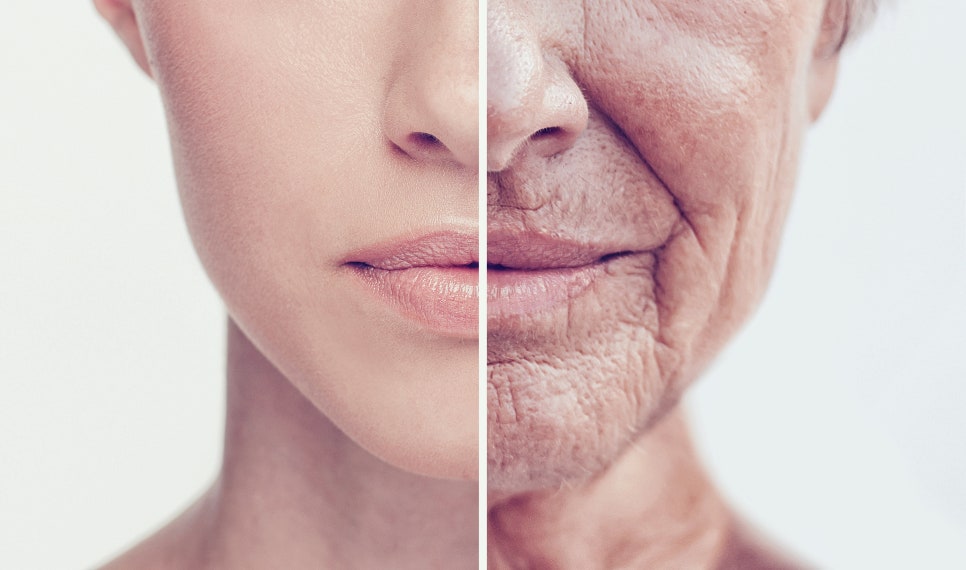
Nasolabial folds are not just
a problem of lines appearing
on the skin’s surface.
They are the result of
weakened skin elasticity,
changes in the position of fat,
muscle-use habits,
and aging layering together.
As we get older,
collagen and elastin
decrease naturally.
Then the force that used to
hold the skin up from above
becomes weaker.
When gravity acts on this state,
the cheek fat gradually
starts to sag downward.
The point where that boundary folds
is exactly the nasolabial fold.
If the muscles around the mouth,
which are used every time you smile,
move repeatedly in the same direction,
the wrinkle gradually becomes fixed.
In particular, people who usually
clench their teeth, press their lips
tightly together, or chew only on one side
tend to develop deeper nasolabial folds faster.
That is why caring for nasolabial folds
is not simply a matter of applying one cream.
If you do not also look at your lifestyle habits,
even the best care will not last long.
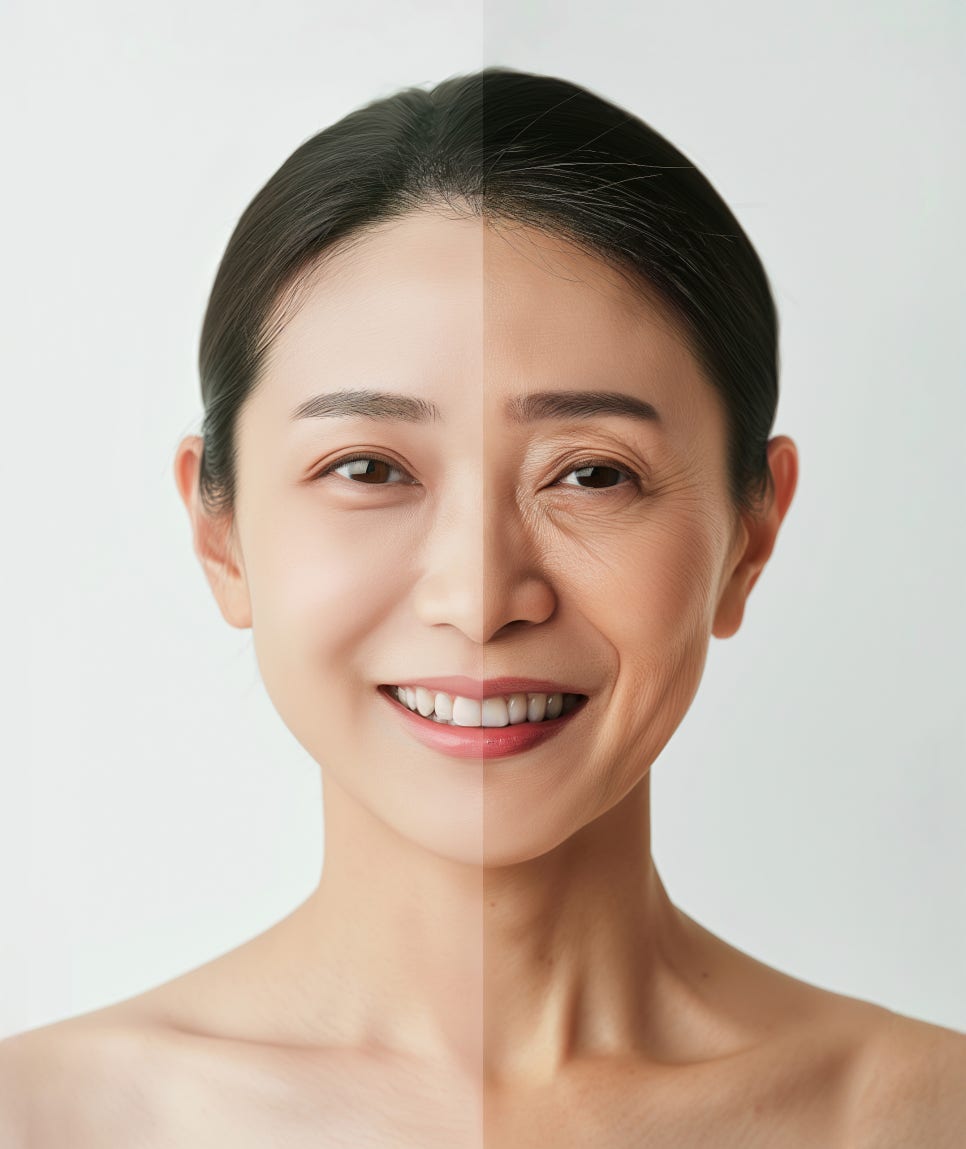
Habits like resting your chin on your hand,
sleeping only on your side,
or pushing your mouth forward while looking at your smartphone
all have an effect.
Even reducing these habits a little
can make a clear difference
in how quickly wrinkles progress.
The next important thing is
skin hydration and elasticity care.
The nasolabial area is one of the
most frequently moved areas on the face,
so moisture escapes easily.
The habit of applying products carelessly
after washing your face
can actually make wrinkles stand out more.
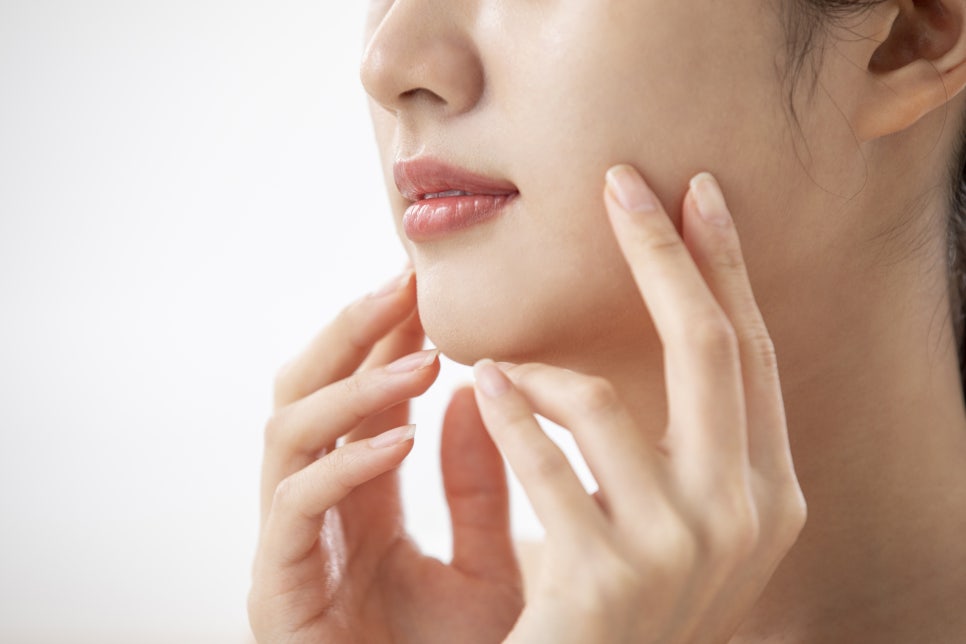
When applying a moisturizer, it is better not to rub it in,
but to press it from bottom to top
so it can be absorbed.
Even this small habit can make
the skin texture clearly different.
But here, I need to be realistic
for a moment.
Once a nasolabial fold has already
become noticeably established,
there are limits to reversing it
with home care alone.
That is why many people also
consider dermatology procedures.
Because the causes of nasolabial folds
differ from person to person,
the approach must also differ.
If fine lines are the main issue,
skin boosters that improve the skin environment
from within may be helpful.
As the skin becomes plumper from within,
the wrinkles are gently softened.

But if cheek sagging is also present,
a lifting approach that supports the skin from above
is needed.
What matters at this point is not to focus only
on the nasolabial folds,
but to look at the balance of the entire face together.
Only then will the result after treatment look natural,
and your expression will appear relaxed.
What I always say is that for nasolabial folds,
the “timing of care” determines the result.
If you start while they are still shallow,
the burden is smaller and they can be maintained naturally.
On the other hand, if they have already deepened,
multiple methods need to be considered together.
If nasolabial folds have made smiling feel awkward,
the time for care is already passing by.
Rather than blaming yourself too much
while looking at your face in the mirror right now,
calmly think about how to care for it.
Nasolabial folds do not show age;
they show how well you have cared for your skin so far.
Because even a little attention can make a big difference
in how you look,
it is a good idea to consult with a dermatologist
and receive care that suits you.
Human Dermatology Clinic Seoul National University Branch
Related posts you may find helpful