Because of sweat and sebum in summer
Why skin problems worsen
Human Dermatology Clinic, Seoul National University Branch

Many people sigh as soon as they look in the mirror each morning because of the greasy shine on their nose and forehead. In summer especially, the face becomes sticky and small blemishes keep appearing, causing growing concern. Today, let’s take a look at why skin problems worsen in summer and how to manage them.

Why does skin become particularly shiny in summer?
In summer, when both the temperature and humidity rise, skin temperature naturally increases as well, stimulating the activity of the sweat and sebaceous glands. Sweat production increases to regulate body temperature, while sebum production also rises to protect the skin’s surface. When these two factors overlap, the skin feels much oilier than it does in other seasons.
It is generally known that sebum production increases by approximately 10 percent for every 1-degree rise in temperature. As a result, your face can quickly become shiny and feel stuffy even after washing it.

Why do skin problems worsen when sweat and sebum meet?
The sweat and excess sebum released onto the skin mix with dust in the air and shed dead skin cells, turning into sticky residue. When this residue enters tiny pores and completely blocks their openings, waste products that should be expelled from inside the pores have nowhere to go. As oxygen exposure is cut off and conditions become favorable for acne-causing bacteria to multiply in the clogged environment, red and painful blemishes can eventually appear throughout the face.
Why do clogged pores and inflammatory acne increase in summer?
When waste products begin to build up inside the pores, they may initially appear as small, grain-like blemishes. However, if they are not managed in time, they often develop into inflammatory acne. In particular, hot and humid conditions are also favorable for bacterial growth, so acne tends to worsen more easily than in other seasons.
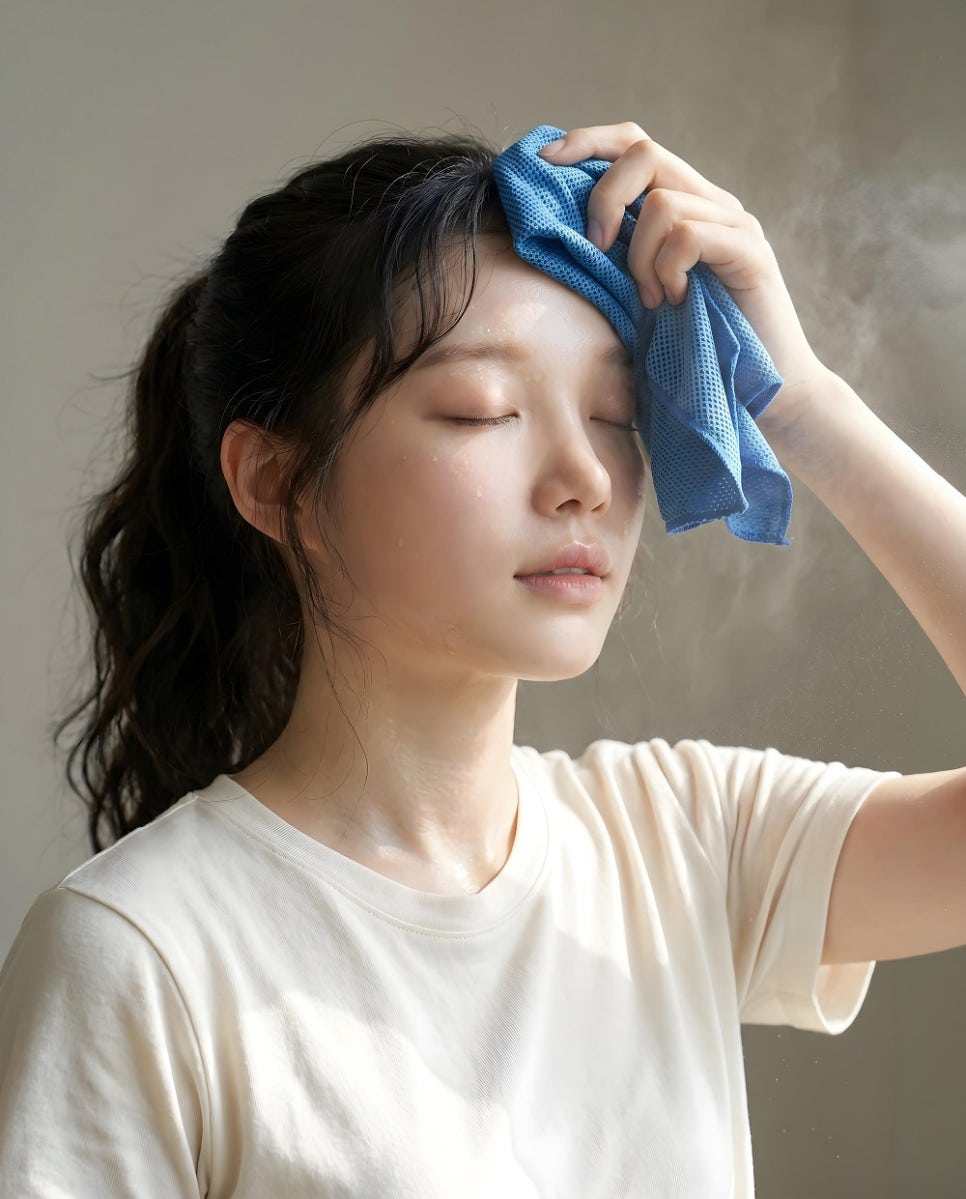
What happens if you do not wash soon after sweating heavily?
You may have experienced leaving sweat running down your skin after outdoor activities or a light workout. Sweat contains salt and waste products, so the longer it remains on the skin, the more strongly it can act as an irritant. This is something you should not forget.
As sweat evaporates, it also takes moisture from the skin, creating a strange form of dryness in which the surface feels sticky while the inside feels extremely dry. Therefore, gently refreshing your skin immediately after sweating is an effective way to help prevent blemishes.

Is simply washing thoroughly enough for blemish-prone skin in summer?
Some people wash their face several times or use scrubs frequently because they are concerned about blemishes. However, these habits may instead weaken the skin barrier. When the skin barrier is compromised, the skin becomes more sensitive to external irritation and less able to retain moisture, potentially creating an environment in which blemishes continue to recur. That is why it is important to cleanse gently and only as much as necessary.
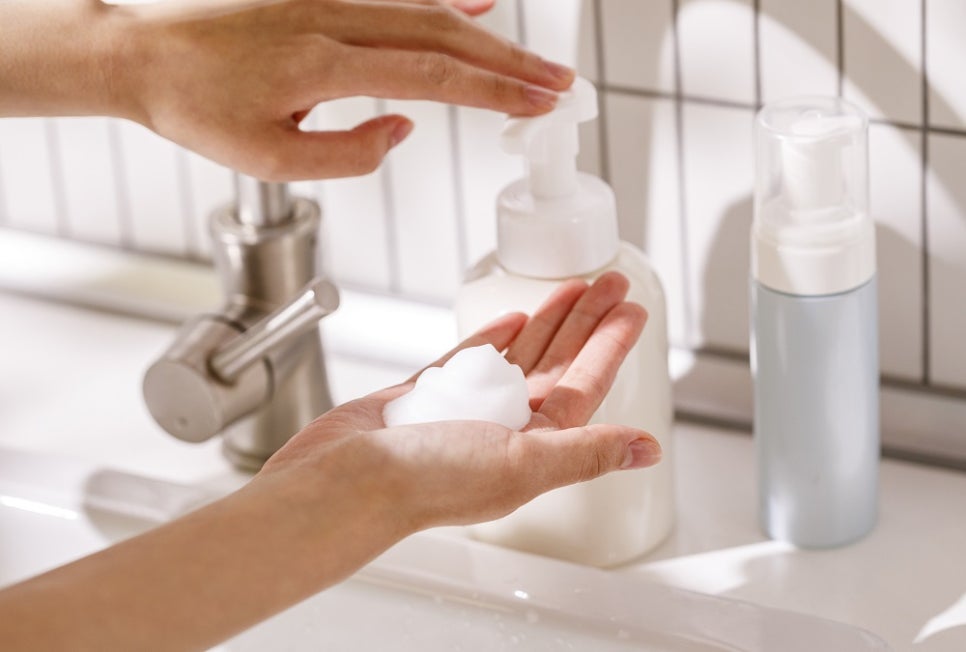
Lifestyle habits that help reduce summer skin problems
Proper home care begins with gently washing away only the impurities inside the pores using lukewarm water and a low-irritant cleansing foam. After cleansing, choose a lightweight, hydrating formula with little oiliness to help balance oil and moisture levels.
You should also apply sunscreen thoroughly 30 minutes before going outside, and after returning home, pay attention to double cleansing so that no residue remains. Drinking water regularly to replenish the body’s moisture can also be very helpful for maintaining clear-looking skin.


Do not dismiss recurring acne as a simple summer skin problem
Mild blemishes often improve with lifestyle changes alone. However, if blemishes repeatedly appear in the same area or lead to scarring, it is best not to dismiss them as merely a seasonal issue. At Human Dermatology Clinic, Seoul National University Branch, a board-certified dermatologist personally examines each patient’s skin and works with them to determine an appropriate management plan based on their individual condition. If you are concerned about recurring blemishes, we hope you will feel comfortable seeking a consultation.