Our health is closely related to the foods we usually eat. That is why many people make an effort to eat healthy foods for their health, and interest in ancient grains as healthy foods has been growing these days.
Farro is one of the ancient grains and refers to a grain that includes three wheat species. It is mainly used in Italian cuisine, but it can be applied to a variety of dishes, and since it contains many beneficial components, it has recently been attracting attention as a healthy food. Today, let’s briefly look at the ingredients of farro, its benefits, and its side effects.
Farro Grain Ingredients
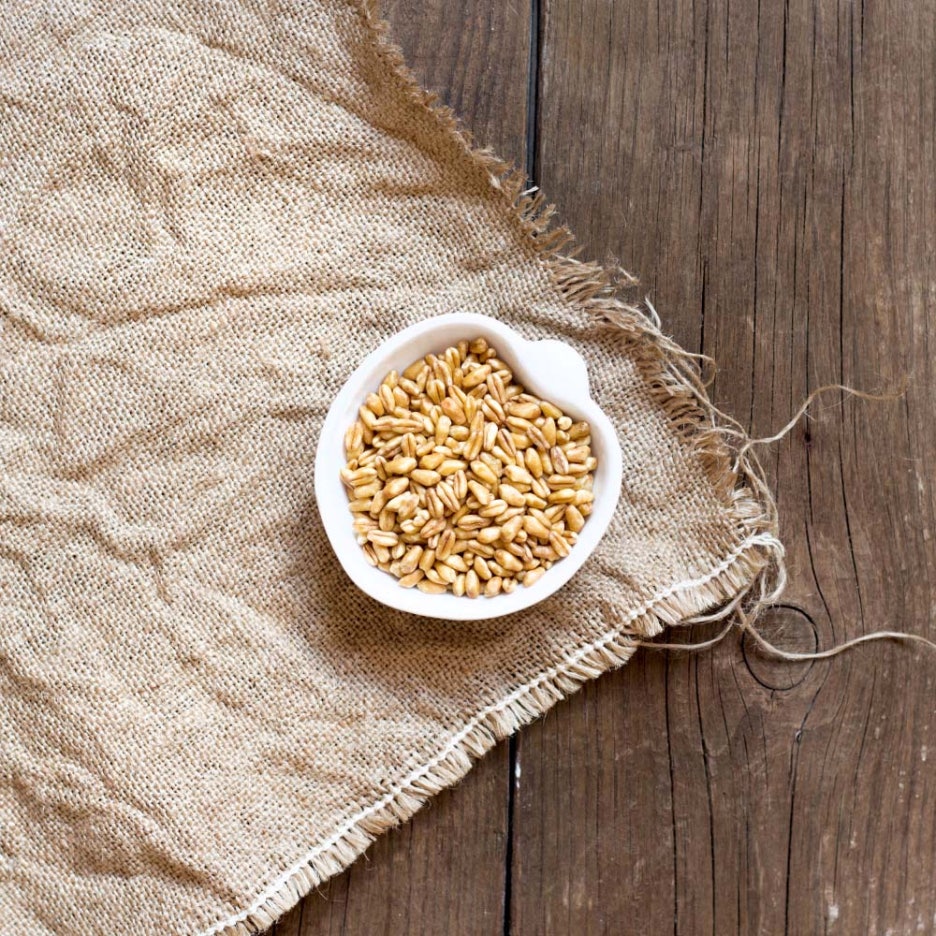
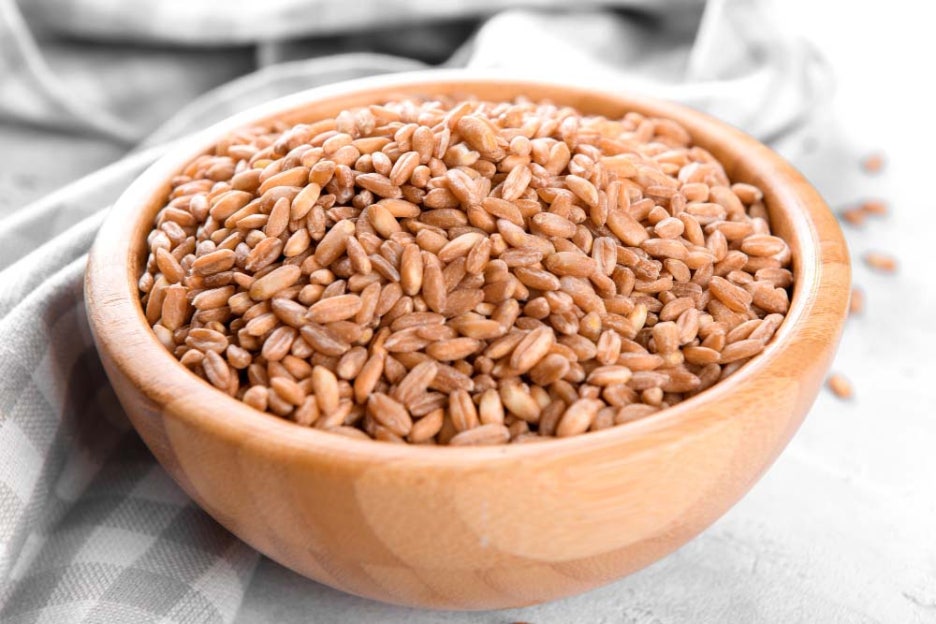
Farro is an ancient grain and is generally a term that refers to three wheat species: emmer, einkorn, and spelt. It was first cultivated in the Mesopotamian region about 12,000 years ago and is mainly grown in the Tuscany region of Italy. Farro is said to contain many ingredients that are good for health. The ingredients in farro grain include the following.
Main ingredients of farro grain
-
Carbohydrates: about 72g
-
Protein: 12.5g
-
Dietary fiber: 6g
-
Fat: 2g
Minerals
-
Magnesium: 150mg
-
Zinc: 3mg
-
Selenium: 8μg
-
Iron
Vitamins
-
Vitamin B3: 4mg
-
Other B vitamins
Antioxidants
-
Polyphenols: 50mg
-
Carotenoids: 1mg
-
Lutein
-
Zeaxanthin
Farro Grain Benefits
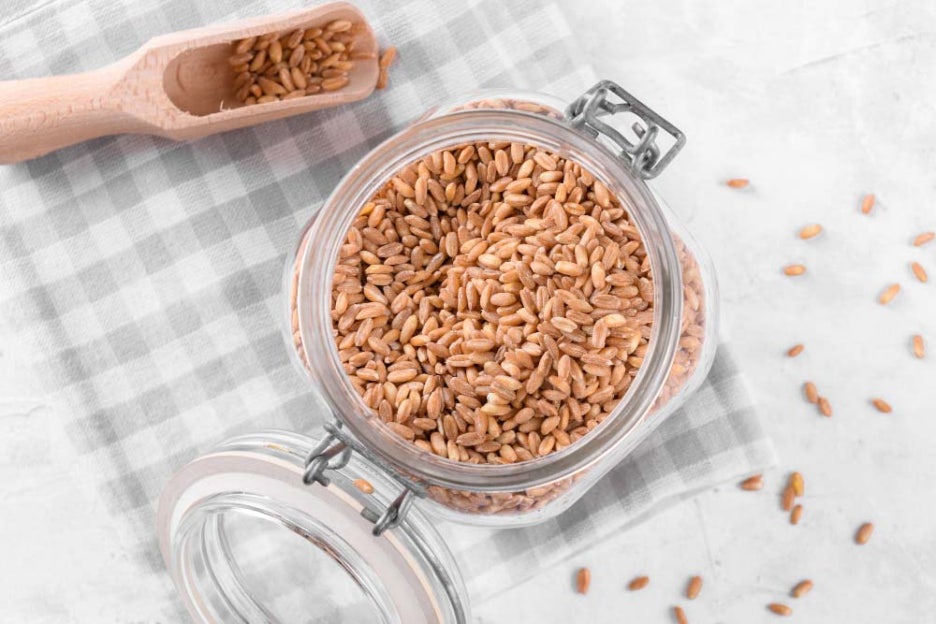
So far, we have looked at the ingredients of farro grain. Farro is a food with a low GI, which helps prevent sudden spikes in blood sugar and is also good for people who need blood sugar management. Representative benefits of farro grain include the following.
- Blood sugar control
It may help with blood sugar control. It is rich in resistant starch and dietary fiber, which can help prevent sharp rises in blood sugar. It may be helpful for people with diabetes and those who need blood sugar management. In particular, resistant starch is digested slowly, which can help prevent sudden spikes in blood sugar.
- Digestive health
Farro grain benefits may also help digestive health. Its abundant dietary fiber can help promote digestion and prevent constipation. In addition, the rich dietary fiber can improve gut health and help improve the intestinal environment.
- Improved cardiovascular health
Farro grain benefits may also have positive effects on cardiovascular health. This is because it helps prevent cardiovascular disease by regulating cholesterol levels. According to reports, this is because farro contains a lot of unsaturated fatty acids, which play a role in preventing cardiovascular disease. Consuming it regularly may help strengthen cardiovascular health.
- Strengthening immunity
Farro grain benefits are also said to help boost immunity. This is because it is rich in selenium and zinc. In particular, selenium has strong antioxidant effects and is said to help remove harmful substances from the body and strengthen the immune system.
- Weight loss
One of the benefits of farro is weight loss. This is the effect that draws the attention of people who are dieting. Farro does not directly make you lose weight, but it can help with weight loss by helping you feel full for longer and preventing overeating.
- Antioxidant effect
Lastly, one of the benefits of farro grain is its antioxidant effect. This is because it is rich in polyphenols, a representative antioxidant compound. It is said to help prevent cell damage and aging, and may also be effective for skin beauty.
Farro Side Effects
So far, we have looked at the benefits of farro. Looking only at its benefits, it is easy to think of it as a grain that is good for health and worth eating often. Of course, most people can eat it without concern, but some people may experience side effects from farro, so it is advisable to be careful.
- Allergic reactions
Farro is a grain related to wheat, which contains gluten. If you have an allergic reaction, you should be cautious. Symptoms such as skin rashes, hives, and itching may appear.
- Digestive problems
Because farro is rich in fiber, people with weak digestive systems may experience digestive problems if they eat too much. It can lead to gas, bloating, and indigestion.

- Risk of low blood sugar
If consumed together with diabetes medication, there may be a risk of low blood sugar.
- Weight gain
Lastly, one of the side effects of farro may be weight gain. Although farro is a low-GI food, excessive intake can lead to excess calories and, conversely, cause weight gain.
Therefore, when consuming farro, it is best for your health to carefully consider your personal health condition and whether you have any allergies, and to eat an appropriate amount.




Previous image
Next image