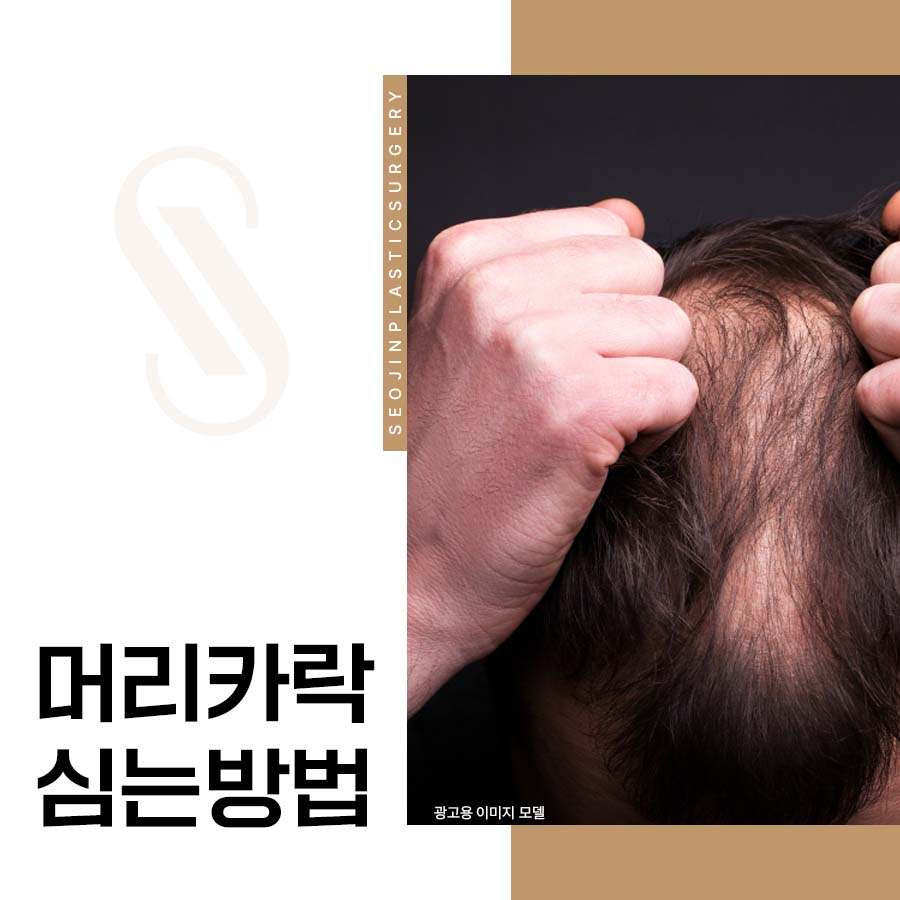
When the weather turns colder or warmer, you may feel like your hair is falling out more easily than usual.
This kind of hair loss is called seasonal hair loss, and it refers to a temporary increase in hair loss depending on the season.
In particular, hair loss that occurs during winter is more likely to happen due to dry conditions, immune system disruption, and poor blood circulation. As blood vessels constrict, nutrients may not be sufficiently delivered to the scalp and hair, and as the scalp becomes dry and its oil-moisture balance is disrupted, hair may fall out more easily than usual.
The problem is that this can make the situation worse for people who already have hair loss symptoms.
There are various ways to improve hair loss, but these days interest in hair transplant methods as a way to implant hair has been increasing. Today, I have summarized different hair loss improvement methods, ways to implant hair, and the types of hair transplants.
Various Hair Loss Improvement Methods
-Improving lifestyle habits
In the early stage, when hair begins to fall out, improving lifestyle habits can be helpful. In particular, it is important to get good sleep between 10 p.m. and 2 a.m., as this can promote growth hormone secretion and help hair grow well.
-Nutrition management
If you are worried about hair loss, it is a good idea to first pay attention to your nutritional status. Nutrition management is important in hair loss care and prevention. It is best to maintain a balanced diet and eat plenty of foods that are good for preventing hair loss, such as black beans, eggs, and salmon.
-Scalp care
To improve and manage hair loss, the scalp must be well cared for. It is advisable to use a scalp shampoo suited to your scalp condition and to wash your hair with lukewarm water instead of excessively hot water. It is also desirable to rinse shampoo thoroughly with water to keep the scalp clean.
How to Implant Hair
If these methods do not bring improvement, you may consider a hair transplant. A hair transplant is a surgical method for treating hair loss, in which follicles are harvested from the back of the head and transplanted to the area affected by hair loss. Depending on whether an incision is made, it can be divided into incision methods and non-incision methods. It is important to choose the appropriate method according to each person's hair loss condition.
-Incision method
This is a method in which a certain area of hair is harvested together with the skin and transplanted at once. The surgery time is short, but the burden of scarring and pain can be relatively greater.
-Non-incision method
This is a method in which hairs are harvested and transplanted one by one. The surgery time is longer, but the burden of scarring and pain can be reduced relatively. Because harvesting can be done mainly from thin hair within the box cut, gradient hair transplantation is also possible.
Types of Non-Incision Hair Transplant
There are also different types of hair-implant methods and non-incision hair transplants. Since hair transplants have traditionally involved some burden related to shaving or incisions, many people hope to look natural even after the procedure. Among non-incision hair transplant methods that reduce the burden of scarring, there are also methods that make it easier to return to daily life.
Line Cut Hair Transplant
This method preserves the advantages of the non-incision approach while compensating for its drawback, the box cut. Because harvesting is done intermittently in thin, line-shaped strips, it does not stand out much after surgery and makes a natural return to daily life easier.
No-Shave, No-Cut Hair Transplant
As the name suggests, this is a method in which each follicle is harvested as is without shaving. Because the follicles are transplanted 그대로, there is almost no visible sign after surgery, making it easier to return to daily life and allowing more freedom in styling.
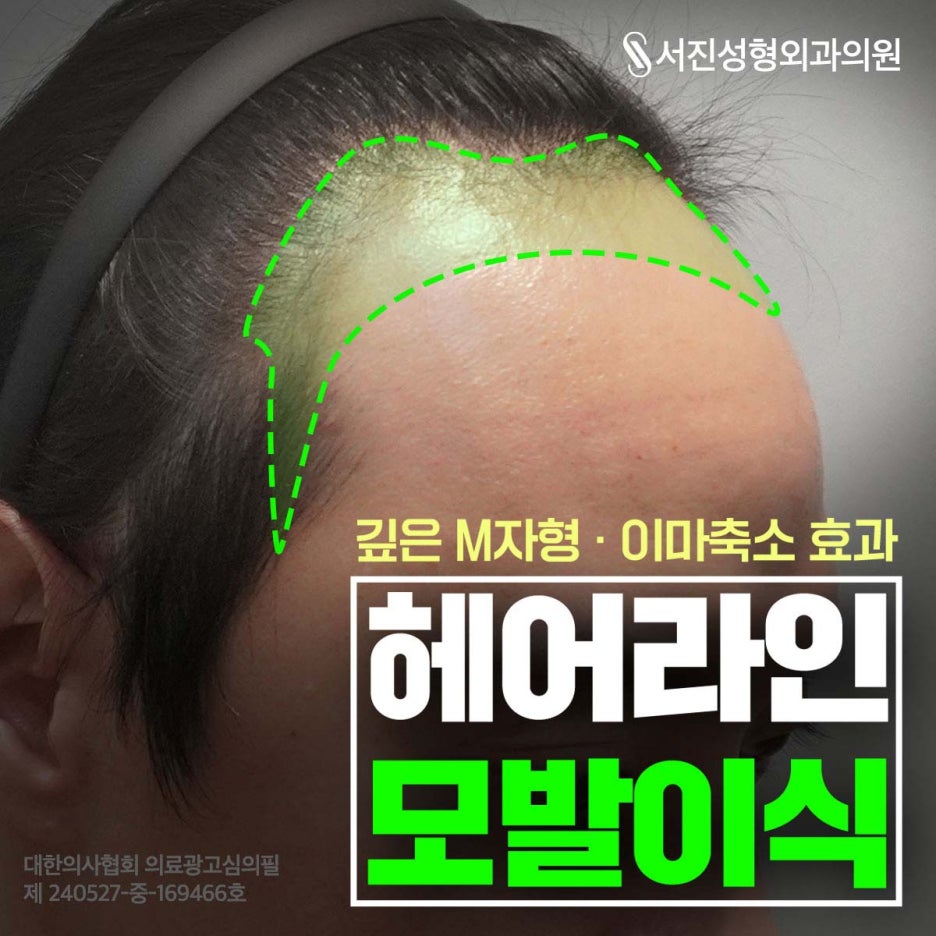
So far, we have looked at various hair loss improvement methods, ways to implant hair, and hair transplant methods. Rather than asking which method is better, what matters is using the method that is suitable for my scalp and hair loss condition. Therefore, it is desirable to carefully consider each person's different scalp condition, hair loss status, and facial shape to find the method that fits me.








 Previous image
Next image
Previous image
Next image