
Are you familiar with smallpox? For most people, it is only something they briefly heard about in history class, and there may be only a few who know it in detail. Smallpox is one of the fatal viral diseases that threatened humanity from the past. In the past, 20% to 60% of infected people died, and among children, the fatality rate was said to be about 80%.
Considering that the fatality rate of COVID-19 is currently below about 2%, this is a very high number.
Just from that, it can make your heart sink, but now that a smallpox vaccine has been developed, it is no longer a viral disease that threatens humanity as it once did.
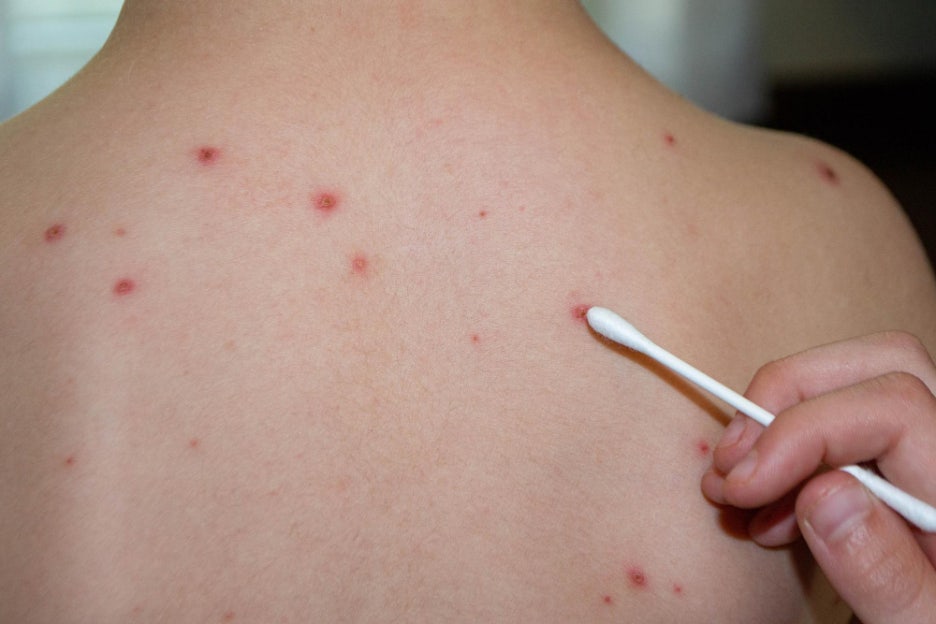 Reference image
Smallpox has recently drawn attention again through the mpox outbreak.
Because the symptoms of smallpox and mpox are similar, attention has been drawn to it again. Today, I looked into the meaning of smallpox and also examined smallpox symptoms and the differences between smallpox and measles.
Meaning of Smallpox
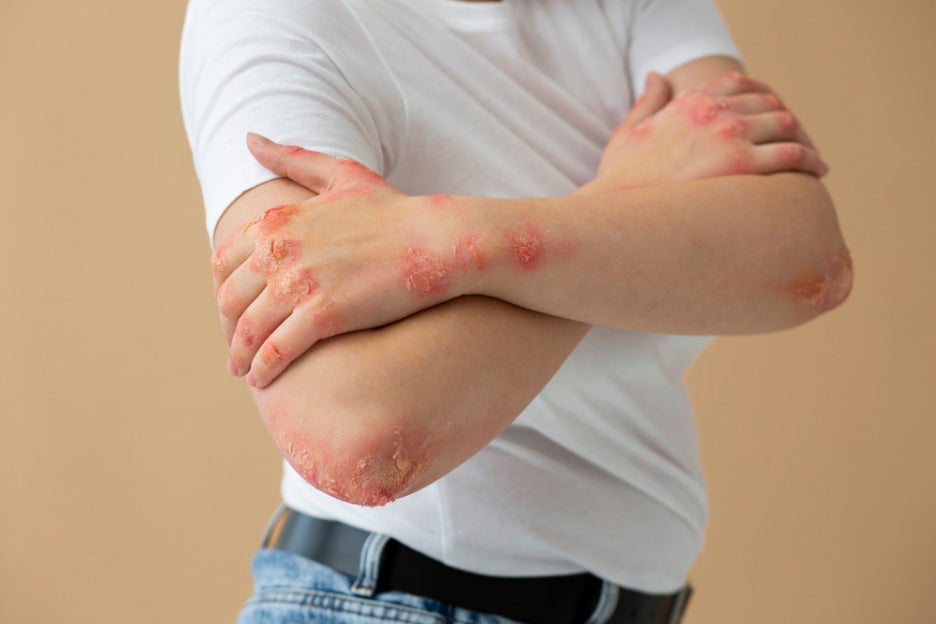 Reference image
Smallpox is a viral disease caused by the variola virus.
It is an acute disease characterized by fever, vesicles, and pustular skin changes, and is an infectious disease with a very high mortality rate. Although it was a disease that posed a deadly threat to humanity, a vaccine was developed, and in 1979 it was declared eradicated worldwide. To date, there have been no reports of natural occurrence.
In Korea as well, it had such a frightening impact that it was also called "horses and mama."
"Horses" means being bitten and carried off by a tiger. Referring to the meaning of smallpox as "horses and mama" in the past implies just how dangerous and deadly this disease was.
In Korea, the meaning of smallpox has many names.
In addition to "duchang" and "mama," various names have been passed down, such as hogubeolseong, haengyeok, yeokjil, sonnim, hogwi-mama, and hogu-mama.
Smallpox Symptoms
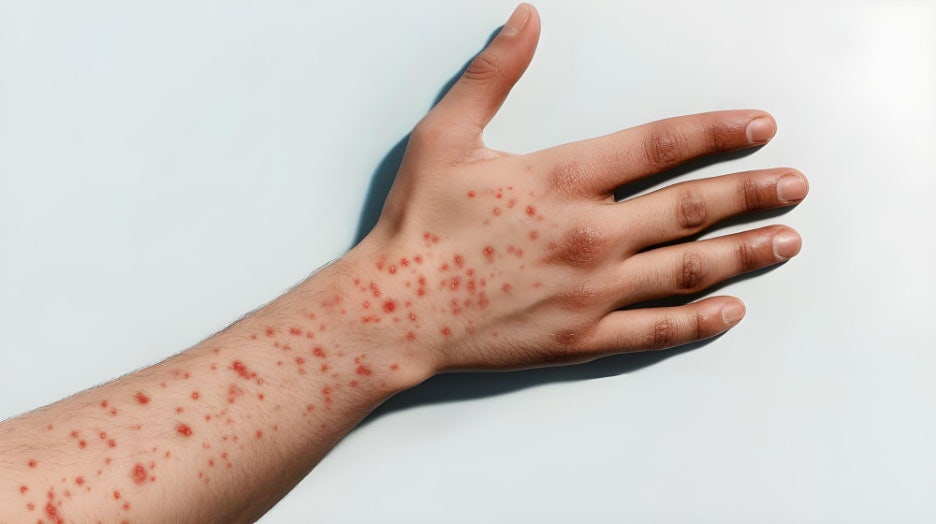 Reference image
Smallpox symptoms appear after an incubation period of 7 to 17 days after infection, and the main symptoms include the following.
After the initial symptoms, it goes through the following stages: rash stage, pustules, and scab formation.
Initial symptoms (2 to 4 days after symptom onset)
High fever (38°C or higher), severe headache, severe lower back pain, generalized muscle pain, severe fatigue, vomiting
Rash stage
-
Initial rash (after 2 to 4 days): Small red spots appear in the mouth and on the tongue, then spread to the face and arms and legs. A distinctive feature is that a rash also appears on the palms and soles.
-
Rash progression (next 2 to 3 days): The spots change into firm papules. As the papules fill with fluid, they develop into vesicles.
-
Pustular stage (about 1 week): The pustules become round and firm. The center becomes sunken, forming a navel-like appearance. A distinctive feature is that they feel deeply embedded in the skin.
-
Scab formation (after 2 to 3 weeks): Scabs form over the pustules, leaving scars.
Comparison of the Differences Between Smallpox and Measles
 Reference image
So far, we have looked at smallpox according to its symptoms. A disease with symptoms similar to smallpox is measles. In Jeju, a measles patient appeared for the first time in five years, so attention was once again focused on measles. Then what are the differences between smallpox and measles?
Causative virus
Smallpox is caused by the variola virus, while measles is caused by the measles virus.
Incubation period
-
Smallpox: 7 to 17 days
-
Measles: 10 to 14 days
Initial symptoms
-
Smallpox: high fever, headache, muscle pain, vomiting
-
Measles: high fever, cough, runny nose, conjunctivitis, sensitivity to light
 Reference image
Rash pattern
-
Smallpox: starts in the mouth and on the tongue, then spreads to the face, hands and feet, and the entire body
-
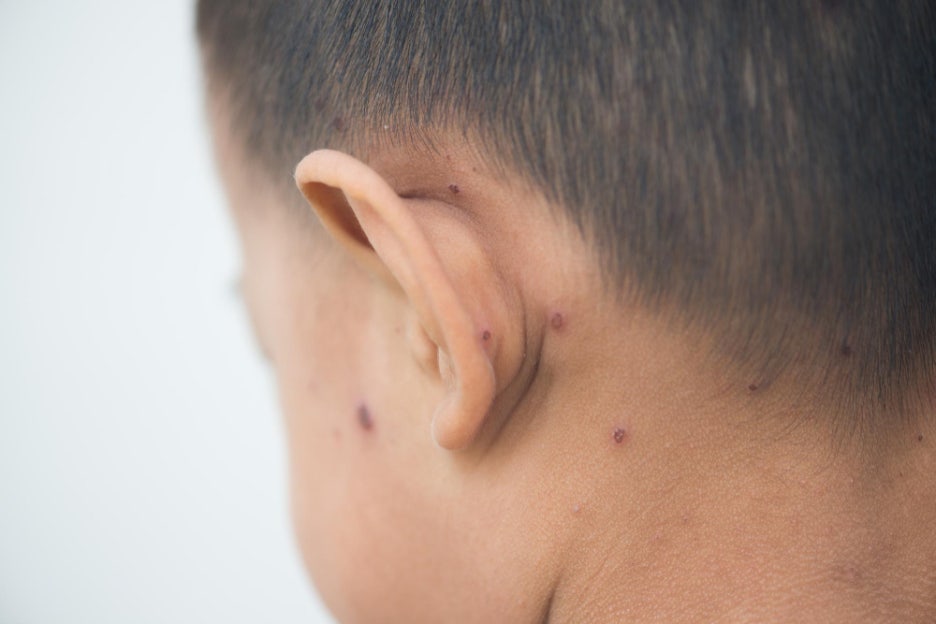
Measles: starts on the face and behind the ears, then spreads down the neck and over the entire body
Transmission route
-
Smallpox: close contact, contaminated objects, and in rare cases, airborne transmission is also possible
-
Measles: droplet transmission through coughing and sneezing
Fatality rate
Vaccine and treatment
-
Smallpox: preventable by vaccine (currently eradicated), no specific treatment.
-
Measles: preventable by vaccine, treated with supportive care
Smallpox was declared eradicated by the WHO, but measles still occurs worldwide.
Measles can be prevented through the MMR vaccine.
It can be effectively prevented through vaccination and personal hygiene practices.








 Previous image
Next image
Previous image
Next image