
It is widely known that high blood pressure is not good for your health. Because of that, many people manage their blood pressure for the sake of their health.
Since high blood pressure must be managed for life once it develops, the best approach is to prevent it from occurring in the first place. Today, let’s briefly look at the criteria for high blood pressure, the causes of high blood pressure headaches, and how to lower high blood pressure.
High Blood Pressure Criteria
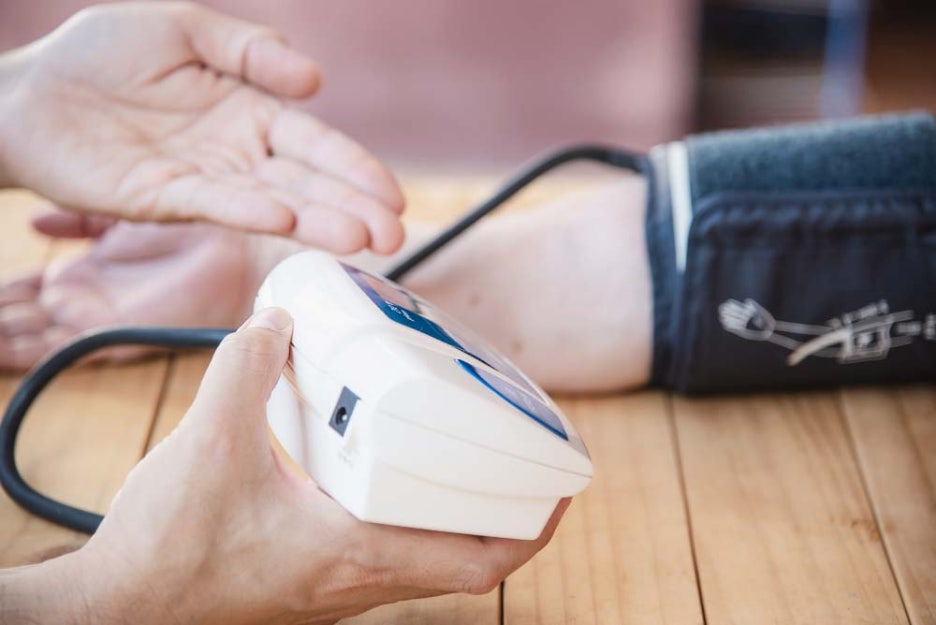
High blood pressure refers to a condition in which elevated blood pressure continues for various reasons. The issue is not high blood pressure itself, but the fact that persistent high blood pressure can negatively affect health. If high blood pressure is left unmanaged, various conditions such as atherosclerosis, stroke, angina, and myocardial infarction can occur, so it is important to prevent high blood pressure from developing. So what are the criteria for high blood pressure?
Systolic blood pressure / Diastolic blood pressure
-Normal blood pressure: 120mmHg / 80mmHg
-High blood pressure criteria: 140mmHg / 90mmHg
-Prehypertension (Stage 1): 120129 / 8084
-Prehypertension (Stage 2): 130139 / 8589
*Prehypertension is not yet within the high blood pressure range, but if it persists in the future, it can progress to high blood pressure.
Therefore, if you fall into the prehypertension range, it is a good idea to make efforts to manage your blood pressure.
Causes of High Blood Pressure Headaches
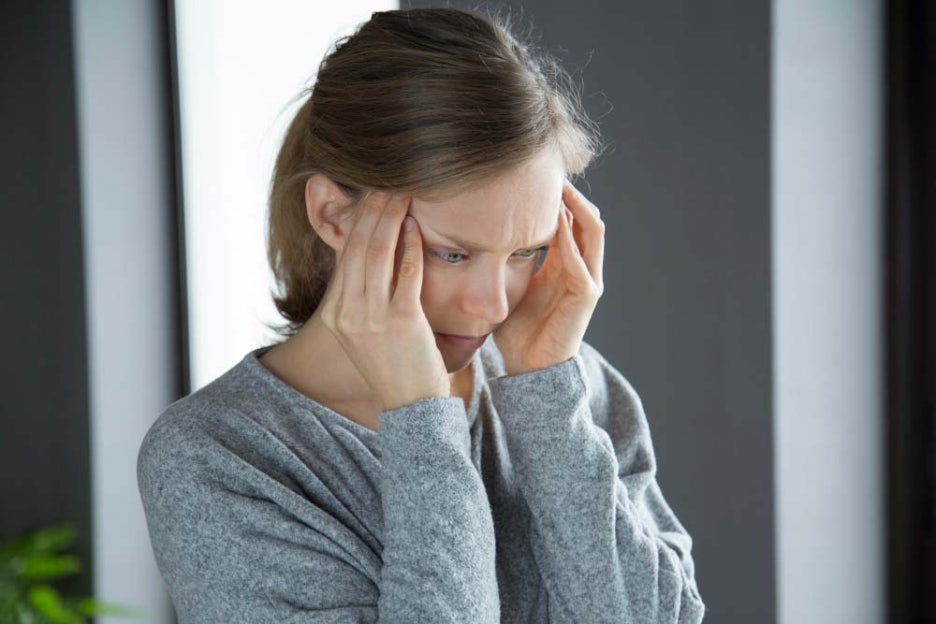
One of the symptoms of high blood pressure is headache. Hypertensive headaches are also a sign that high blood pressure is not being well managed. If you continue to experience headaches, it is a good idea to consult a medical professional. The main causes of high blood pressure headaches include the following.
Persistent Increase in Blood Pressure
The cause of high blood pressure headaches is a persistent increase in blood pressure. Due to high blood pressure, pressure is placed on the blood vessels around the brain, which can damage the vessels or cause problems with blood flow.
Increased Pressure Inside Brain Blood Vessels
As the internal pressure of the vessels leading to the brain increases, the strain on the blood vessels rises, and high blood pressure headaches may be felt.
Sympathetic Nervous System, Stress
When the sympathetic nervous system becomes activated and stress hormones are released, headaches may be worse in the morning. In the evening, the headache may ease relatively.
How to Lower High Blood Pressure

Blood pressure is a major cause of harm to overall health. Therefore, if your blood pressure is higher than normal, it is advisable to make active efforts to manage it. What healthy methods can be used to lower high blood pressure? The following methods can help lower high blood pressure.
- Regular Exercise
The most basic method is regular exercise. Regular exercise can help lower blood pressure by enabling the heart to supply blood efficiently. Even walking for 30 minutes a day can help lower blood pressure. Consistency is important. If you do not have much time, it is a good idea to use your commute and make time to walk for at least 30 minutes.
- Reduce Sodium Intake
Sodium is a factor that raises blood pressure. It is a good idea to reduce your intake of processed foods and fast food that contain a lot of sodium. For people who already have high blood pressure, it is advisable to reduce sodium intake by eating a low-salt diet.

- Avoid Alcohol
Alcohol can raise blood pressure. In fact, there are studies suggesting that alcohol is linked to 16% of hypertension cases worldwide. Although there are claims that small amounts of alcohol may be good for health, it is also true that alcohol raises blood pressure. If you have high blood pressure, it is best to stay away from alcohol.
- Reduce Caffeine
These days, many people enjoy drinking coffee. Coffee is also a beverage that contains a lot of caffeine. Try not to drink more coffee than necessary, and it is a good idea to avoid energy drinks that contain a lot of caffeine. For people with high blood pressure, even a temporary increase in blood pressure can be risky, so it is better to be cautious with caffeine intake.
- Manage Stress
Lastly, managing stress is also a way to lower high blood pressure. You may often have experienced a feeling of your heart pounding when stressed. Chronic stress keeps the body tense, makes the heart beat faster, and constricts blood vessels, which can raise blood pressure. Stress can also lead to drinking and smoking, which are not good for heart and blood vessel health. It is important to make efforts to manage stress.







 Previous image
Next image
Previous image
Next image