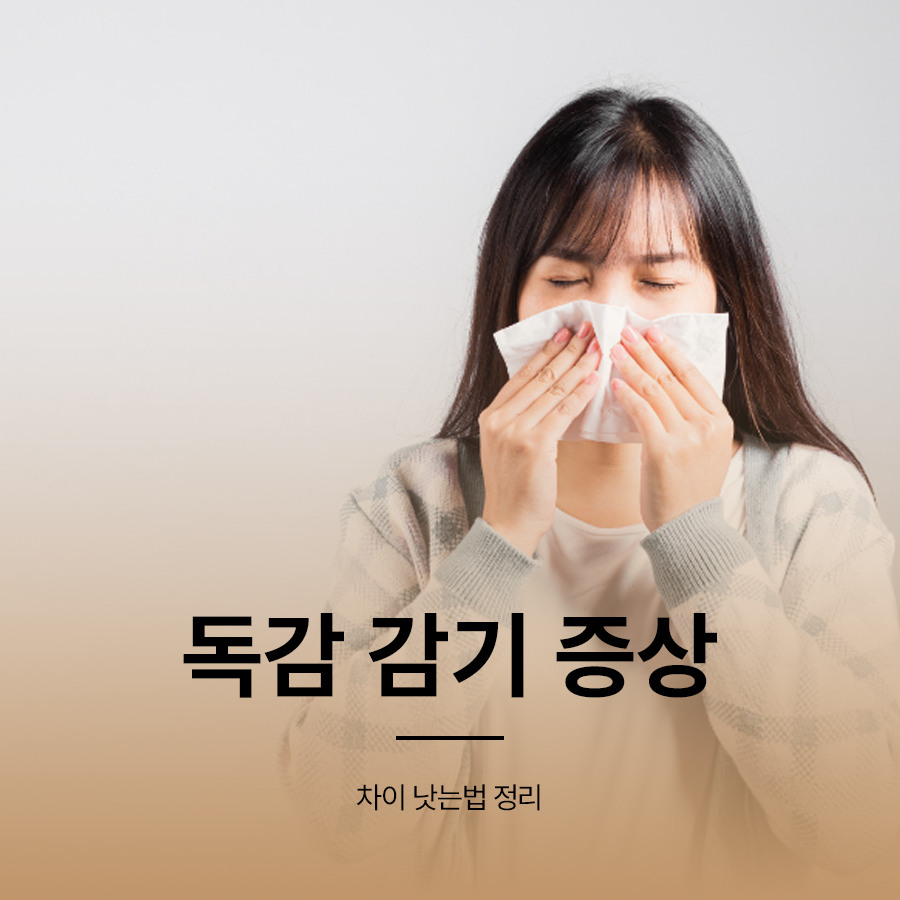
As the weather gets warmer, you may notice many people around you coughing. But did you know that even in warm weather, you still need to watch out for flu symptoms? You might wonder why flu would come around in spring, but in fact, type B flu is prevalent between February and March. It can vary from year to year, but this is usually the period when type B flu spreads.
These days, type A flu and type B flu can spread at the same time, so it is not a good idea to neglect respiratory health just because it is spring. Today, to help with respiratory health during the changing seasons, let’s take a look at the differences between flu and cold symptoms and briefly go over how to recover from the flu.
Differences Between Flu and Cold Symptoms
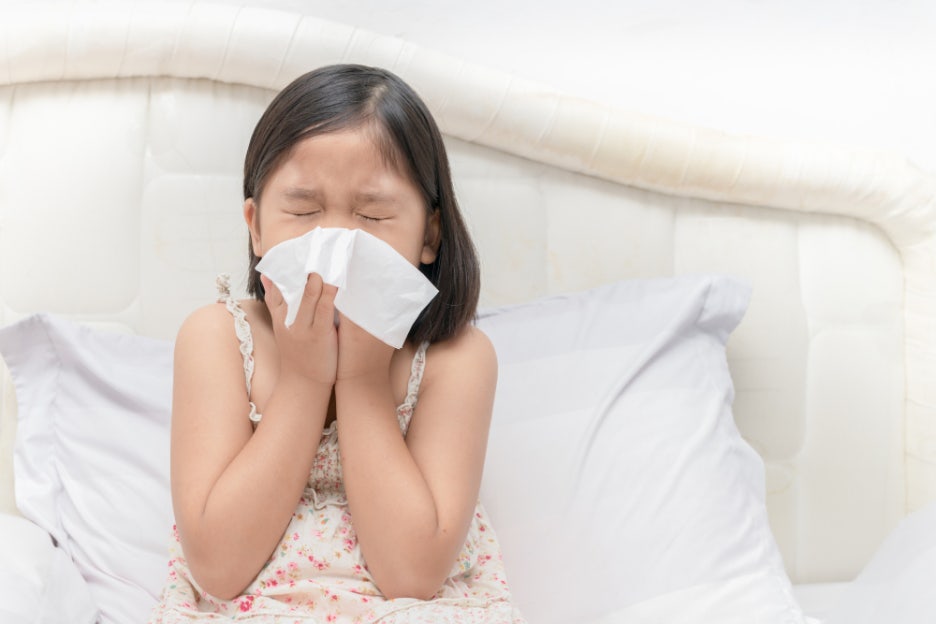
Some people think the flu and the common cold are similar, but they are completely different illnesses. The flu is caused by the influenza virus, while the common cold can be caused by various viruses. 대표적으로 rhinovirus, adenovirus, and the familiar coronavirus are examples.
Because the viruses that cause them are different, the difference between the flu and a cold should be distinguished. You can also find distinctive features in the differences between flu and cold symptoms. The symptoms themselves are often similar, but the difference lies in how severe they are.
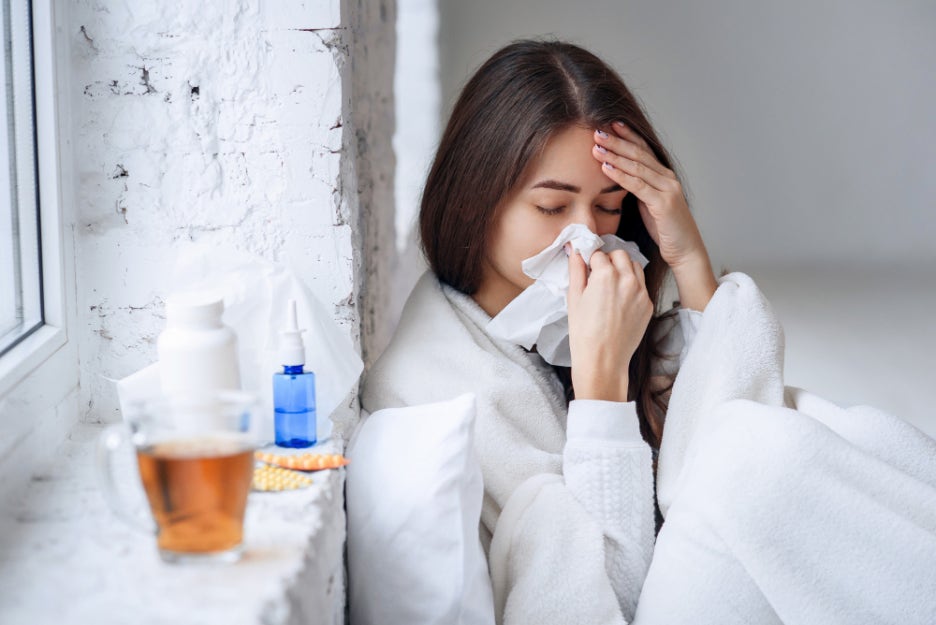
In the case of flu symptoms
The flu is characterized by symptoms that appear suddenly. Along with this, it can cause a high fever of 38°C or higher, severe chills, muscle aches, and headaches, making daily life difficult. Because it can lead to pneumonia, it is important to receive proper treatment early.
In the case of cold symptoms
Cold symptoms are characterized by a gradual onset compared with the flu. Fever may occur, but a high fever of 38°C or higher is rare. Pain symptoms such as chills, muscle aches, and headaches are also usually mild. In most cases, it can improve over time with enough rest and symptomatic treatment.
How do you recover from the flu?
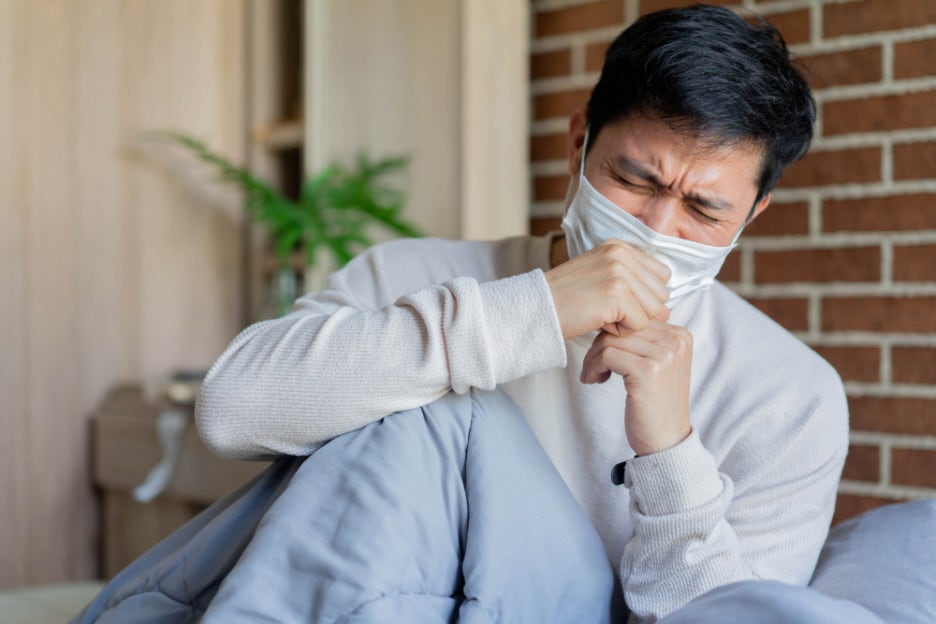
So far, we have looked at the differences between flu and cold symptoms. If you feel symptoms that seem to be flu-related, it is best to receive appropriate early evaluation from medical professionals. Since the flu can lead to complications such as pneumonia, do not overexert yourself, rest enough at home, and refrain from outside activities until you recover.
To recover from the flu, symptom relief and antiviral medications are mainly used. It is important to take antiviral medication within 48 hours after symptoms appear. Even after taking the medication, it is advisable to rest enough at home and focus on allowing your body to recover.
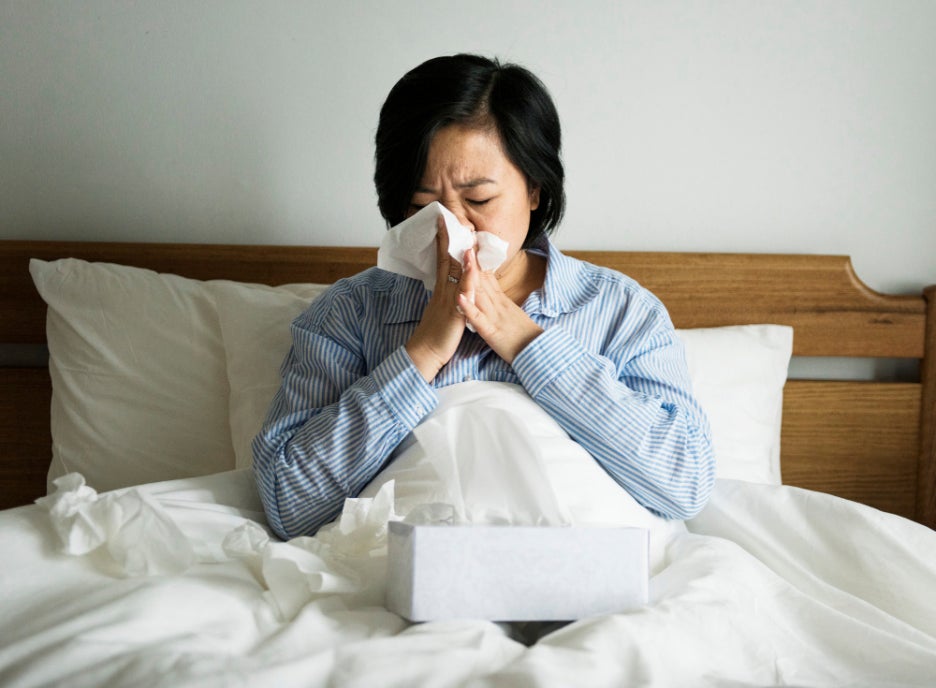
- Adequate rest
The most important thing for recovering from the flu is to rest 충분히? Wait not. The most important thing for recovering from the flu is to rest enough. Avoid strenuous work or activities, get plenty of sleep at home, and focus on maintaining your immune system and recovering. Avoid going out as much as possible to prevent spreading it to others.
- Hydration
To recover from the flu, your body needs enough fluids. Drink water often to stay well hydrated, and it is best to avoid caffeine. Drinking warm tea that may support immunity is also a good idea.
- Nutrition
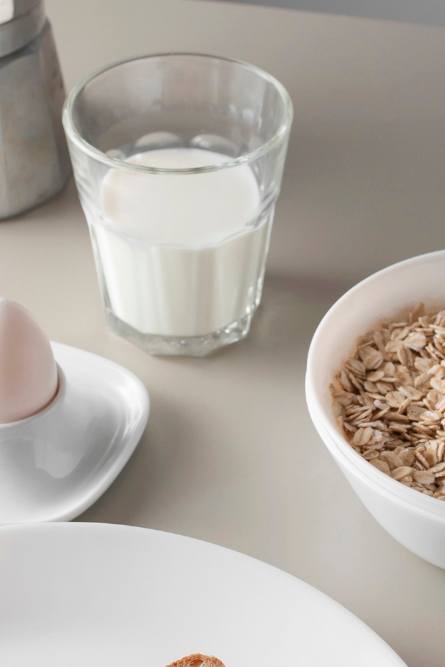
It is good to eat foods rich in vitamin C and antioxidants. Fresh vegetables and fruits can provide nutrients that support the immune system.
- Improving the environment
To recover from the flu, you need to protect your respiratory system. Adjust indoor humidity so that your airways do not become dry, relieve nasal congestion, and try to keep a calm mindset to reduce stress.
How to prevent the flu and cold

So far, we have looked at how to recover from the flu. Both the flu and the common cold are respiratory illnesses that are easy to catch during seasonal transitions and in winter. Since if you catch them, people around you are also at high risk of infection, it is good to pay attention to prevention methods for the flu and cold. There is no special vaccine for the common cold, but the flu can be prevented through vaccination, so it is advisable to prepare for the flu in advance with vaccination before the peak season.
Vaccines or medicine alone cannot protect against everything. In the end, what matters most is hygiene in daily life. When you have respiratory symptoms, be sure to wear a mask, and when you cough, cover your nose and mouth and cough or sneeze away from other people. After going out, be sure to wash your hands, and it is best to avoid crowded places.
This is a time when immune strength can easily decline as the temperature difference between day and night grows larger.
It is advisable to eat plenty of foods such as fruits and vegetables that are rich in vitamin C, and to protect your health from the flu and the common cold through regular exercise.


Previous image
Next image