What Does Gout Mean? Toe Pain Symptoms and Foods Good for Gout?
Do you perhaps think gout only occurs in older adults? As the number of young gout patients increases these days, it is said that careful health management is necessary. The condition, which is said to cause severe pain even with just a breeze, has traditionally been common among middle-aged men and older adults, but now the number of young patients is also increasing.
If gout becomes severe, normal daily life can become difficult, greatly reducing quality of life. Today, we will look at the meaning of gout and briefly go over gout toe pain symptoms and foods that are good for gout.
What Does Gout Mean
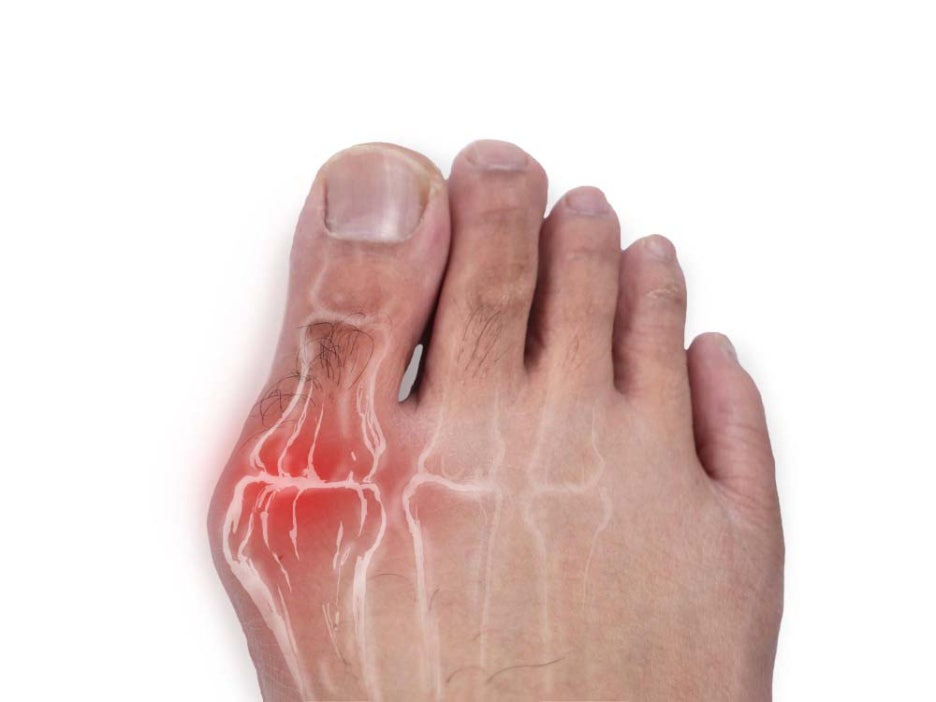
The meaning of gout refers to a condition that occurs when uric acid is deposited in the spaces and tissues within joints.
It is a disease in which the concentration of uric acid in the blood rises, and urate crystals are deposited in the cartilage, tendons, and surrounding tissues of joints, causing pain.
In severe cases, gout nodules caused by urate crystals may be deposited, leading to joint deformity and disability, so when gout symptoms appear, it is advisable to receive proper treatment and make lifestyle adjustments.
✉ What Causes Gout?
Gout is more likely to occur with increasing age and with higher blood uric acid levels.
A high-protein, high-calorie diet, excessive drinking, obesity, and reduced kidney function are listed as risk factors for gout. In men, the risk may increase in their 40s and 50s, and in women, the risk may increase after menopause.
✔ Causative factors: excessive uric acid production, reduced uric acid excretion, poor lifestyle habits and other factors, genetic factors, age, and sex
Gout Toe Pain Symptoms
So far, we have looked at the meaning of gout.
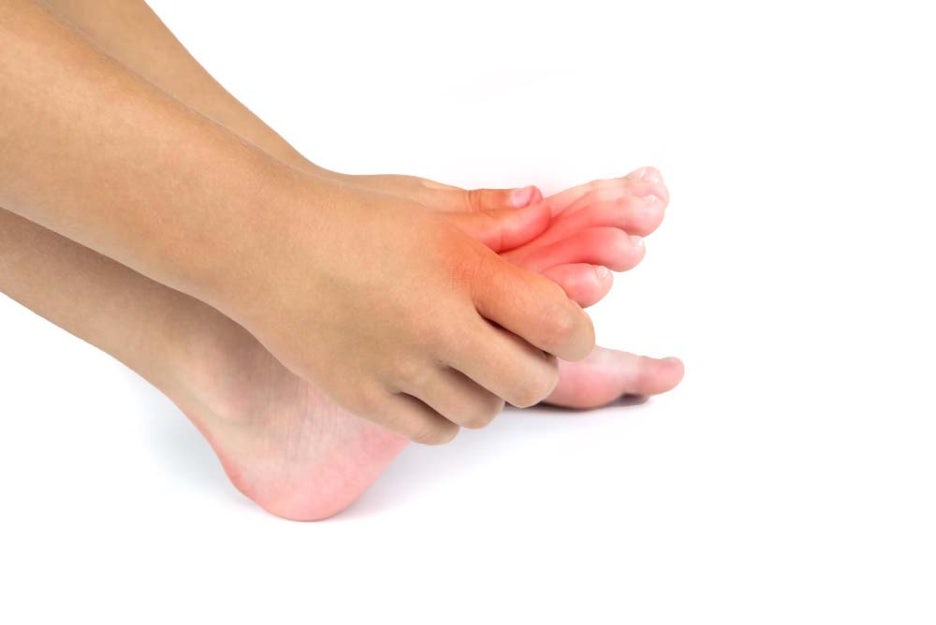
The characteristic symptom of gout is severe pain. Most commonly, it begins with gout toe pain symptoms.
Starting from the big toe, severe pain can also be felt in other joints such as the ankle, knee, and wrist.
If gout is left untreated, it can lead to complications such as joint damage, deformity, and kidney stones. If you suspect gout symptoms, it is advisable to visit a nearby medical facility for a detailed cause assessment and appropriate care.
✔ You feel sudden, severe joint pain
✔ Pain can begin in the big toe and also be felt in other joints such as the ankle, knee, wrist, and elbow
✔ The joint may swell, turn red, and feel warm
✔ The skin appears tight and shiny
✔ It gets worse at night, and the pain can be severe when you take your first steps after waking up in the morning
✔ Symptoms improve and worsen repeatedly, and if left untreated, the frequency of recurring pain gradually increases
5 Foods Good for Gout
So far, we have looked at the meaning and symptoms of gout.
To improve gout, proper treatment and lifestyle changes are essential. In particular, to prevent recurrence, it is best to eat mainly foods that are good for gout.
The key point of foods good for gout is that they should help lower the uric acid level in the body.
Accordingly, the following five foods can be considered good for gout. If you have gout symptoms, why not add the five foods below to your diet?
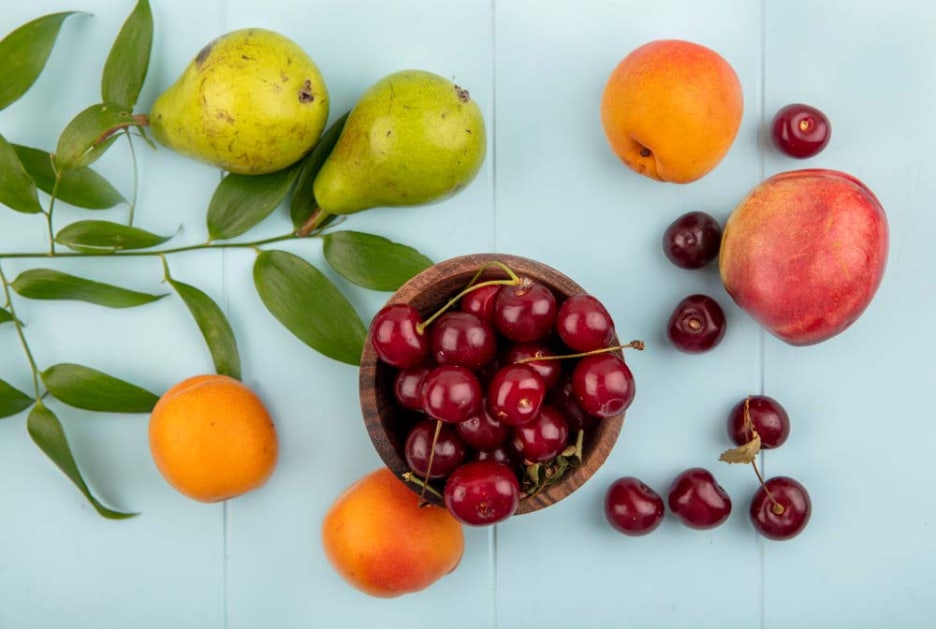
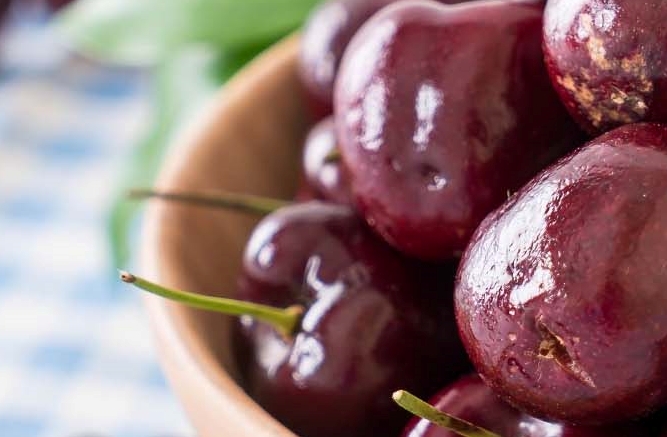
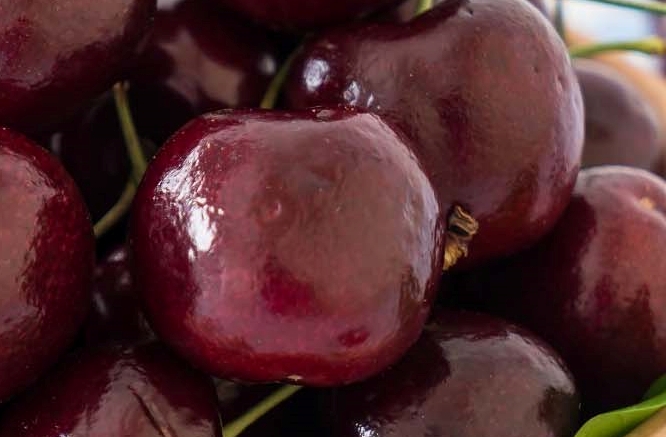
- Cherries
Cherries are rich in anthocyanins, an antioxidant, which may help reduce inflammation and lower uric acid levels in the body. In particular, the natural anti-inflammatory properties of anthocyanins may help reduce the frequency of gout attacks.
- Citrus fruits
Citrus fruits such as oranges and lemons are also among the foods good for gout. This is because they are rich in vitamin C, which helps lower uric acid levels.
Vitamin C can raise the pH levels of blood and body fluids and alkalize urine, which may help excrete more calcium carbonate.
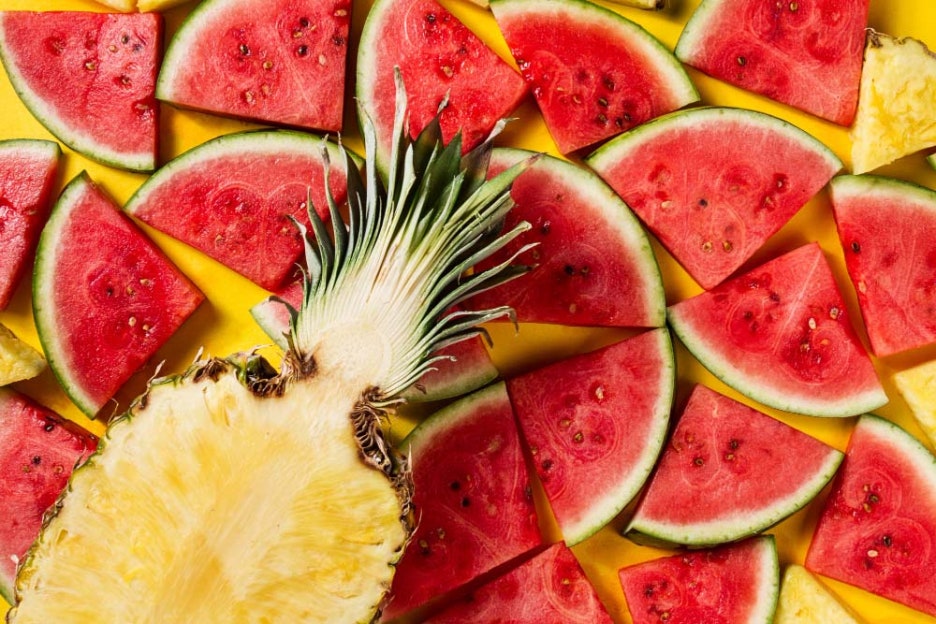
- Watermelon
Watermelon, a representative summer fruit, is also good for gout. Because watermelon has a high water content and has a diuretic effect, it may help eliminate toxins and excess uric acid from the body.
- Pineapple
Pineapple, like watermelon, also has a high water content and is rich in antioxidants and vitamin C. The natural enzyme bromelain in pineapple is said to help break down proteins and reduce inflammation. Pineapple's natural sugar content may also be helpful in regulating uric acid levels.
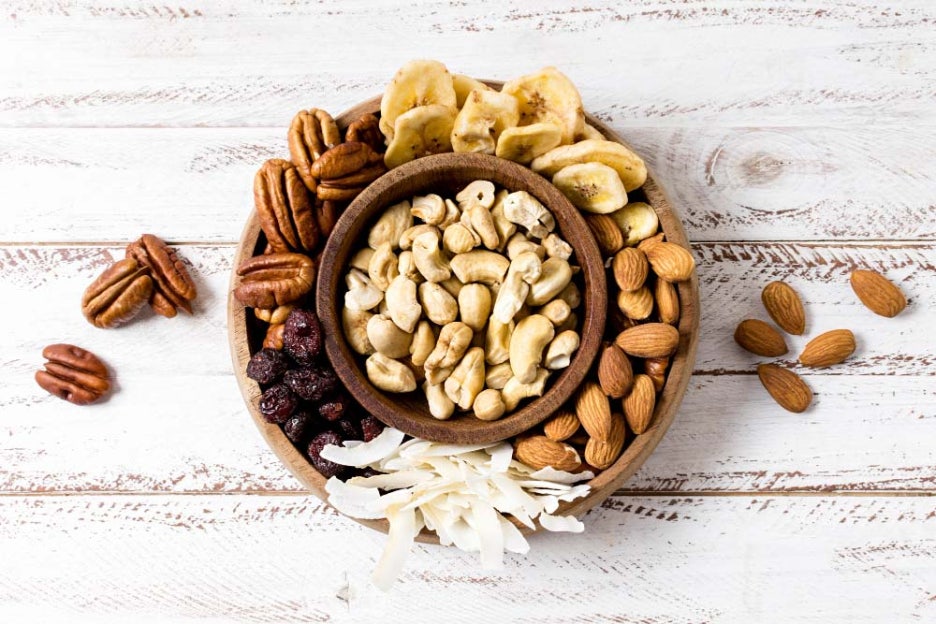
- Nuts
Lastly, there are nuts. Nuts are rich in omega-3 fatty acids, which can help ease inflammatory responses and regulate uric acid levels, making them beneficial for people with gout.
So far, we have looked at foods good for gout.
It is best to avoid high-calorie meat-based foods such as beer, pork belly, and chicken, which are high in purines.
In lifestyle guidelines for gout, it is important to lose weight through calorie restriction, avoid overeating, and reduce alcohol consumption.



Previous image
Next image