
Even if you are not particularly interested in health, many people are familiar with the word blood pressure. However, many people only have a vague idea of what their blood pressure level is and what it means for their health.
Blood pressure refers to the force of pressure exerted on blood vessels as blood flows through them. If it becomes abnormally high and persists, it can cause various health problems. High blood pressure, or hypertension, is especially dangerous because it can slowly damage the body and is often called the “silent killer.” Today, let’s look at high blood pressure levels and 7 foods that help lower blood pressure.
Why is high blood pressure dangerous?
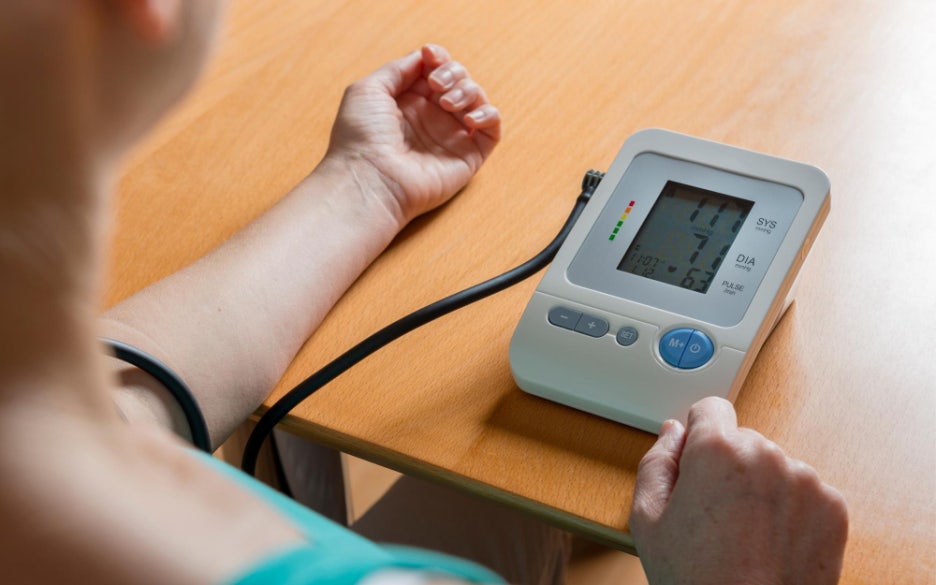
Hypertension refers to a condition in which blood pressure remains abnormally high. High blood pressure itself does not cause symptoms, but over time it can affect your health and place serious strain and damage on blood vessels and major organs. Therefore, if you have high blood pressure, it is best to make efforts to improve it and keep it within the normal range. Here are some diseases that high blood pressure can cause.
-
Blood vessel damage and atherosclerosis: High blood pressure continuously puts pressure on blood vessel walls, which can make them stiff. This can promote arteriosclerosis and increase the risk of cardiovascular and cerebrovascular diseases.
-
Heart disease: High blood pressure can cause the heart muscle to enlarge or lead to heart failure. The risk of angina, myocardial infarction, and coronary artery disease can increase.
-
Stroke: It is a major risk factor for stroke, in which a brain blood vessel bursts (cerebral hemorrhage) or becomes blocked (cerebral infarction). This can leave serious aftereffects or become life-threatening.
-
Eye diseases: If high blood pressure persists, the retinal blood vessels can be damaged, leading to vision loss or blindness.
-
Peripheral vascular disease: Blood vessels in the arms and legs can narrow or become blocked, causing numbness, pain, and other symptoms.
Blood pressure levels: Is my blood pressure okay?
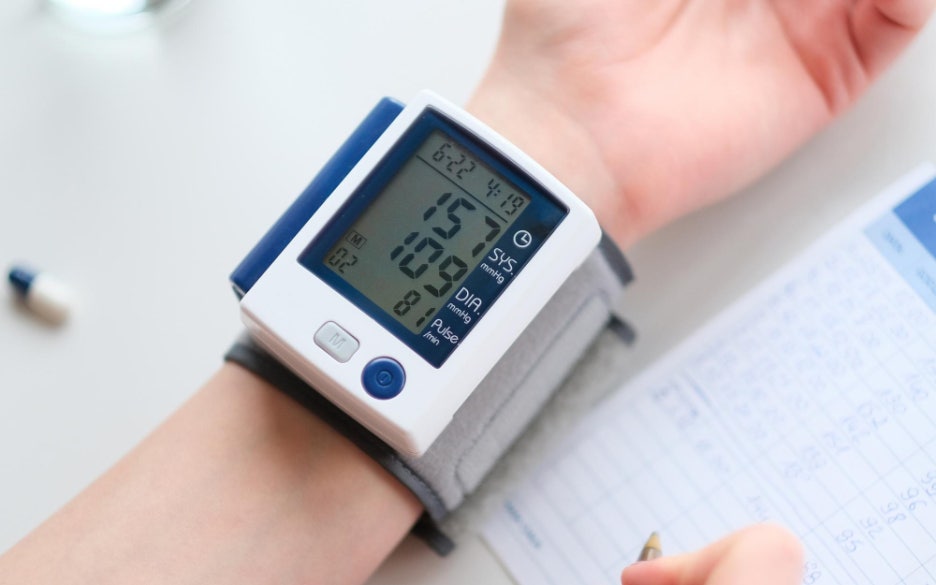
Blood pressure is divided into systolic blood pressure (top number) and diastolic blood pressure (bottom number). In general, it is assessed based on values measured multiple times in a resting state.
-
Normal blood pressure: less than 120 mmHg / 80 mmHg
-
Elevated blood pressure: 120–129 mmHg / less than 80 mmHg
-
Prehypertension: 130–139 mmHg / 80–89 mmHg
-
Stage 1 hypertension: 140–159 mmHg / 90–99 mmHg
-
Stage 2 hypertension: 160 mmHg or higher / 100 mmHg or higher
7 Foods That Help Lower Blood Pressure
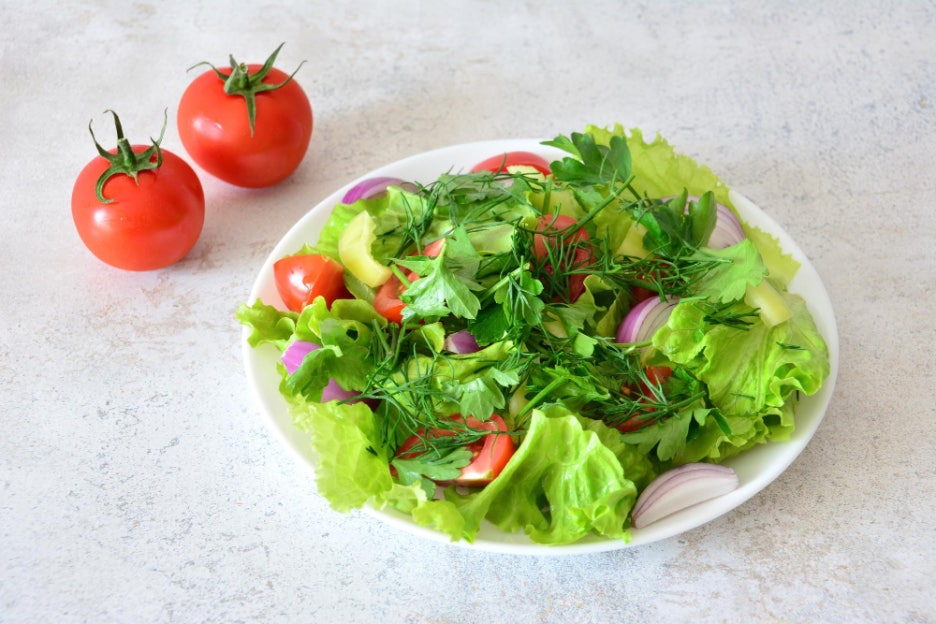
The most important things for managing high blood pressure are eating less salty foods and eating a balanced diet.
In particular, eating foods rich in potassium, magnesium, and dietary fiber, which are good for lowering blood pressure, can help with blood pressure management.
I hope you manage your health with a healthy diet through these 7 foods that help lower blood pressure.
-
Green leafy vegetables such as spinach and kale: They are rich in chlorophyll, potassium, and magnesium, which can help lower blood pressure. You can eat them as seasoned vegetable dishes, salads, or smoothies.
-
Bananas: A convenient fruit to carry around, bananas are high in potassium and can help regulate blood pressure. They are great as a snack and also pair well with yogurt.
-
Sweet potatoes: Rich in dietary fiber and potassium, they are good for blood pressure management and gut health. Steamed sweet potatoes are best, but baked sweet potatoes also make a good snack.
-
Blue-backed fish such as mackerel and salmon: Rich in omega-3 fatty acids (EPA and DHA), they can help reduce vascular inflammation and lower blood pressure. It is best to eat them grilled or steamed at least twice a week.
-
Whole grains: Unrefined whole grains are rich in dietary fiber and minerals and can help with blood pressure control. Instead of white rice, eat brown rice or mixed-grain rice, and if needed, make porridge or cereal with oats.
-
Garlic: The compound allicin can help dilate blood vessels and lower blood pressure. It is good eaten raw, but it can also be used in many dishes.
-
Nuts: Lastly, nuts are among the foods that help lower blood pressure. Examples include almonds and walnuts. They are rich in unsaturated fatty acids, magnesium, and potassium, making them good for blood pressure management.

We have looked at 7 foods that help lower blood pressure. In addition to food, combining it with lifestyle habits is desirable for managing high blood pressure. Reducing sodium intake is an important point for lowering blood pressure, so it is a good idea to cut back on processed foods, eating out, and broth-based foods, and adopt a low-sodium diet.
Also, exercising consistently 3 to 5 times a week for at least 30 minutes helps lower blood pressure, and getting enough sleep for 7 to 8 hours a day can have a positive effect on blood pressure management. Managing blood pressure is a basic part of living a healthy life. Check your blood pressure and protect your health in advance through proper lifestyle habits.
 Previous image
Next image
Previous image
Next image