Hello.
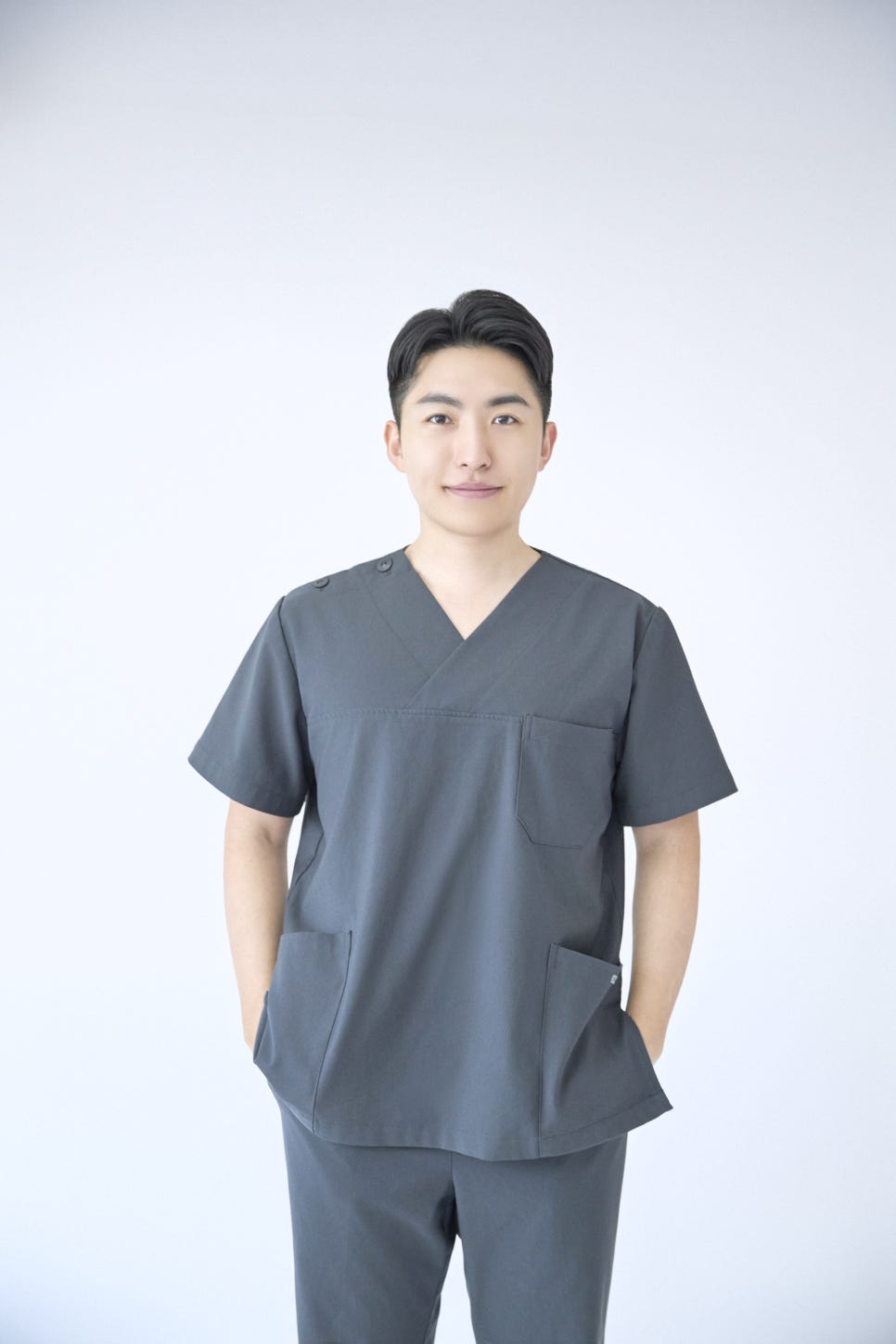
I’m Youngjin Wi from Beauty’s Doctor.
When summer arrives, the distinctive odor
coming from the underarms can sometimes be especially concerning.
When you search for information,
you often come across the term “bromhidrosis.”
However, excessive sweating and
body odor are often treated as if they are the same problem,
so it can be easy to feel confused about what actually qualifies as bromhidrosis.
In this post, I’ll take a step-by-step look at
some common misunderstandings about underarm odor.
What Is Bromhidrosis?

Bromhidrosis refers to a condition in which
secretions from the apocrine sweat glands, including those in the underarms,
meet skin bacteria and are broken down, producing a distinctive odor.
If the odor returns a few hours after
you have washed carefully,
it may need to be viewed differently
from simply sweating a lot.
Bromhidrosis, commonly described as strong body odor,
is closer to a body odor produced when apocrine gland secretions
meet skin bacteria than to the smell of sweat itself.
Therefore, even if you wipe away sweat or wash frequently,
the odor can recur if the underlying conditions remain unchanged.
Hyperhidrosis and Bromhidrosis Are Different

There are two main types of sweat glands
in the underarms.
Eccrine sweat glands:
-
These sweat glands are related to body temperature regulation.
-
They respond to stimuli such as heat, exercise, and tension
-
and produce clear, watery sweat.
-
A state in which this activity is unusually strong
-
is closer to hyperhidrosis.
Apocrine sweat glands:
-
These sweat glands become active after puberty.
-
They are distributed around the underarms, ears, and nipples,
-
and their secretions can meet skin bacteria
-
and lead to odor.
Therefore, both situations are possible:
“I sweat a lot but have almost no odor,”
and “I don’t sweat much, but the odor concerns me.”
Because the two conditions can also occur together,
it is first necessary to determine whether your current discomfort is related to the amount of sweat,
the odor, or both.
Why Does It Seem Particularly Noticeable in My Case?

The severity of bromhidrosis
varies from person to person.
The following factors may
also influence it together.
Genetic predisposition
-
The activity of the apocrine sweat glands and patterns of body odor
-
may be related to genetic factors.
-
In particular, the ABCC11 gene has been reported to be associated with underarm odor
-
and wet earwax.
Connection with earwax type
-
People with wet earwax
-
are known to sometimes have genetic characteristics associated with bromhidrosis
-
at the same time.
-
However, bromhidrosis cannot be determined based only on earwax type,
-
so it is best to regard this as merely a reference clue.
Changes after puberty
-
The apocrine sweat glands become fully active after puberty
-
along with hormonal changes.
-
Many people do not notice it much when they are young,
-
but begin to become concerned about odor after adolescence.
Bacterial environment and clothing
-
Clothing with poor ventilation, sweat-soaked clothes,
-
and garments worn for a long time can create an environment where bacteria thrive.
-
In this case, the odor may seem stronger.
How Much Difference Can Daily Care Make?

When bromhidrosis is not severe,
daily care alone can sometimes reduce the discomfort.
-
Wash your underarms with soap every day
-
and dry them completely before getting dressed.
-
Choose tops made of breathable materials
-
and wash clothes worn all day on the same day.
-
Deodorants and antiperspirants
-
work in different ways.
-
Deodorants are mainly intended to reduce odor,
-
while antiperspirants are intended to reduce sweat itself.
-
Underarm hair can create an environment where sweat and bacteria
-
are more likely to remain,
-
so managing it may be helpful depending on your individual condition.
However, if the odor continues to concern you repeatedly in summer,
at meetings, or in social situations even with this type of care,
it is worth having your current condition checked through a consultation.
What Is Checked During a Consultation?
During a consultation, we first distinguish whether the main source of discomfort
is odor, the amount of sweat,
or both together.
We also check your family history, changes after puberty,
current care methods,
and your clothing and living environment.
The appropriate management approach for bromhidrosis
may vary depending on the condition and its severity.
Not every case leads to a procedure,
and it is important to distinguish what can be addressed through daily care at this stage
from what should be evaluated through a consultation.
Body odor and sweating problems
can have different causes and patterns depending on the individual.
If you have discomfort that continues to concern you,
it is a good idea to discuss the appropriate management approach
for your current condition during a consultation.
Frequently Asked Questions
Q. What could be the problem if I still have an odor even though I wash carefully?
A. Bromhidrosis is often caused not by sweat itself,
but by a combination of apocrine gland secretions and skin bacteria.
The odor may be gone immediately after washing
but return as time passes.
Q. How can I tell whether it is bromhidrosis or hyperhidrosis?
A. If the amount of sweat is unusually high, hyperhidrosis may be the more likely issue,
while if the odor is particularly concerning,
bromhidrosis may be considered first.
Because both can occur together,
it is a good idea to distinguish between them during a consultation.
Q. What should I do if deodorant does not control it?
A. If the odor continues to recur despite daily care
and remains a persistent concern in social situations,
you can have your condition evaluated through a consultation.
The management approach may differ
depending on whether odor or sweating is the primary issue.
Thank you for reading this long post.
This was Youngjin Wi.