Hello.
I’m Kim Ha-won from Beauty’s Doctor.
When you feel that your skin’s elasticity
is not what it used to be,
many people come across the name
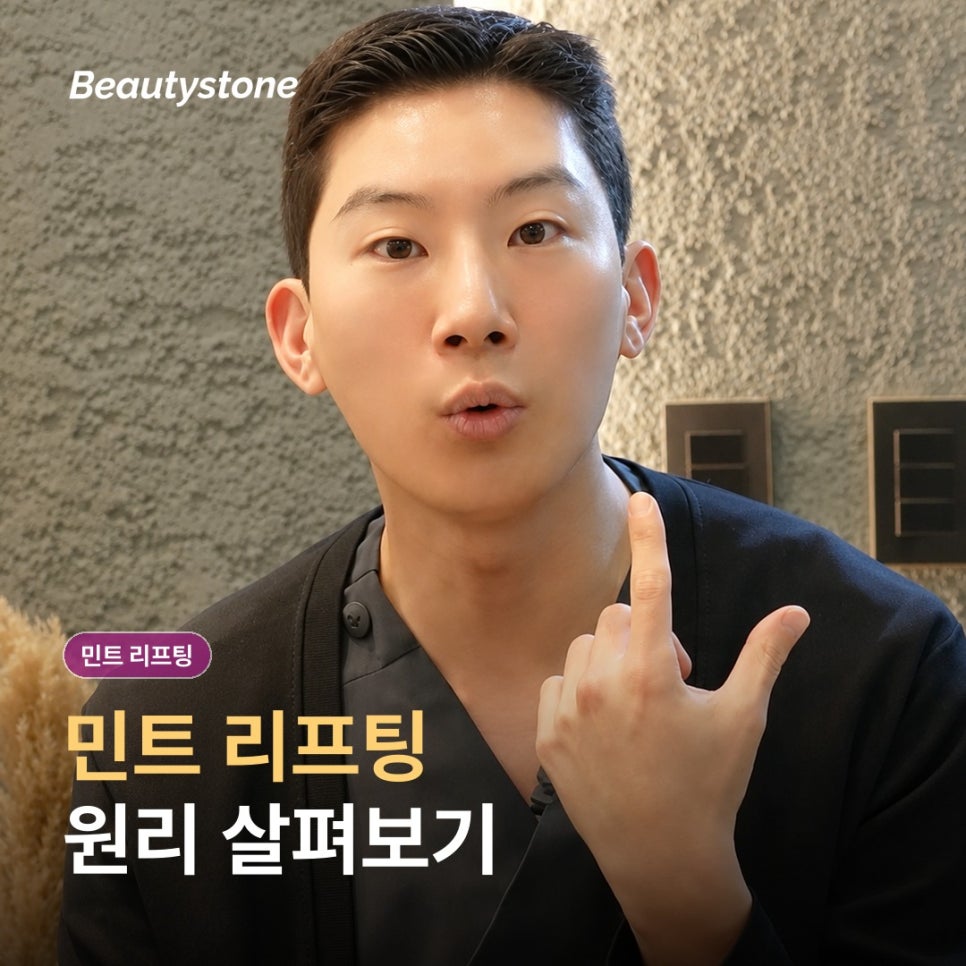
Mint Lifting
while looking for a method that does not involve surgery.
This procedure involves inserting threads beneath the skin
that naturally break down in the body
to pull up loose tissue.
Because it does not involve an incision,
some people are interested in it as a less burdensome option.
However, if you make a decision
without accurately understanding the method and principles
just from hearing the name,
natural reactions that appear after the procedure
may feel unusual or concerning.
In this post,
I will explain in order
how Mint Lifting pulls the skin,
what sensations may be felt during and after the procedure,
and what to pay attention to during recovery.
3-Line Summary
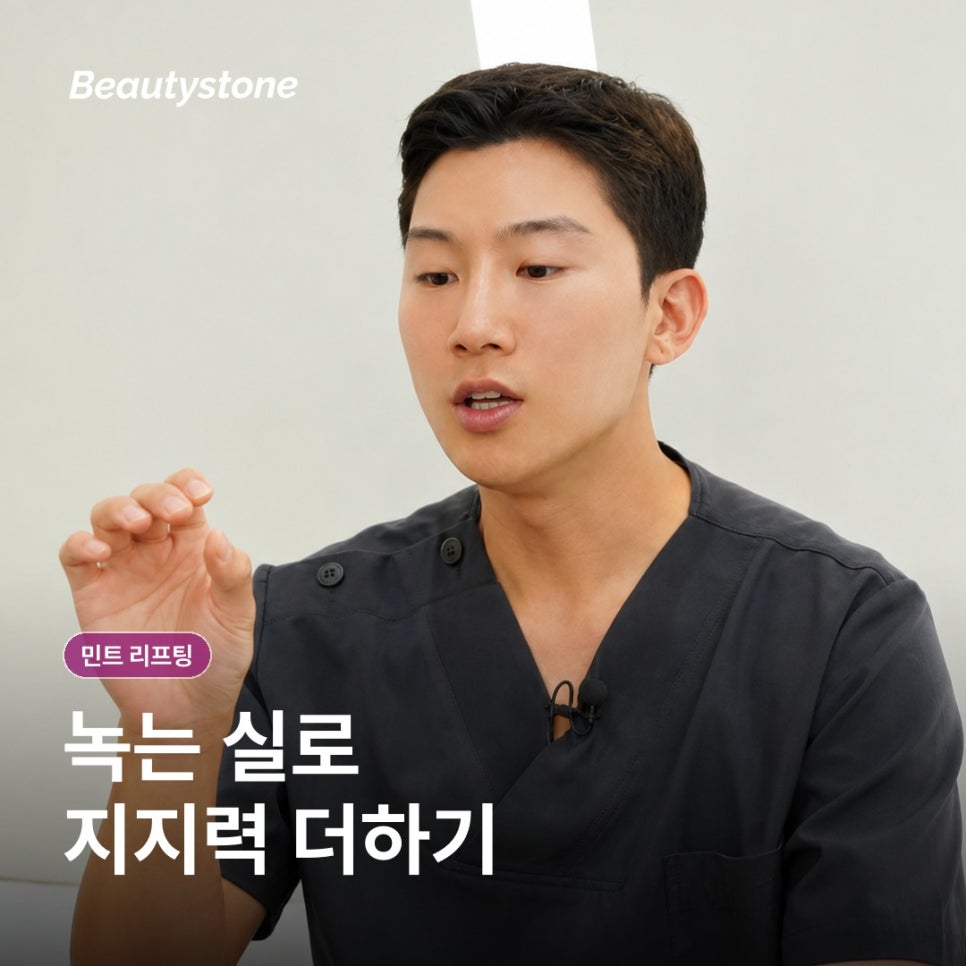
- Mint Lifting uses dissolvable threads
to provide physical support to the tissue beneath the skin
and induce a collagen response
over time.
- Immediately after the procedure,
swelling, bruising, and a sensation of a foreign object may occur.
Because recovery and the duration of results vary greatly by individual,
it is difficult to express them as a single number.
- If there are signs suggesting asymmetry or infection,
do not judge the situation yourself.
It is better to consult a medical specialist.
If all you know is
that threads are inserted,
you may not know much about
what happens
inside the body
afterward.
1) How does Mint Lifting pull up the skin?
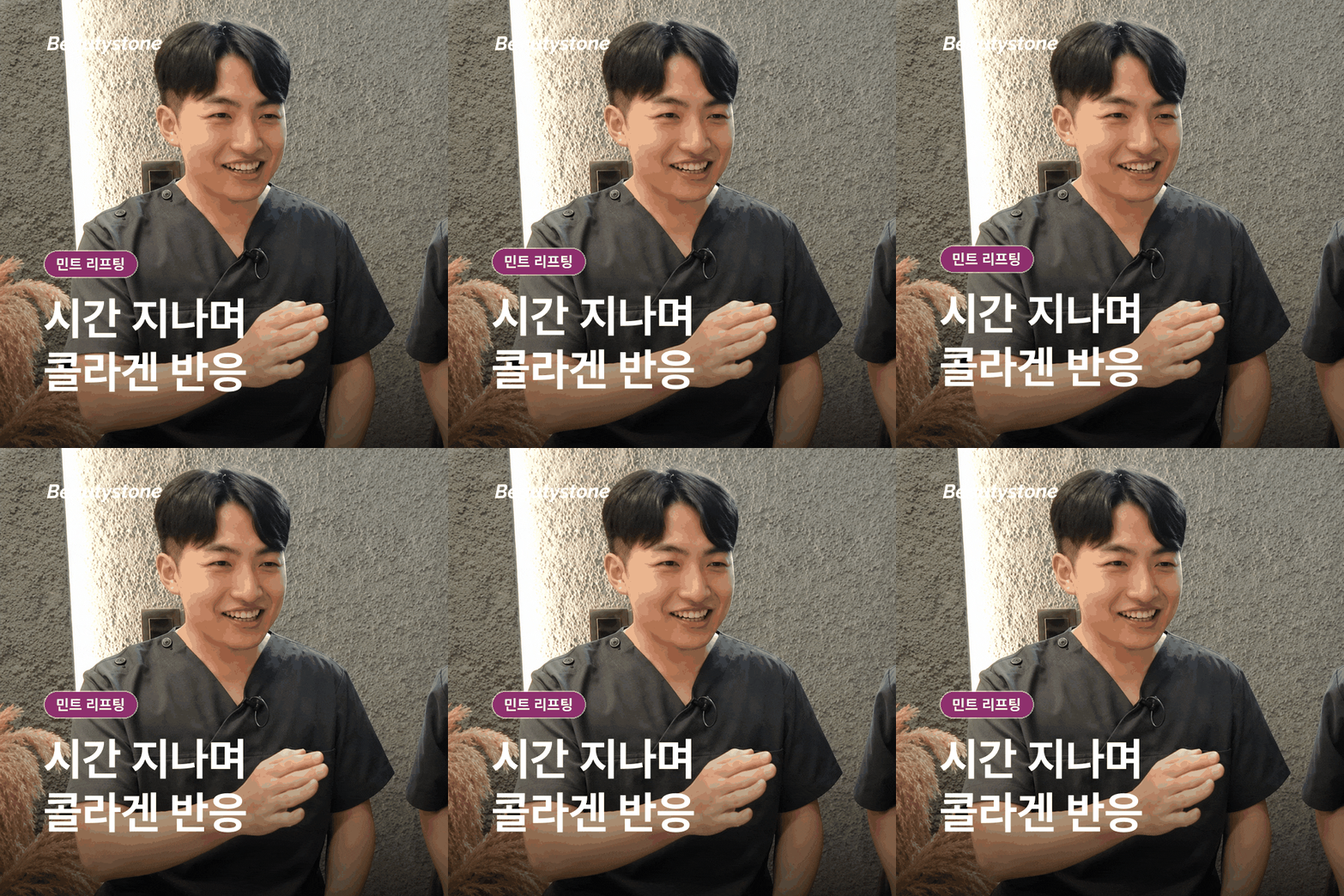
The threads used in Mint Lifting
work in two ways.
One is that immediately after insertion,
the threads themselves physically support
loose tissue and guide it into position.
The other is a response in which,
as the threads gradually break down over time,
they stimulate the surrounding tissue
to induce the formation of new collagen.
The effects often become apparent gradually
over several weeks to several months,
rather than on the day of the procedure.
Because the response varies depending on
the rate at which the threads break down,
their insertion site and direction,
and the condition of the skin and tissue,
it is important to understand that
the timing and extent of noticeable changes
may differ even between people who receive the same procedure.
2) What does it feel like during and immediately after the procedure?
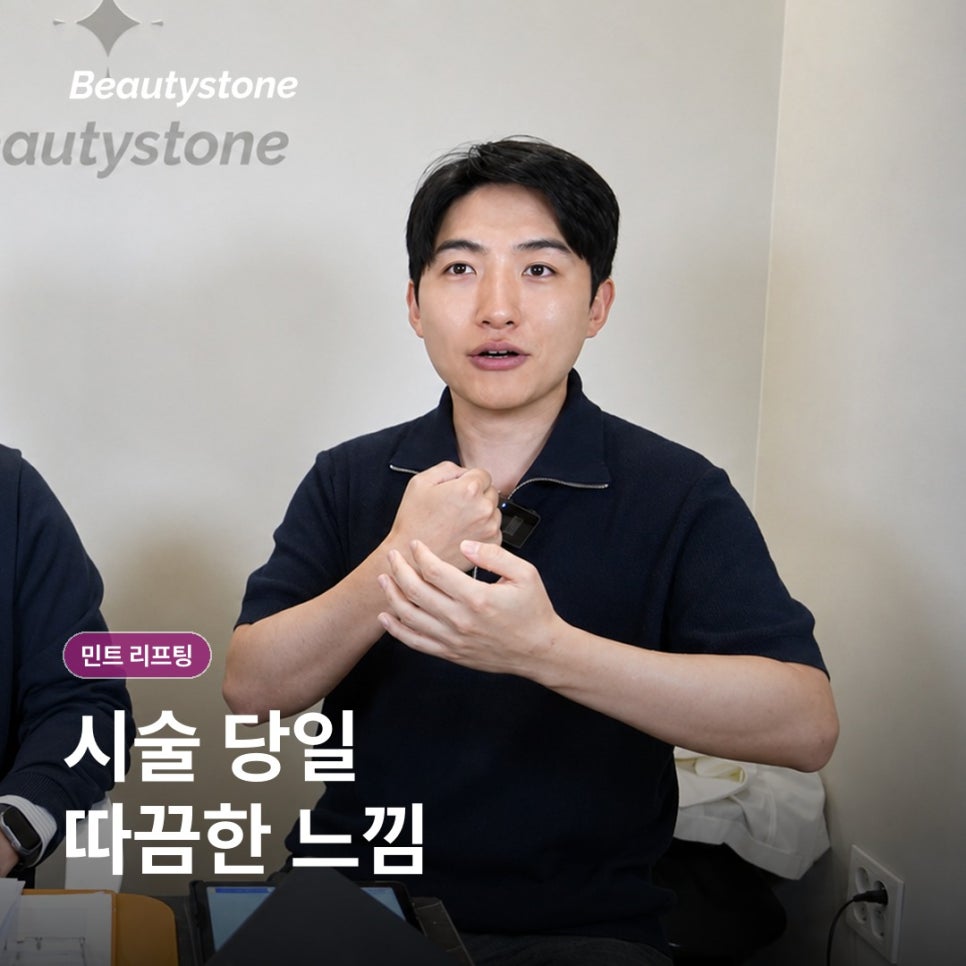
After applying anesthesia to the treatment area,
thin threads are inserted.
During this process,
you may feel a slight stinging sensation or tightness.
A mild feeling of pressure or a foreign-body sensation
along the path of the threads
is also one of the commonly reported reactions.
Immediately after the procedure,
swelling, mild bruising, and a raised appearance
at the thread insertion sites may occur.
These generally subside
within several days to one or two weeks.
However, the rate at which they settle
may vary depending on the condition of the tissue,
the number of threads inserted,
and the treatment area.
For managing swelling and bruising,
rather than massaging the area firmly from the beginning,
it is generally recommended to manage it gently,
mainly with cold compresses.
Regarding facial expressions as well,
it may help to be more restrained than usual
for several days,
rather than repeatedly making exaggerated expressions.
If you notice unusual signs,
rather than simply assuming they will improve with time,
it is safer to seek a consultation
if asymmetry or warmth persists.
3. What should you be careful about after Mint Lifting?
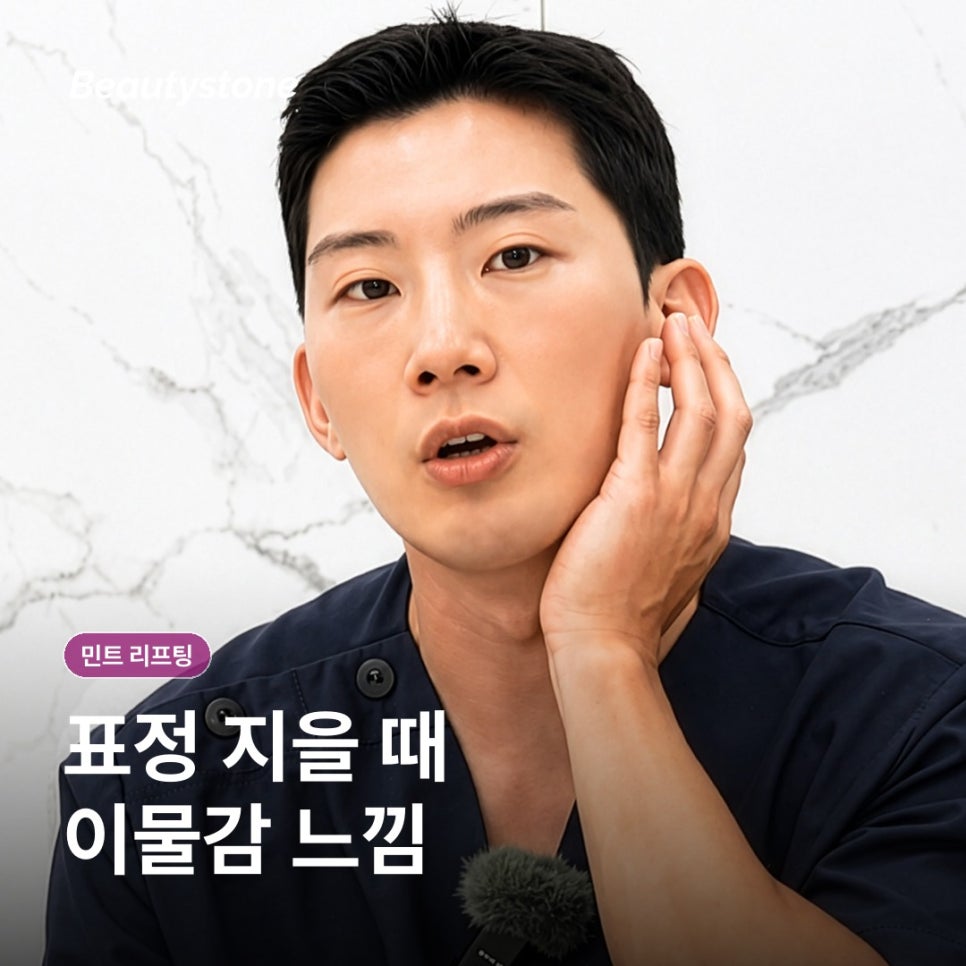
For several days immediately after the procedure,
when washing your face or cleansing,
it is best not to rub the areas where the threads were inserted
and to handle them gently.
It may also be helpful to avoid
chewing hard foods or repeatedly making exaggerated expressions
for the time being.
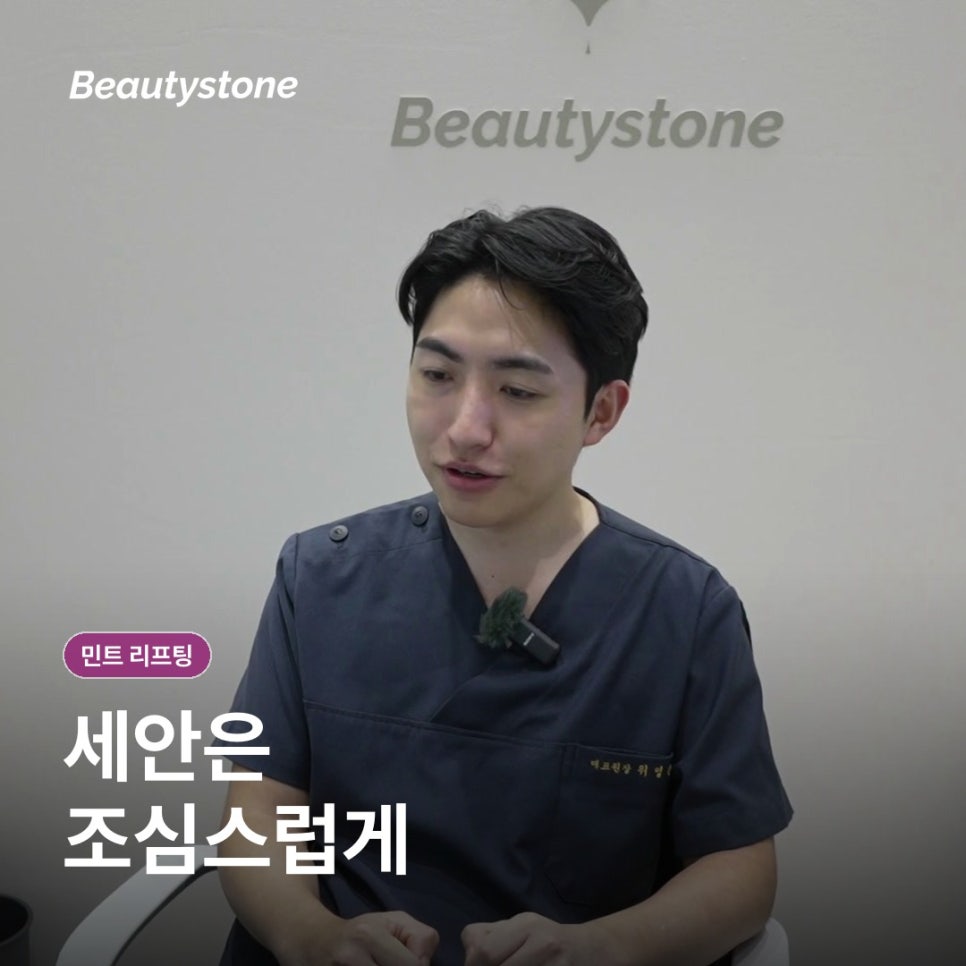
In addition, strenuous exercise
and activities that rapidly raise body temperature,
such as using a sauna,
may increase swelling,
so it is generally advisable to avoid them during the early stages of recovery.
The duration of results also varies depending on the type and number of threads
and the individual condition of the skin and tissue,
so it is difficult to provide a single number.
It is best to keep in mind
that the changes may gradually become less noticeable over time.
In closing

Mint Lifting
has attracted interest as one method of pulling up loose tissue
without an incision,
but the speed and extent of the response,
as well as the duration of results,
vary considerably from person to person.
Even when people receive the same procedure,
the results they notice may differ,
so it is best to approach it with this understanding first.
If asymmetry becomes more pronounced after the procedure,
or warmth and swelling do not subside and continue,
or there are signs suggesting an infection,
rather than waiting for time to pass,
I recommend having your condition checked
through a consultation with a medical specialist.
A medical specialist will examine
the condition of your skin and tissue
and provide a consultation to help find
the approach that suits you among various options,
including Mint Lifting.
Frequently Asked Questions
Q1. How long do the results of a single Mint Lifting treatment last?
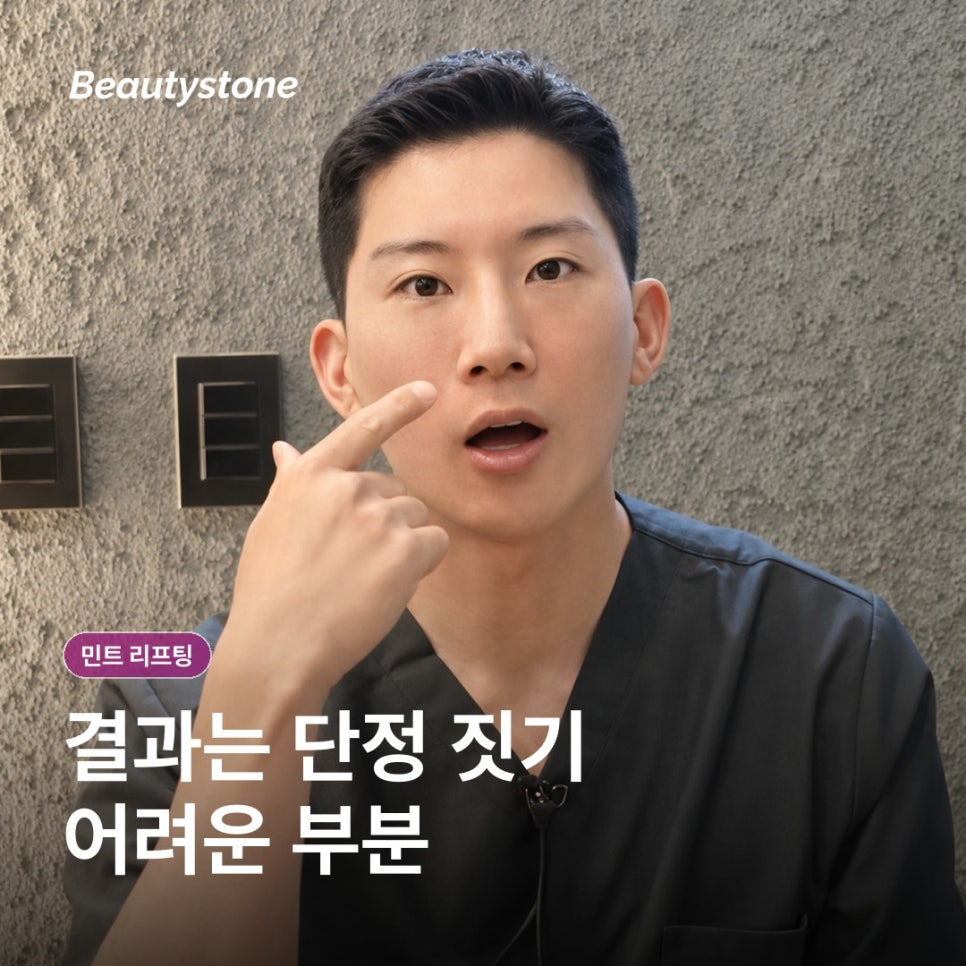
The duration varies greatly depending on
the type and number of threads
and the individual condition of the skin and tissue,
so it is difficult to state a specific period.
It is best to consult a medical specialist
to receive an approximate expected range
based on your individual condition.
Q2. How painful is this procedure?
Because anesthesia is used,
there is generally not much pain during the procedure,
but tightness or a foreign-body sensation
may remain for several days afterward.
The degree of pain also varies by individual,
so it may be helpful to ask about it during your consultation.
Q3. Can I have this treatment together with another lifting procedure?
Whether procedures can be combined
requires comprehensive consideration of your skin condition,
previous treatment history, recovery status, and other factors.
Rather than deciding on your own,
it is safer to make the decision after consulting a medical specialist.
Q4. What should I do if I notice asymmetry after the procedure?
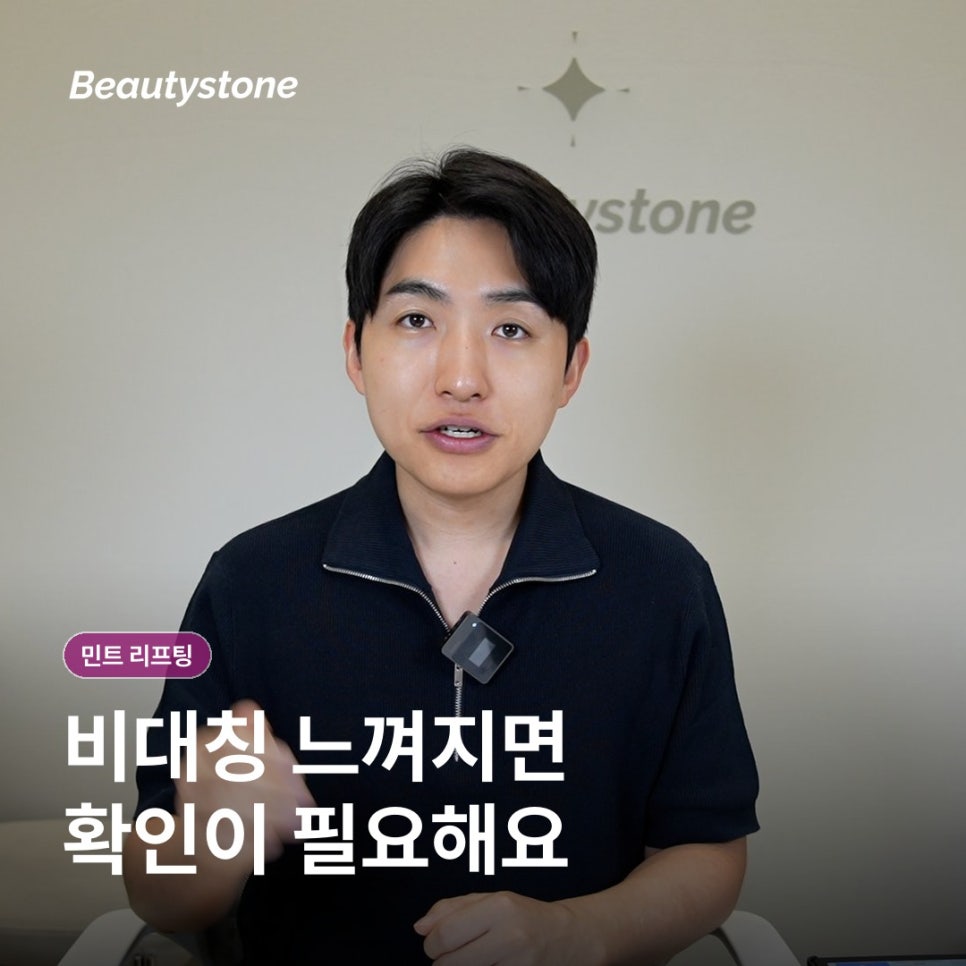
Differences in early swelling
may make the face appear temporarily asymmetrical,
but if it does not improve over time
or becomes increasingly noticeable,
it is best to have a medical specialist examine the condition
and provide a consultation.
Thank you for reading this long post today.
This has been Kim Ha-won from Beauty’s Doctor.