Many people unconsciously cover their mouths or avoid smiling because of yellow teeth.
Clean, white teeth can give a neat and healthy image.
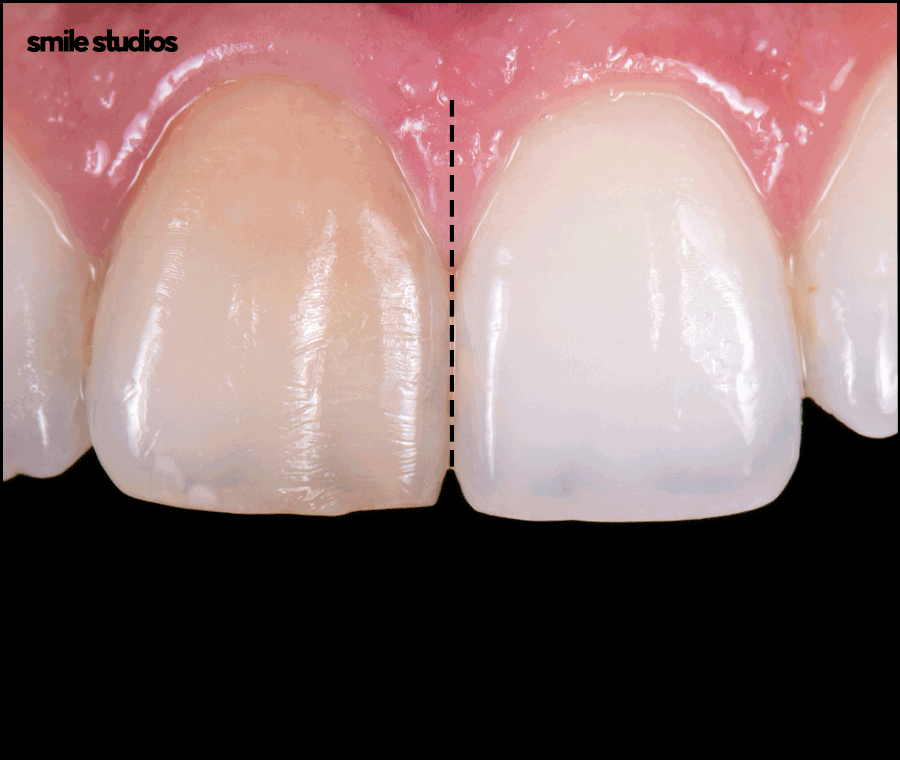
Yellowed permanent teeth can cause a fair amount of stress, and even a complex.
To address these concerns, people consider whitening or laminate treatment.
Among these, we will look at how effectively laminates can improve discolored teeth, and how they differ from whitening.
Who is the main cause of discoloration?
Teeth that gradually turn yellow without you realizing it can have surprisingly many causes.
Broadly speaking, they can be divided into congenital and acquired factors.
- Congenital factors
Some people are born with teeth that are darker or more yellow compared with others.
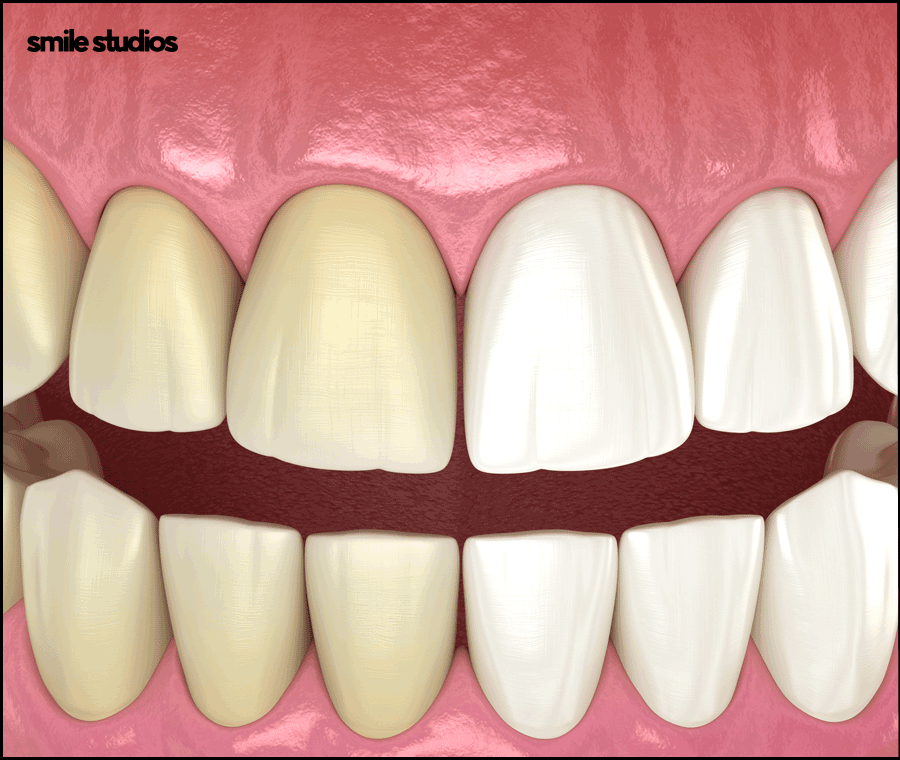
This may be due to genetic influence, or they may have experienced some issue during the period when permanent teeth were forming.
- Acquired factors
First, there are strongly pigmented foods that people commonly encounter and consume in daily life, such as coffee, tea, cola, wine, and chocolate.
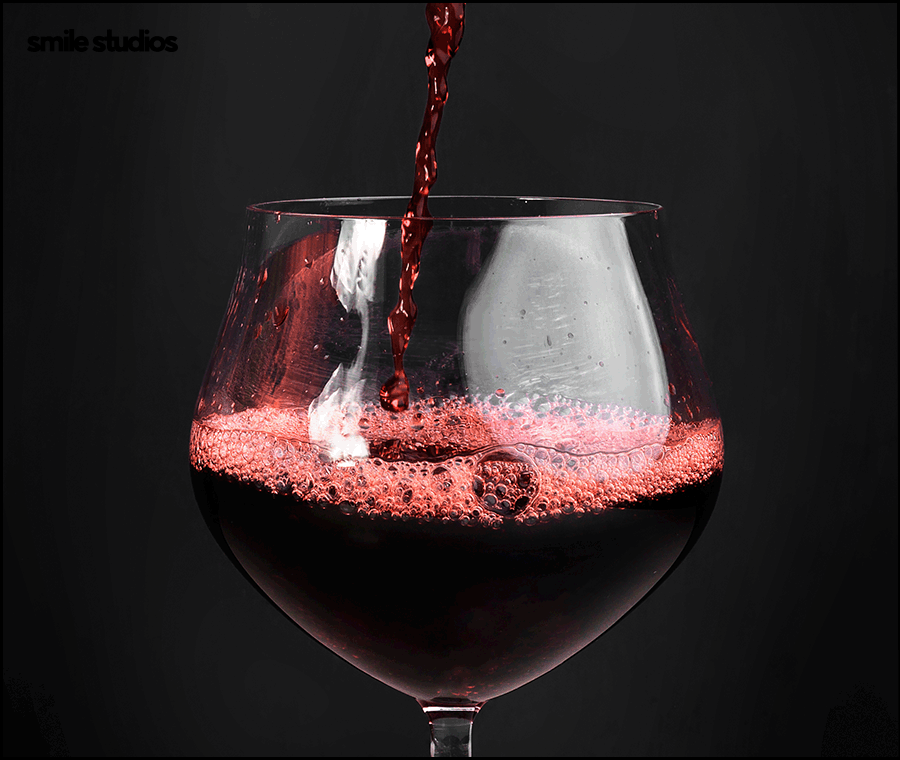
These can penetrate the tiny pores on the surface of the teeth and cause staining.
Nicotine and tar in cigarettes are also representative causes of discoloration.
As we age, the outer layer, enamel, gradually wears down, and the inner dentin becomes more visible.
In addition, permanent teeth can lose their original bright, clean color for a variety of reasons.
Can laminates help?
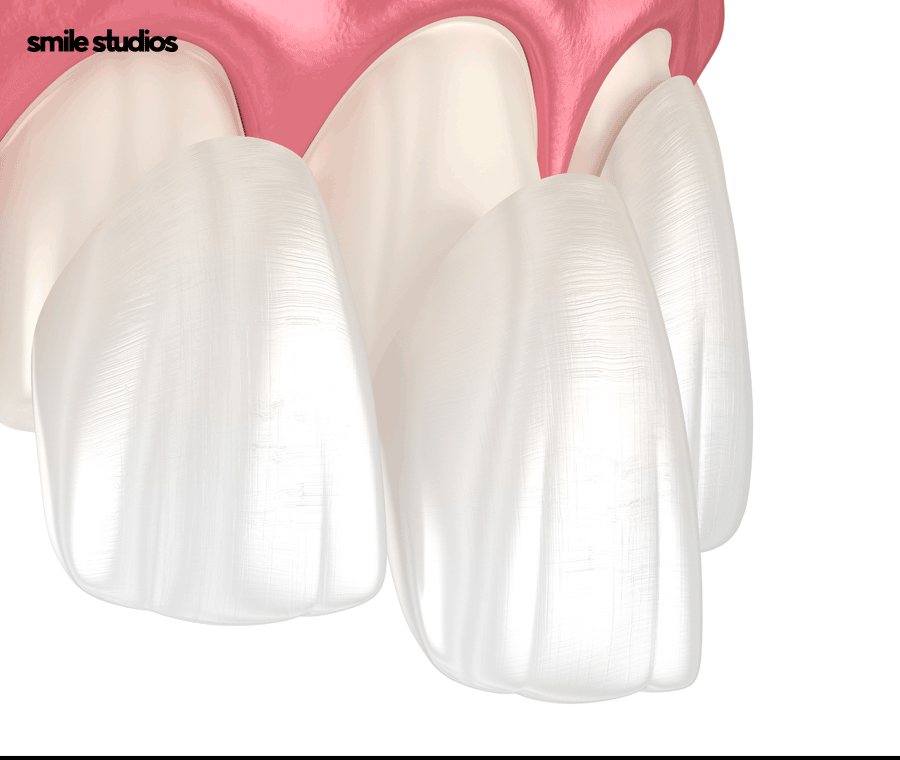
This procedure is an aesthetic treatment in which thin, nail-shaped ceramic restorations are precisely made to fit each individual tooth and then bonded to it.
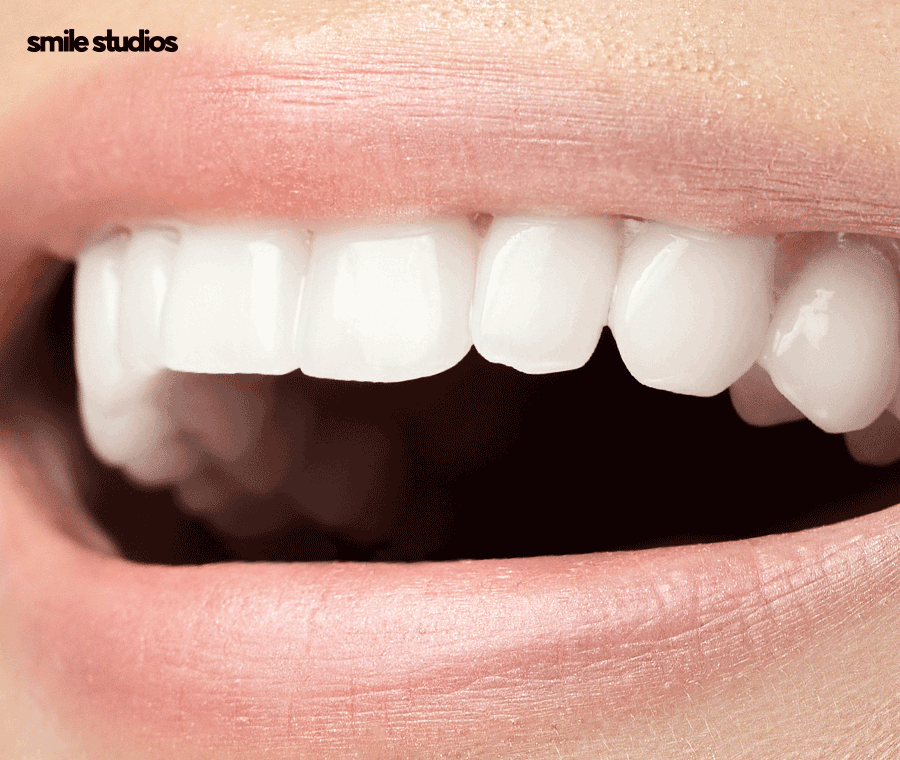
One of its major advantages is that, no matter how dark the existing color is, it can create teeth with a bright, clean shade.
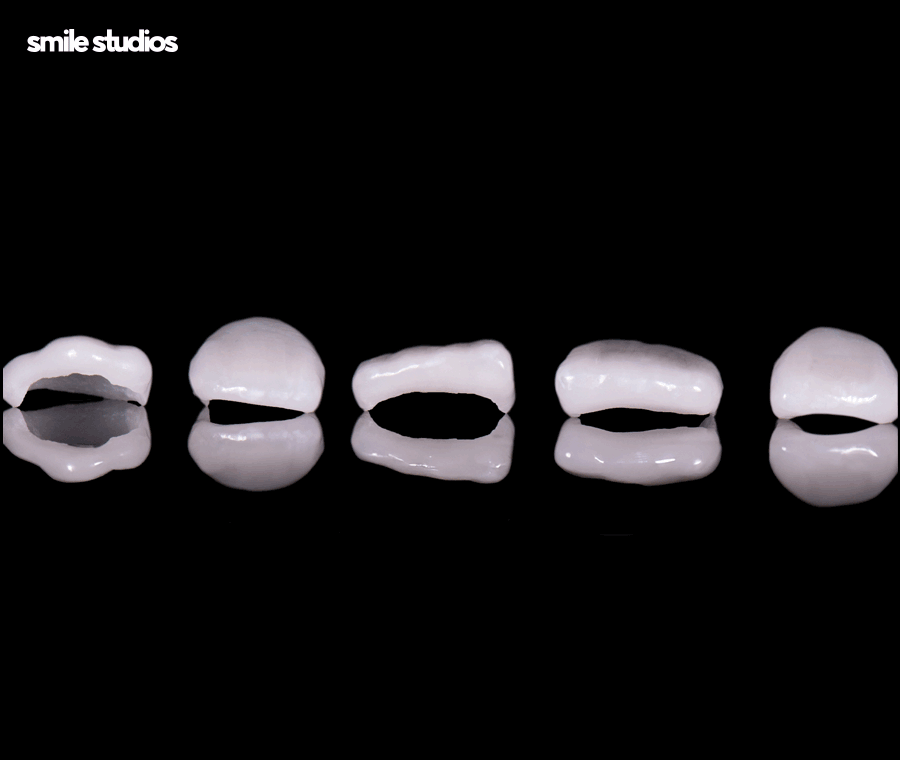
Even people with yellow teeth due to congenital reasons, or those who did not get the results they wanted from whitening, can achieve an ideal shade.
And when many people think of this treatment, they tend to imagine artificially made permanent teeth.
This treatment carefully considers even the detailed characteristics of the surrounding teeth and reproduces naturalness so that it looks like the original tooth.
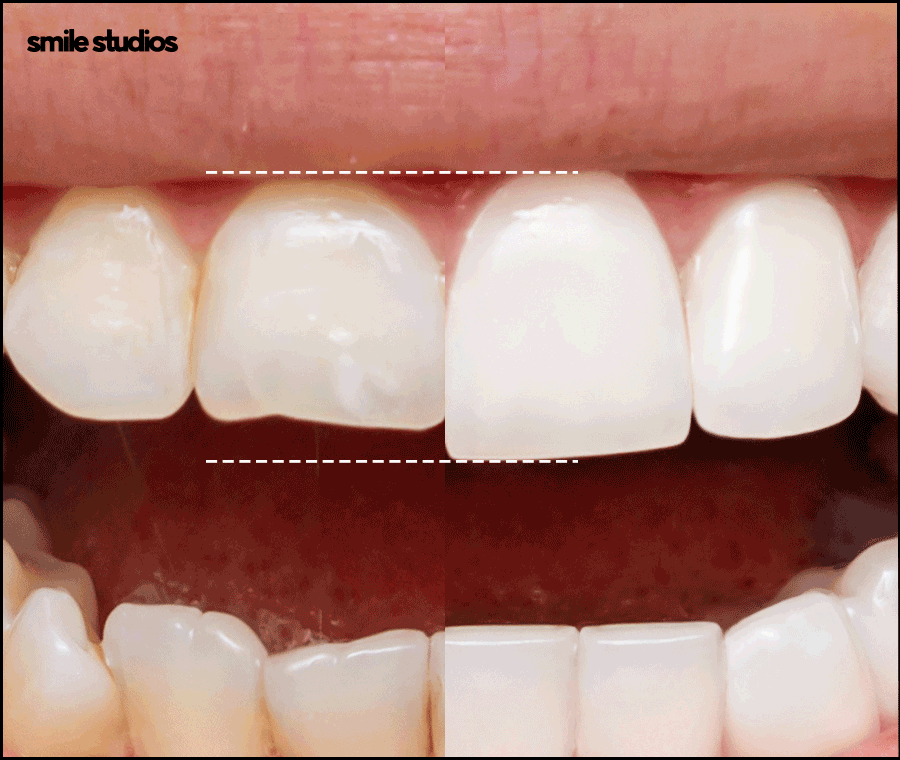
In addition, it can improve not only color, but also a range of aesthetic concerns at once, including fine stains, damage, slight wear, peg-shaped teeth, and shape irregularities.
This can create a more polished and beautiful smile, so a corrective effect can be expected.
How is it different from whitening treatment?
Many people may think of whitening treatment as a way to improve yellow teeth.
Both methods share the common goal of making permanent teeth brighter, but they differ in their principles and the types of results they apply to.
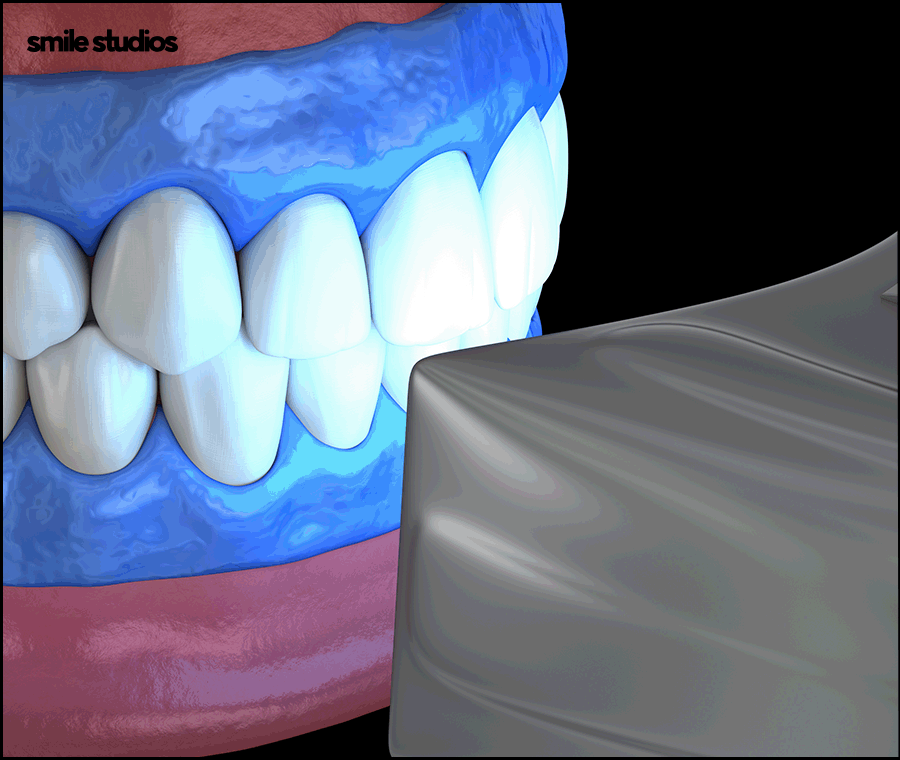
This process uses special agents to break down the substances that cause staining and brighten the tooth’s own color.
It mainly focuses on improving color, and changing the shape or form is difficult.
Another difference is that, unlike laminates, there is no trimming or removal process to attach a tip.
However, the effect is not permanent, and discoloration can return depending on food and lifestyle habits.
In this situation, laminates are a good option.
If you simply want to change the color, whitening can be a good choice.
However, it can also be chosen when yellow teeth are so severe that treatment alone is difficult.
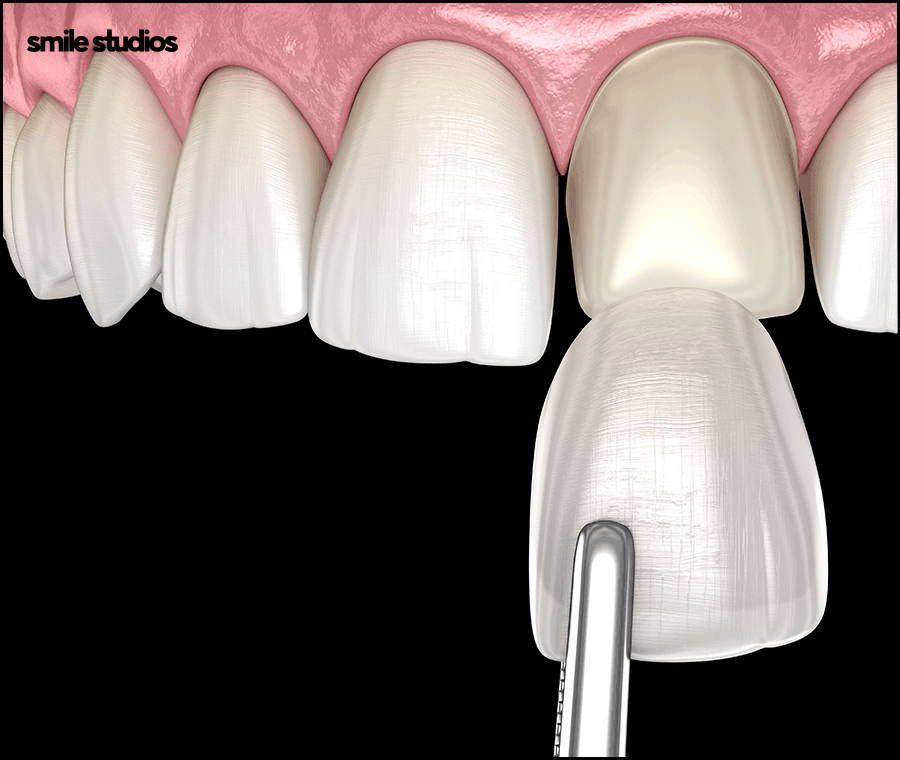
It is also a good method when you want to improve shape, alignment, damage, and worn areas as well.
If you are short on time and want immediate results that also last a long time, it can be recommended.
The important thing is not to say that one treatment is better, but to determine the appropriate method for each individual.
Regain a confident smile.
If yellow teeth have lowered your confidence and even become a complex, you do not have to keep it to yourself as a private worry.
Through consultation with medical staff, please find the method that is right for you and begin improving it.
You may be able to meet teeth that change not only in yellow color, but also in shape.