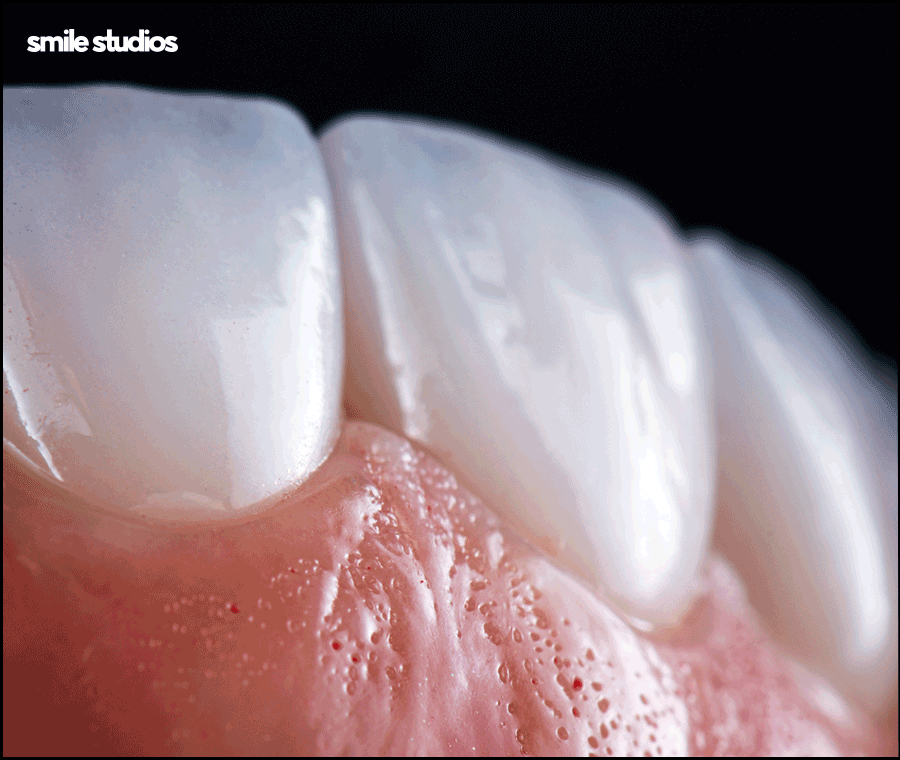
Many people get laminates for a perfect smile.
However, as time passes, there are cases where re-treatment becomes necessary.
In such cases, different concerns and worries arise compared to the first treatment.
So, many of you may be wondering in what situations re-treatment is needed, and what points should be kept in mind during the process.
This time, let’s talk about laminate re-treatment.
Representative cases where it is needed
- Fracture due to physical damage
When eating, a tooth may bite down incorrectly, or it may crack or break due to a sudden impact.
Habits such as biting and chewing hard foods like nuts or ice directly with the front teeth are major causes of fracture.
If a problem occurs because of such habits, it is important to visit the clinic immediately and check the condition.
This is because even a small crack, if left untreated, is highly likely to lead to greater damage over time.
- Reduced adhesion
Another major case is when the prosthetic falls off the bonded tooth.
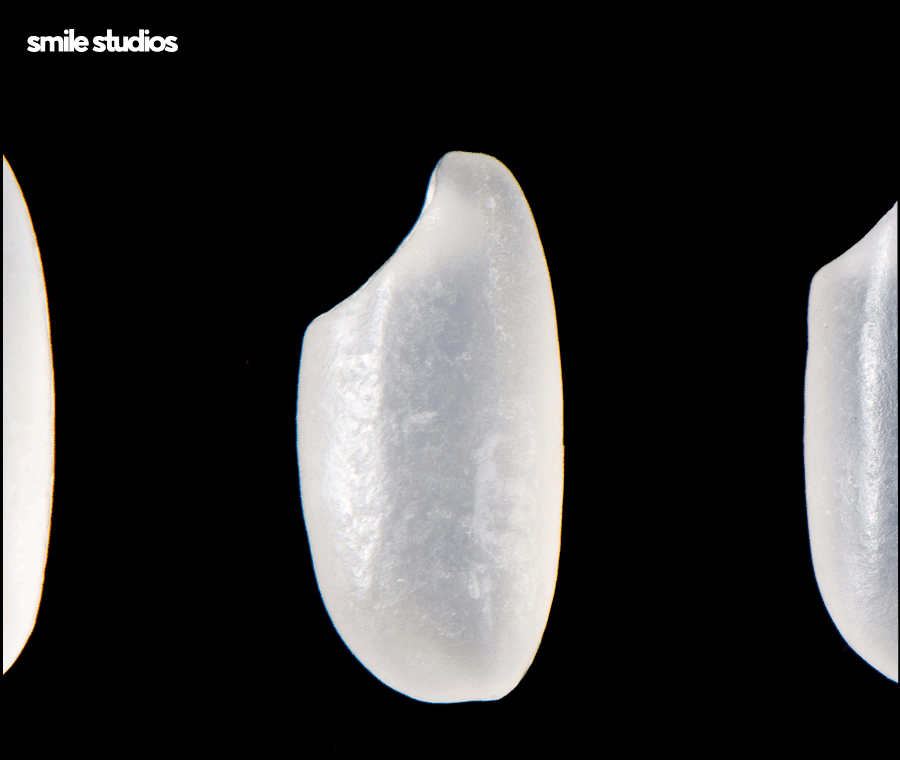
This occurs when the bonding was not properly achieved during the initial procedure or when the bonding strength with the adhesive weakens over time.
In addition, bonding strength may also weaken due to continuous bite force, teeth grinding, clenching, and similar habits.
- Secondary cavities
This also applies when cavities develop at the boundary between the tooth and the prosthetic.
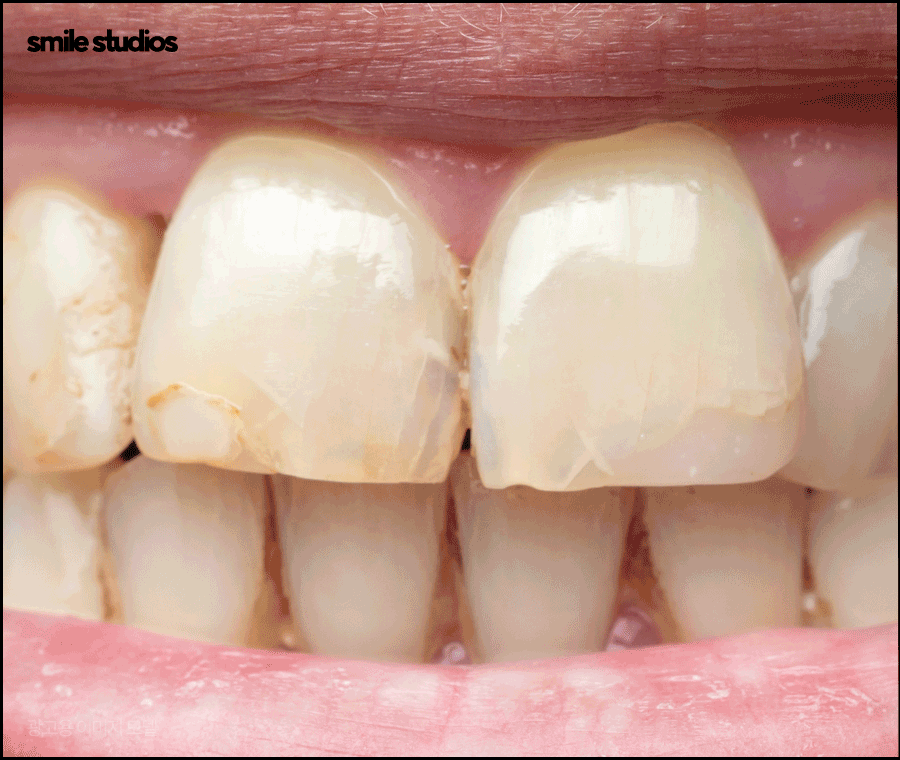
This may happen when oral hygiene is not properly maintained or when bacteria invade through a tiny gap.
In such cases, laminate re-treatment must be carried out together with cavity treatment.
- Severe discoloration or staining
Over time, staining may appear around the edges or the junction area, and the overall color may change.
Habits such as smoking, excessive caffeine intake, or continuously consuming foods with strong pigments can be the cause.
Procedure and characteristics
If the procedure needs to be done again, the important step is to safely remove the existing prosthetic.
Since it is attached with adhesive so it does not come off, careful attention is needed during removal to avoid causing damage.
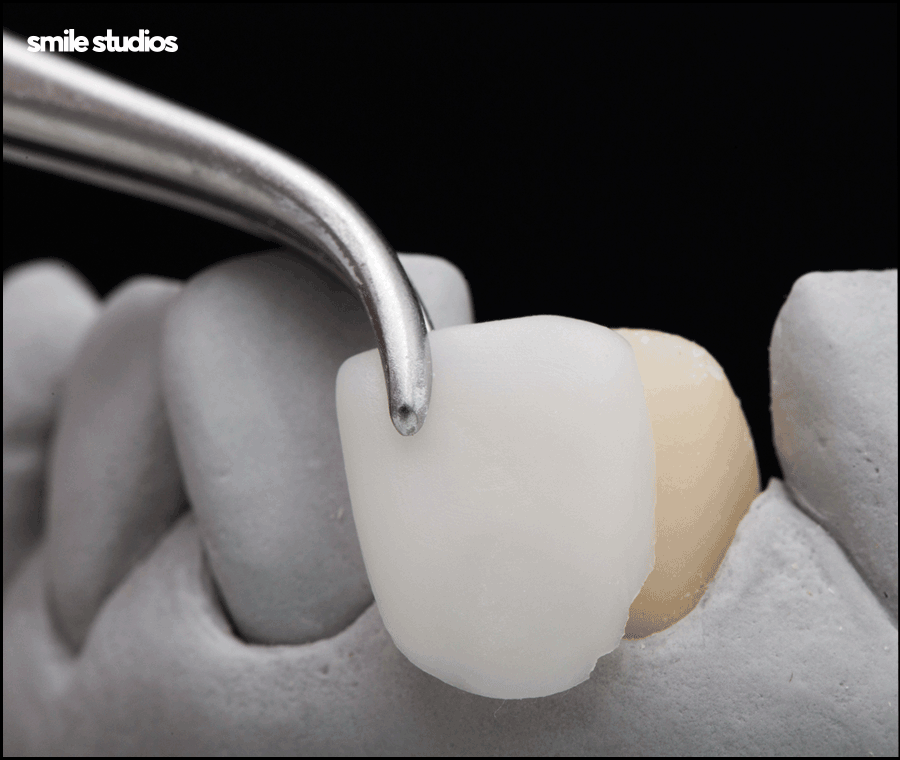
Then, it is carefully ground down and removed using specialized instruments.
It is important to remove only the existing prosthetic and avoid any additional tooth reduction.
Considerations for re-treatment
In this process, it is necessary to accurately identify the problems with the existing procedure through sufficient examination and diagnosis, and then improve them.
Unlike the first time, since tooth reduction has already been performed, a more precise diagnosis and plan must be established.
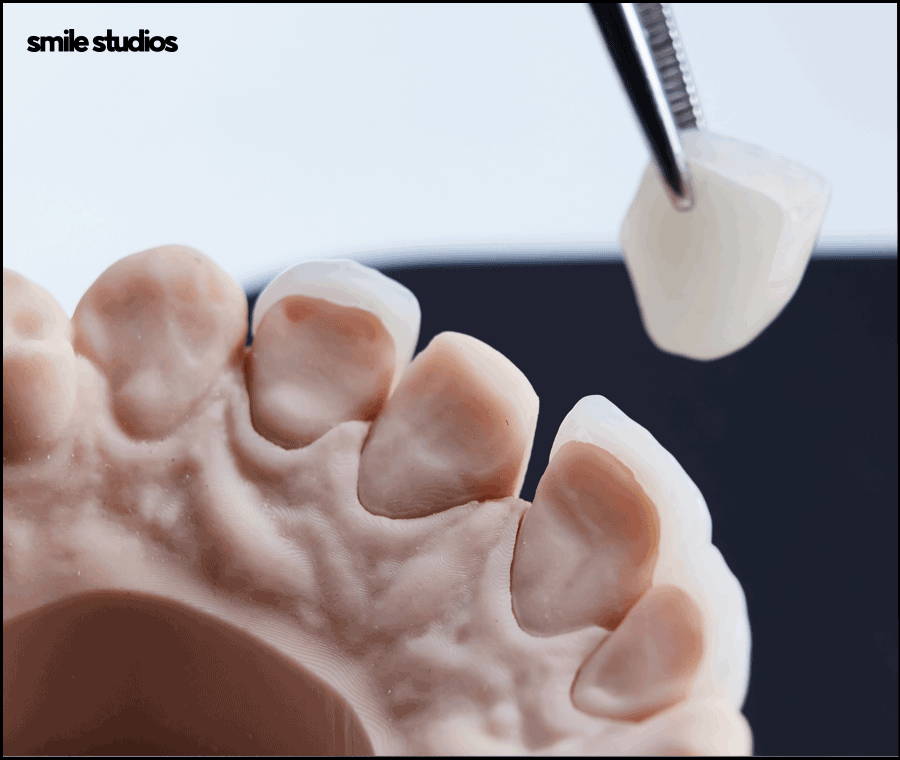
It is also important to consider the condition of the gums and changes in the bite relationship.
Because of this, a more individualized approach is needed than the first time.
A treatment plan should be established by comprehensively considering the patient’s lifestyle habits, bite pattern, and oral hygiene management.
Care and precautions
- Initial adjustment period
If you have undergone the procedure again, especially careful management is needed for the next 1–2 weeks.
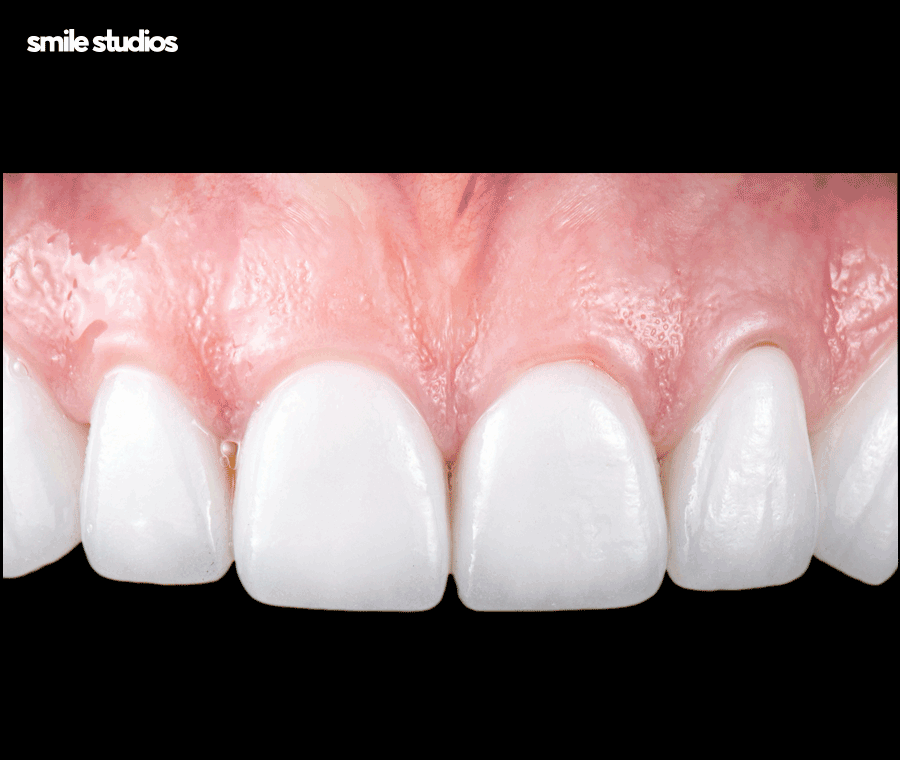
Avoid foods that are too hard or sticky, and refrain from actions such as biting and cutting directly with the front teeth.
Also, because you may react sensitively to foods that are too hot or too cold, please consume foods at a moderate temperature.
- Long-term maintenance
To extend the lifespan of the prosthetic, ongoing care is essential.
It is also important to visit periodically for checkups to monitor the condition.
In everyday life, maintain a clean oral environment by brushing properly and using dental floss and interdental brushes.
- Improving lifestyle habits
If you have harmful lifestyle habits that caused problems in the past, it is also necessary to improve them.
If you have habits such as teeth grinding or clenching, it is advisable to take steps to address them.
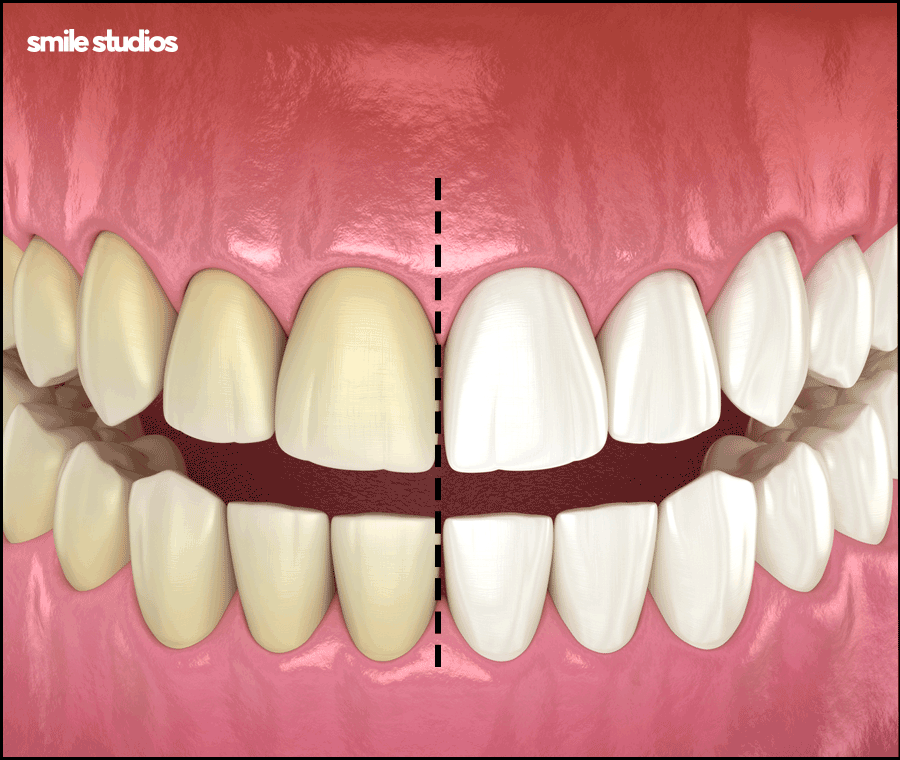
It is also best to avoid behaviors that cause discoloration, such as smoking or excessive caffeine intake, as much as possible.
Laminate re-treatment involves complexity and difficulty that are different from the initial procedure.
Still, with proper diagnosis, planning, and the patient’s active commitment to care, satisfactory results can be achieved.
Above all, please be mindful so that a situation requiring the procedure again does not occur.