
When the weather stays hot, it’s natural to reach for cold drinks more often.
Have you ever felt your teeth sting or a sharp, electric-like jolt when you do?
Or have you looked in the mirror and felt that the edge of your gums seemed to be indented, or that your gum line had dropped?
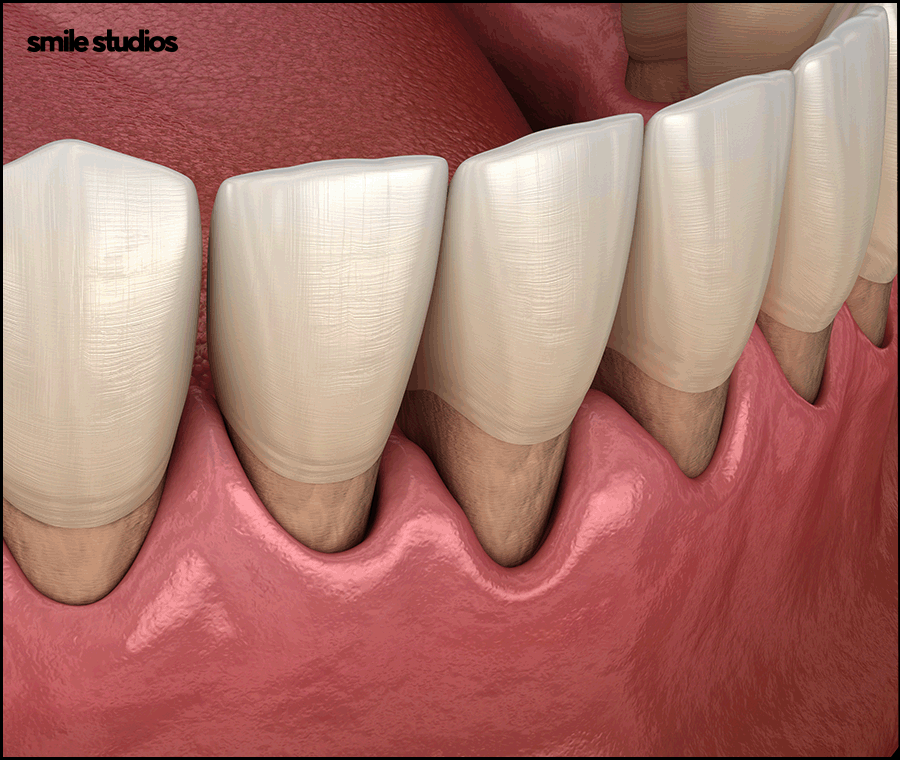
If these symptoms keep recurring, it is easy to dismiss them as simply due to age, but they may be an oral condition called cervical abrasion.
Rather than being a problem of the teeth themselves, this condition is a progressive disease in which the boundary area wears away due to various causes such as improper brushing habits, bite abnormalities, and teeth grinding.
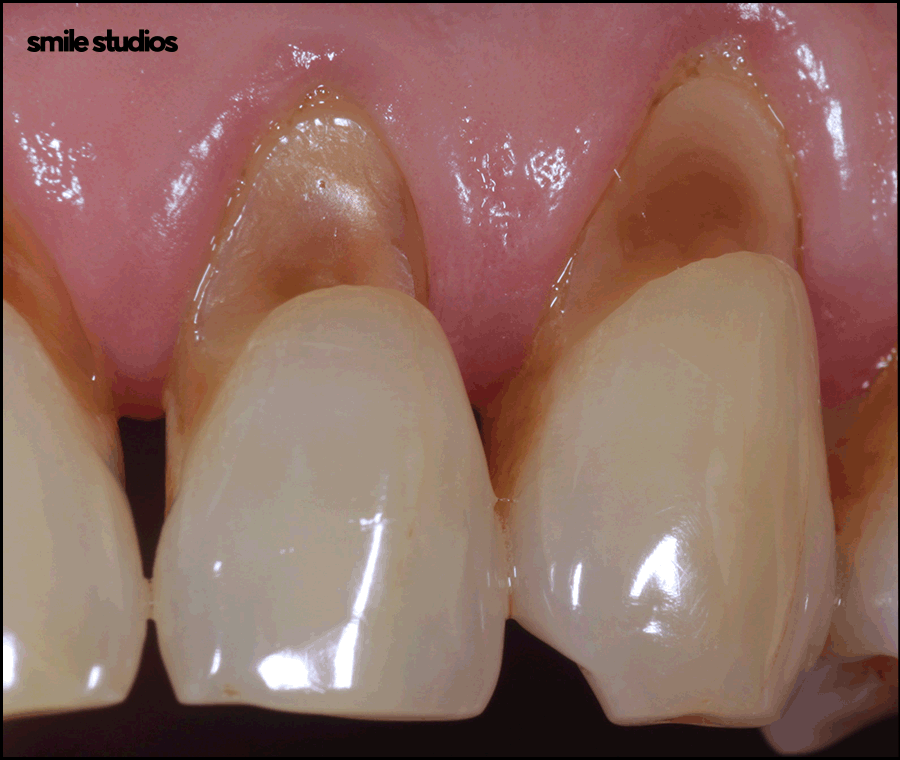
Because it can lead to sensitivity, pain, and in severe cases even tooth fracture, early detection and proper management are important.
What is cervical abrasion?
The cervical area is the boundary where the tooth and gum meet.
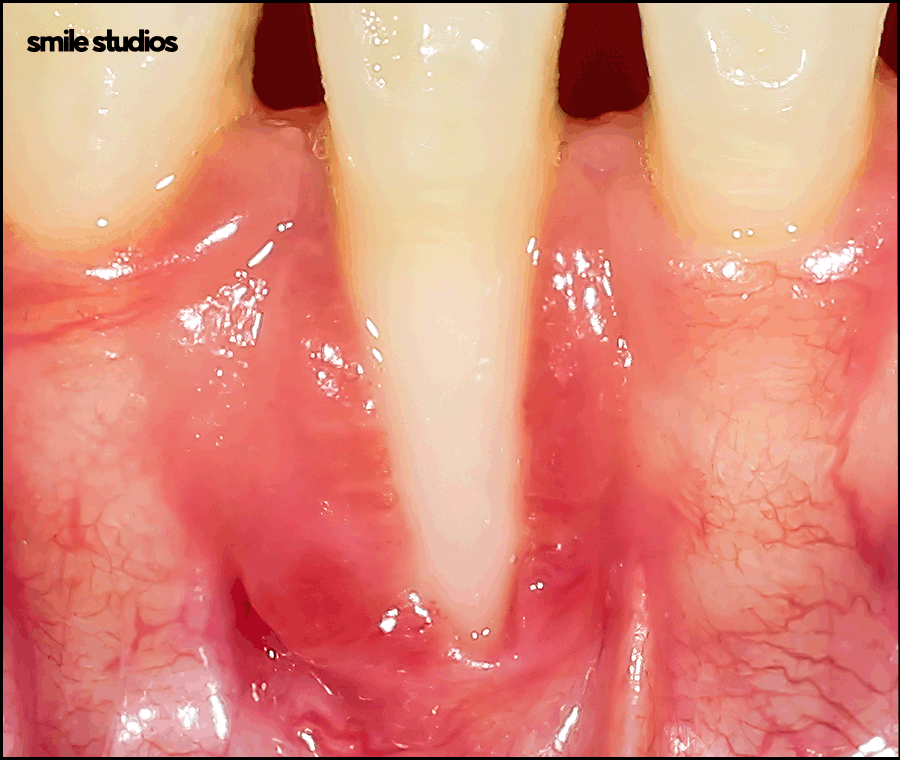
When this area gradually wears down, a V-shaped or U-shaped notch appears, and it becomes sensitive to external stimuli.
This area is more vulnerable to impact and irritation because the enamel is thinner than in other areas and is close to the underlying dentin.
As the wear progresses, it is directly exposed to irritation from food, toothbrush bristles, and acidic substances, and once the dentinal tubules are exposed, it becomes sensitive even to cold water, sweet tastes, and wind.
Causes
The main cause of cervical abrasion is improper brushing habits.
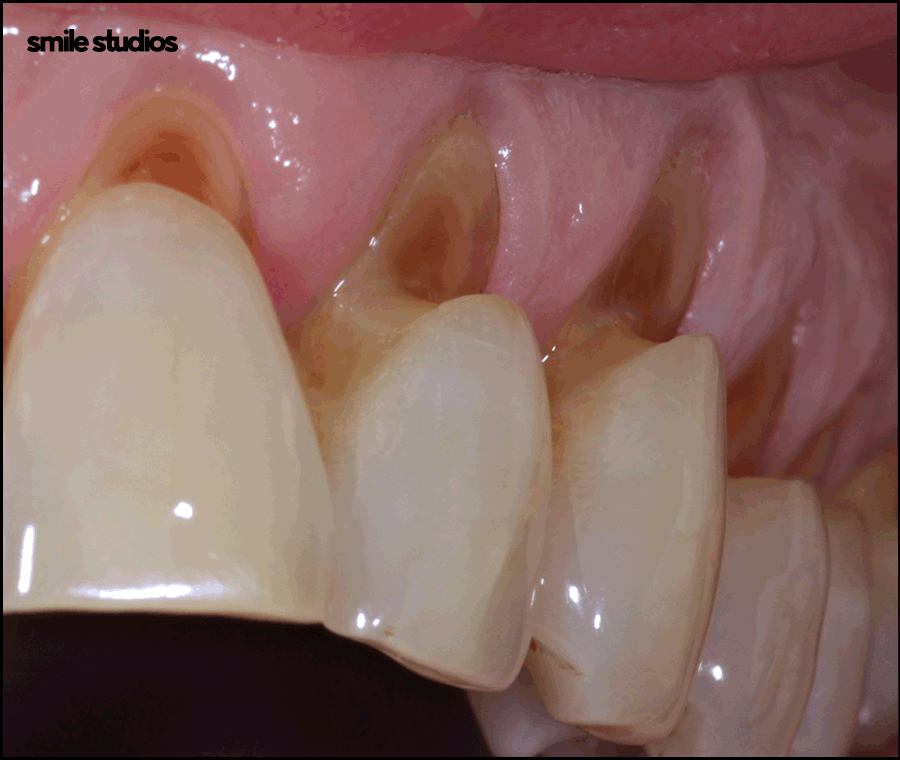
In particular, aggressively scrubbing in a horizontal direction puts stress on the boundary area. In addition, the following factors can also have an effect:
- Strong brushing habits
Using a rough toothbrush or toothpaste with many abrasives can accelerate damage.
- Teeth grinding and unconscious clenching
Continuous pressure places force on the teeth, which can cause deformation at the gum line.
If tension builds in the temporomandibular joint, the problem can worsen further.
- Bite abnormalities and temporomandibular joint imbalance
If the teeth do not fit together properly, force is repeatedly applied to specific points, and damage progresses quickly.
- Exposure to acidic environments
Frequent exposure to carbonated drinks, fruit, vinegar, and similar substances weakens the tooth surface, and the boundary area is damaged more easily.
When the damage becomes deeper, the dentin is exposed, and the tiny channels inside it transmit external stimuli all the way to the nerves.
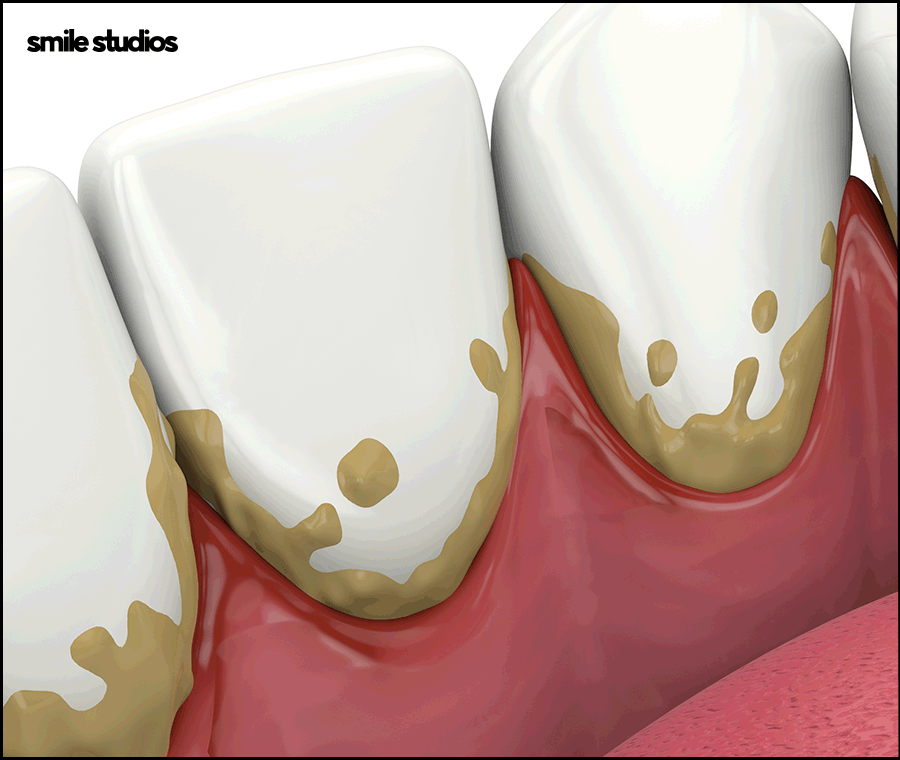
As a result, the teeth become sensitive to stimuli such as cold water, hot food, and sour tastes, which leads to discomfort in daily life.
At first, it may only cause occasional sensitivity, but if the symptoms worsen, pain may become frequent, root canal treatment may be needed, and the risk of tooth fracture also increases.
How should it be managed?
Cervical abrasion is treated by restoring the damaged area and blocking the cause, typically by filling it with composite resin or applying laminate veneers.
In many cases, laminate veneers are used because they can restore both aesthetics and function at the same time, and they are also effective in relieving sensitivity.
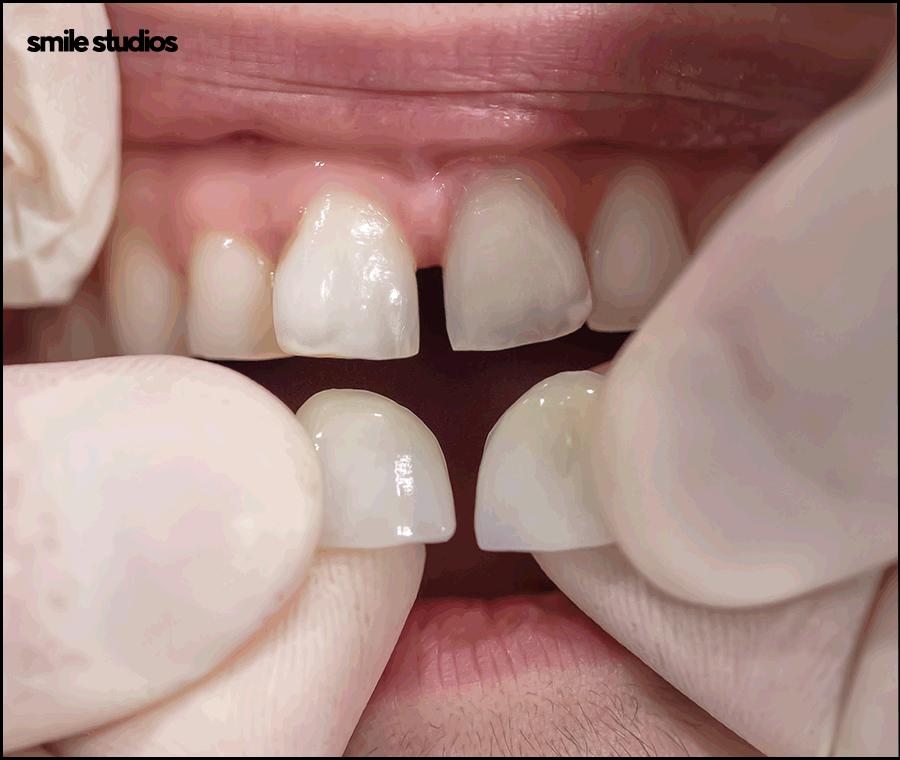
If the damage is severe or there are cracks, there are limits to what laminate veneers can do, and in such cases root canal treatment may also be performed.
If you usually grind or clench your teeth, wearing a night guard can help distribute pressure during sleep.
If there is existing malocclusion or a temporomandibular joint problem, orthodontic correction may be needed in the long term.
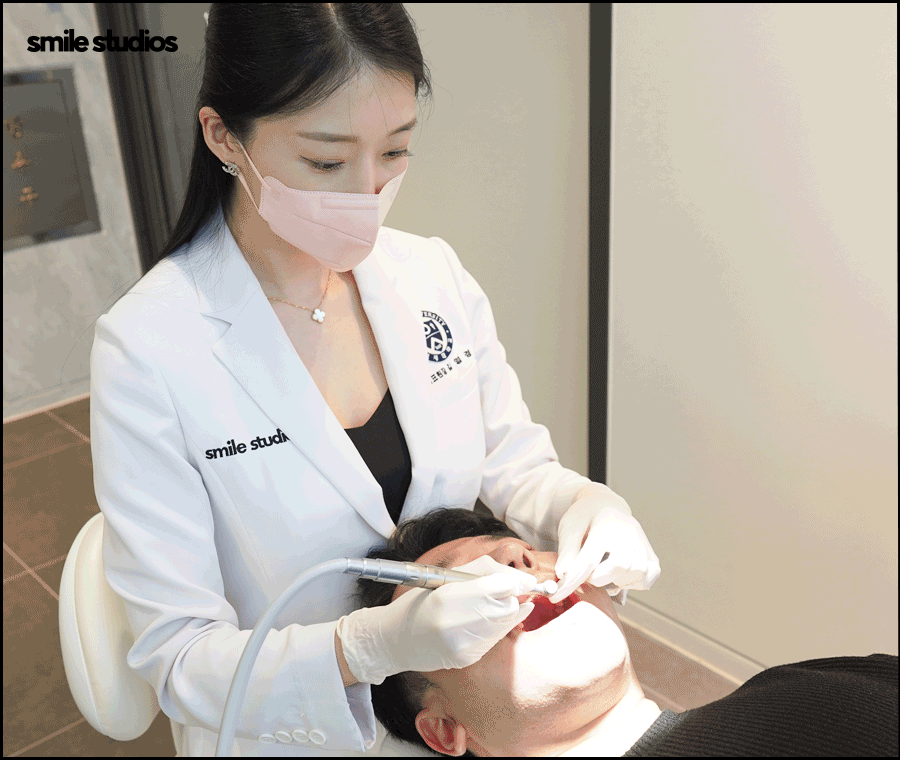
Rather than treating only the worn area, the cause should also be addressed together to reduce recurrence.
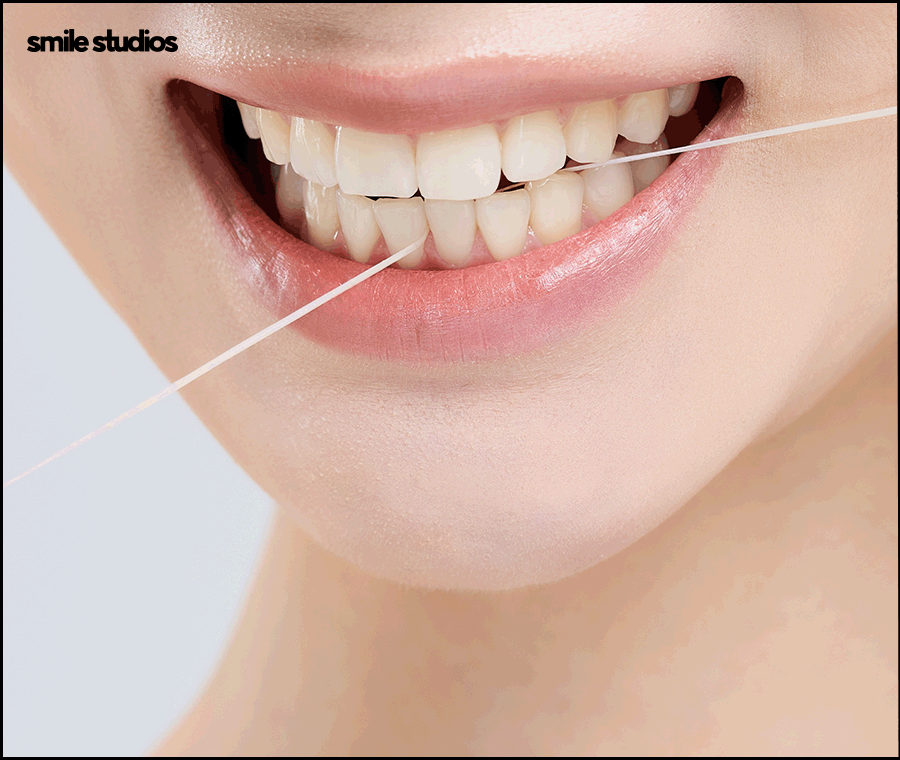
Prevention is best
This can be prevented sufficiently by managing your daily habits well.
- Use a soft toothbrush
Rather than a hard toothbrush, it is better to reduce irritation with a soft-bristled product.
- Brush properly
It is appropriate to brush using circular motions and up-and-down movements rather than scrubbing side to side.
- Manage teeth grinding
If you suspect it, using a mouthpiece after a professional diagnosis is effective.
- Adjust the timing of brushing after acidic intake
After exposure to acidic conditions, it is better to wait 30 minutes before brushing rather than brushing right away.
- Regular checkups are essential
Checking your condition every six months makes it possible to detect early abnormalities quickly.
In closing
Cervical abrasion is a problem that can also be seen visually, but many people mistake it for simple sensitivity or part of aging.
However, once damage begins, it is difficult to recover naturally, and it can gradually worsen.
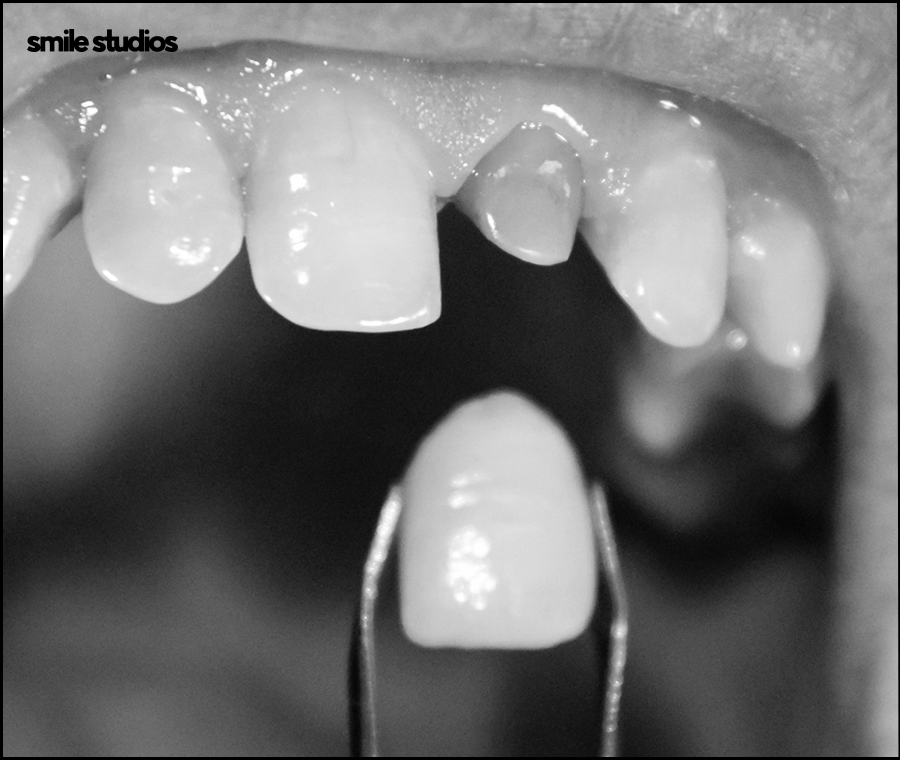
Although it can be improved aesthetically and functionally through laminate veneers, what is more important than that is early detection and proper treatment.

If you frequently feel more sensitivity than usual, we recommend consulting a trusted dental clinic for your oral health.