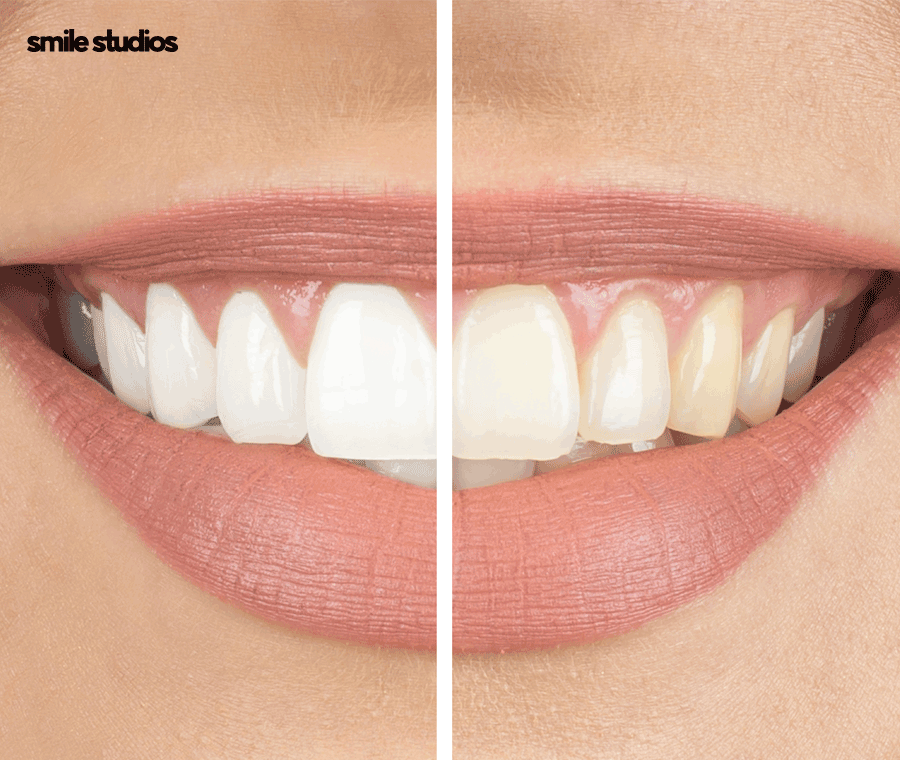
After getting laminate treatment, it is common to experience changes in color over time.
Right after the initial procedure, the restoration has a white color.
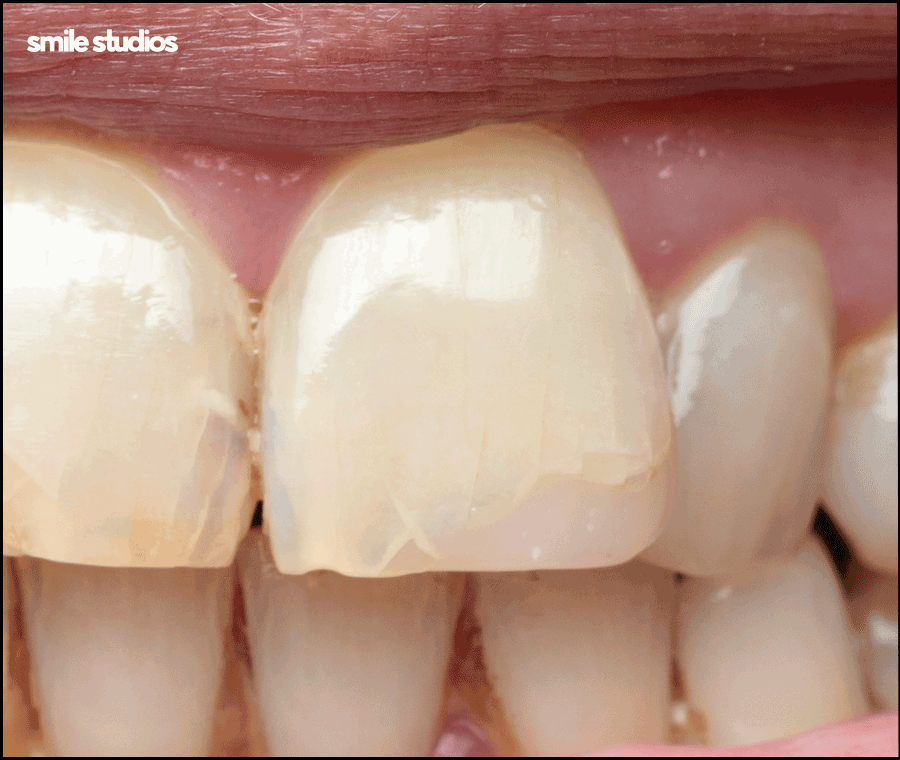
However, many people also notice it gradually becoming darker or turning yellowish.
Why does this kind of color change occur?
Also, let’s look at when it usually appears and how to respond.
Main Causes of Color Change
- Surface staining
Frequent consumption of foods and drinks that contain strong pigments, such as coffee, green tea, wine, and cola, can cause pigments to accumulate on the surface.

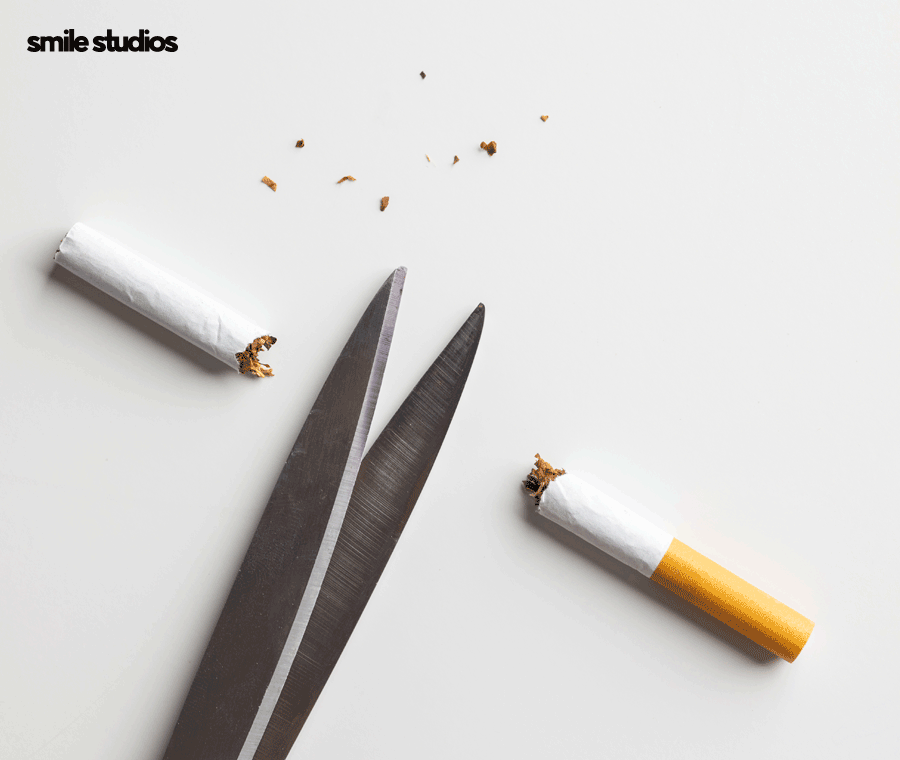
Smoking is also a major cause, as nicotine and tar adhere to the surface and cause a yellow-brown change.
This kind of surface staining tends to progress relatively slowly.
- Internal changes
In some cases, the bonding may not be perfect during the procedure, or the adhesive may be chosen inappropriately.
In such cases, food particles and other substances can enter the tiny gap between the laminate and the tooth.
Inside, it may come into contact with bacteria and cause discoloration, or the material itself may undergo chemical changes and alter in color.
When Laminate Discoloration Appears and Its Patterns
When staining occurs due to pigment accumulation on the surface, it usually begins to appear gradually about 6 months to 1 year after the procedure.
It may progress more quickly if you frequently consume those foods or smoke.
Because these changes are gradual, people often become used to them without noticing.
On the other hand, internal discoloration may appear within 2 years and tends to show a more distinct and irregular pattern than staining.
It may start at the edges and spread toward the center, or appear intensively in only certain areas.
In fact, color changes that occur internally are often seen as a cosmetic issue.
However, they can be a warning sign for dental health, as they may cause cavities or inflammation.
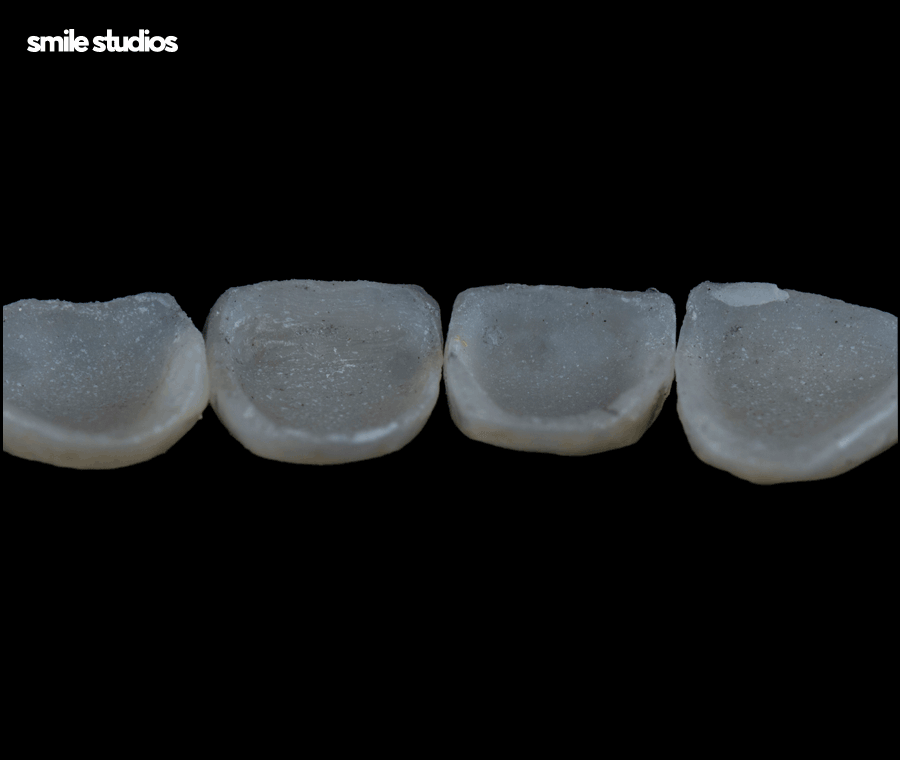
Since the restoration covers the outer surface of the permanent tooth, it can be difficult to detect disease.
By the time you notice that the color has changed, damage may already have begun.
That is why it is also important to consider whether there may be a health problem.
How to Respond to Color Changes
How to deal with laminate discoloration depends on the cause and degree.
If the main cause is pigment staining on the surface, regular scaling and whitening may improve it to some extent.
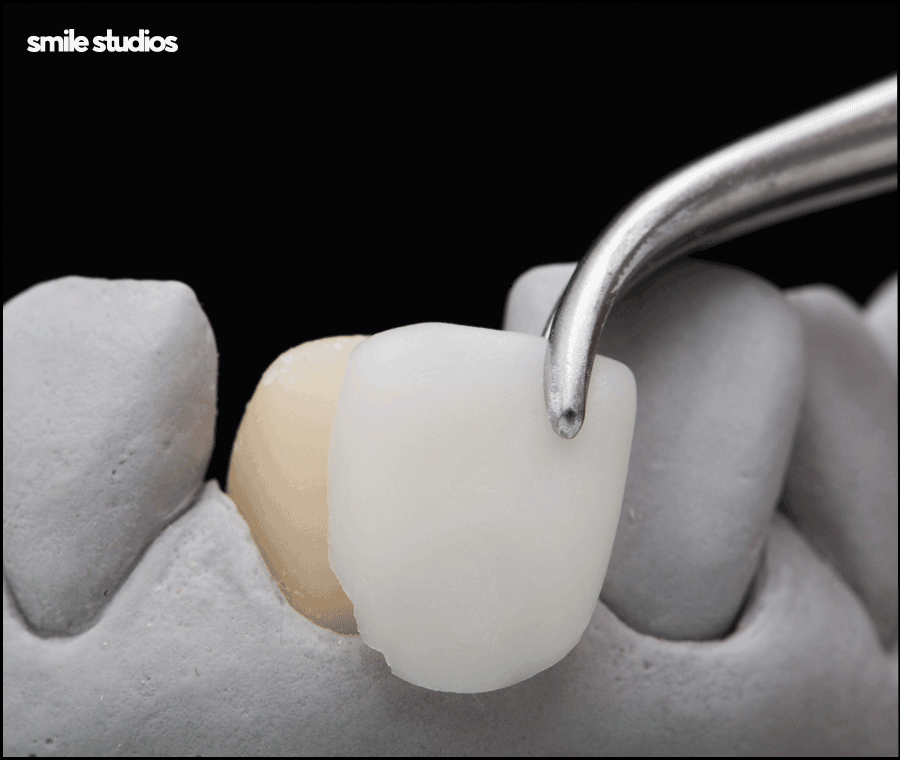
Staining substances can also be removed through polishing with special abrasives.
However, since this may slightly damage the restoration’s surface, it should be carefully decided after consulting a medical professional.
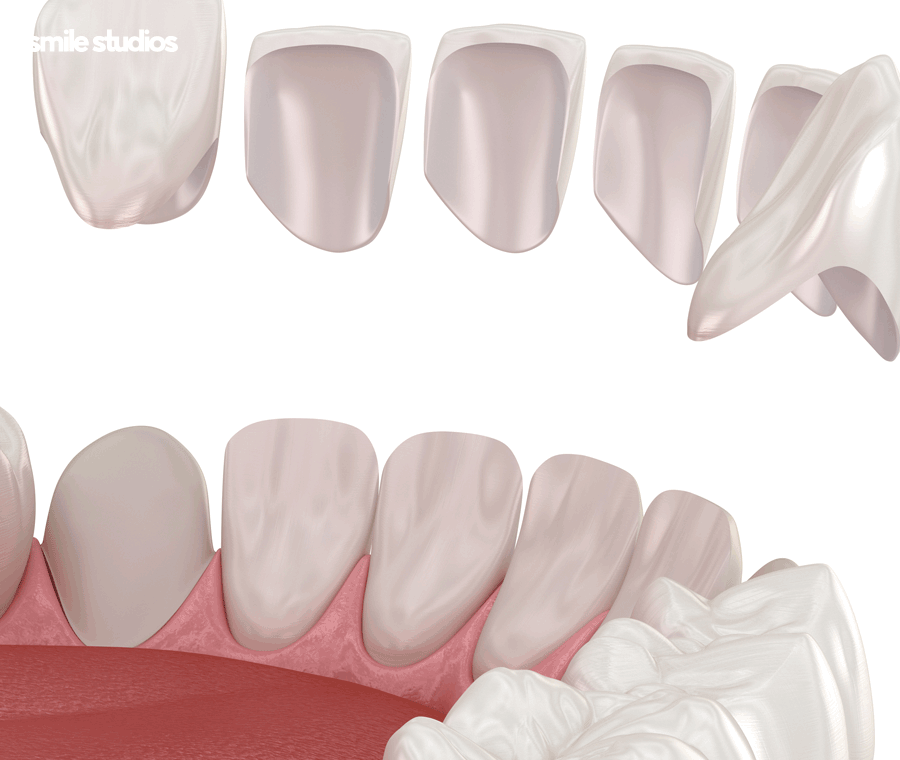
If the problem is internal, retreatment may need to be considered for a fundamental solution.
The existing restoration may be removed and a new one made, or the restoration may be reattached.
At this time, it is important to carry out the bonding process more precisely to prevent recurrence.
Prevention Is the Best Choice
Whenever possible, it is important to prevent laminate discoloration from occurring.
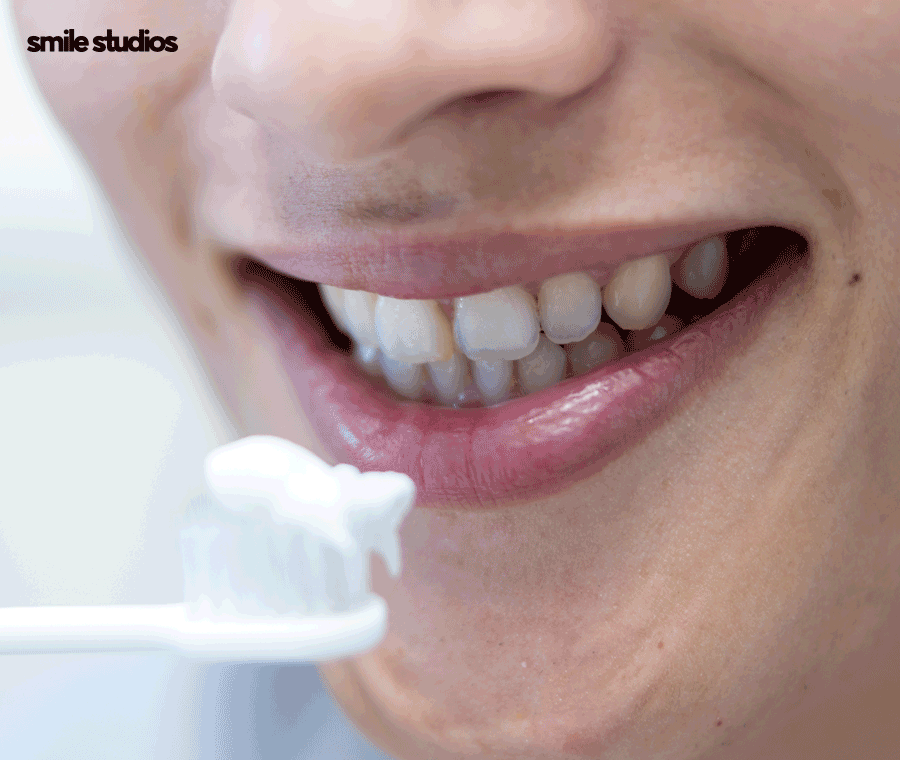
First, after consuming foods or drinks that may stain, you should rinse your mouth with water immediately or brush your teeth.

Using a straw for coffee, wine, and similar drinks can also help minimize direct contact with the laminate.
It is also important to detect early signs of change through regular checkups.
We recommend receiving proper care through consultation and diagnosis with a medical professional.
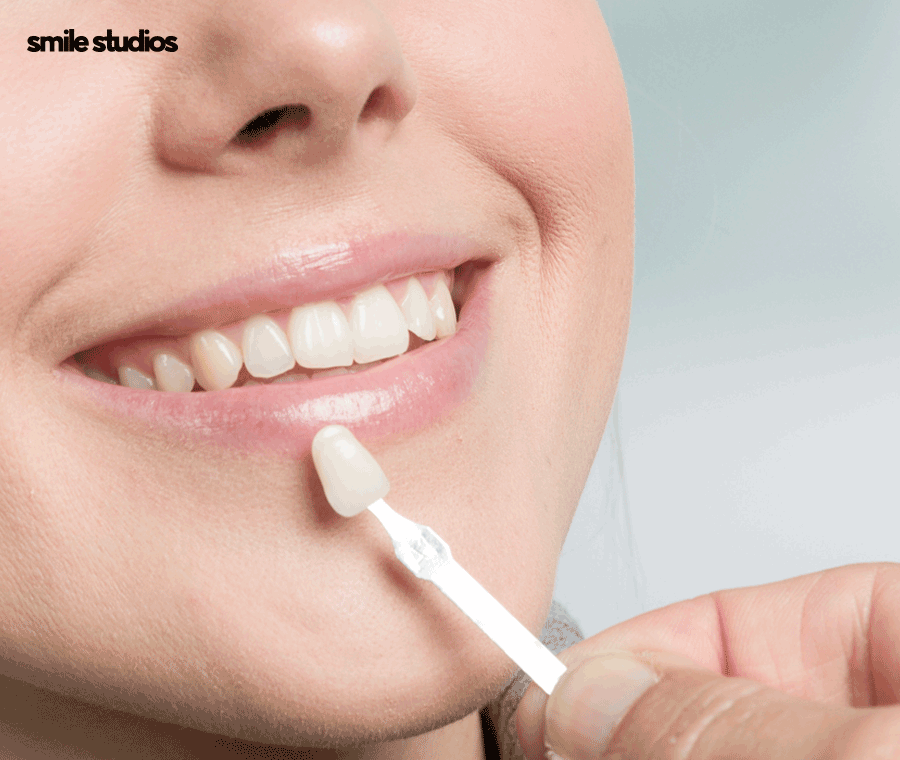
In addition, if you receive regular checkups and cleaning every 6 months, you can help prevent staining and extend the lifespan.
How to Make It Last Longer
In general, the lifespan of laminate is known to be about 7 to 10 years.
Still, if your usual care is good, it can easily last more than 15 years.
If proper oral care and habit improvement are maintained consistently, you can keep its beautiful color for a long time.