PicoAlex, PicoCare?
No matter which device it is, this is what matters
Hello.
I am Kim Jinhyun, Chief Director of the Mokdong branch of UNNI Clinic.
"If a laser device is famous,
does that automatically mean it is right for me?"
If you are considering pigment treatment these days,
you may have thought about this at least once.
As pico lasers have become more widely used,
many people also make the easy decision to think,
'Pico toning sounds good, maybe I should try it.'
But the problem is not simply the fact that it is a 'good device.'
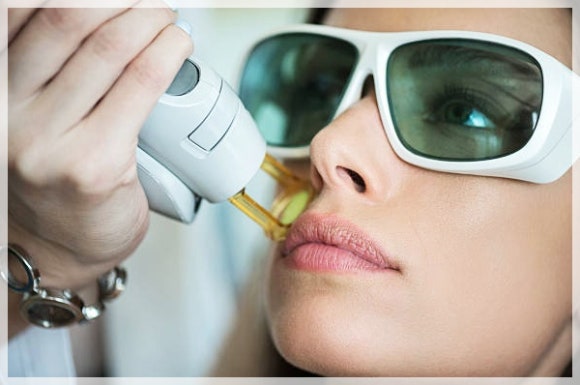
Even with the same device, the type of laser,
power, wavelength, and pulse duration
all change the level of stimulation
and the effect on the skin completely.
And although it sounds very cliché and obvious..
what is more important is how that device is
planned and used for treatment.
So today, I will briefly go over the
basic types and principles of lasers,
the differences between the two pico laser devices
used at our clinic,
and the 기준 I use when planning treatment,
based on the questions I often receive in the consultation room.
| Table of Contents |
|---|
| 1. What is a pico laser? How is it different from conventional lasers? 2. PicoAlex vs. PicoCare Majesty 3. What matters more than 'what kind of device it is'? |
- What is a pico laser?
How is it different from conventional lasers?
Pico laser, pico toning.. These days,
even if you just visit a homepage or blog,
you will come across these words several times a day.
But when many people ask, "What is it?"
they often do not actually know exactly
how it differs from conventional lasers.
So let me explain it very simply,
and only the essentials.
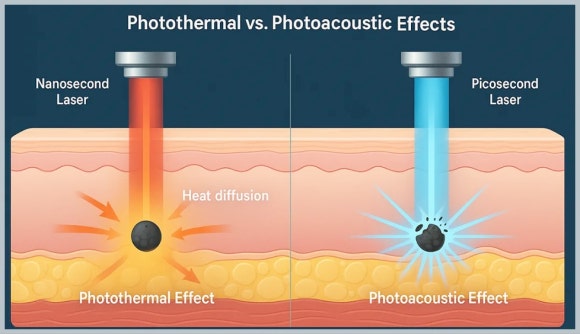
First, just looking at the difference in Pulse Duration makes it different.
Milliseconds (ms): one-thousandth of a second
Nanoseconds (ns): one-billionth of a second
Picoseconds (ps): one-trillionth of a second
In other words, pico lasers deliver energy very quickly
compared with conventional lasers that had millisecond
or nanosecond pulse widths,
so they can break down melanin pigment
more finely and precisely.
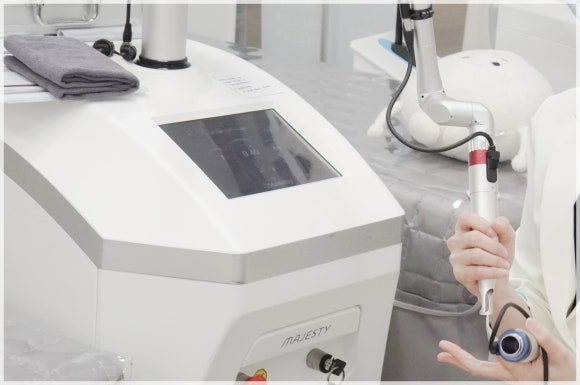
This is exactly why they have been able to overcome problems
that were difficult to resolve with conventional nanosecond toning,
such as repeated treatments, recurrence,
and post-inflammatory hyperpigmentation.
(Of course, millisecond and nanosecond lasers also have their own effectiveness
and applicable cases, so they are still widely used. ^^)
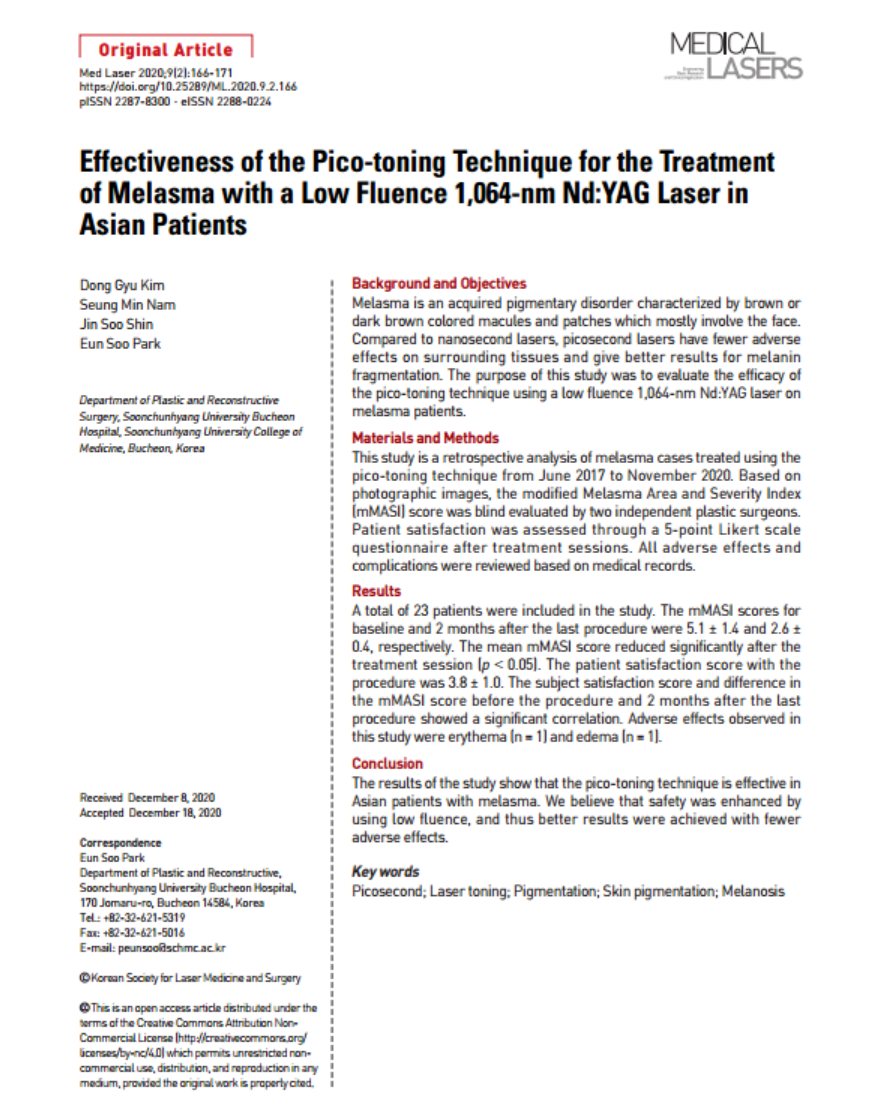 Effectiveness of the Pico toning Technique for the
Treatment of Melasma with a Low Fluence 1,064-nm Nd:YAG Laser in Asian Patients
Effectiveness of the Pico toning Technique for the
Treatment of Melasma with a Low Fluence 1,064-nm Nd:YAG Laser in Asian Patients
Let’s look at one related study.
This was a retrospective study conducted on 23 melasma patients
who received pico toning treatment from June 2017 to November 2020.
The laser used was a 1064nm Nd:YAG pico laser (300 - 500ps),
and after an average of about 5 treatments,
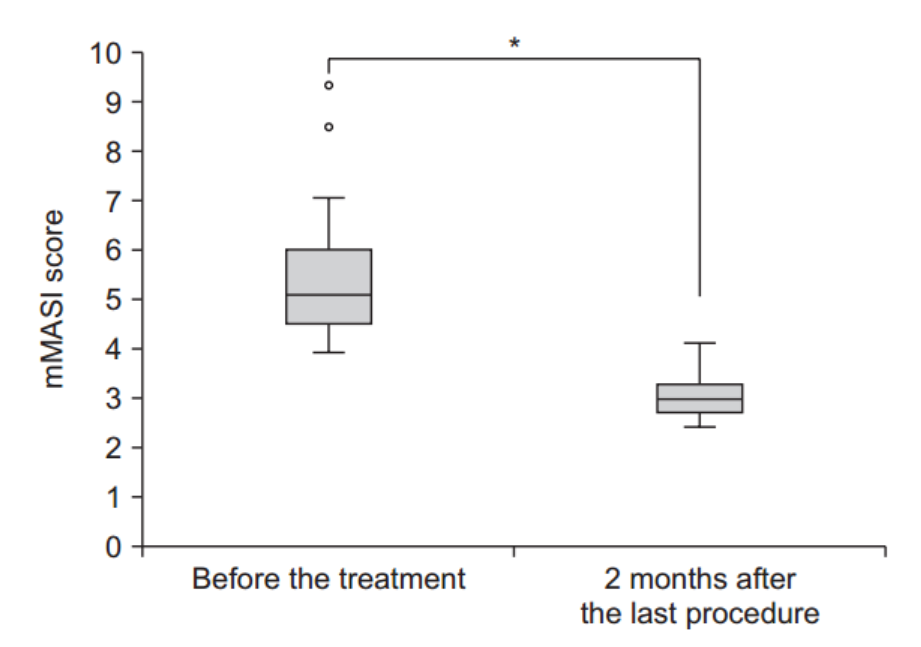 Fig. 1. The modified melasma area and severity index (mMASI) score of baseline and 2 months after the last procedure.
The baseline and 2 months after the last procedure are
5.1±1.4 and 2.6±0.4, respectively. The mean mMASI score
reduced significantly. *p < 0.05.
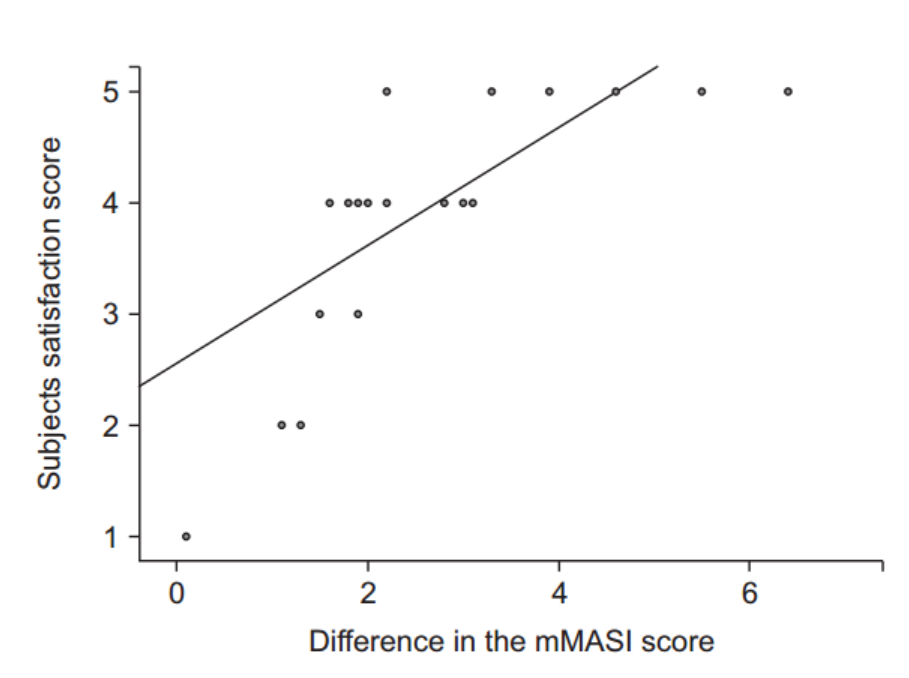 Fig. 2. Scatter plot of the subject satisfaction score and difference in the mMASI score. The scatter plot shows
significant relationships between the subject satisfaction
score and difference in the mMASI score before the
procedure and 2 months after the last procedure (r=
0.844, p < 0.001).
Fig. 2. Scatter plot of the subject satisfaction score and difference in the mMASI score. The scatter plot shows
significant relationships between the subject satisfaction
score and difference in the mMASI score before the
procedure and 2 months after the last procedure (r=
0.844, p < 0.001).
an average patient satisfaction score of 3.8/5.0
and a significant improvement in mMASI score from 5.1 to 2.6
were achieved.
The side effects were one case of erythema and one case of edema,
and there were no very serious adverse effects.
Also, there were no side effects that negatively affected appearance,
such as hypopigmentation or hyperpigmentation,
which many people worry about with laser procedures.
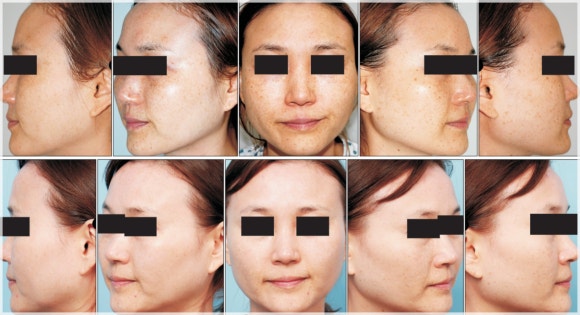 Fig. 3. Photographic finding of a case before and after the treatment. Before the treatment (upper) and 2 months after the last procedure (lower)
(Top) Before treatment, (bottom) 2 months after treatment
In the end, the key point is this.
If the necessary energy is delivered accurately in a short time,
the effect can improve without side effects.
Pico toning is a treatment method created exactly in that way.
- PicoAlex vs. PicoCare Majesty
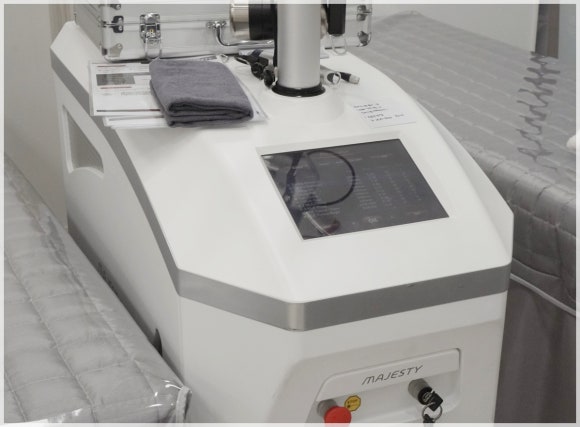
Our clinic has two pico toning devices,
PicoAlex and PicoCare Majesty.
If you ask, "Which one is better?" then, to state the obvious,
I can answer that the advantages of the two devices are different,
and the right device varies depending on the patient’s skin.
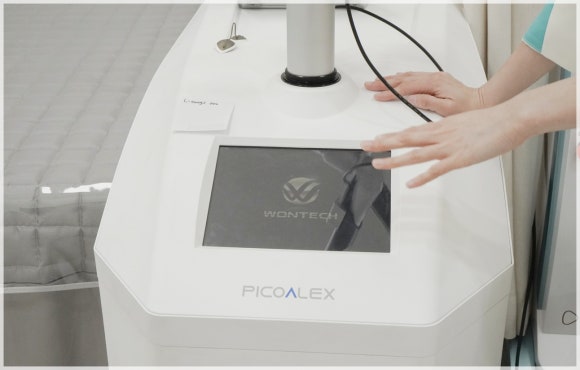 PicoAlex
First, PicoAlex uses a 755nm alexandrite wavelength laser,
and the pulse width is 600 picoseconds.
 PicoCare Majesty
On the other hand, PicoCare Majesty can use four wavelengths:
1064nm, 532nm, 595nm, and 660nm.
Unlike PicoAlex, its medium is not alexandrite
but Nd:YAG.
The biggest difference from the first device is that,
even for a pico laser device, the pulse width is 'extremely short.'
PicoAlex has 600 picoseconds,
whereas PicoCare Majesty is 250 picoseconds,
more than half as short.
In summary, PicoCare Majesty has a wider range of wavelengths
and a shorter pulse width, so recovery is faster.
(Because the time the laser is in contact with the skin is that much shorter.)
- What matters more than 'what kind of device it is'?
When comparing the two devices, just by hearing about them,
PicoCare Majesty seems better no matter what.
But that does not mean a particular device is automatically better.
First, PicoAlex covers the 755nm wavelength,
which PicoCare Majesty does not have.
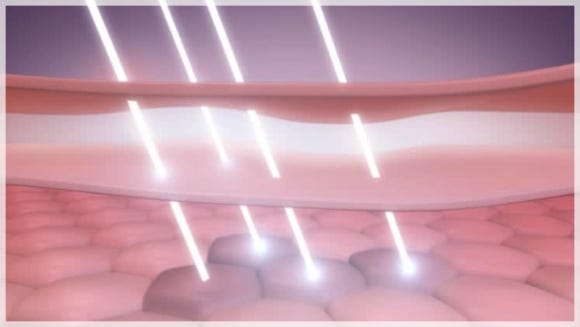
The longer the wavelength, the deeper the laser penetrates the skin for treatment,
so depending on whether the patient’s pigment is located deeper or more superficially,
a customized device is chosen.
That is why I do not simply 'recommend' a device.
I first ask about the skin condition, history, sensitivity,
and expectations, and then explain which treatment is the safest
and most effective.

I was someone with sensitive skin.
That made me more cautious and attentive,
and led me to judge things from the patient’s perspective.
Choosing a wavelength that suits the individual skin,
rather than a popular device.
Improvement that accumulates without side effects,
rather than a striking effect.
As the chief director, I spend more time on the process of why
I determined that this treatment is needed for this patient,
rather than simply what treatment is being done.
PicoAlex and PicoCare Majesty are both devices with clear advantages,
but what matters is not the device,
it is the 'planning.'
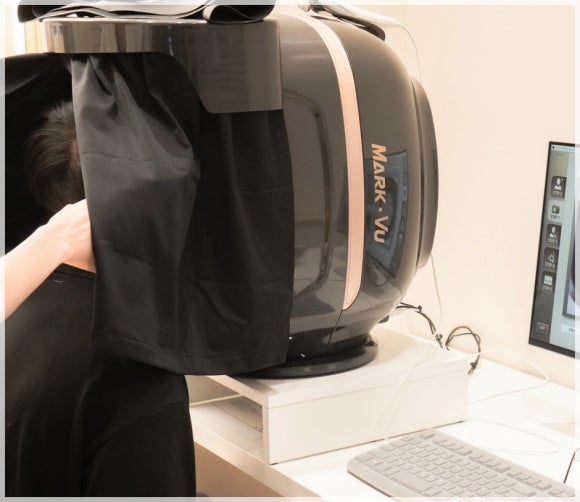 MarkView
That is why we analyze the distribution of the patient’s pigment condition
through the MarkView skin imaging device.
I hope this article was helpful,
even a little, for those who are preparing for pico toning treatment.
That is all for today.
Thank you for reading this long post.
This was Kim Jinhyun, Chief Director of the Mokdong branch of UNNI Clinic. ^^
< Related Posts >
< Directions >