Hello,
I am Seo Ho-yeon, the head doctor of Yonsei Dagam Dental Clinic.
Have you ever lost sleep because of a wisdom tooth?
You may have experienced sudden pain,
gums that swell and bleed every time you chew,
and similar discomfort.
But if there are no particular symptoms or pain,
you may wonder, “Do I really need to have this removed?”
Wisdom teeth differ from person to person in the direction and position in which they erupt,
so the treatment and management methods also differ.
Therefore, rather than deciding on extraction simply based on pain or discomfort,
it is better to make the decision
through an accurate diagnosis by medical staff.
In this post, as a specialist in integrated dentistry,
I will explain the exact criteria for when a wisdom tooth should be removed,
as well as the extraction process and aftercare.
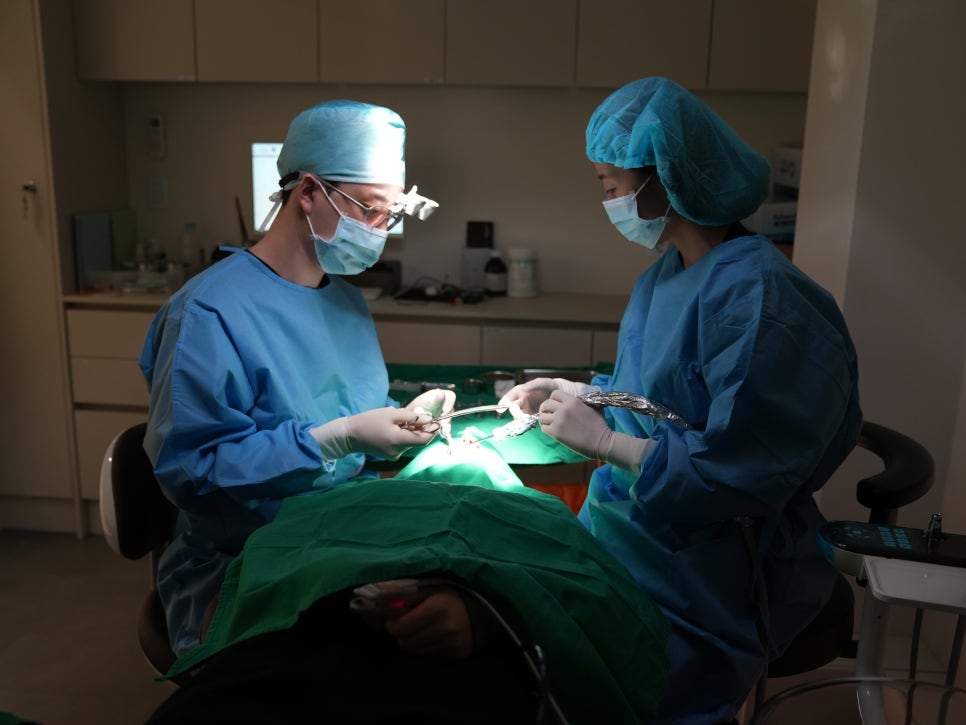
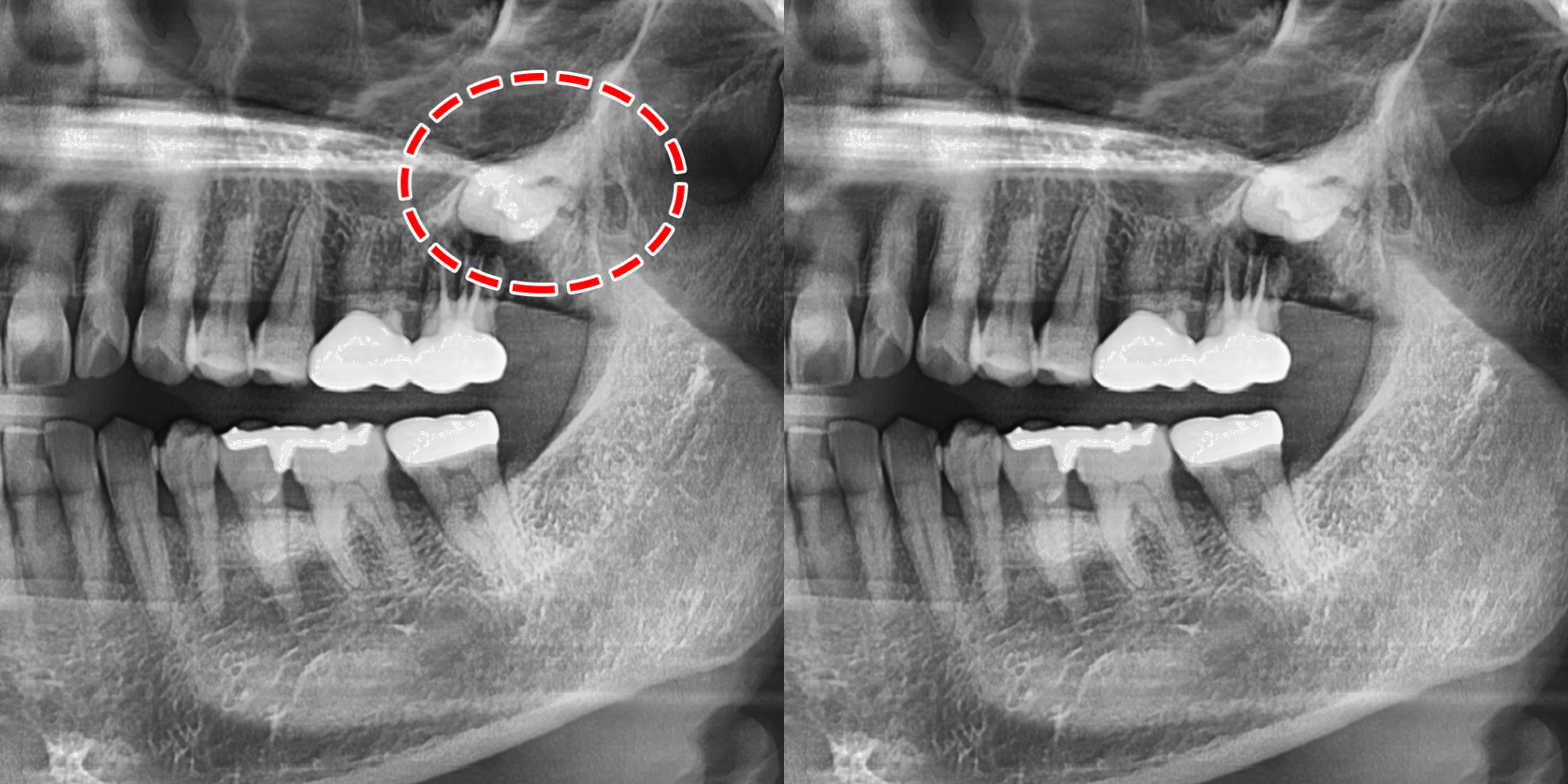
- Cases in Which Removal Is Necessary
Wisdom teeth are located at the very back of the mouth,
so they are difficult to manage properly.
Especially when they do not grow straight or only partially erupt,
bacteria can easily multiply and cause oral problems such as cavities,
gum inflammation, and damage to nearby teeth.
If any of the following situations apply,
it is advisable to actively consider extraction.
-
When they interfere with orthodontic treatment or prosthetic treatment
-
When the gums repeatedly swell or become painful
-
When they grow sideways, remain hidden in the gums, or only partially emerge
-
When decay may spread not only to the wisdom tooth but also to adjacent teeth
In addition, if you are planning a pregnancy
or are in a state of weakened immunity,
it is better to have them removed in advance.
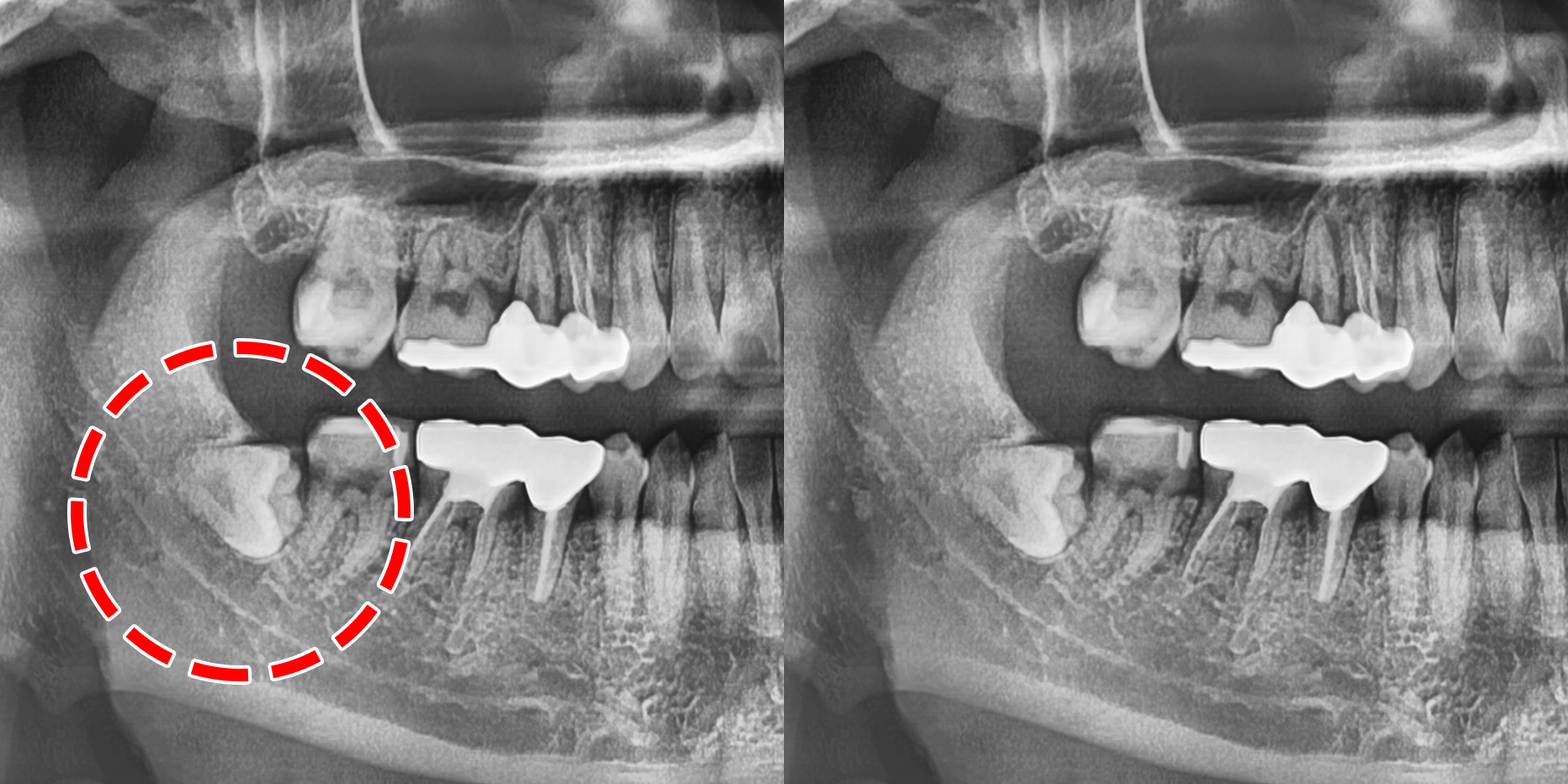
- Cases in Which Removal Is Not Necessary
However, not every wisdom tooth needs to be extracted.
If the conditions below are met,
ongoing observation through regular checkups can be enough for management.
-
When there is no cavity or gum disease
-
When it has fully erupted vertically and normal occlusion is achieved
-
When thorough hygiene management is possible with a toothbrush, dental floss, and similar tools
However, as you get older, the jawbone becomes harder,
so if you decide to have it removed later,
treatment may become more difficult.
Therefore, it is good to keep checking the condition continuously,
and if you think it is not needed, it is better to remove it quickly.
- Pre-Treatment Examination and Preparation
Wisdom tooth extraction is performed after a precise examination in advance
and careful planning is established.
In particular, the upper teeth require caution regarding the maxillary sinus,
and the lower teeth require caution regarding the nerves.
If these are accidentally affected during extraction,
maxillary sinus perforation or nerve irritation may occur,
leading to temporary numbness.
Therefore, a detailed analysis is needed of how far the tooth root
is from the maxillary sinus membrane and the nerves.
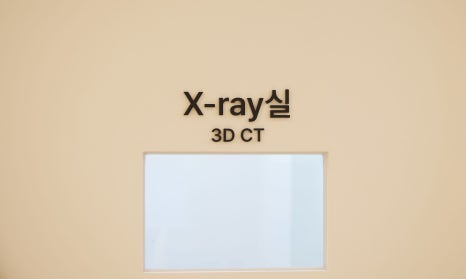
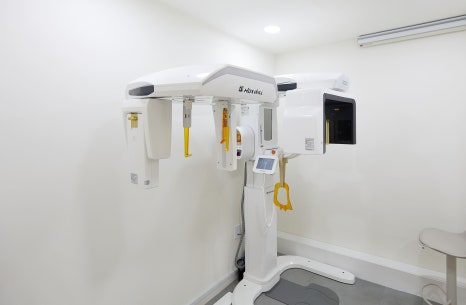
At Yonsei Dagam Dental Clinic, 3D CT imaging is used
to take these factors into account,
and treatment begins after a thorough plan is established
so that extraction can be performed safely and quickly.
- Treatment Process and Time Required
Wisdom tooth extraction surprisingly follows a simple procedure.
First, for patients with dental anxiety, local anesthesia or
conscious sedation (sleep anesthesia) is used
to minimize pain and fear while the gums are incised.
After the gum is incised, part of the gum bone is removed
to secure space for the wisdom tooth to come out.
If it cannot be removed all at once,
the tooth is divided into small pieces and taken out one by one.
If it is removed cleanly, the incised gums are covered,
sutured, and bleeding is controlled.
(* If necessary, a hemostatic agent may be used.)
In general, the procedure is completed in about 10 minutes,
and same-day discharge is possible.
In some cases, if the case is highly difficult,
the procedure may take a bit longer.
Yonsei Dagam Dental Clinic minimizes fear and pain
by using conscious sedation (sleep anesthesia).

- Post-Extraction Care
Even if the procedure goes well,
aftercare is also very important.
Apply pressure with gauze for 2 to 3 hours to control bleeding,
and use cold compresses for 2 to 3 days to reduce pain and swelling.
It is best to eat soft porridge,
and when brushing your teeth,
you should carefully clean the rest of the mouth except for the extraction site.
Take the prescribed medication only after finishing a meal,
and sutures are usually removed after about one week.
If care is maintained consistently,
you can recover cleanly without major side effects.
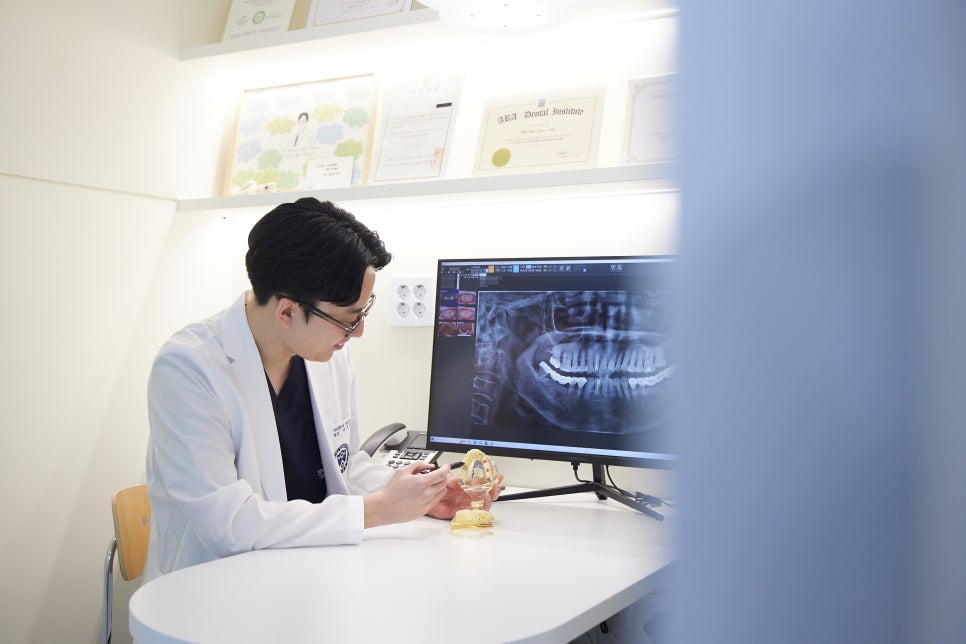
Even if there are no symptoms, leaving wisdom teeth untreated
can cause cavities, gum disease, and bite problems.
However, not all wisdom teeth require extraction,
and an accurate diagnosis by a specialist is the top priority.
If you are experiencing discomfort because of a wisdom tooth
or are unsure whether it should be removed,
please visit a nearby dental clinic
and receive a detailed examination.
Thank you for reading this long post.
This was Dr. Seo Ho-yeon.

👉 Naver appointment booking
👉 Yonsei Dagam Dental Clinic website
👉 Yonsei Dagam Dental Clinic KakaoTalk consultation channel
👉 Yonsei Dagam Dental Clinic Naver TalkTalk consultation