Hello.
This is Director Seo Hoyeon from Yonsei Dagam Dental Clinic near Gaerong Station.
Periodontal disease is a condition that damages the tissues around the teeth,
namely the gums and alveolar bone.
In the early stages, it begins with symptoms that are easy to overlook,
such as bleeding and swollen gums.
However, if early intervention is not made,
it gradually causes loss of tooth support,
which may make extraction unavoidable.
Also, even if implants are considered to restore function,
a poor bone environment may accompany the condition,
and treatment can sometimes be limited.
In such cases, should treatment be given up?
At the dental clinic near Gaerong Station,
we would like to say that this is not the case.
Today, we will explain a safe implant placement method
through a case with significant bone loss.
- Severely Advanced Periodontal Disease
2026.01.19
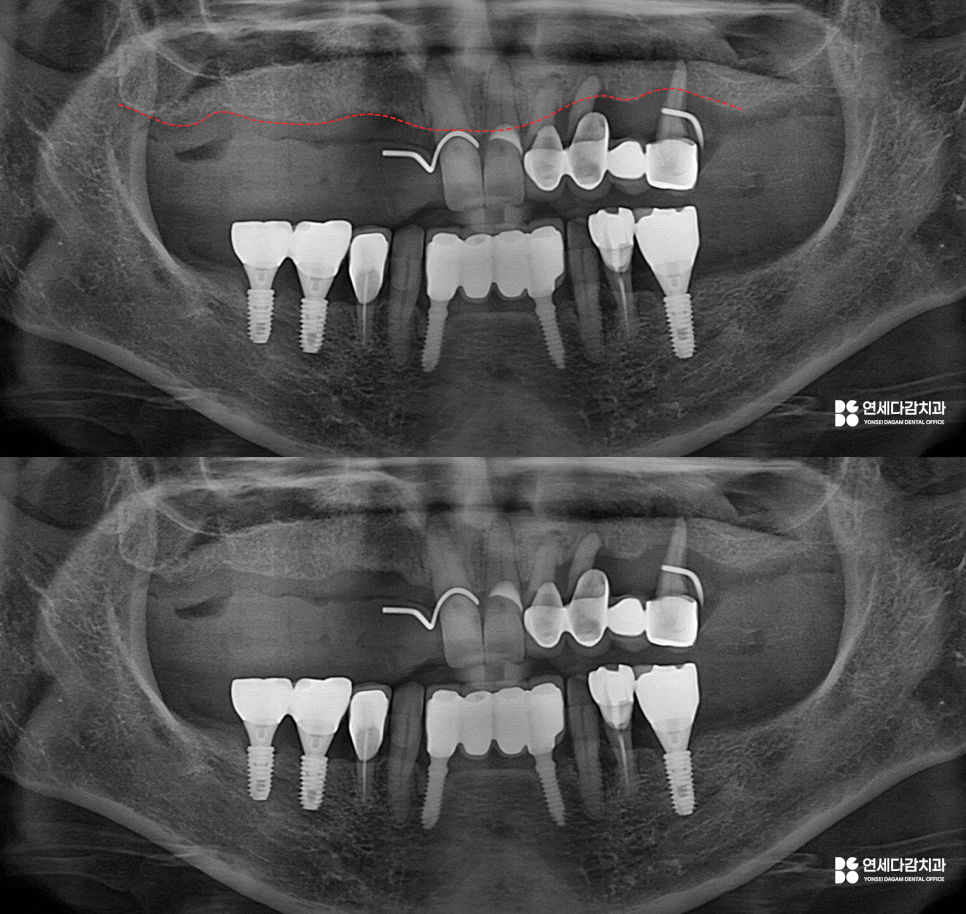
On the radiographic image,
the gum line appears irregular
with uneven levels.
Also, when evaluating the remaining teeth,
only the root ends remain inside the gums,
which means the environment has lost the support needed to hold the teeth,
so severe mobility is unavoidable.
When periodontal disease is left untreated for a long time like this,
it does not end with simply weakened gums.
The alveolar bone that supports the roots is also damaged,
and extraction becomes a matter to consider.
One of the frightening aspects of periodontal disease
is that it progresses quietly and slowly.
As explained earlier at the dental clinic near Gaerong Station,
it starts with minor symptoms in the beginning.
However, as time goes on, symptoms such as swollen gums,
receding gums, and widening spaces between teeth
may appear together.
If it progresses to this stage,
a simple scaling procedure will not be enough,
and gum treatment or even surgery may be needed.
2026.01.19
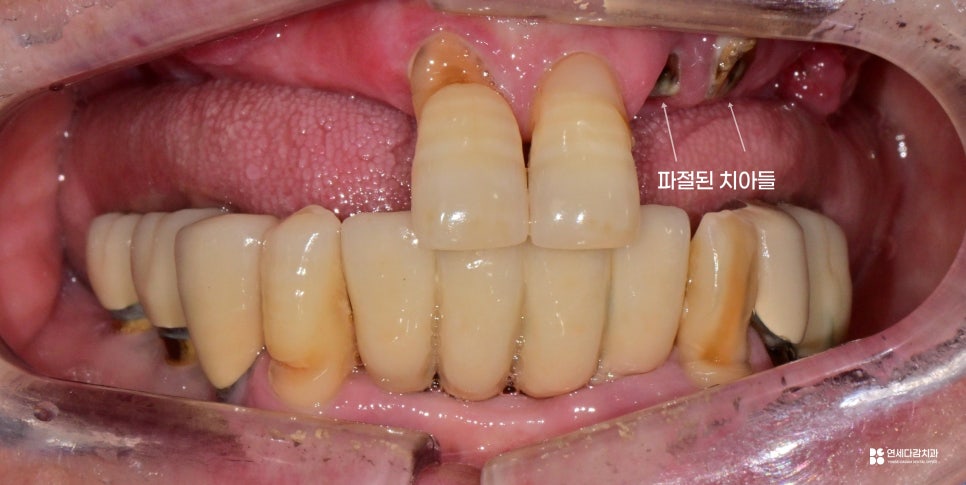
However, when the tooth itself is significantly damaged,
or the amount of bone loss is too great,
the prognosis is not good and extraction should be considered.
- Treatment Plan Considering the Prognosis
2026.01.19
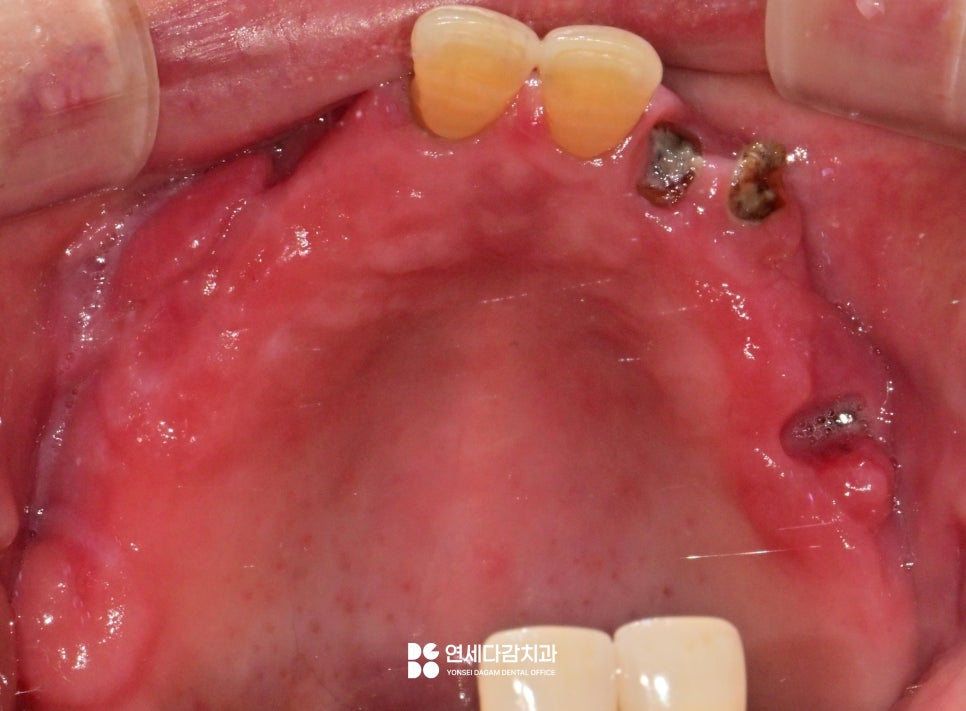
To restore chewing function and aesthetics in the oral cavity,
implant treatment can be planned.
However, before surgery, the patient's overall health condition
and the current state of the alveolar bone must be thoroughly checked,
and the treatment plan must be carefully established.
In particular, patients with systemic diseases,
low immunity, or advanced age may have reduced healing ability.
For these patients, there may be concerns about infection risk
and problems securing initial stability,
which is why many hesitate to proceed with treatment.
One option these patients can consider
is navigation-based implant treatment.
- Surgical Planning for Precise Placement
Before surgery, a CBCT scan is taken
to precisely analyze the oral environment.
Then, based on the scanned data,
a simulated surgery is performed on the computer to
pre-plan the fixture length, diameter,
and placement position and direction suitable for the patient.
Based on the established plan,
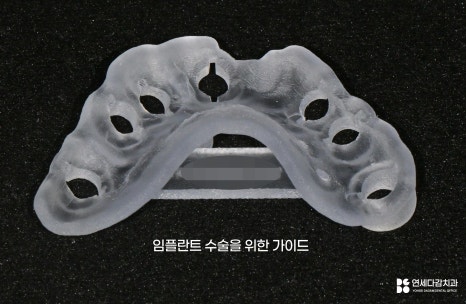
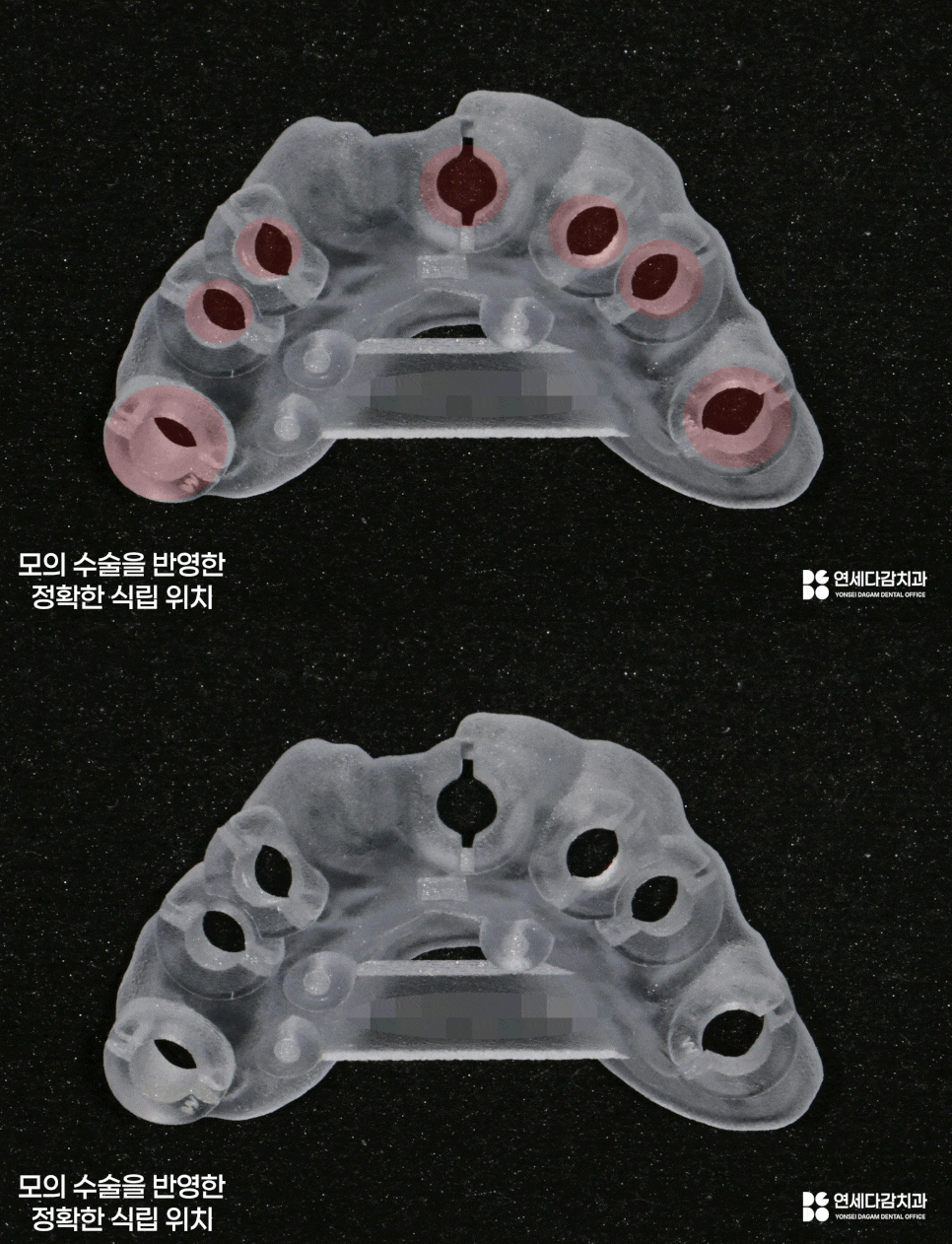
a guide is fabricated so that the implant can be placed
in the same position and direction during the actual surgery.
Using this guide during surgery can not only reduce positional errors,
but also minimize the incision area.
As a result, recovery time is shortened,
and the risk of infection and complications can also be reduced.
However, as in the case explained at the dental clinic near Gaerong Station,
when the molars are missing,
guide fabrication may be postponed.
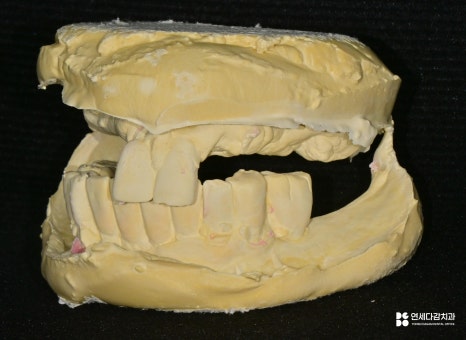
2026.01.21
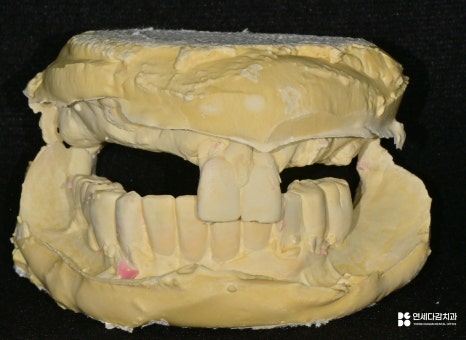
First, an accurate impression of the patient's oral cavity is taken
to create a device called a Radiographic template.
When the patient bites down,
the reference bite is not consistent,
making it difficult to design the guide at an exact position,
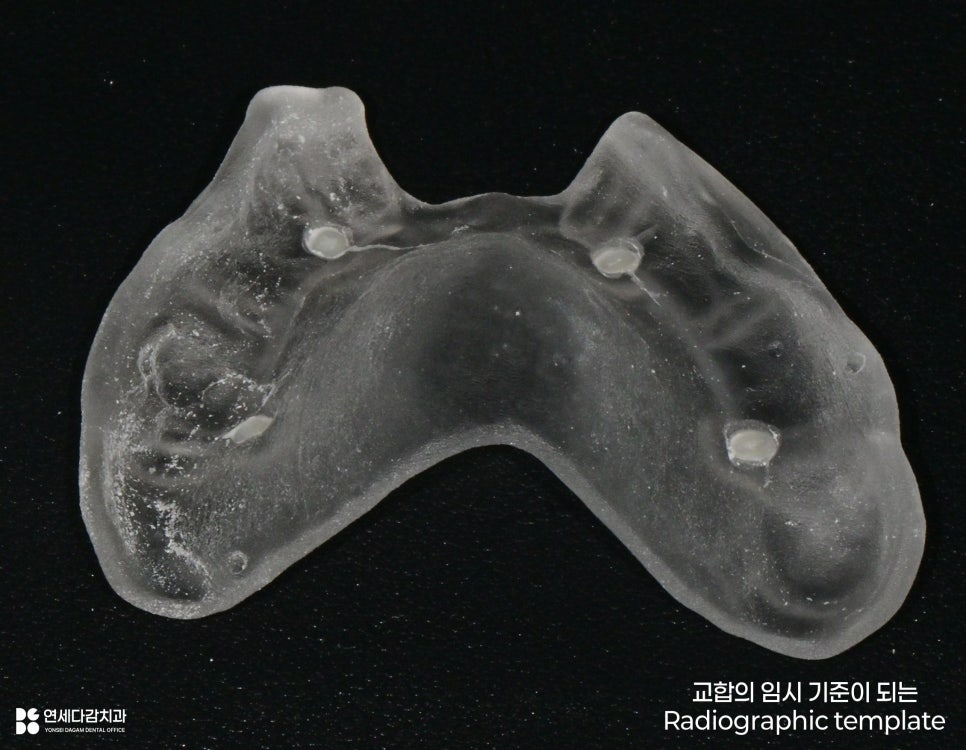
2026.01.25
so you can think of it as a device that creates a temporary reference
so that a stable bite can be obtained.
- Fabricating a Guide Tailored to the Individual Oral Cavity
Using the Radiographic Template
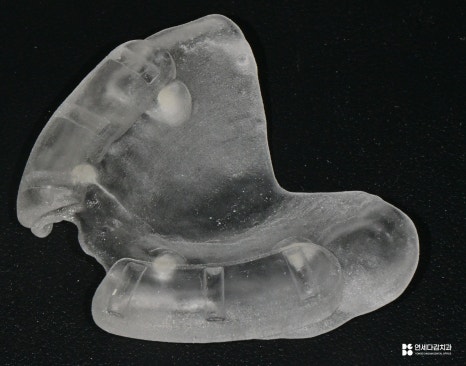
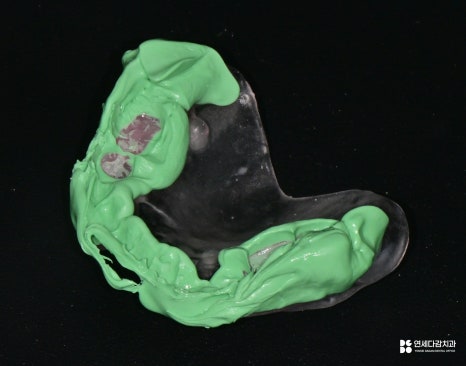
2026.01.25
After that, it is tried in the mouth,
and a bite registration process is performed
to record the accurate occlusal relationship.
Then, while wearing the Radiographic template,
another CT scan is taken.
The CT data obtained at this time is used as material for guide fabrication,
and a surgical guide suited to the patient's individual oral cavity is produced,
allowing the implant to be placed exactly at the planned position and direction during the actual surgery.
2026.02.04
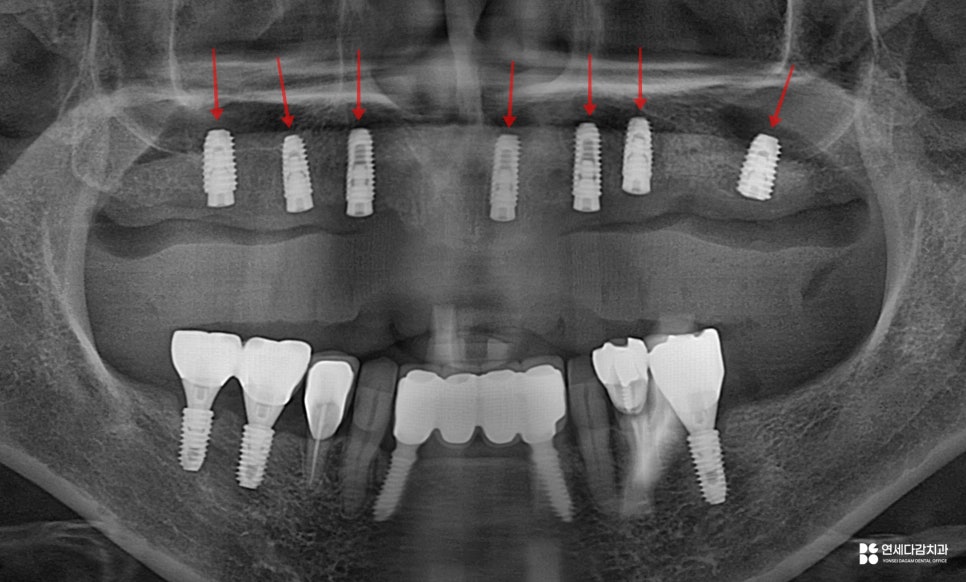
By going through these step-by-step procedures
and using the guide appropriately,
the accuracy of the surgery can be improved.
2026.02.04
In particular, as explained at the dental clinic near Gaerong Station,
even patients with poor bone conditions or multiple missing teeth
can undergo surgery more safely.
After the bone and fixture have completed integration,
if the prosthesis is fabricated and restored,
both function and aesthetics can be recovered.
Even in cases where the bone condition is not good,
if planning is carried out according to the individual situation,
treatment is still fully possible.
So please do not give up on treatment too quickly,
and we recommend first receiving a consultation.
This has been the dental clinic near Gaerong Station.
Thank you.
2026.01.19 ~2026.02.04