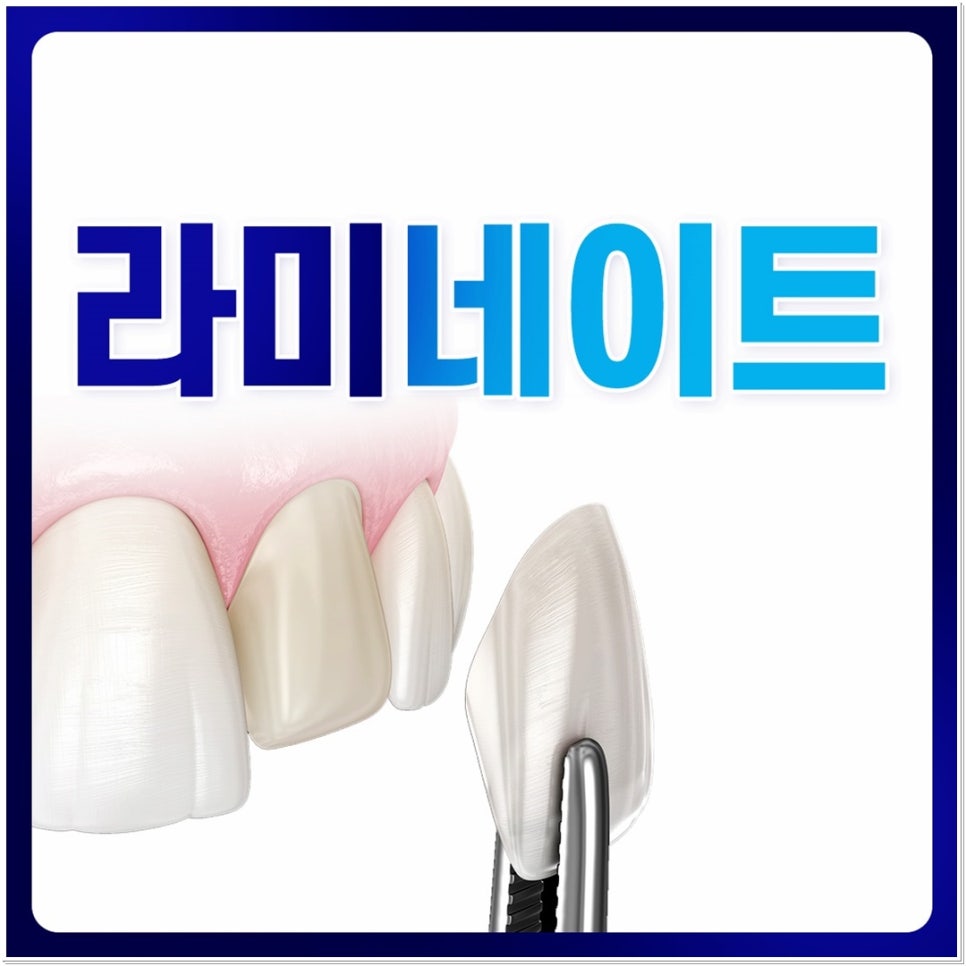
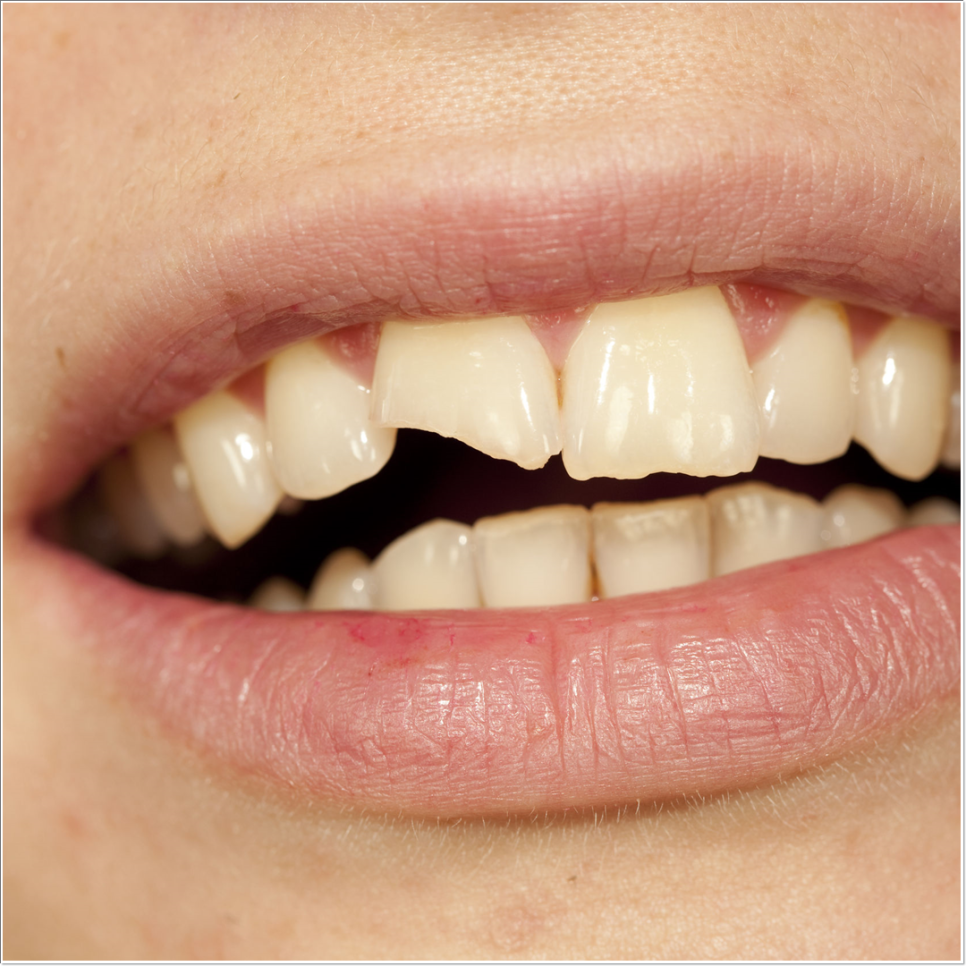
Many patients who visited the dental clinic in Euljiro were troubled by tooth discoloration. From office workers who enjoyed coffee to those whose teeth had turned yellow from smoking, each had been losing confidence for their own reasons. In particular, because they worked in Euljiro, a business-centered district, the sense of self-consciousness they felt in interpersonal situations was even greater.

The Impact of Tooth Discoloration on Daily Life
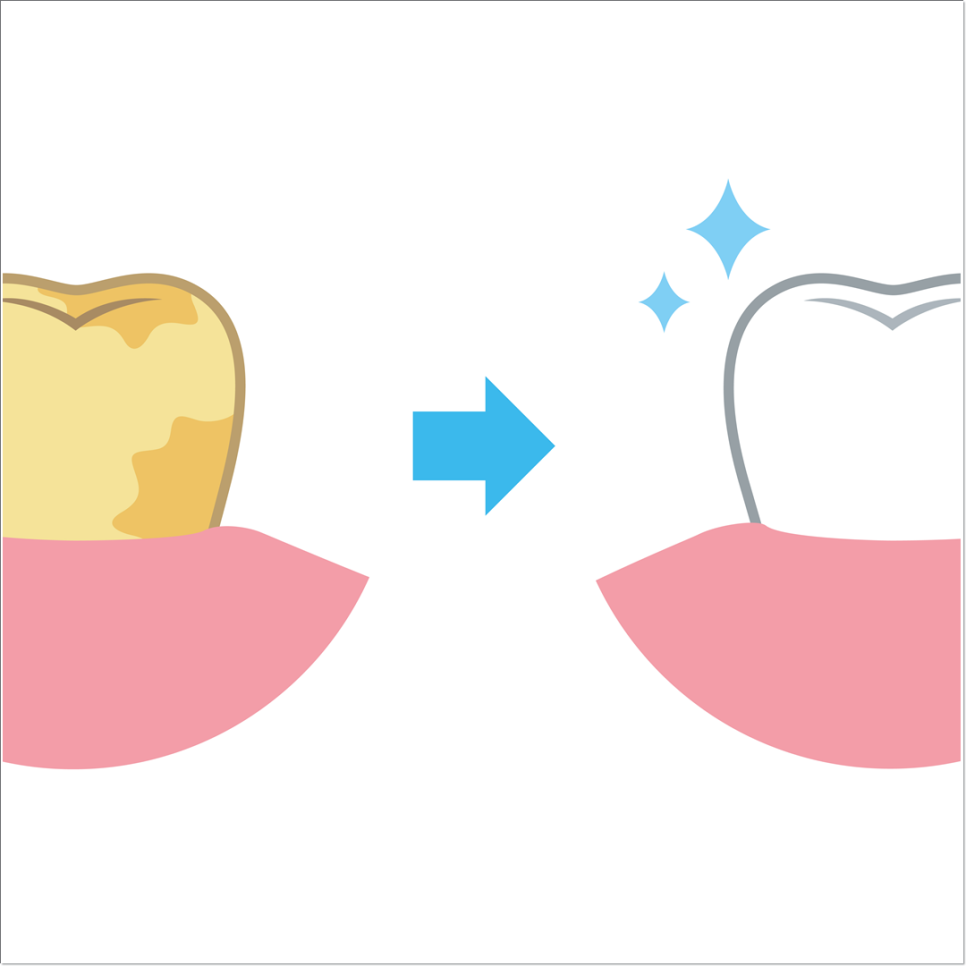
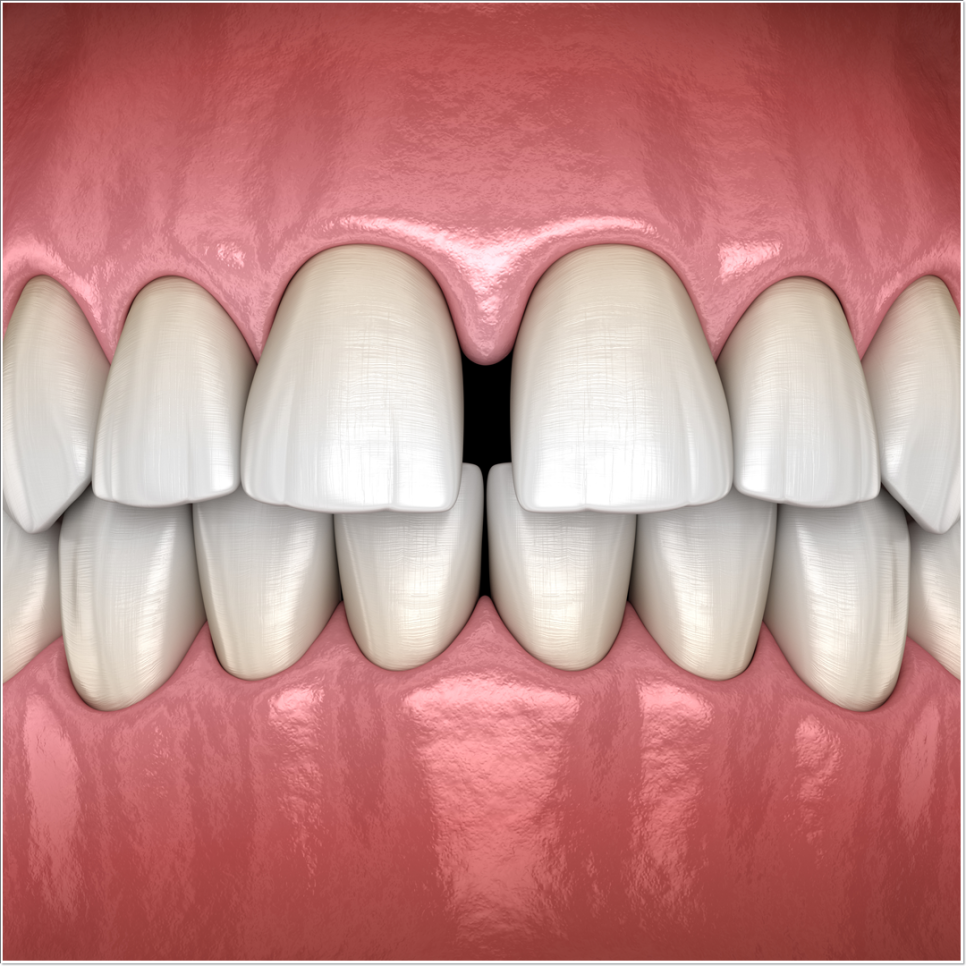
The causes of tooth discoloration were varied. Coloring beverages such as coffee and wine, smoking, medication, and aging were cited as the main causes. According to one survey, 78% of people experiencing tooth discoloration said they had developed the habit of covering their mouths when speaking. The patients we met at the Euljiro dental clinic also found themselves covering their mouths unconsciously when giving presentations in meeting rooms or meeting clients. One patient who worked in the service industry said, "I felt so conscious of it every time I smiled that I couldn’t smile brightly," and shared that it also made it difficult to perform her job. In this way, tooth discoloration was affecting not just appearance, but social life as a whole.
Veneers, the Careful Treatment Process
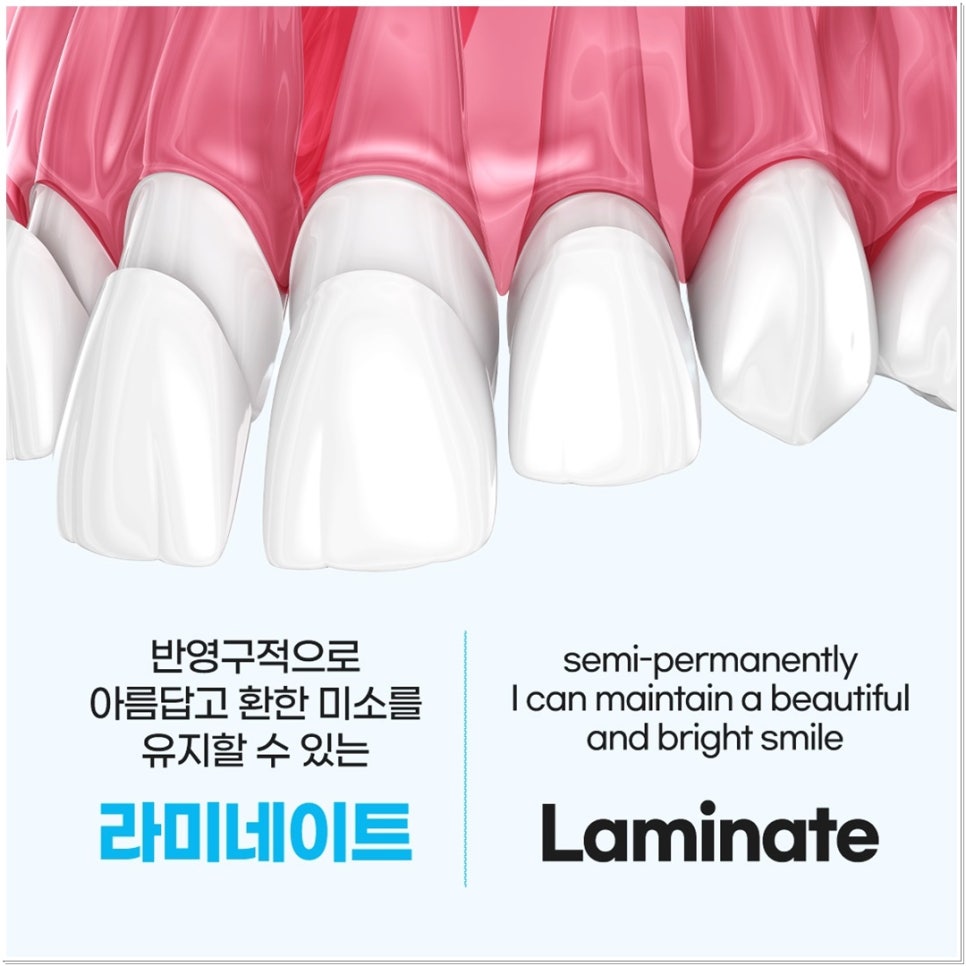
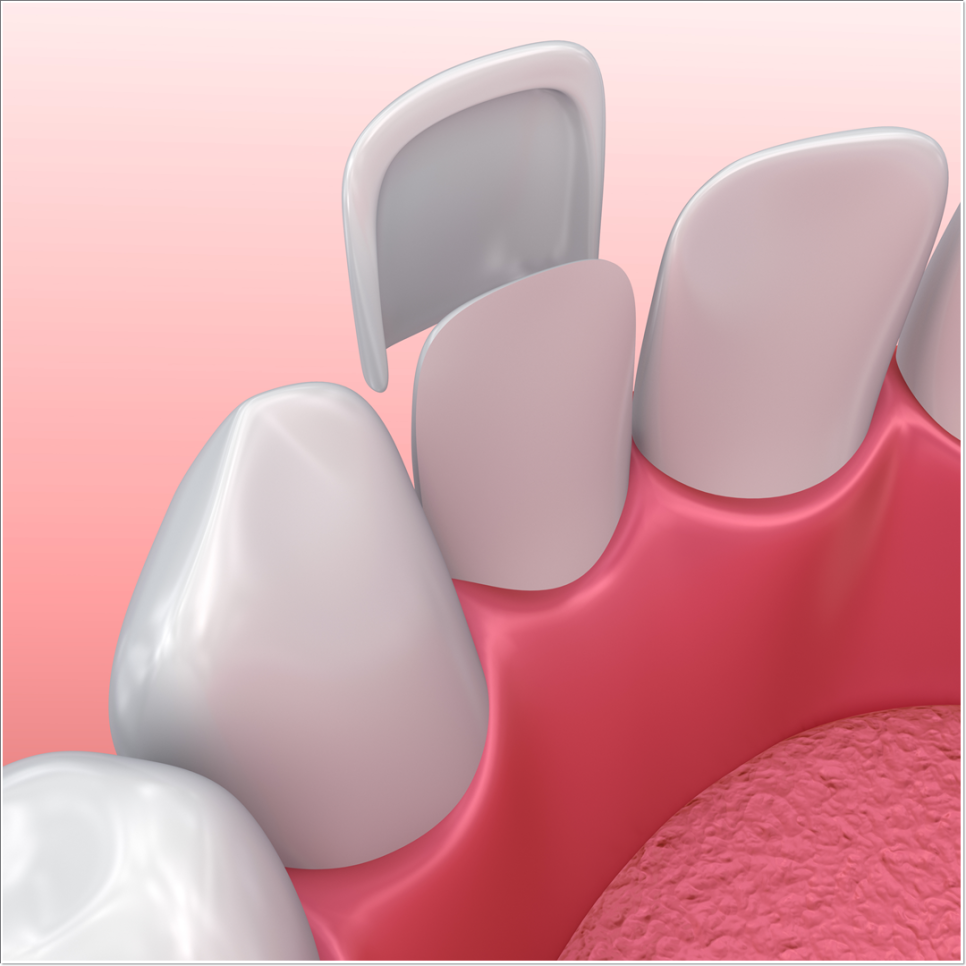
Veneer treatment followed a systematic process. Let’s take a look at each step together with the dental clinic in Euljiro^^
- Consultation and Diagnosis
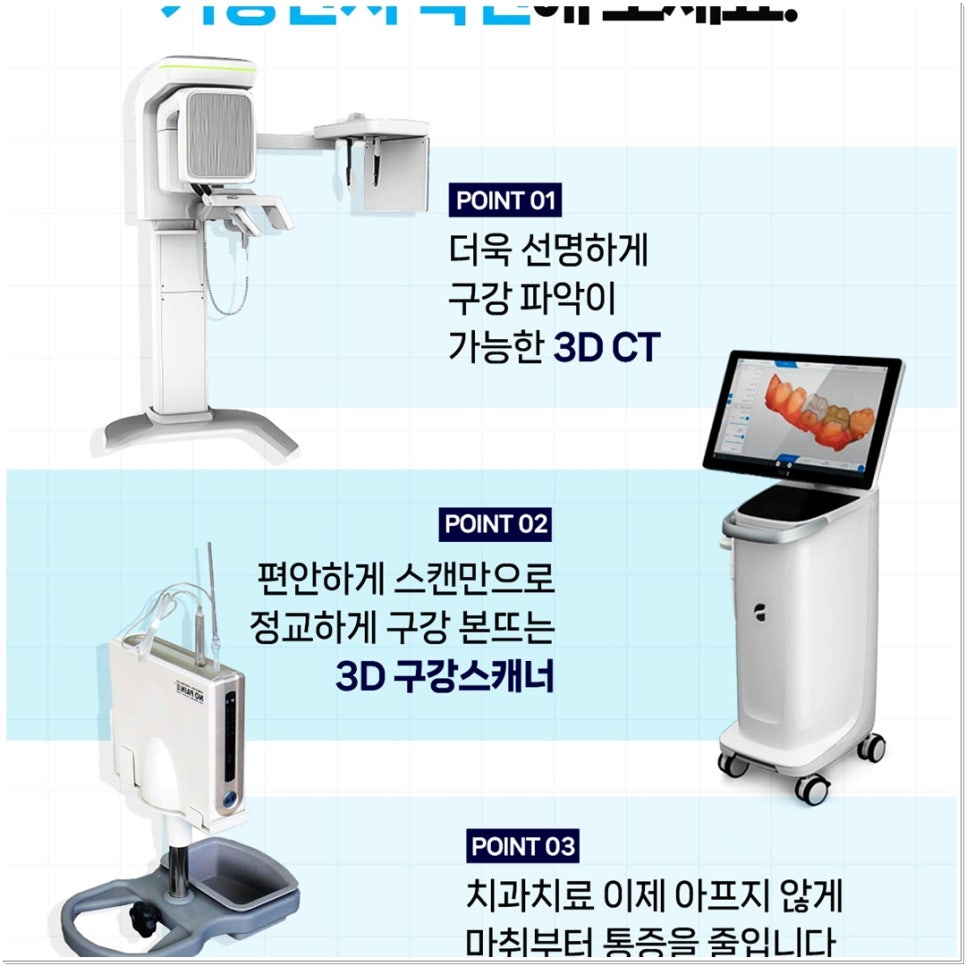
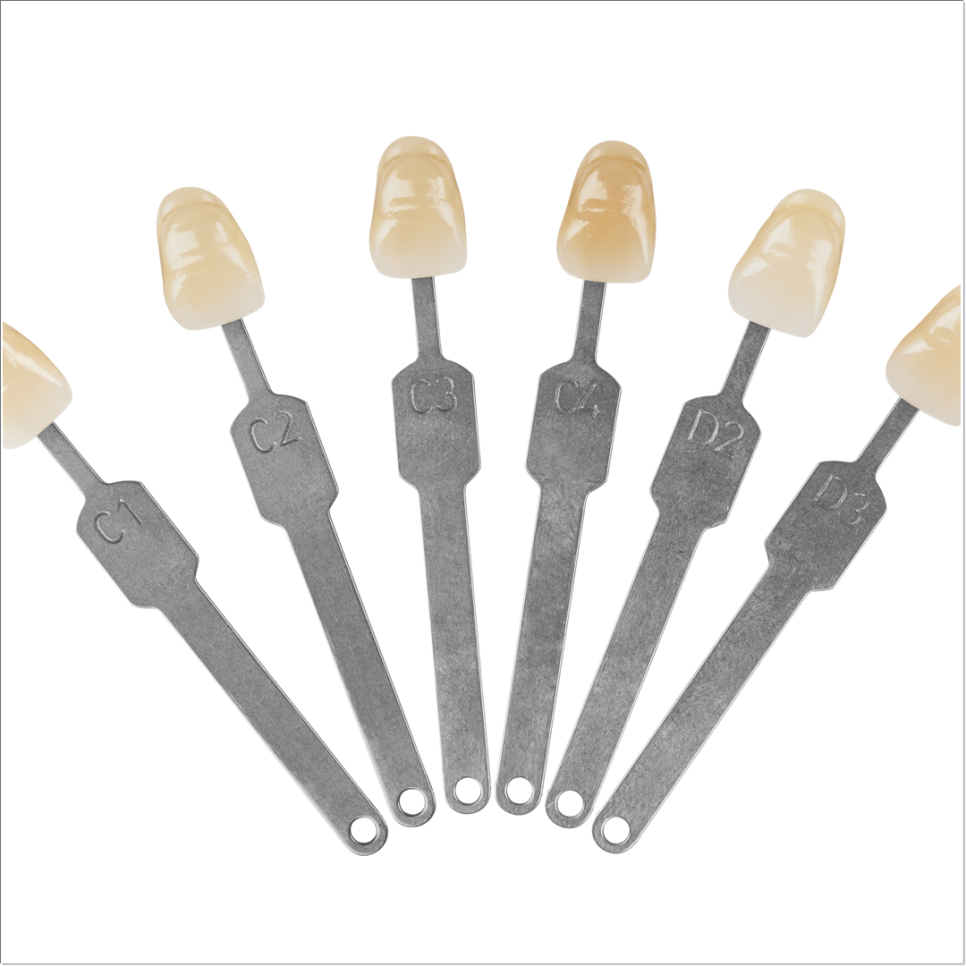
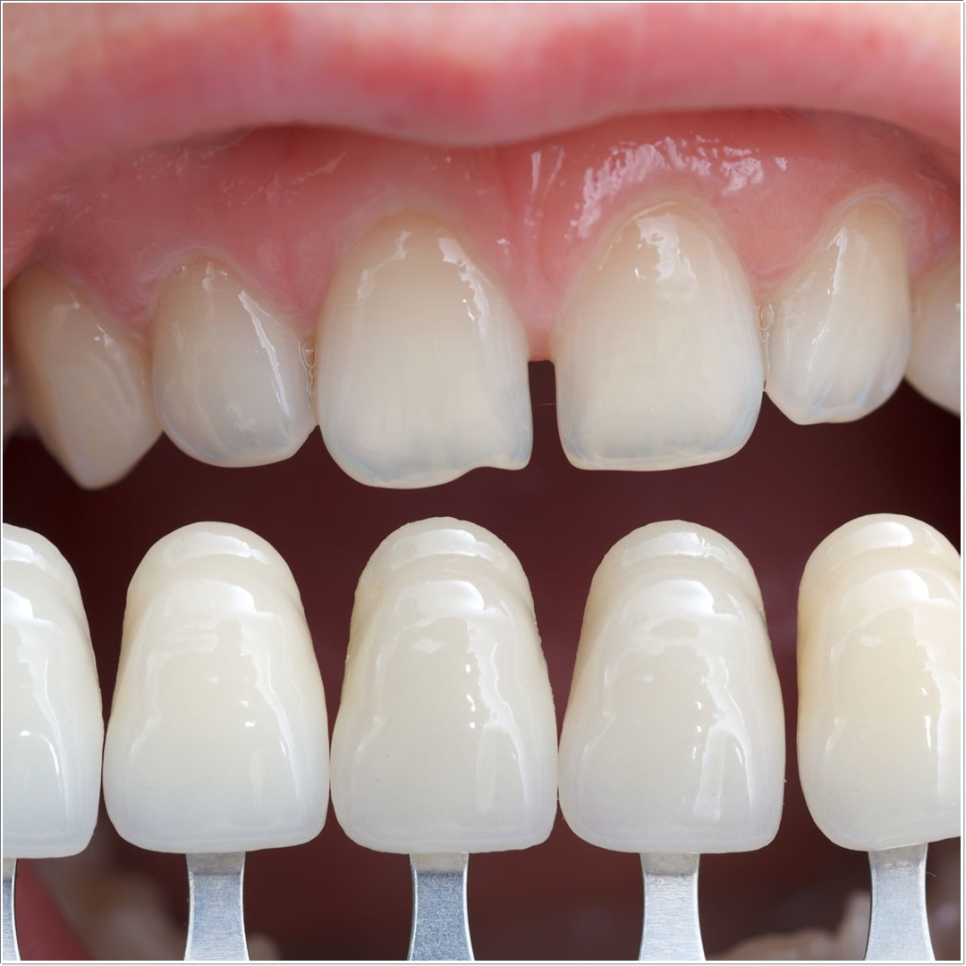
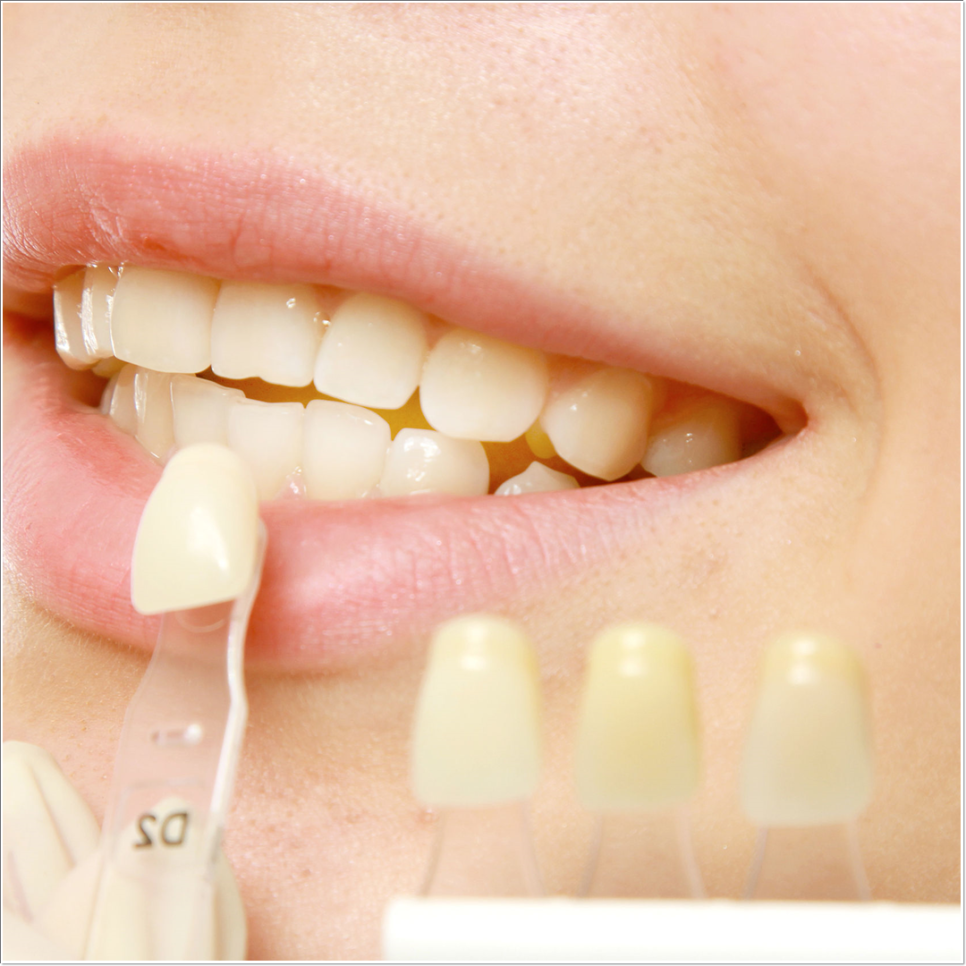
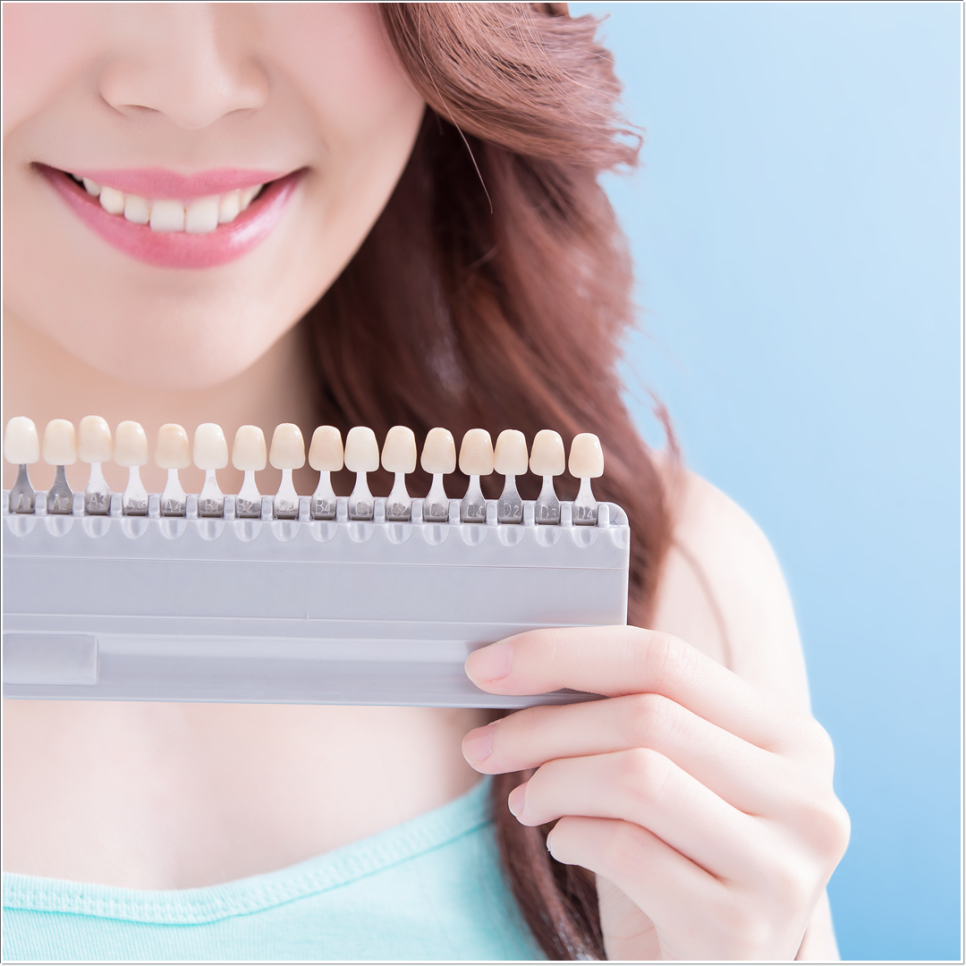
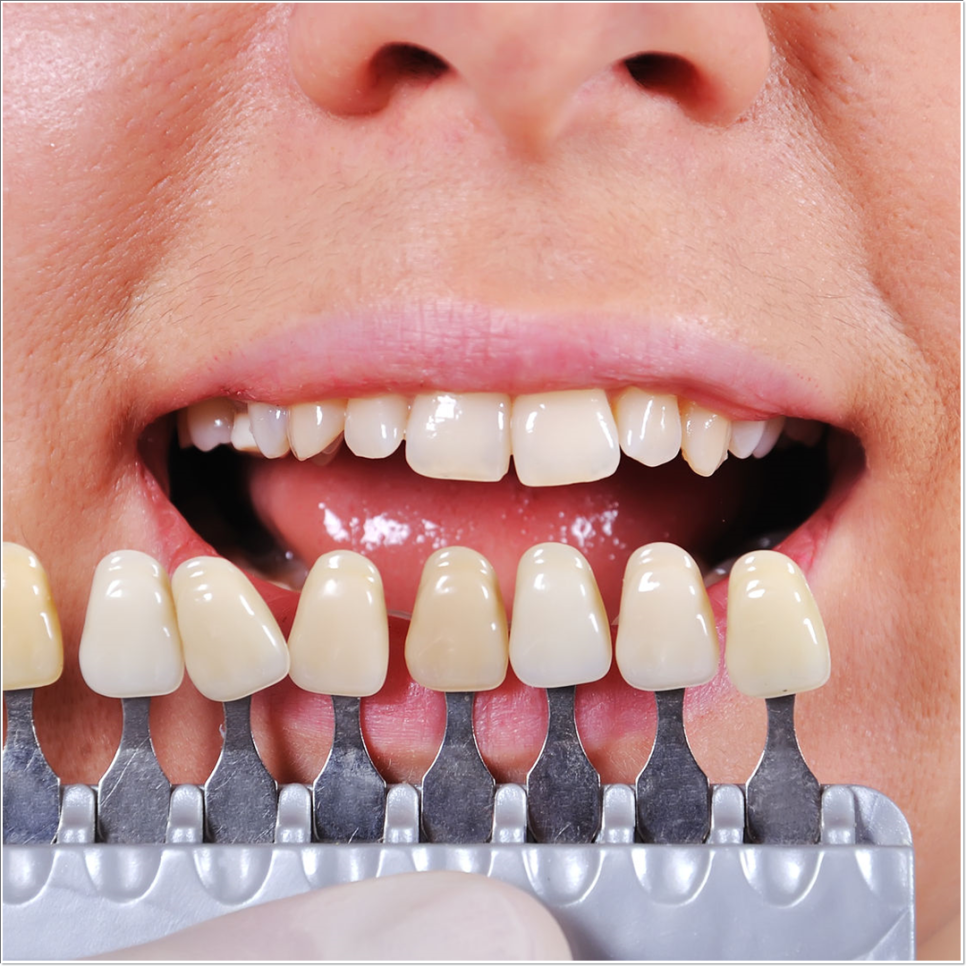
First, the patient’s dental condition was analyzed precisely with a 3D scan. The color, shape, and alignment of the teeth were identified, and the optimal tooth shade was selected while considering the patient’s facial shape and skin tone. A notable feature of this process was that the patient’s occupation and lifestyle pattern were also taken into account.
- Tooth Preparation
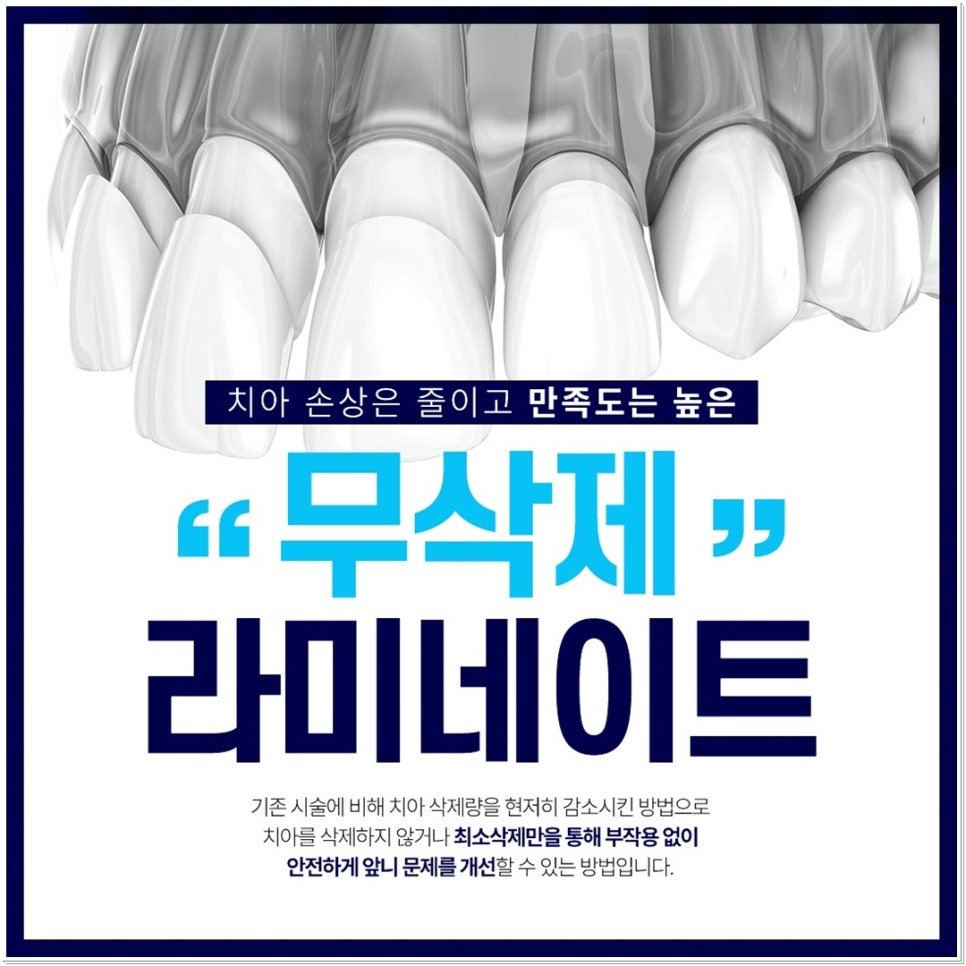
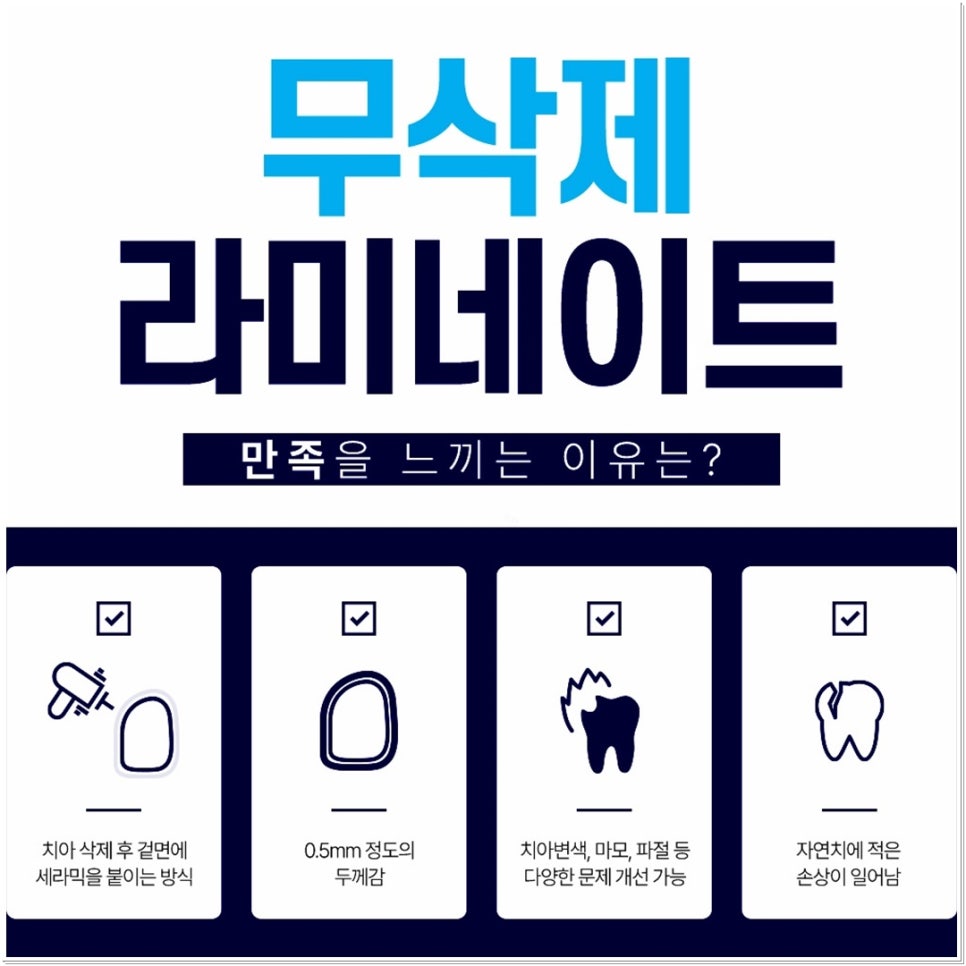
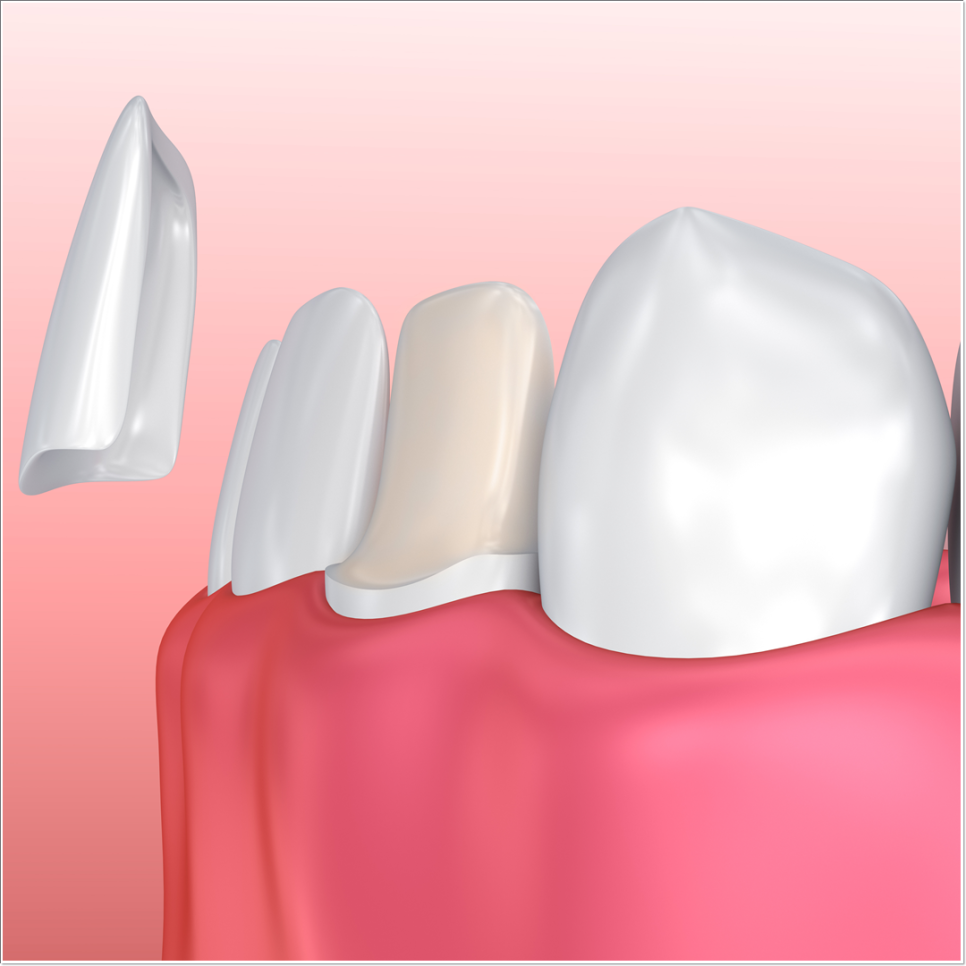
Only the minimum necessary amount of tooth reduction was performed. On average, only about 0.3–0.5 mm was removed, which reportedly greatly reduced patients’ anxiety. One patient even said, "I felt reassured to find out that much less would be removed than I expected."
- Temporary Veneer Placement
Temporary veneers were attached during the period when the final veneers were being made. During this time, patients could experience their changed appearance in advance and feel excited about the results.
- Final Veneer Placement
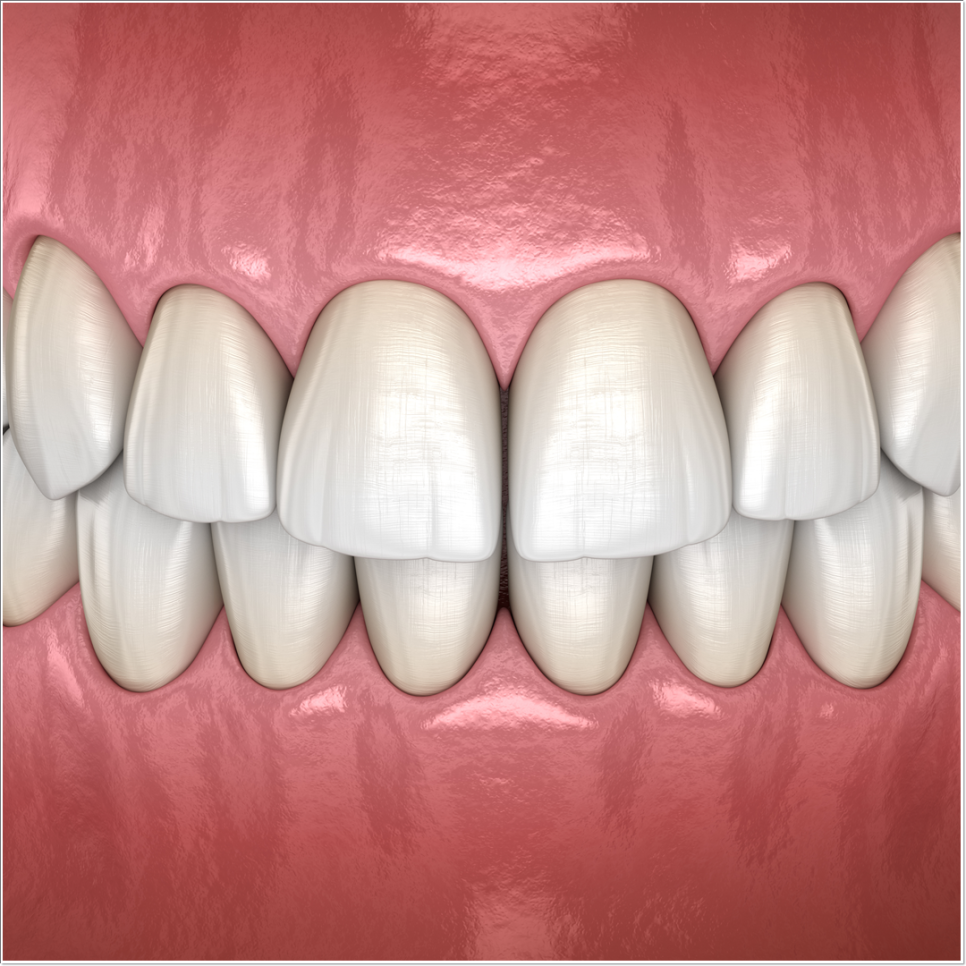
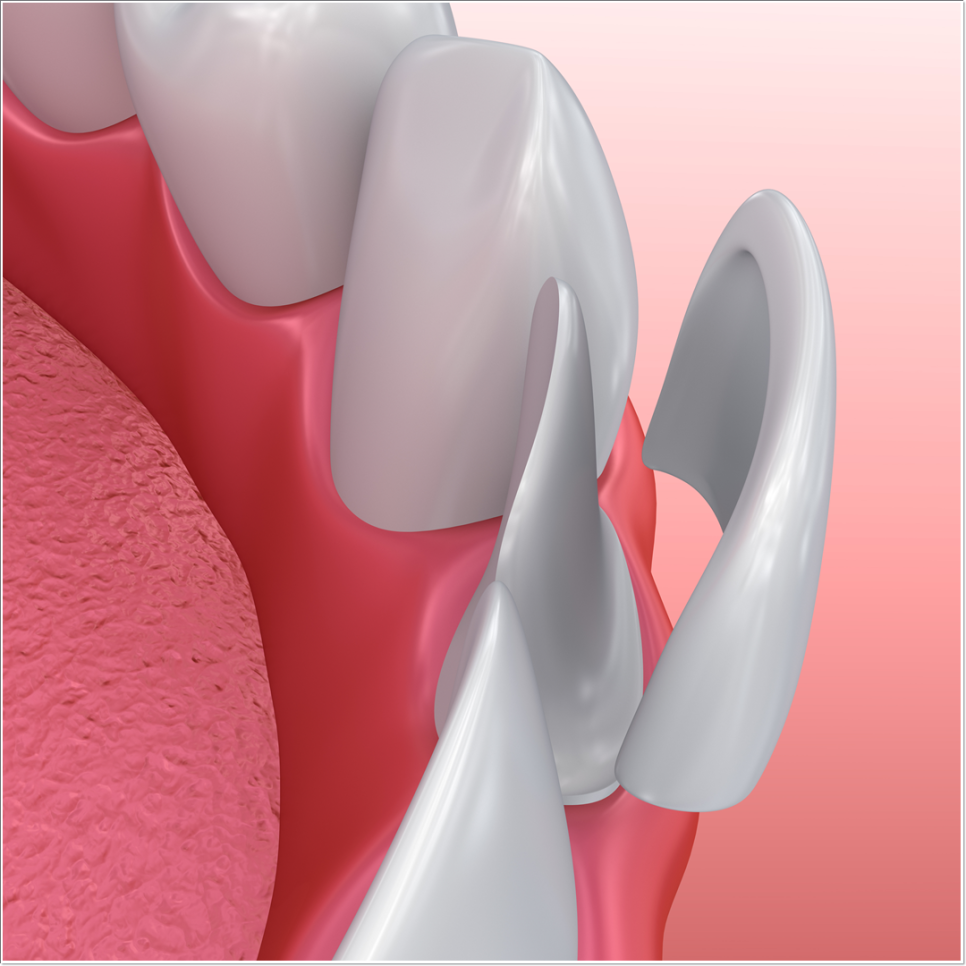
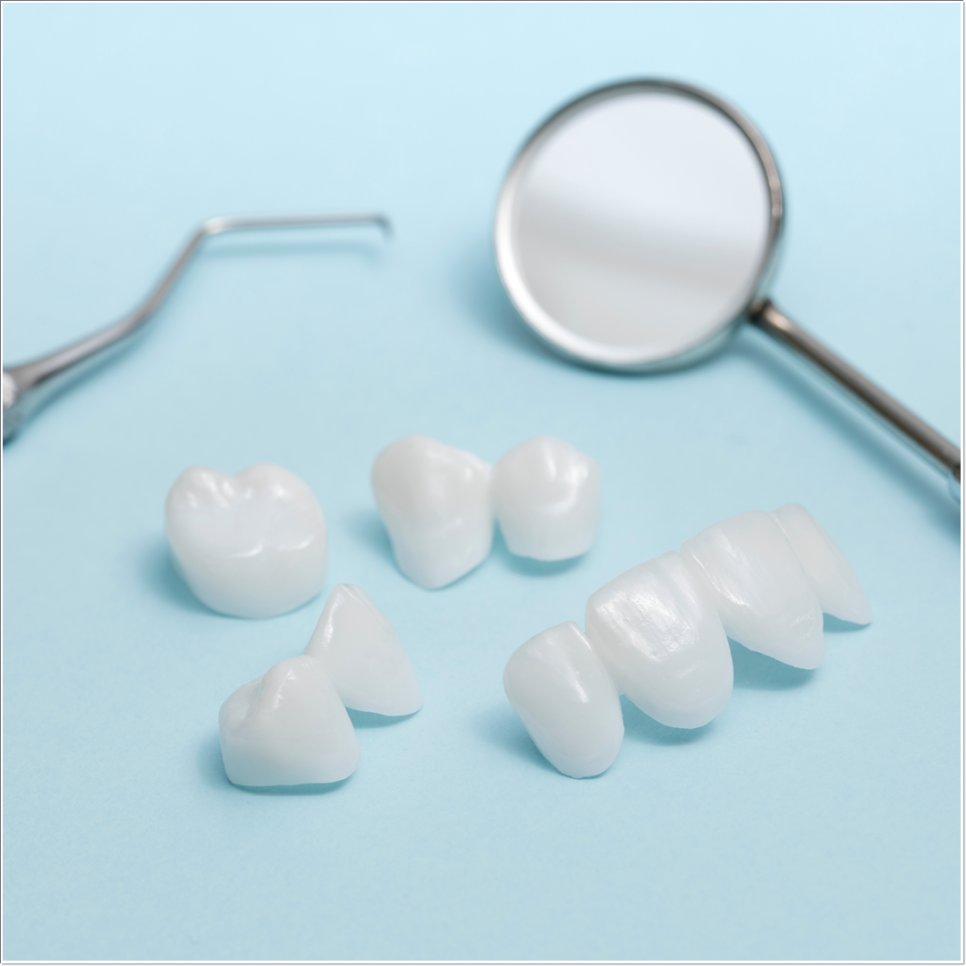
The custom-made ceramic veneers were bonded with a special adhesive. After bite adjustment and finishing, a natural-looking result was completed.
A New Smile, a Changed Everyday Life
After veneer treatment, patients’ lives changed noticeably. One marketing professional who received treatment said, "I’m now able to give presentations confidently in client meetings," and reported a positive change in work performance. Another patient shared a small but meaningful daily change, saying, "I’m no longer afraid to post smiling photos on social media." For office workers in Euljiro who had many face-to-face duties, these changes seemed especially meaningful.
88% of patients who received veneer treatment said their confidence improved after treatment, and 92% reported positive changes in interpersonal relationships. This was the result of not just an aesthetic improvement, but an improvement in quality of life.
Veneer Care and Long-Term Effects
The average lifespan of veneers was said to be 10–15 years. However, in some cases, they could last more than 20 years with proper care. The dental clinic in Euljiro provided the following care guidelines after treatment:
-
Use dental floss and receive regular scaling
-
Avoid hard or chewy foods
-
Wear a protective device if you have a habit of grinding your teeth at night
-
Have regular checkups every 6 months
In particular, office workers who enjoyed coffee were advised to use a straw, and patients were told to avoid staining foods for 48 hours after treatment.
Frequently Asked Questions
Q: How long do veneers last?
A: Depending on how they are cared for, they could last 10–20 years. Regular checkups and proper care were important.
Q: How much of the natural tooth is removed?
A: Generally, only about 0.3–0.5 mm was removed. This amount was less than 20% of the tooth enamel.
Q: Are there any food restrictions after veneers?
A: Staining foods should be avoided for the first 48 hours, and after that, only overly hard foods needed to be avoided.
Q: How long does the procedure take?
A: From diagnosis to completion, it took about 1–2 weeks over 2–3 visits.
Q: How much does it cost?
A: It varied depending on the condition and number of teeth, but considering the long-term lifespan, satisfaction with the cost was said to be high.

Patients who received veneer treatment did not simply gain whiter teeth; they regained the confidence and bright smile they had lost. While the treatment results varied from person to person, most patients shared the common story of opening a new chapter in life. They no longer covered their mouths with their hands, and they were able to smile naturally in front of the camera. This became a driving force that allowed them to live more actively in the lively downtown setting of Euljiro.
So, how did you find the veneer story shared by the dental clinic in Euljiro? Was it helpful? We’ll be here to help protect your bright smile :) Have a great day today as well~~
Previous image
Next image
Previous image
Next image