Hello!
Gangnam Leong Dental Clinic is busy with wisdom tooth extractions even at the end of the year😊
We are truly grateful that so many people continue to visit our clinic for wisdom tooth extractions.
In fact, in most cases where there are no special issues, the extraction is completed quickly.
What matters most is patients’
post-extraction recovery care.
Care after the extraction affects the speed of recovery and the level of pain.
Today, from immediately after wisdom tooth extraction
through one week and up to one month,
we will look step by step at
what the process is like
and how to take care of it well,
including changes by stage and care methods!
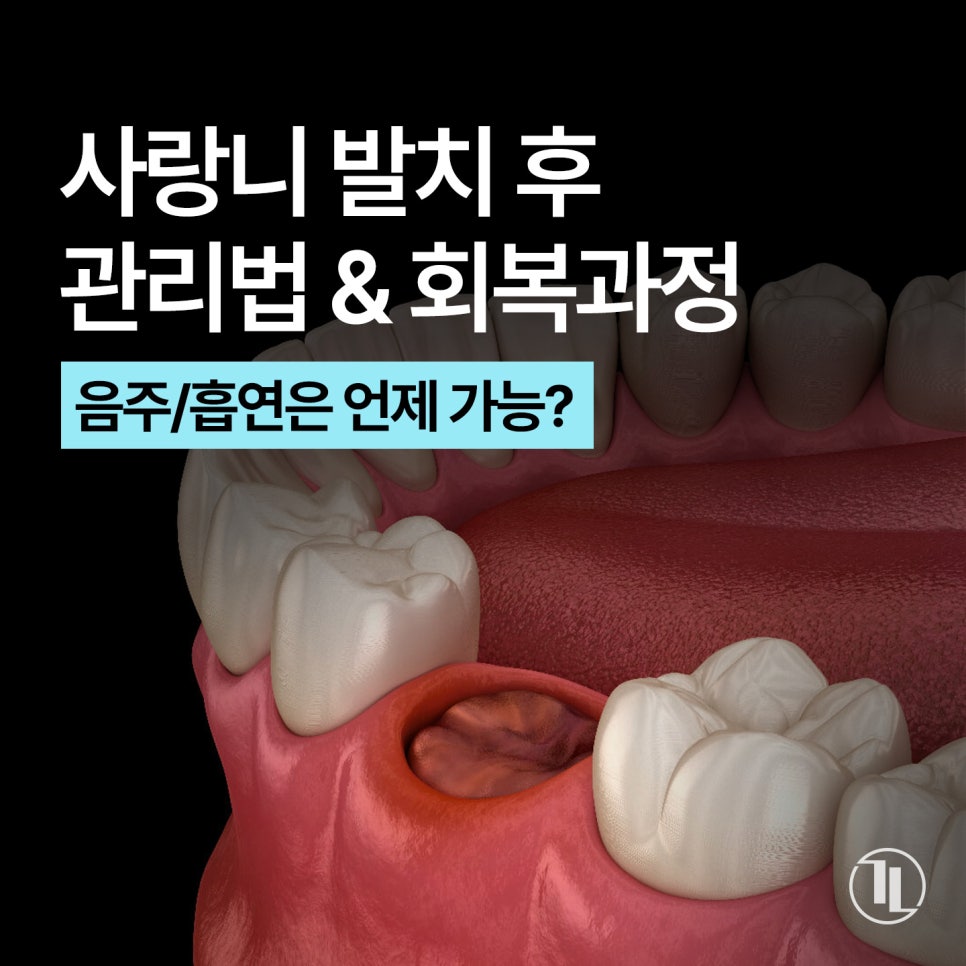
Care and recovery process by stage after extraction
🕒 Immediately after extraction (~2 hours)
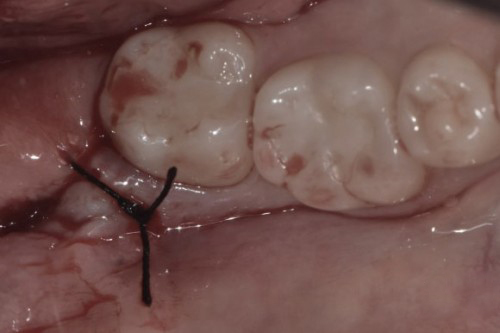
Right after having a wisdom tooth removed,
the most important thing is stopping the bleeding.
The gauze placed by the clinic should be kept in place for at least 2 hours.
Even after removing the gauze after 2 hours,
a small amount of bleeding or oozing is one of the normal recovery processes,
and at this time, it is better not to spit out blood
or rinse your mouth forcefully,
but to swallow it as it is.
🛑 If the bleeding continues heavily,
please call or visit the clinic.
⚡Summary⚡
Important point: stopping the bleeding
① Keep the gauze in your mouth for 2 hours
② Do not spit out blood/saliva; swallow it instead
③ Do not use a straw
🕒 Up to 24 hours after extraction
After basic hemostasis, a scab forms over the wound.
This scab is called a 'blood clot'
and acts as a protective barrier that helps the wound heal.
For recovery to proceed smoothly,
this blood clot must stay in place without falling off.
Therefore, to prevent the clot from coming off,
you should avoid actions that create pressure in the mouth,
such as spitting, using a straw, and smoking.
🛑 If this blood clot falls off,
symptoms of 'dry socket' can occur,
including severe pain and a foul odor.
⚡Summary⚡
Important point: scab (blood clot)
① Do not spit out blood/saliva; swallow it instead
② Do not use a straw
③ Do not smoke/drink alcohol
④ Eat soft, lukewarm food
⑤ Do not exercise excessively
⑥ Do not use hot packs/saunas
🕒 2–3 days after extraction
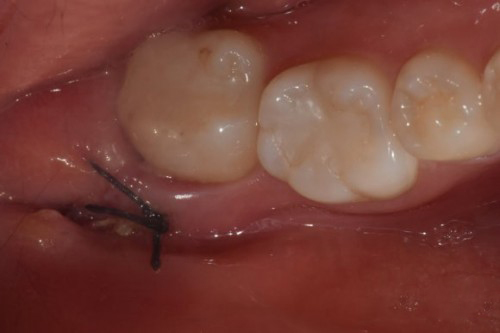
During this period, swelling and pain are felt most strongly.
In particular, swelling peaks between 48 and 72 hours,
so there is no need to be surprised.
At this time, use an ice pack for cold compresses
to reduce swelling,
and from day 3, switch to warm compresses
to help blood circulation.
🛑 However, if the pain continues to get worse
or you notice a foul odor,
you should suspect 'dry socket.'
In that case, visit the clinic immediately.
⚡Summary⚡
Important point: pain and swelling
① Use ice packs to reduce swelling
② From day 3, use warm compresses
③ Do not smoke/drink alcohol
④ Eat soft, lukewarm food
⑤ Do not exercise excessively
⑥ Do not use hot packs/saunas
🕒 4–7 days after extraction
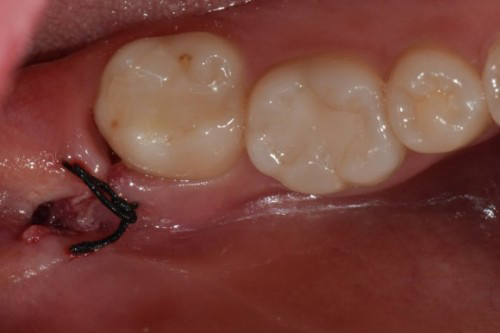
This is the period when pain and swelling gradually decrease.
You may slowly begin eating regular meals,
but it is best to avoid spicy, hard, and chewy foods as much as possible.
It is also best to avoid strenuous exercise, saunas, smoking, and alcohol
for at least one week.
⚡Summary⚡
① Start eating regular meals that are not刺激ive
② Do not smoke/drink alcohol
③ Do not exercise excessively
④ Do not use hot packs/saunas
🕒 1–2 weeks after extraction
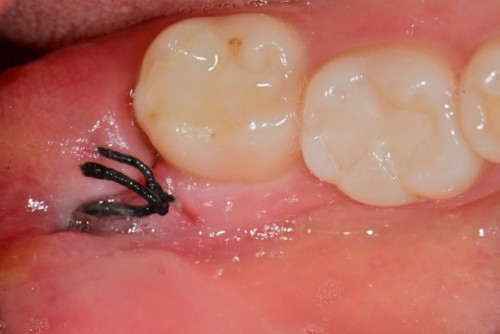
Usually, about one week after the extraction,
you should visit the clinic to have the stitches removed and the area disinfected.
After the stitches are removed, there is almost no pain,
and normal meals and brushing your teeth are also possible.
However, since time is still needed for the gum tissue to fill in at the extraction site,
you should manage the area so that food does not get stuck there.
🛑 If food gets stuck,
do not try to remove it yourself with tools
or rinse vigorously.
Instead, gently rinse with water,
and if it still does not come out,
visit the clinic to have the food removed and receive disinfection.
⚡Summary⚡
Important point: stitch removal
① Visit the clinic for stitch removal/disinfection
② Start eating regular meals
③ Brush gently
🕒 One month after extraction
After about a month,
gum tissue has filled in significantly,
and any remaining discomfort is almost gone.
If there is no pain, odor, or bleeding,
recovery is considered complete.
Q&A on care after wisdom tooth extraction
📌 When can I smoke or drink alcohol?
It is best to avoid drinking alcohol and smoking
for at least one week after extraction.
Alcohol causes blood vessels to expand,
which interferes with stopping the bleeding
and can make the protective blood clot come off.
Smoking dries out the mouth
and interferes with blood circulation,
which makes it harder for a normal blood clot to form.
📌 When can I exercise?
You also need to be careful with exercise after extraction.
Exercise, saunas, and hot baths
increase blood flow and interfere with hemostasis,
so they can cause bleeding even after bleeding has stopped.
Therefore, it is best to avoid them for at least 3–5 days.
📌 How long will the swelling last?
It varies from person to person, but in some cases it may take
up to 1–2 weeks for it to go down naturally.
Using an ice pack helps constrict blood vessels and reduce inflammation,
which can help reduce swelling and pain.
📌 How should I brush my teeth?
Brush your teeth as usual,
but be careful around the extraction site.
Rinse with water so that food does not get stuck in the extraction area,
but if food gets stuck and does not come out,
do not try to remove it with tools or strong gargling.
Visit the clinic to have it removed.
Mild pain and a small amount of bleeding after extraction
are normal signs of recovery.
If you take all the prescribed medication
and follow the precautions,
recovery will usually proceed smoothly.
However, if severe pain continues even after 3 days
or you develop a strong bad breath odor,
and action is needed,
you should visit the clinic.
If you have any other questions about wisdom tooth extraction,
please leave a comment!



 Previous image
Next image
Previous image
Next image