Hello, this is Gangnam Leon Dental Clinic 😊
If your teeth feel sharp and sensitive when you drink cold water, or if they look longer than before when you look in the mirror, you may have gum recession.
Gum recession refers to a condition in which the gums that surround the teeth gradually recede, exposing the tooth roots.
Beyond being a cosmetic concern, it can cause tooth sensitivity, root caries, and cervical abrasion. In severe cases, it may also affect the long-term health of the teeth, so it is important to identify the cause early and manage it appropriately.
Today, we will take a detailed look at the causes of receding gums, when gum grafting may be needed, the treatment process, ways to prevent gum recession, and frequently asked questions.
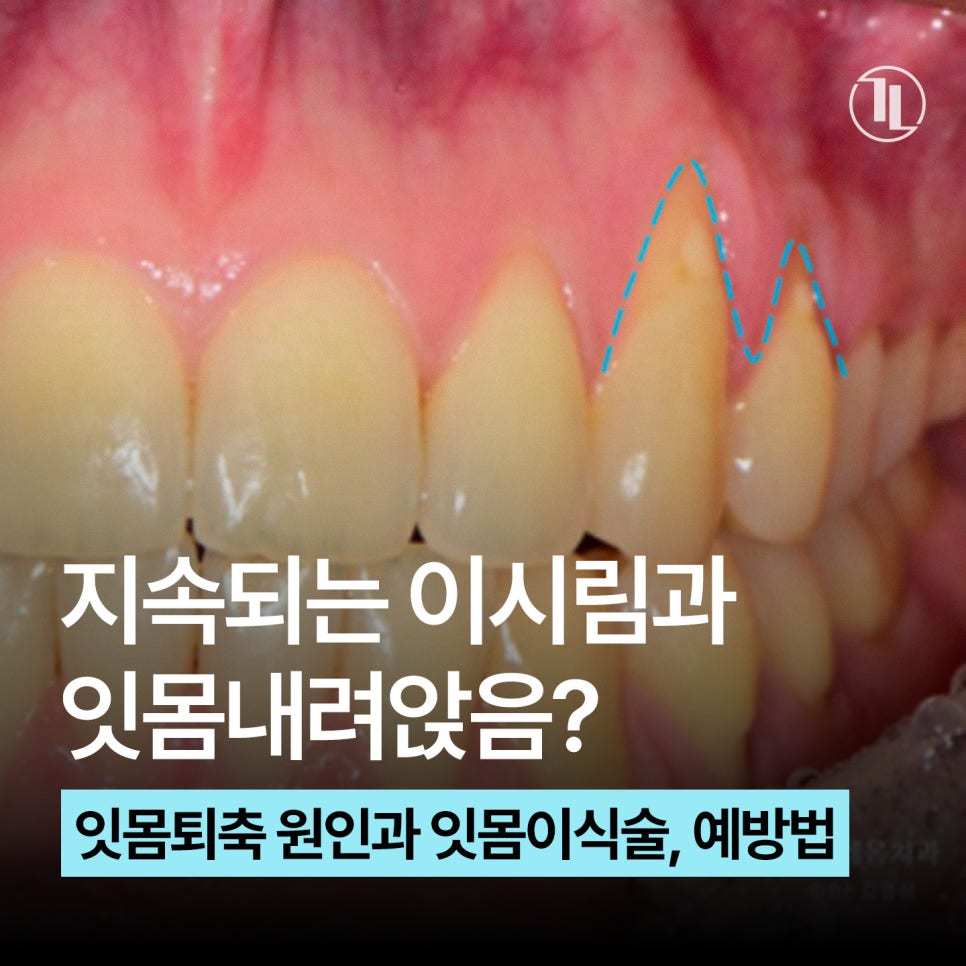
Receding Gums and Tooth Sensitivity, Gum Recession
Receding Gums
: What Is Gum Recession?
As mentioned above, gum recession is the gradual movement of the gums toward the tooth roots, exposing the roots that were originally covered by the gums.
Healthy gums protect the tooth roots and shield the teeth from external stimuli.
However, when the gums recede, the tooth roots become exposed, which can make the teeth easily sensitive to cold foods and even toothbrushing.
The teeth may also look longer than they actually are, causing many people cosmetic concerns.
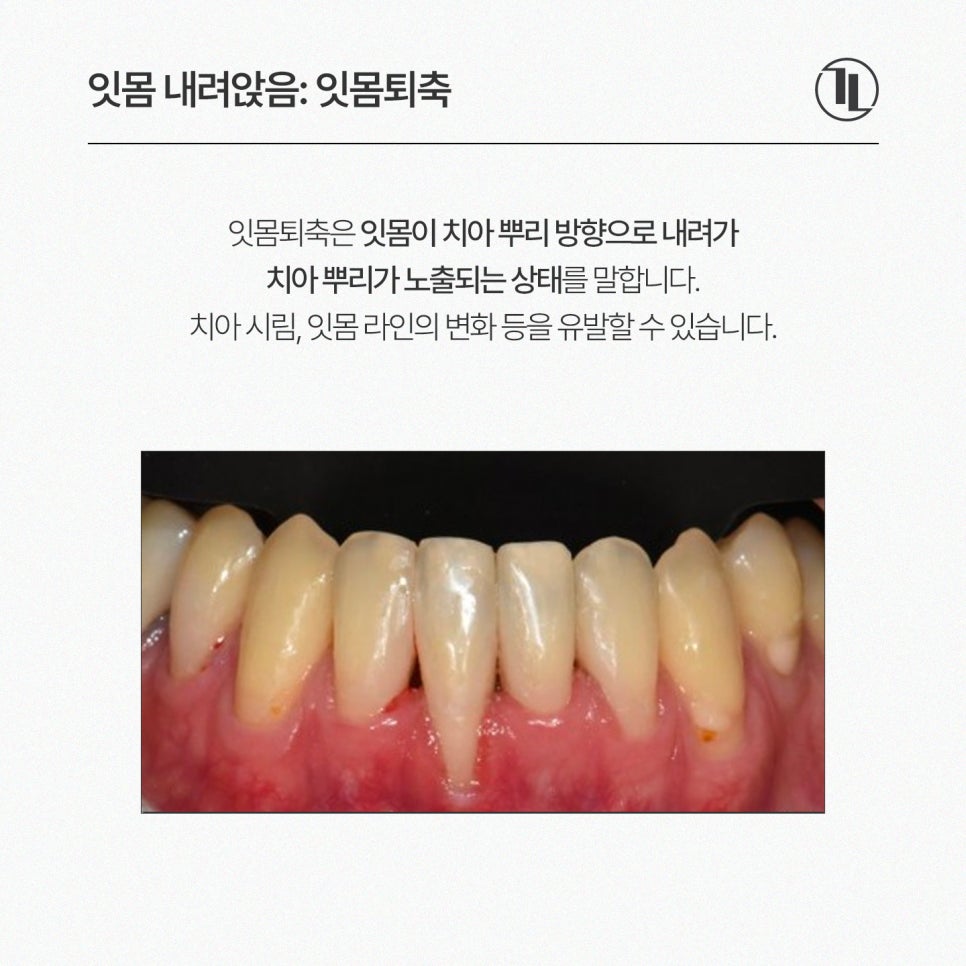
Receding Gums and Tooth Sensitivity, Gum Recession
Causes of Gum Recession
Receding gums can occur for a variety of reasons, and the treatment and management methods may differ depending on the cause.
✅ Periodontal disease
This is the most common cause.
As periodontitis, an inflammatory disease of the gums, progresses, the gums and the supporting bone can become damaged together, causing the gums to gradually recede.
If bleeding or swelling of the gums occurs repeatedly, it is advisable to first check for periodontal disease.
✅ Incorrect toothbrushing
Brushing forcefully from side to side or using excessive pressure can continuously irritate the gums.
When this habit continues for a long time, the gums may become damaged and gradually recede, and cervical abrasion may also develop.
✅ Teeth grinding and clenching
Strong biting forces can place stress not only on the teeth but also on the gums.
In particular, people who grind their teeth during sleep or habitually clench them tightly may repeatedly place force on the tissues surrounding the teeth, increasing the likelihood of developing gum recession.
✅ Thin gums
People who naturally have thin gums may experience gum recession even from minor irritation.
In such cases, extra care should be taken with toothbrushing technique and oral hygiene.
✅ Orthodontic treatment
During tooth movement, gum recession may occur in some patients whose gums are thin or whose alveolar bone is narrow.
Therefore, it is advisable to check the condition of the gums before and after orthodontic treatment.
✅ Aging
As aging progresses, the elasticity of the gum tissue and its ability to heal from irritation decrease, which can cause the gums to recede naturally.
✅ Smoking
Smoking reduces blood flow to the gums and interferes with healing, making it a major factor that increases the risk of periodontal disease and gum recession.
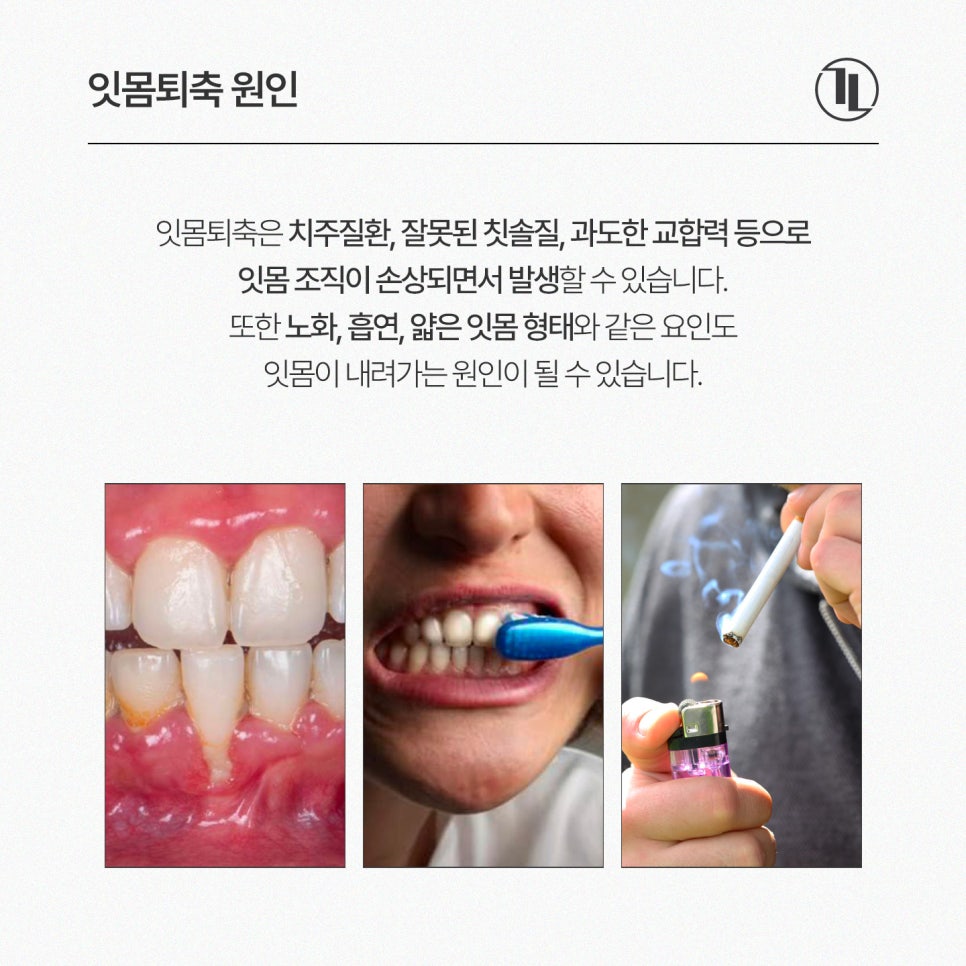
Receding Gums and Tooth Sensitivity, Gum Recession
✋ Question ✋
Are gum recession and periodontitis different?
Gum recession is a symptom or condition, whereas periodontitis is an inflammatory disease affecting the gums and alveolar bone.
Gum recession can occur as a result of periodontitis, but it may also develop without periodontitis due to factors mentioned above, such as forceful toothbrushing or strong biting forces.
Gum Recession and Cervical Abrasion
Both gum recession and cervical abrasion occur around the gumline. Because they can make the teeth appear to have exposed roots and share some causes and symptoms of sensitivity, they are often perceived as similar.
However, gum recession is a problem involving the gums that occurs when the gums recede, while cervical abrasion is a problem involving the teeth that occurs when the tooth surface wears away. Therefore, the treatment methods may differ.
| Gum recession | Category | Cervical abrasion |
|---|
| Gums | Area affected | Teeth (the gumline where the crown and root meet) |
| Periodontal disease, thin gums, forceful toothbrushing, biting forces | Causes | Forceful toothbrushing, teeth grinding and clenching, tooth wear |
| Tooth sensitivity, teeth appearing longer, exposed tooth roots | Main symptoms | Tooth sensitivity, V-shaped notches at the necks of the teeth |
| Periodontal treatment, composite resin, gum grafting | Treatment | Composite resin restoration, lifestyle changes |
👉 In actual clinical practice, however, gum recession and cervical abrasion commonly occur together.
As the gums recede, the tooth roots become exposed while the cervical area may wear away at the same time, potentially making sensitivity more severe.
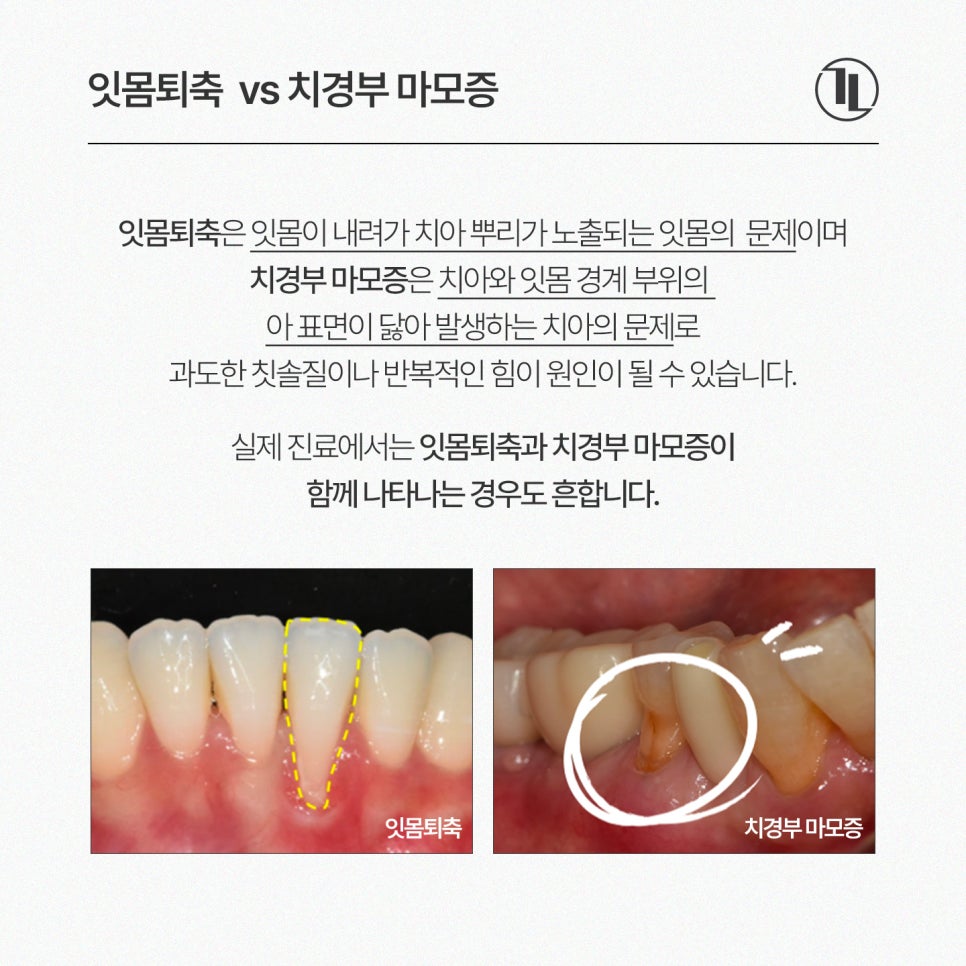
Receding Gums and Tooth Sensitivity, Gum Recession
Treatment for Gum Recession
Treatment for gum recession varies depending on the cause and the extent of progression.
| Applicable situation | Treatment method | Purpose |
|---|
| Early gum recession | Instruction on proper toothbrushing | Prevent further progression |
| Accompanying periodontal disease | Scaling and periodontal treatment | Remove inflammation |
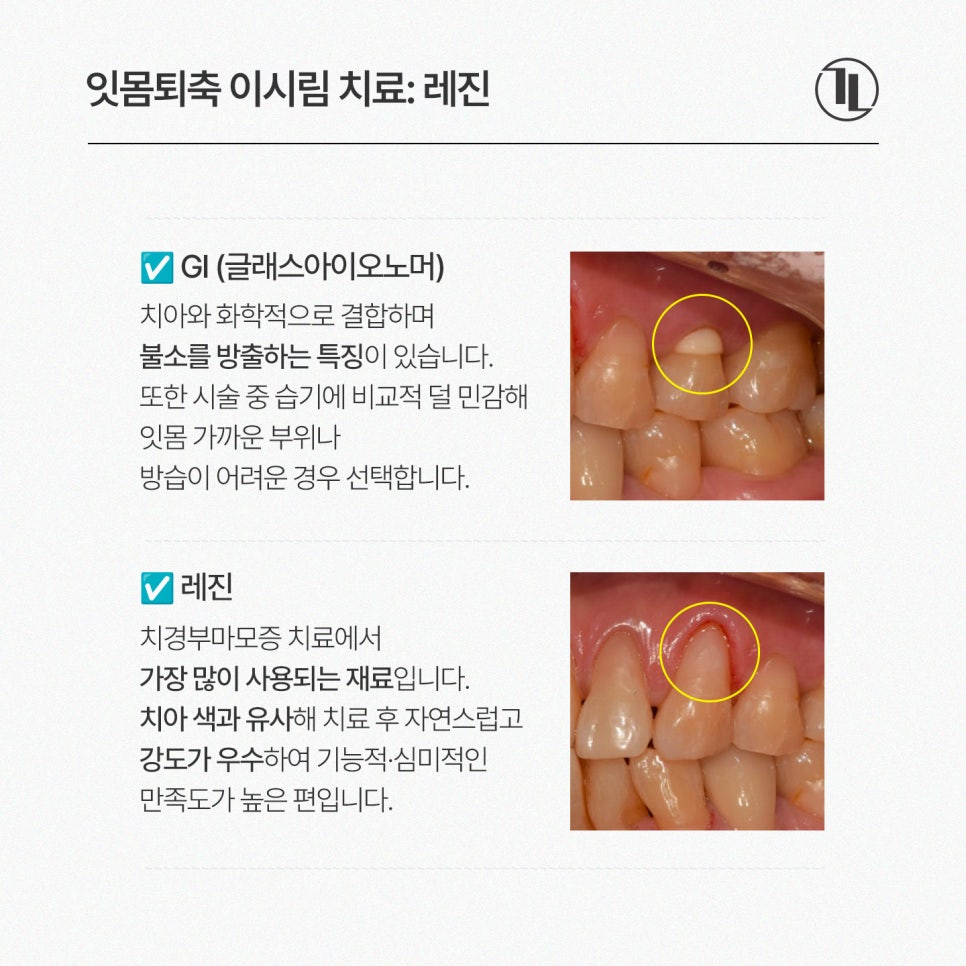
| Accompanying cervical abrasion and sensitivity | Composite resin restoration | Protect the exposed area and relieve symptoms |
| Teeth grinding and clenching | Night guard | Control biting forces |
| Severe root exposure or need for cosmetic improvement | Gum grafting | Cover the exposed roots and protect the gums |
🩺 When Is Composite Resin Treatment Needed?
When sensitivity is severe, composite resin can be used to protect the exposed area and help relieve symptoms.
Whether treatment is needed is determined after comprehensively evaluating the condition of the teeth and the severity of the symptoms.
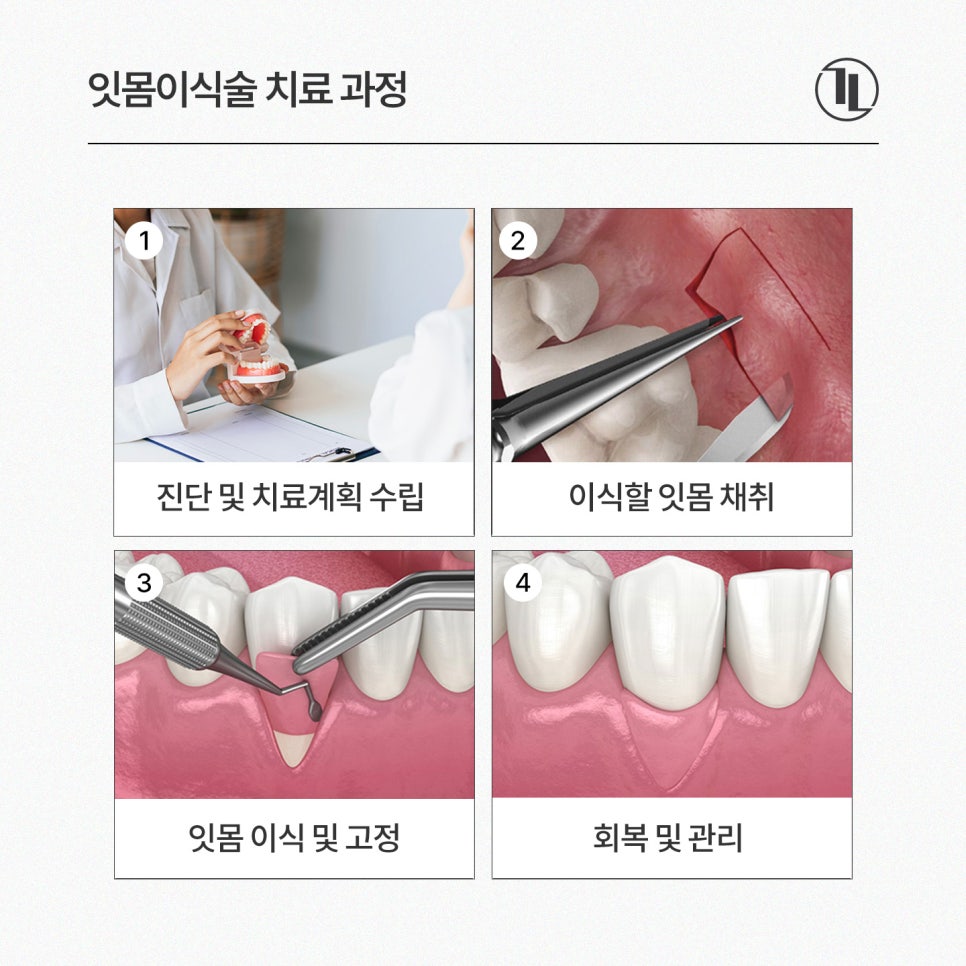
🩺 When Is Gum Grafting Needed?
: Gum Grafting Procedure
Gum grafting may be considered in the following cases.
✔️ Severe tooth root exposure
✔️ The front teeth require cosmetic improvement
✔️ Persistent sensitivity
Receding Gums and Tooth Sensitivity, Gum Recession
👉 Not every case of gum recession is eligible for gum grafting, so it is important to establish a treatment plan after an accurate diagnosis.
How to Prevent Gum Recession
The progression of gum recession can be slowed by improving lifestyle habits.
In particular, regular dental checkups are very important for preventing periodontal disease, one of the main causes. Consistent self-care through proper toothbrushing habits is also necessary.
✔️ Regular scaling and dental checkups
✔️ Early treatment of periodontal disease
✔️ Using a soft toothbrush and brushing correctly
✔️ Managing teeth grinding and clenching
Gum Recession FAQ
✋ If my gums recede, can they not recover?
Once the gums have receded, they are unlikely to return to their original condition naturally.
However, addressing the cause may help prevent further progression.
✋ If my teeth are sensitive, is gum recession always the cause?
No.
Sensitivity can also result from various causes, such as cervical abrasion, cavities, and cracked teeth, so an accurate diagnosis is needed.
✋ Can gum recession occur after orthodontic treatment?
In some patients, gum recession may occur during orthodontic treatment when the gums are thin or the alveolar bone is insufficient.
We recommend checking the condition of the gums before and after orthodontic treatment and proceeding accordingly.
Receding gums are more than a cosmetic issue that simply makes the teeth look longer. They are a problematic symptom that may be closely associated with tooth sensitivity, exposed tooth roots, cervical abrasion, and periodontal disease.
Because symptoms may be mild at first, the condition is easy to overlook. However, identifying the cause and combining appropriate treatment with lifestyle changes may help slow its progression and maintain healthy-looking gums and teeth for longer.
If your teeth look longer than before or you repeatedly experience sensitivity to cold foods, do not rely solely on self-diagnosis. Visit a dentist for an accurate examination and develop a treatment plan suited to your current condition and its cause.




Previous image
Next image