
Hello.
Be just as beautiful as you need to be!
I’m Mira Lee, CEO and head physician at Banni Skin Clinic.
There’s a webtoon my husband has been enjoying lately.
"Around Forty."
It realistically portrays the life changes and worries that come with turning 40 for an unmarried male protagonist, and he seems especially to relate to the fact that, unlike when he was younger and could easily lose 5 kg just by deciding to, dieting in your 40s is not simply a matter of willpower.


Naver Webtoon, Around Forty
In fact, once you pass your 40s, physical changes begin to occur, such as a decrease in basal metabolic rate, hormonal changes, and increased insulin resistance.
That’s why the old formula of simply “eating less and moving more” no longer works the way it used to.
Because of that, my husband is firm when it comes to middle-aged dieting.
“Don’t assume you’ll be able to lose it. I’m the same.”
I partly agree with this, so when patients ask, “I’ve tried exercising and even a diet menu, but why isn’t it working for me?” I don’t tell them to just try harder.
Of course, diet and exercise are still important, but if those alone do not solve the problem, getting help from modern medicine is also one option.
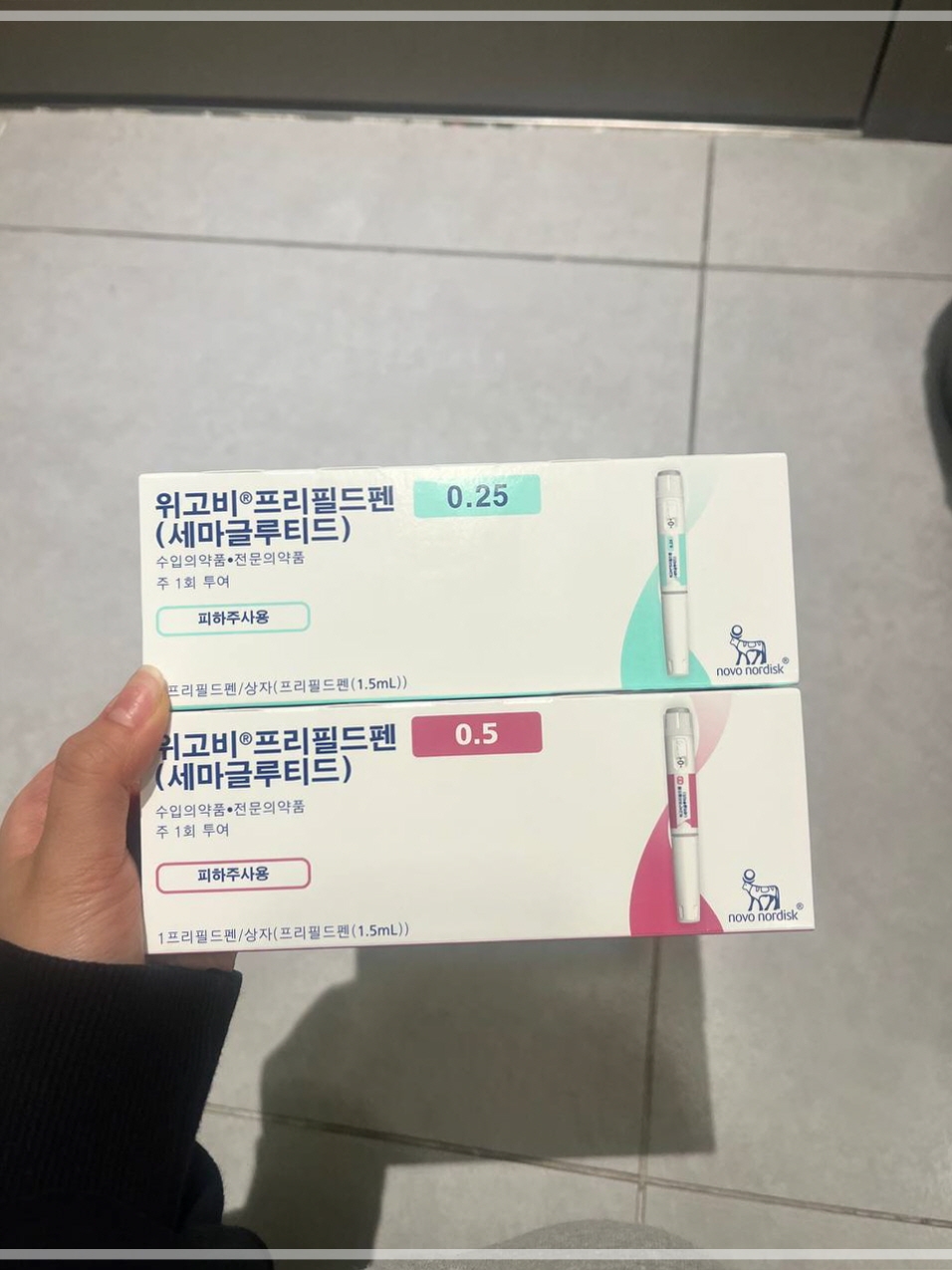
And my husband has also lost about 10 kg in 2.5 months with the help of Wegovy (10 doses once a week, without any separate management).
Now then, even though Wegovy is called a miracle obesity treatment, the problem is that it still cannot prevent yo-yo weight gain. Of course, with Wegovy use, muscle loss is relatively small, but muscle does not stay completely intact either.

At a recent Wegovy conference I attended, people also talked about how weight regain happens if you stop Wegovy.
Like hair loss medication or hyperlipidemia medication, it may need to be continued for life to maintain the effect, and of course that can create a significant financial burden.
(To ease the burden on patients as much as possible, we do provide prescriptions in the 500,000 KRW range, which is among the lowest prices in the Gangnam area, but even that may still feel expensive.)

So my conclusion is this: if you need to lose weight but it is realistically difficult for various reasons, including age, then you can get help from Wegovy—but ideally, you should also manage things in a way that minimizes rebound weight gain.
That said, the key is to set up a strategy that is easy to maintain long term even while working and raising children.
As a family medicine specialist who has focused on obesity treatment, I’ll make this simple and clear: here’s how to minimize yo-yo weight gain.
Wegovy: maintaining the result after weight loss is the key!
Why does the weight come back after stopping Wegovy?

Original https://tv.naver.com/v/61898930
Wegovy is a GLP-1 (Glucagon-Like Peptide-1) receptor agonist, and it works in a way similar to GLP-1, a hormone that regulates appetite in the body. When you inject Wegovy, the appetite-control center in the hypothalamus of the brain is activated, reducing hunger, and the rate of stomach emptying slows down, which keeps you feeling full longer.
What happens when you stop Wegovy? Right. GLP-1 levels return to their original state, and appetite increases again.
Just as hair falls out again when you stop hair loss medication, and cholesterol levels return to their previous levels when you stop hyperlipidemia medication, weight is highly likely to increase again when you stop Wegovy.
In addition, our bodies have a mechanism that tries to maintain weight at a certain level.
Because it recognizes the pre-weight-loss body weight as the “original state,” a physiological response to preserve it—meaning a tendency to return to the previous state—gets activated.
On average, it takes about a year for the body to accept the changed weight as normal after weight loss, so maintaining that new weight for about a year is important.
How should you manage things during and after Wegovy use to minimize yo-yo weight gain?

To prevent rebound weight gain after using Wegovy, it is important to maintain your current weight for about one year after weight loss. This is part of the process of helping your body recognize the new weight as its normal state.
However, if you are working and raising children at the same time, time is limited and fatigue builds up, so it is not easy to keep up with weight management. That is why a strategic approach is needed.
Rather than simply eating less and moving more, the goal is to establish a strategy that can efficiently maintain weight.
The key is to increase muscle mass and prevent blood sugar spikes.
Let’s strategically prevent yo-yo weight gain!
Why is improving muscle strength important?
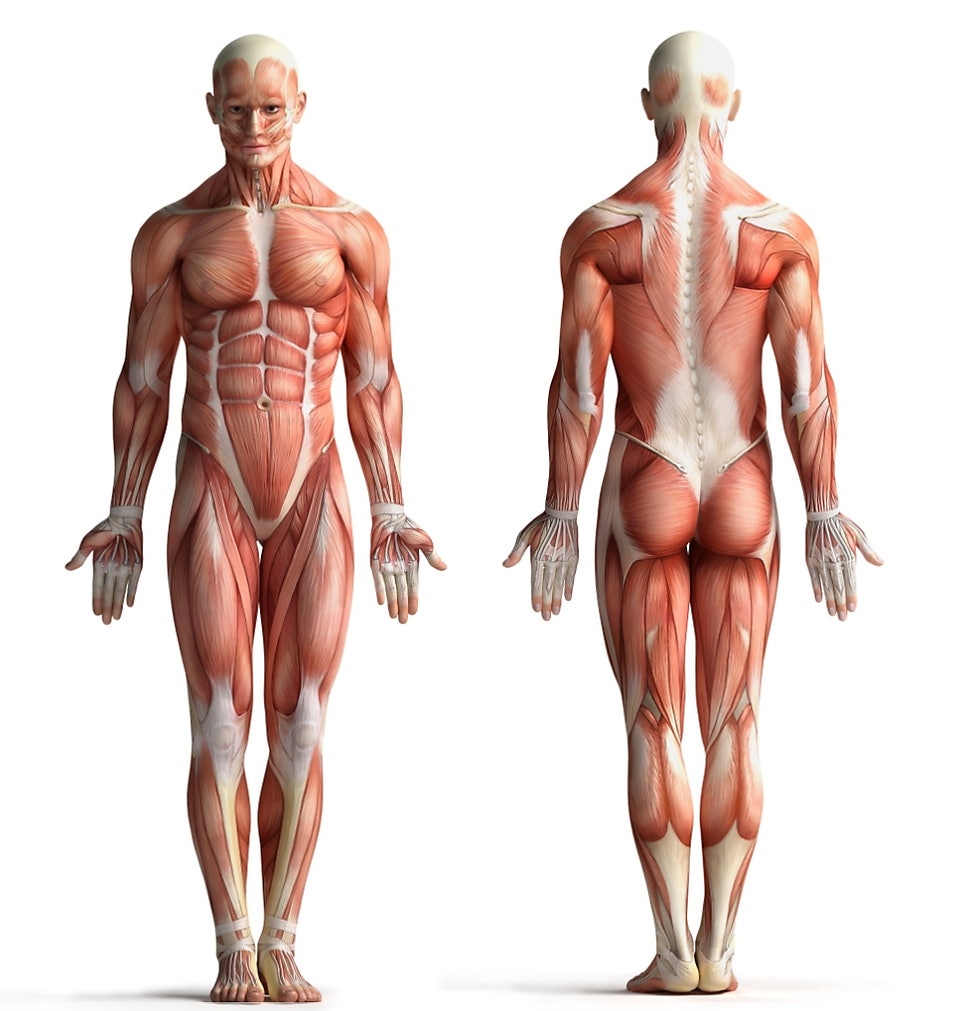
Muscle is the tissue that uses the most energy in our body.
When muscle mass increases, you become a body type that burns more energy even without doing anything. You gain less weight from the same amount of food, and after losing weight, you can more easily maintain that weight.
If your basal metabolic rate is low, there is a greater chance that weight will increase again even if you keep the same diet after losing weight. Therefore, increasing muscle mass to maintain basal metabolic rate is a key factor in long-term weight management.
Also, having more muscle makes blood sugar control easier.
Muscle stores and uses blood sugar (glucose), and when muscle mass increases, it helps prevent sharp rises in blood sugar and improves insulin resistance.
In other words, even if two people eat the same amount of carbohydrates, the person with more muscle will have a slower rise in blood sugar and is less likely to store it as fat. On the other hand, if muscle mass is low, blood sugar rises sharply after meals, and the remaining glucose is stored as fat, making it more likely to lead to an increase in body fat.
Why is it important to prevent blood sugar spikes?
A blood sugar spike refers to a sharp rise in blood sugar (glucose) levels after eating.
When blood sugar rises quickly, insulin is secreted in excess, making it more likely that extra glucose will be stored as fat. If this process repeats, body fat accumulates more easily, insulin resistance develops, and you become more prone to gaining weight.
In particular, even if you eat the same amount of carbohydrates, the sharper the blood sugar rise, the higher the proportion stored as body fat becomes. When blood sugar spikes repeatedly, cells become insensitive to insulin, leading to insulin resistance, and more insulin is secreted to control blood sugar, accelerating fat accumulation.
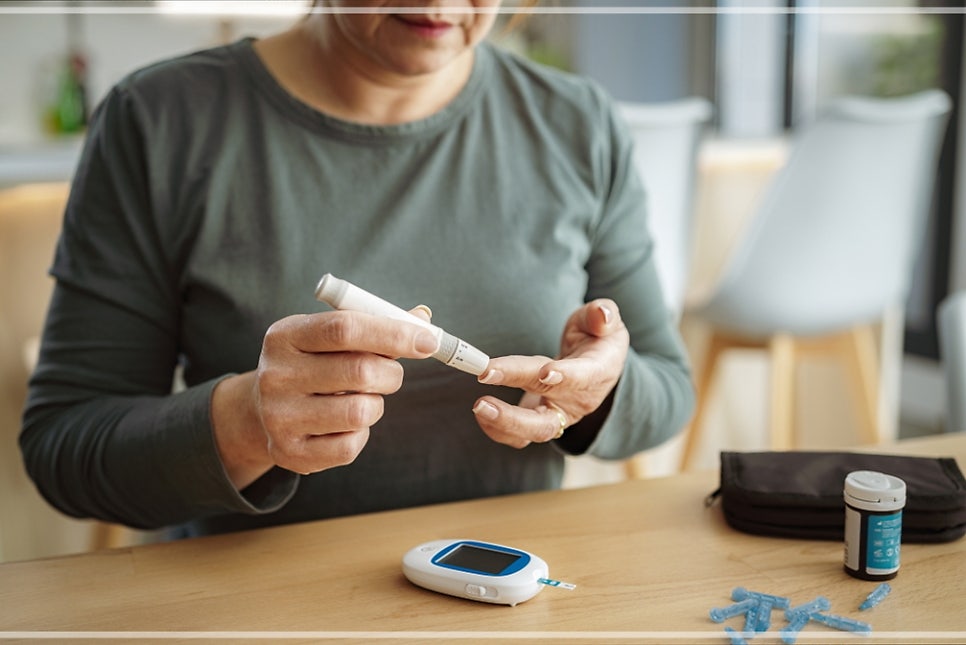
Also, when blood sugar rises sharply and then drops quickly, strong hunger and appetite kick in.
That is why you may feel hungry or crave sweets within 1 to 2 hours after eating. In the end, frequent blood sugar spikes are more likely to lead to overeating and snacking, which can cause weight gain.
How to increase muscle strength
and prevent blood sugar spikes
The “after-meal exercise” that helps prevent blood sugar spikes
If blood sugar rises sharply after a meal, insulin is secreted in excess and the remaining glucose is more likely to be stored as fat. At that point, simply walking lightly for 10 to 15 minutes after eating can slow the rise in blood sugar and reduce fat storage.
Just 10 minutes of walking after a meal can reduce a blood sugar spike by 30–40%. This not only helps lower blood sugar, but also supports long-term weight management.
For example, after lunch, using the stairs instead of the elevator at the office, or standing and moving while washing dishes after dinner, are both good options.
“Resistance exercise (strength training)” to build muscle quickly
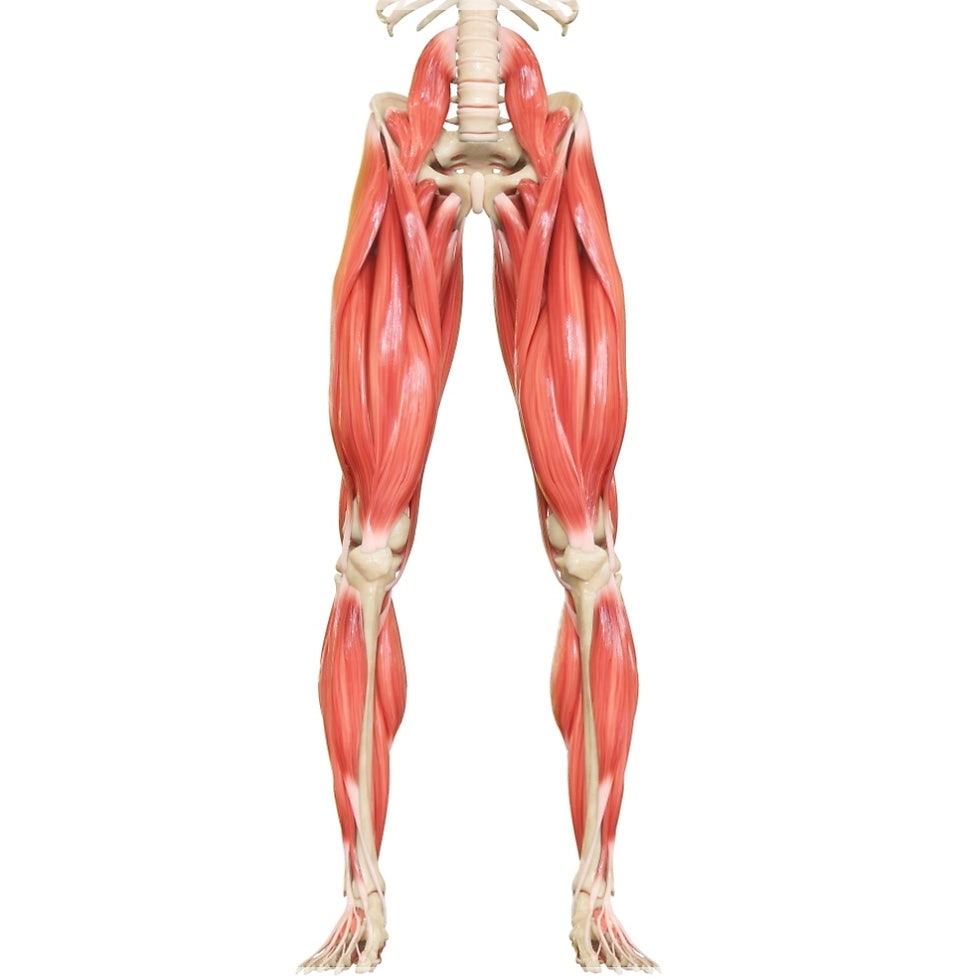
Among strength exercises, lower-body-focused resistance exercises (squats, lunges, hip bridges, etc.) are the most effective.
Because the lower-body muscles (thighs and glutes) are the largest muscle groups in the body, training them leads to faster muscle gain and a significant increase in basal metabolic rate.
Above all, there are many lower-body strength exercises that can be done simply in daily life without spending much time.

For example, doing 10 to 20 squats while brushing your teeth, or standing on your toes (calf muscle exercise) while working at a standing desk, also helps maintain muscle strength. And before bed, doing a 30-second plank plus 10 hip bridges can train both your abdominal and lower-body muscles at the same time.
Even if you do not make a special trip to the gym, adding small movements to your daily routine can increase muscle mass and raise your basal metabolic rate.
How to prevent blood sugar spikes through diet
In addition to exercise, simply adjusting the order of your meals and your food combinations can reduce blood sugar spikes and make weight management easier.
(1) Eat in the order of protein → vegetables → carbohydrates
Changing only the order in which you eat can have a big effect on blood sugar control.
If you eat protein and dietary fiber first, the rise in blood sugar when you eat carbohydrates will be slower, and the proportion stored as fat will decrease.
Simply put, do not start with rice; eat the meat or side dishes first. Even when eating bread for breakfast, having a boiled egg first and then the bread can effectively reduce blood sugar spikes.

(2) Use carbohydrates with a low GI (glycemic index)
Different types of carbohydrates raise blood sugar at different speeds.
Foods with a high GI (glycemic index) raise blood sugar sharply and make body fat accumulate more easily. On the other hand, foods with a low GI raise blood sugar more slowly, helping prevent excessive insulin secretion and minimizing fat storage.
For example, choosing brown rice, oats, or sweet potatoes instead of white rice allows blood sugar to rise more slowly and improves insulin resistance. It is also better to choose whole wheat bread rather than white bread, and for snacks, having a handful of nuts instead of chips can help with blood sugar control.
Dieting is not about the weight loss itself,
but about how long you can maintain it.

If dieting is realistically difficult for various reasons such as a busy daily life or aging, getting help from modern medicine like Wegovy is a wise choice.
But Wegovy is not a magic solution.
If the goal is simply to lose weight, Wegovy alone may be enough, but maintaining the lost weight is another story.


Wegovy is a powerful tool that helps with weight loss, but relying on it for life is not realistically easy.
In the end, if you want to maintain your weight after stopping the medication, a few habits in daily life are necessary.
Rather than approaching it with a lighthearted “Maybe I’ll lose some weight once,” I hope this treatment is chosen by people who are willing to maintain their weight on their own even after losing weight with the help of Wegovy.
I see Wegovy not just as a tool for weight loss, but as the first step toward a healthier life. And for those who are willing to take that first step properly, I will do my best to help.
Wegovy is only the beginning, and I will help you think through and practice how to maintain a healthy weight even after that.
[Things you must check before prescribing Wegovy]
https://blog.naver.com/rush_724/223774595176