Hello, this is Dr. Pyol, director of Dr. Prime Dental Clinic. One of the questions people who are just starting orthodontic treatment ask most often is, “Why does it hurt so much?”
In fact, it is normal to feel pain for about 2 to 3 days after braces are first attached. I’ll explain in detail why it hurts, how long it lasts, and how to handle it.
- Why does it hurt?
Orthodontic treatment works by applying force to the teeth to move them.
At the end of each tooth root, there is a very thin tissue called the periodontal ligament. This is the structure that connects the tooth and the jawbone, and nerves also pass through it.
When force is applied with orthodontic wires, the periodontal ligament is compressed, the nerves are stimulated, and pain occurs as a result.
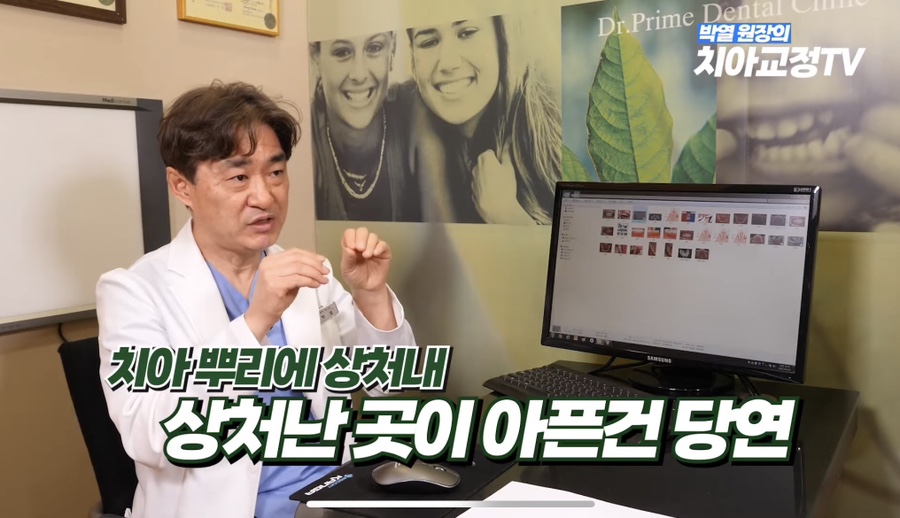
To compare it another way, if you press on a wounded area with your finger, it hurts, right? It’s like thinking of the tooth root as having a “wound” and then continuing to chew on it. Of course it hurts. That is why chewing makes it hurt even more.
- When does the pain start, and how long does it last?
It usually does not hurt much at the exact moment the braces are first attached. But after about 3 to 4 hours, the pain gradually begins. In general, it is most painful for about 1 to 3 days, and after that it often gets a little better.
One more thing to mention: since most braces are attached to the upper and lower teeth separately, there may be some pain when only the upper braces are attached, but many people feel even more pain after the lower braces are attached as well.
Because the upper and lower teeth move together, the reaction can feel more sensitive. However, this varies greatly from person to person, so not everyone experiences it the same way.
- Brushing my teeth is so hard
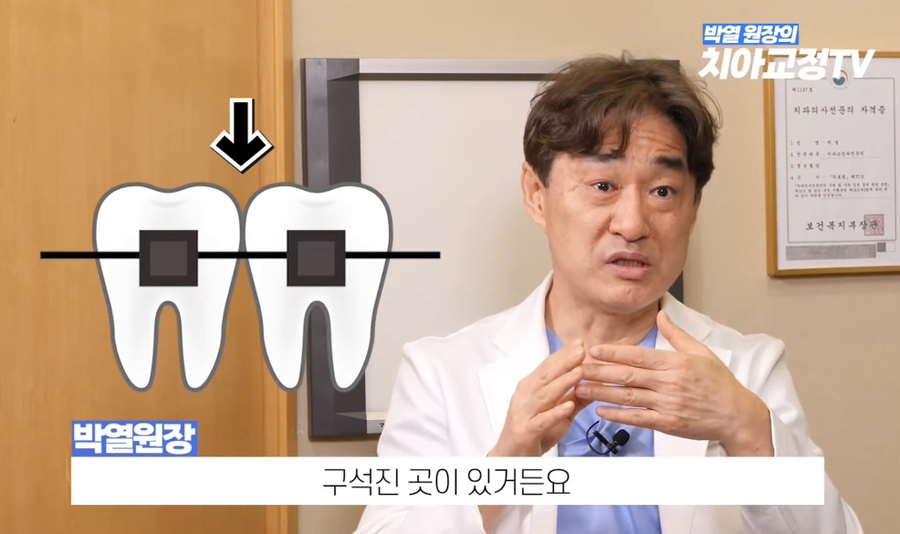
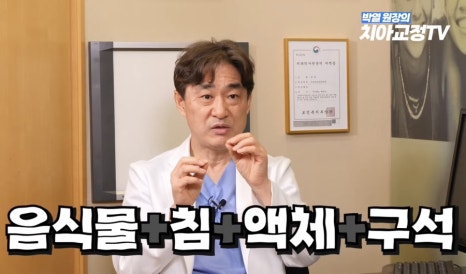
After pain, the next biggest inconvenience is brushing. When you eat with braces on, food easily gets stuck in the small spaces between the wires and teeth. No matter how much you brush, it does not come out easily.
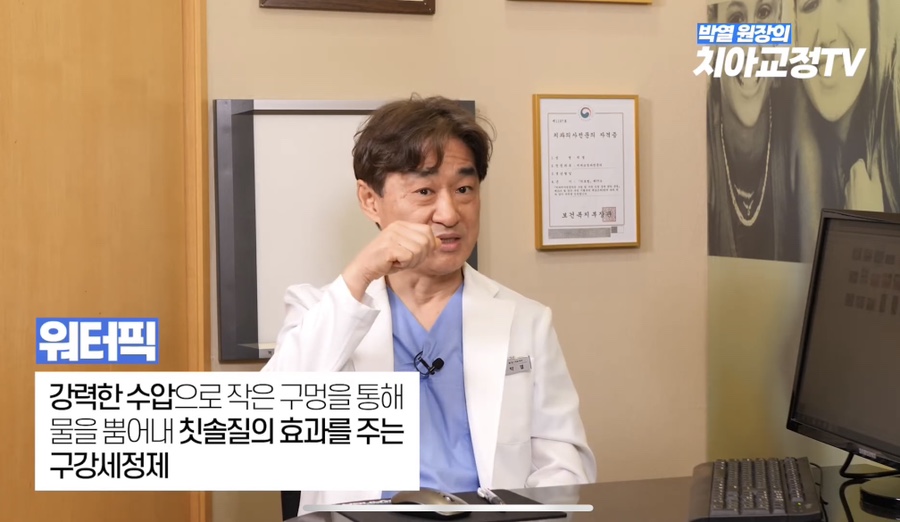
That is because food mixes with saliva and liquid, becomes sticky, and does not detach easily because of surface tension. In cases like this, using a water flosser such as a Waterpik can be very helpful.
When you try it for the first time, you may be surprised and think, “There was that much stuck in there?” That’s how effective it can be.
- What kind of pain reliever should I take?
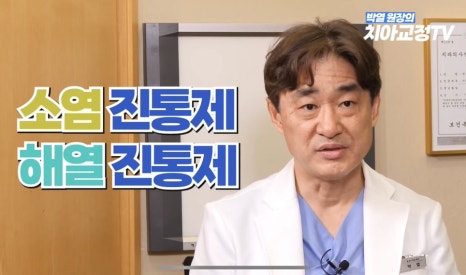
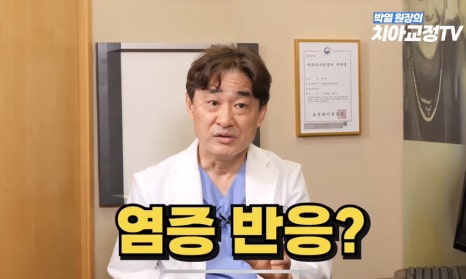
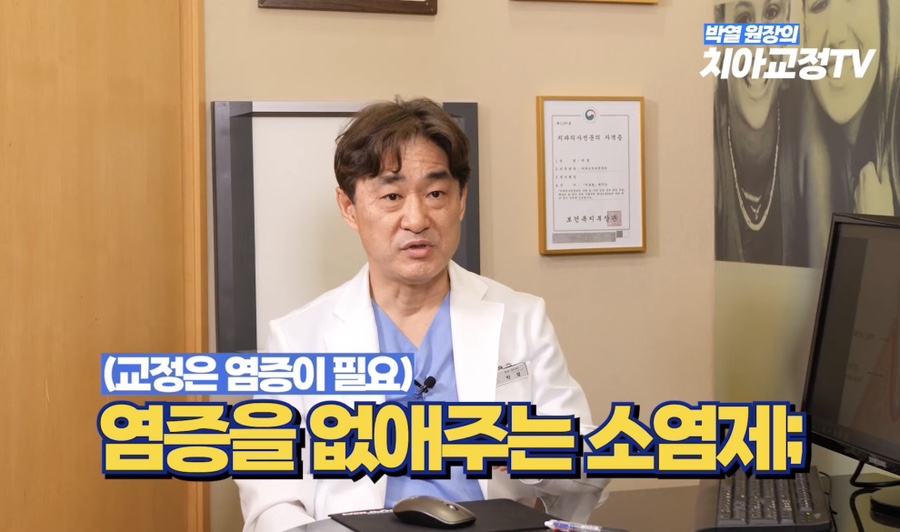
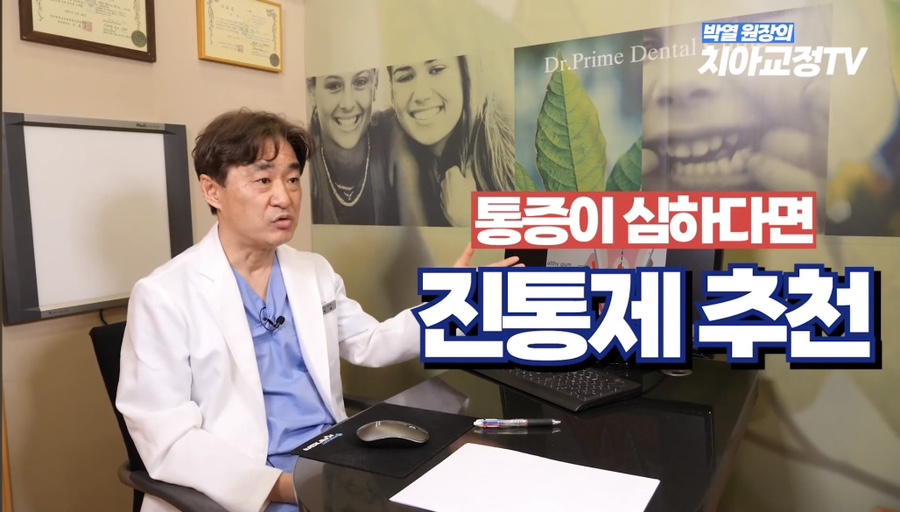
Many people take pain relievers when they have pain, but caution is needed during orthodontic treatment. That is because tooth movement is a physiological change accompanied by an inflammatory response.
Taking anti-inflammatory pain relievers (ibuprofen-based products, such as Egen and Brufen) may suppress this inflammatory response and slow tooth movement.
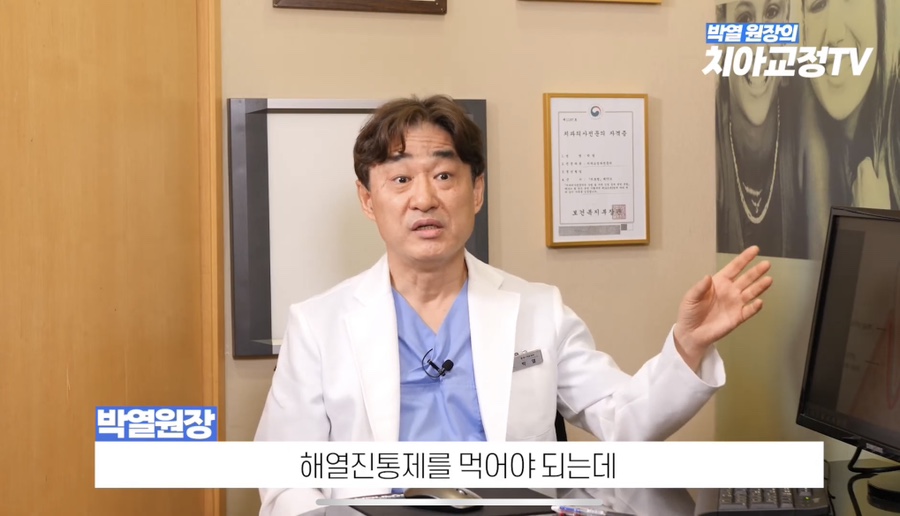
So for post-braces pain, it is better to take a Tylenol-type fever reducer and pain reliever.
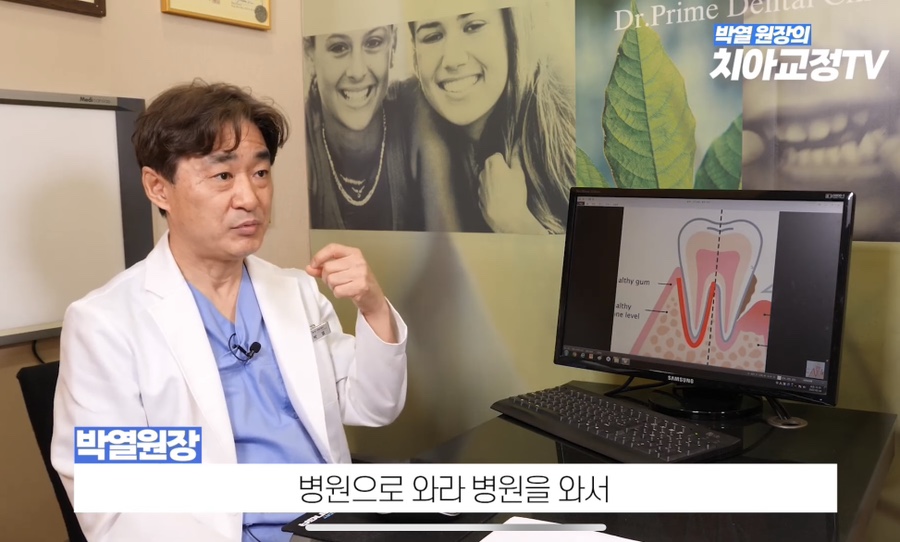
If you are thinking, “It hurts too much!”, visiting the clinic and slightly loosening the orthodontic wire can help you feel better quickly, so please do not just endure it—visit the clinic.
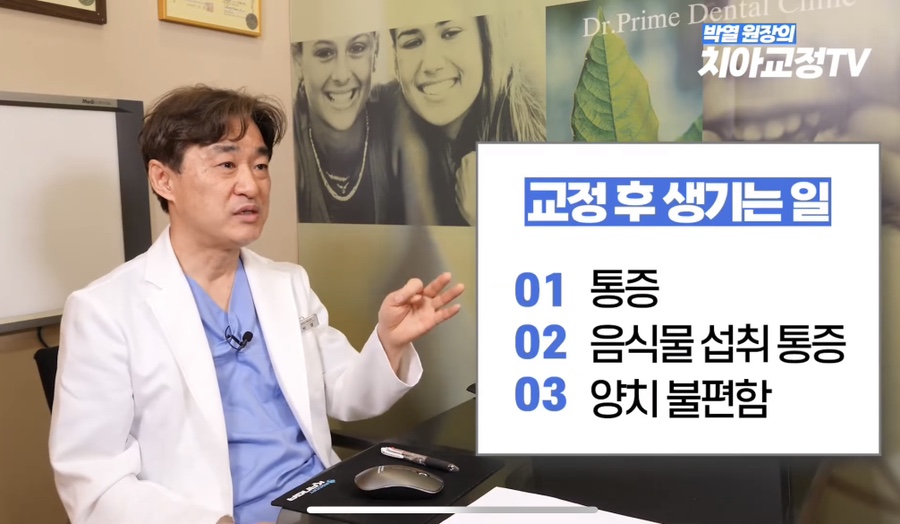
To summarize,
Pain occurs due to pressure applied to the tooth roots
The first 3 days are the toughest, after which it gradually eases
Use a Waterpik actively when brushing
Tylenol-type pain relievers are recommended
If it hurts too much, adjustments can be made at the clinic
The pain you experience in the early stage of orthodontic treatment is unfamiliar and uncomfortable for anyone, but if you think of it as part of the process of helping your teeth settle beautifully and healthily, it may be a little reassuring. If you hold on just a little longer, you’ll be able to see a much prettier smile!
For more detailed information,
Please refer to the YouTube channel below!
https://www.youtube.com/watch?v=nuYNuZfFZO8
Instagram account: https://www.instagram.com/dr_prime123/